

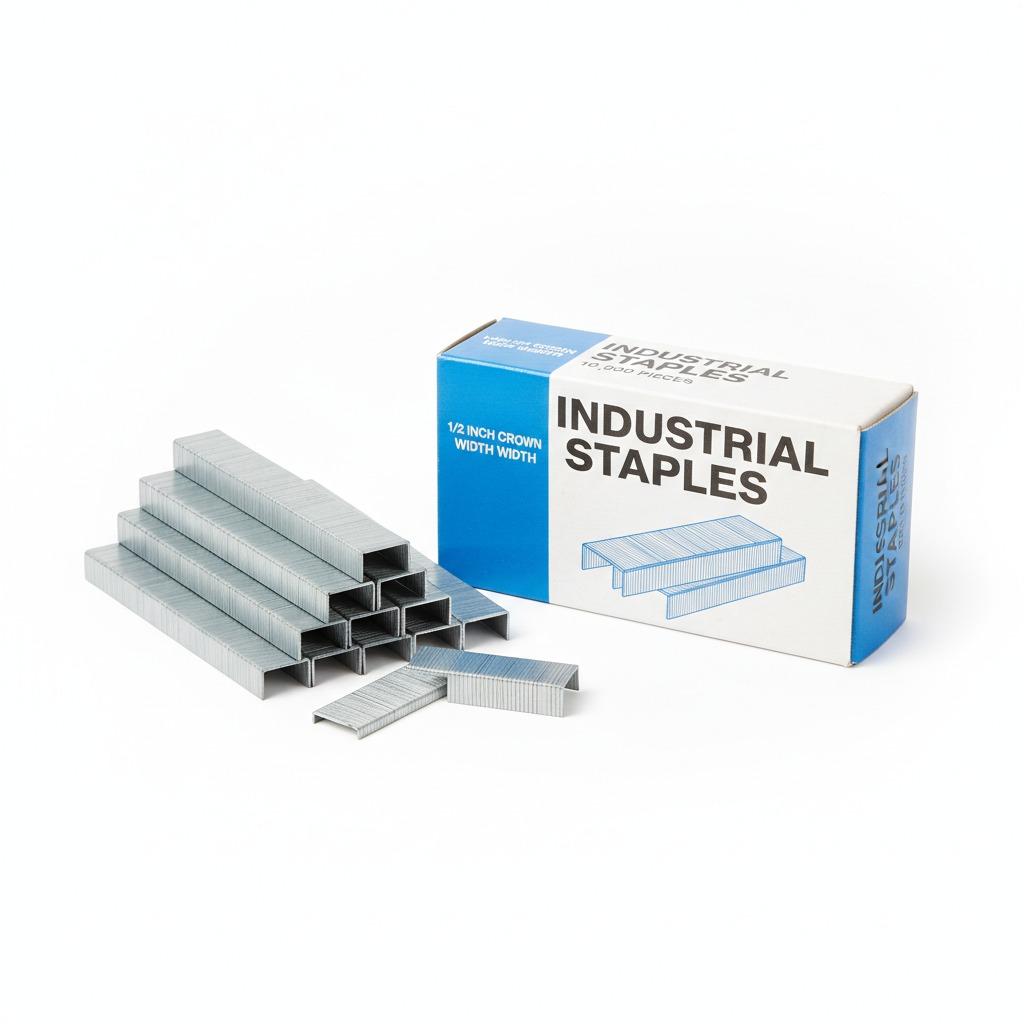
The staple nobody praises when it works
20 gauge staples are easy to ignore. When they work, nobody mentions them. When they miss, bend, mark a surface, or jam a stapler, everyone suddenly has an opinion. That is why buyers should treat 20 gauge staples as a production detail, not a low-value add-on.
In packaging and light furniture work, a small staple mistake can create a very ordinary kind of waste: slower benches, damaged corners, cartons that do not close neatly, or upholstery that needs a second pass. ProAirNails sees this most often when buyers copy an old size without checking the tool and material again.
Match the staple to the job before asking for volume price
A useful inquiry for 20 gauge staples should include crown width, leg length, point style, coating, packing method, and the stapler model. The word “standard” is risky here. One factory may use the staple for thin wood strips. Another may use it for carton closing or interior furniture parts. The same size can behave differently in each material.
An industrial staples supplier should ask where the staple will be fired, not only how many cartons are needed. Soft timber, corrugated packaging, thin plastic, and fabric-backed parts all push the fastener in different ways. If the staple is slightly too long, it may show through. If it is too short, holding power disappears.
Packaging buyers should check feed first
For packaging lines, the first concern is usually feed stability. 20 gauge staples should sit cleanly in the magazine and fire without broken strips. A pneumatic staples supplier should be able to discuss strip quality, carton quantity, and whether the customer is using manual packing benches or faster air tools.
Buyers sourcing staples for packaging also need practical cartons. A neat sample is not enough if the export box crushes during transport. Ask how inner boxes are packed, how labels are marked, and whether mixed staple pins supplier orders can keep each size easy to identify after arrival.
Furniture and upholstery need a different eye
Furniture buyers usually notice surface results first. The staple must enter cleanly without tearing fabric, cracking light wood, or leaving raised legs. For these orders, an air staples supplier should confirm finish, leg consistency, and whether the staple will be hidden or visible near the finished surface.
A short production test is worth more than a long email. Fire 20 gauge staples into the real part, pull a few out, and check whether the staple has held without damaging the material. Then test again after the parts sit for a day. Some problems only show up after handling.
How distributors can reduce returns
Distributors should group 20 gauge staples by application, not only by size. Keep packaging-use sizes, light furniture sizes, and special-order items separate in the product notes. The sales team will answer questions faster, and buyers will be less likely to choose the closest-looking staple by mistake.
When an order includes 20 gauge staples, staple pins, and other pneumatic fasteners, ProAirNails can help align the specification, packing, and repeat-order records so the next shipment matches the approved sample instead of starting the discussion again.