
Why buyers still care about a 14 series staples manufacturer
When sourcing fastening consumables for upholstery or light assembly, a 14 series staples manufacturer is rarely just selling wire and packaging. The real job is to match staple geometry, strip consistency, and surface finish to the tool and the substrate. If the staple does not feed cleanly, seats unevenly, or bends in softer timber, the whole operation slows down. In furniture shops, that means rework. In production, it means downtime that costs more than the staples themselves.
This is especially relevant for buyers comparing a pneumatic staples manufacturer against a general fastener supplier. Pneumatic upholstery work depends on predictable feeding through a magazine, proper strip alignment, and enough holding power to keep fabric, webbing, dust covers, and trim secure on wooden frames. The staple may look like a simple commodity, but the application is not forgiving.
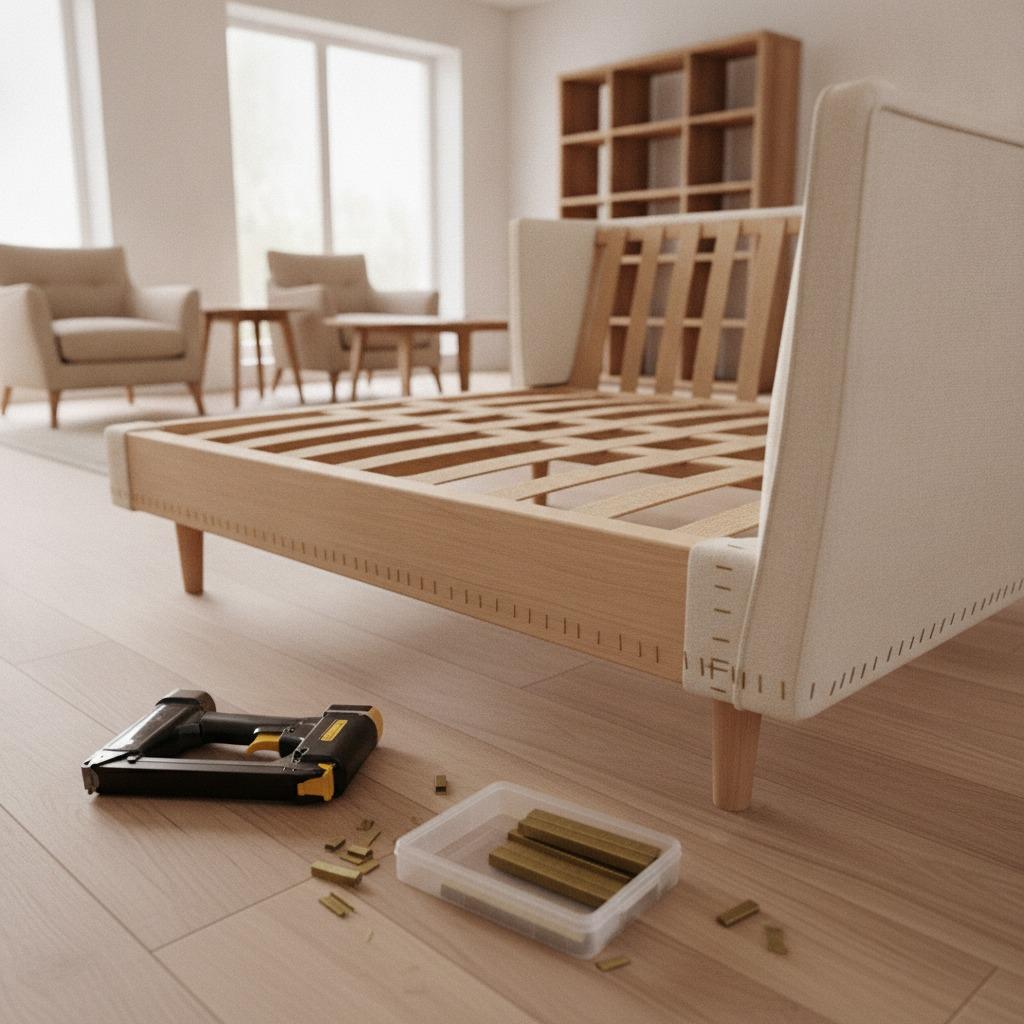
What the tool picture tells a buyer
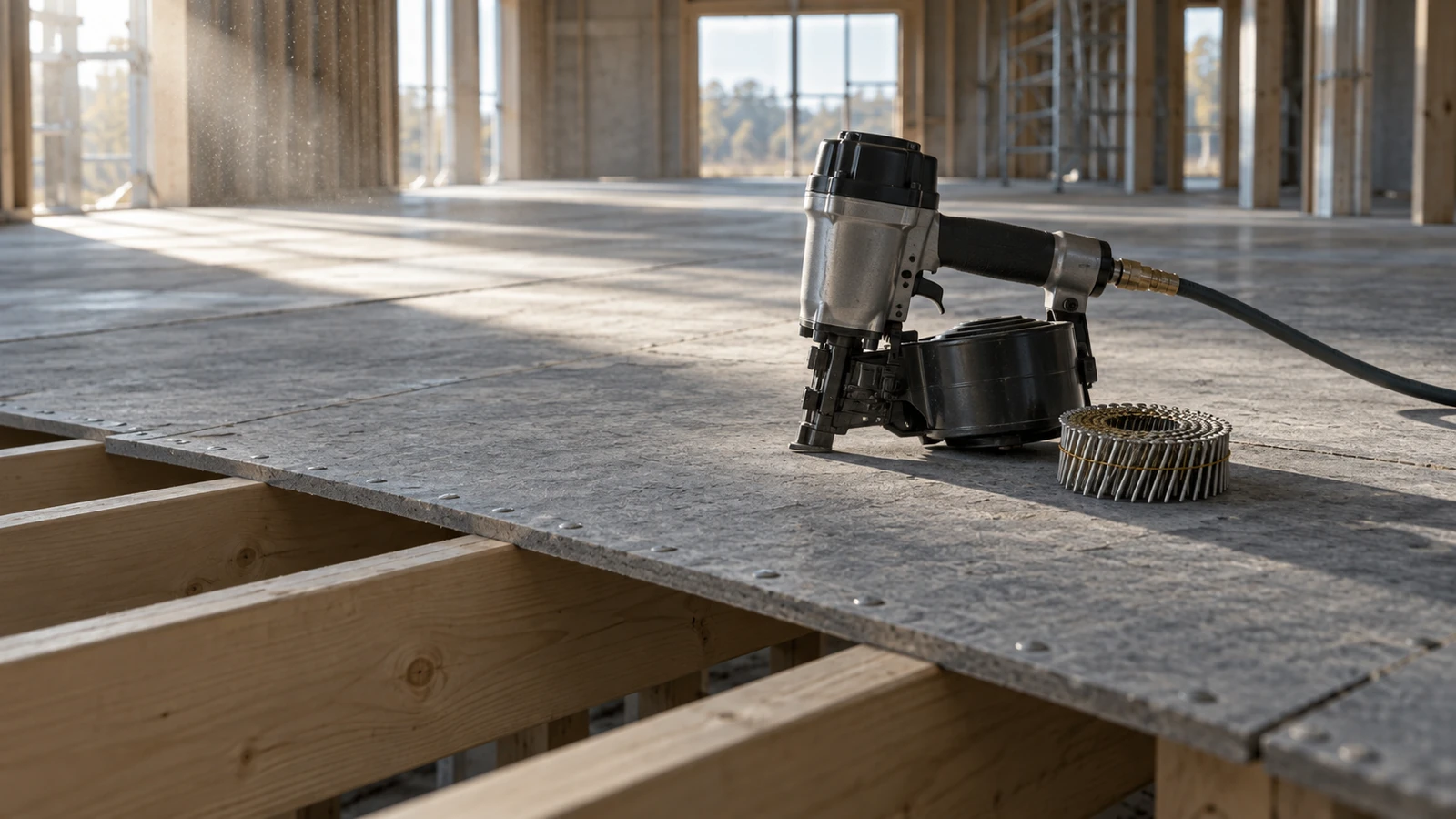
The product context here is a pneumatic staple gun or upholstery stapler with a strip-fed magazine and a clear box of loose staple strips nearby. That combination points to a working environment like upholstery repair, chair rebuilding, or furniture assembly. The tool itself uses a pistol-grip form factor with a narrow nose, which matters because technicians often need to place staples close to edges, into corners, or along curved frame members.
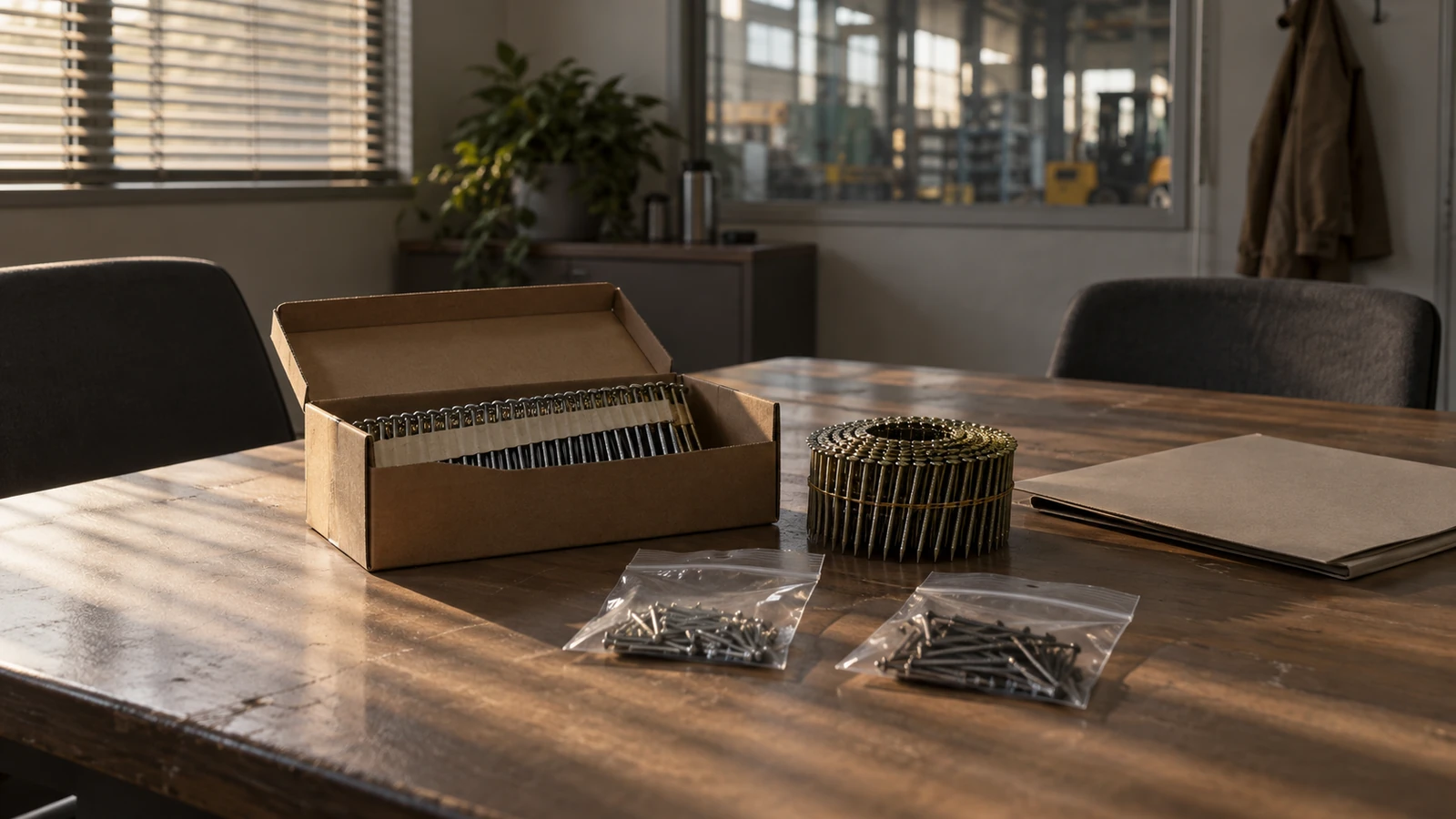
The staples shown appear to be gold-colored, which usually suggests a coating or plating chosen to improve corrosion resistance or handling, though the exact finish is not confirmed. That kind of detail matters more than many first-time buyers expect. In upholstery, staples can sit under fabric for years, and dull or inconsistent surface treatment is one of those small issues that creates headaches later.
Key buying criteria for staple and tool sourcing
Compatibility first
Before comparing suppliers, confirm the staple format your pneumatic stapler accepts. “14 series” is a family designation buyers often use when they mean a standard upholstery-style staple profile, but the exact crown width, leg length, and wire gauge still need to match the tool. Do not assume all staples with similar packaging will feed correctly. A small mismatch can jam the magazine or leave the staple proud of the work surface.
Feed consistency
For production users, the strip has to stay straight and evenly spaced. That is why a 14 gauge staples supplier is often judged not only on price, but on strip integrity and packaging quality. Staples that arrive bent, contaminated, or poorly bonded together can create feeding problems long before the fastener ever reaches the frame.
Finish and corrosion resistance
Furniture shops working on sofas, chairs, and ottomans may not need extreme corrosion protection, but they do need staples that won’t introduce rust stains or degrade under typical indoor conditions. A coated or plated finish is common for that reason. If the application is coastal, humid, or otherwise demanding, the buyer should ask pointed questions about the coating system rather than making assumptions.
Where pneumatic upholstery staplers make sense
These tools are practical when speed and repeatability matter. Upholstery teams use them to secure fabric to wood frames, fasten webbing, and attach dust covers or trim. Furniture repair technicians also rely on them because a handheld pneumatic tool is easier to control than many alternatives when working around finished surfaces.
That said, not every fastening job is a good fit. If the material stack is unusually dense, if access is poor, or if the frame material is brittle, the operator may need a different staple length, a different nose profile, or even a different fastening method altogether. A buyer should ask whether the supplier understands the actual end use, not just the catalog description.
Common mistakes buyers make
One common error is focusing only on staple count per box and ignoring strip quality. Another is buying by description alone without checking whether the tool is pneumatic and whether the magazine is built for the intended strip style. Buyers also sometimes treat upholstery staples as interchangeable across furniture lines, but frame material, fabric thickness, and hold requirements can change the right choice.
There is also a practical caution here: if you are comparing several vendors, ask for dimensional confirmation in plain language. Product photos can show the overall form, but they rarely verify the exact crown width or leg length you need.
What to ask a supplier before placing an order
Good sourcing conversations are specific. Ask what staple series the product is intended for, what materials or coatings are available, how the strips are packed, and whether the staples are intended for upholstery, light woodworking, or broader pneumatic fastening use. If you are evaluating a 14 series staples manufacturer for recurring purchase, ask for consistency controls on strip formation and packaging protection during transit.
If the supplier also positions itself as a pneumatic staples manufacturer, it is worth asking how the staple profile relates to common upholstery staplers and whether the product line is tuned for furniture repair work. That distinction can save a round of trial-and-error in the shop.
Buyer takeaway
The right staple is not just a consumable; it is part of the machine system. For upholstery teams and furniture assemblers, a dependable strip-fed staple helps keep the process fast, clean, and predictable. For sourcing managers, the decision is less about finding the cheapest box and more about finding a supplier that understands tool compatibility, strip quality, and the realities of production use.
If you are preparing a shortlist, start by confirming the staple series, the finish, and the intended tool type. Then compare suppliers on consistency and application fit, not just on price or packaging claims. That is usually where the difference shows up after the first few hundred shots, not on the first day.