
Choosing a brad nails bulk supplier is mostly about keeping production moving
If you buy fasteners for a shop, a trim crew, or a distribution program, the wrong brad nails bulk supplier can create a surprising amount of friction. Brad nails look simple enough, but when they are the wrong gauge, packed badly, or inconsistent from carton to carton, the cost shows up in jammed tools, slower installs, and wasted labor. For teams using 18 gauge bulk supply fasteners in pneumatic nailers, the decision is not just about unit price. It is about whether the supply line stays dependable when cabinets need closing, molding needs finishing, or a jobsite runs through boxes faster than planned.
That is why buyers usually end up comparing more than one source. They are not only looking for bulk brad nails. They are looking for repeatable packaging, clean feed performance, and a supplier that understands industrial fastener handling. A box of brad nails may be a small item on paper, but in practice it sits inside a larger workflow: receiving, storage, tool compatibility, and uninterrupted installation.
What bulk buyers are really evaluating
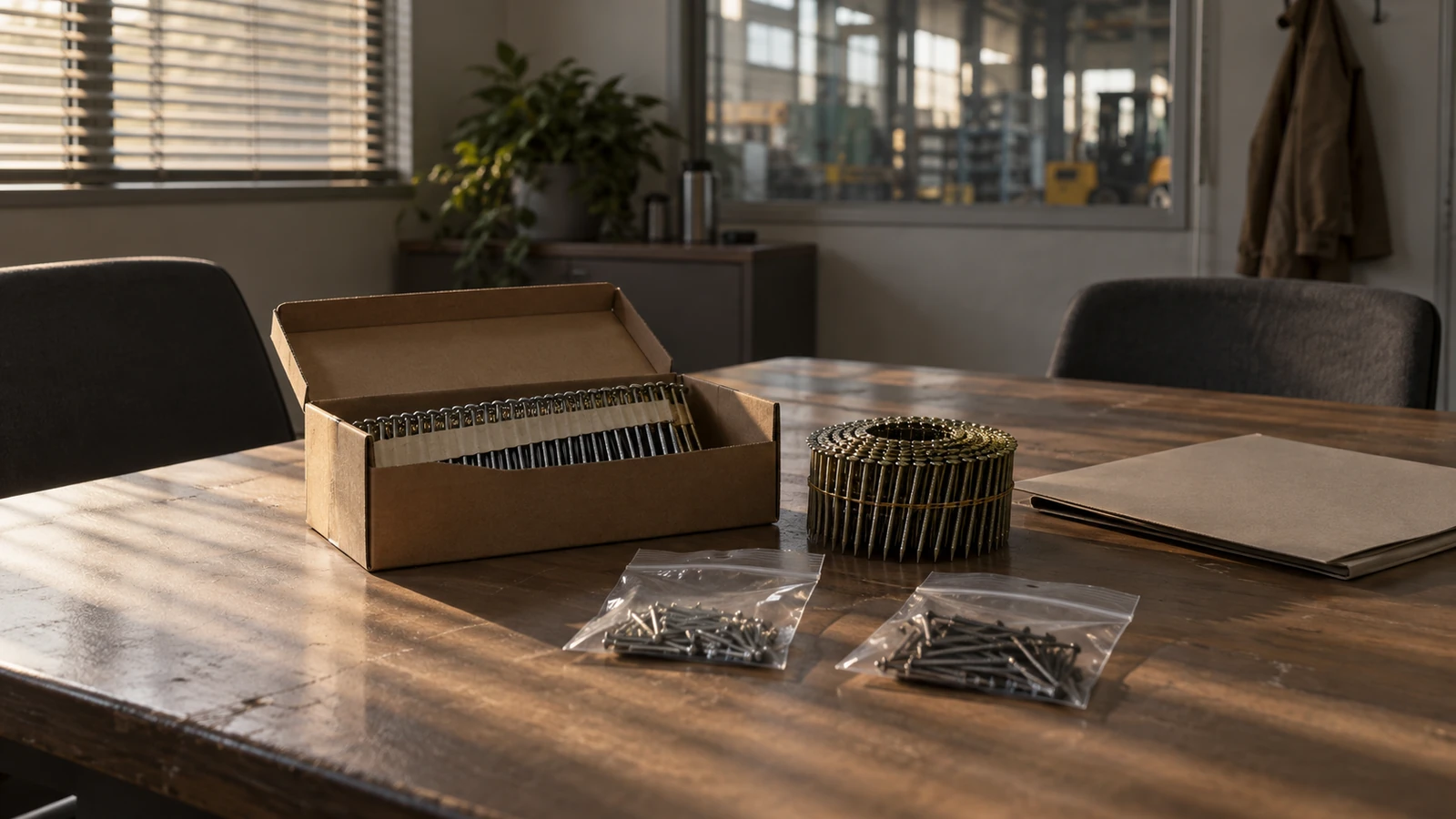
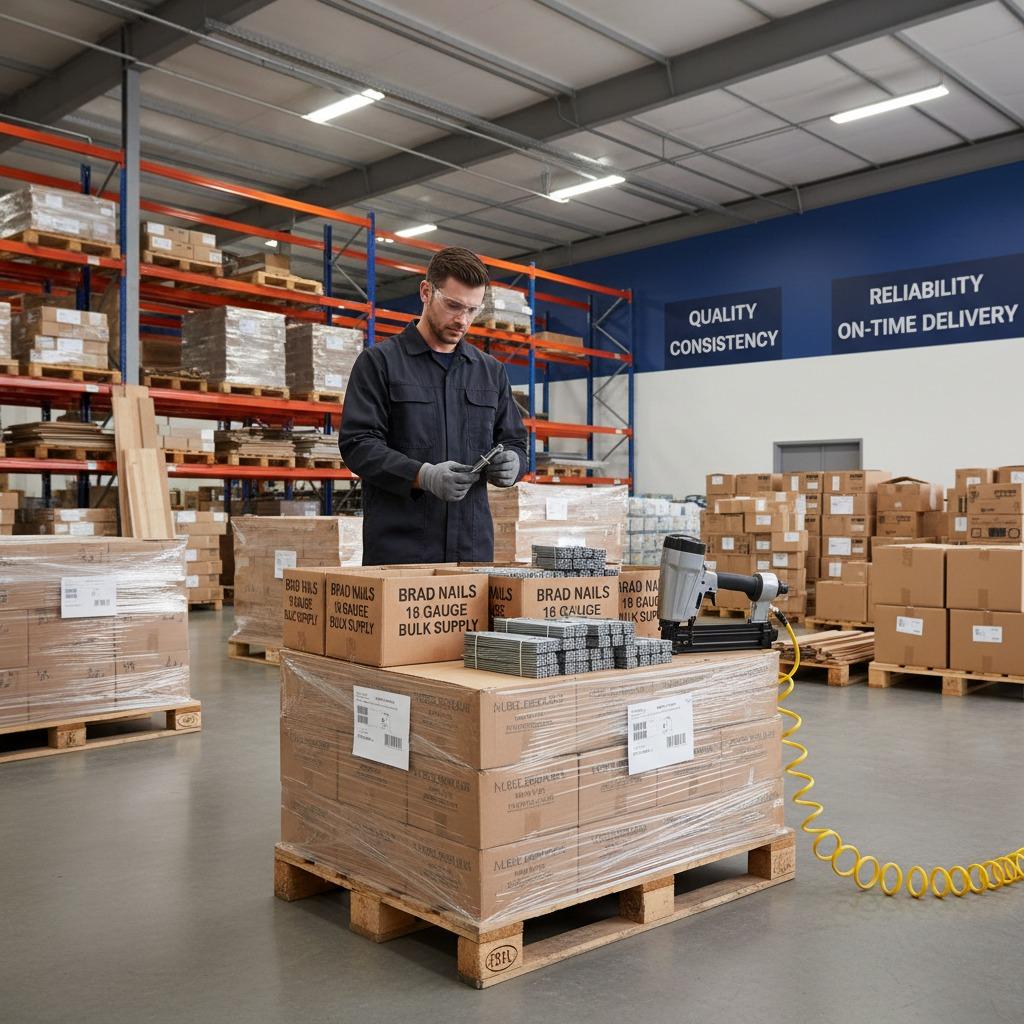
The visible product here is an 18 gauge brad nail packaged for bulk shipment, with nails arranged in straight collated strips and stacked in strapped cartons. That matters because bulk packaging is not just for convenience. It reduces handling time, helps warehouse teams keep inventory organized, and makes it easier to ship fasteners in usable quantities to contractors or resellers.
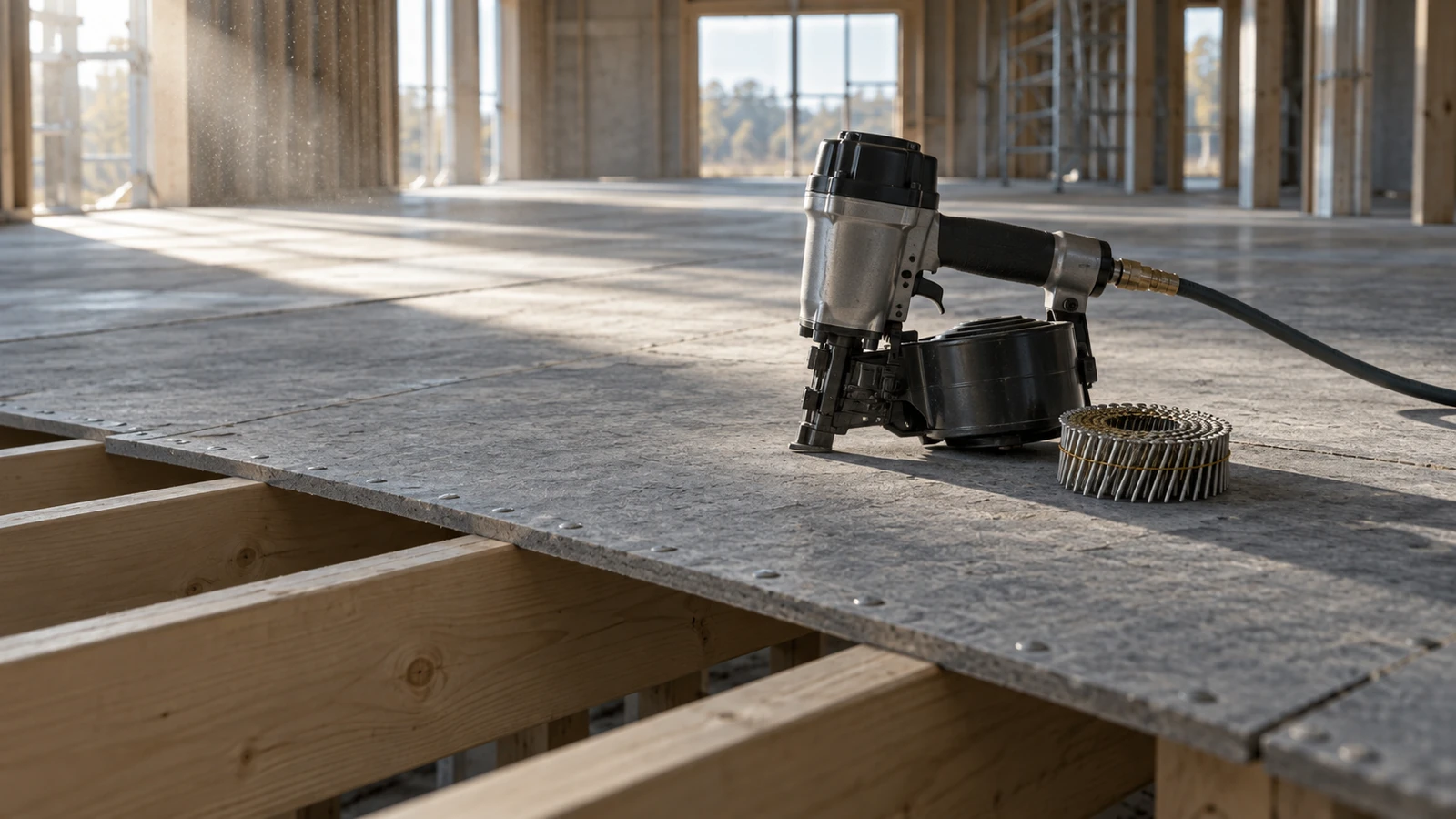
For buyers, the key question is simple: will the fastener feed cleanly in the pneumatic nailer being used on the floor? Since brad nails are commonly used for light woodworking, trim, molding, cabinet work, and furniture assembly, the supplier needs to support that kind of everyday use without making the customer sort out inconsistent packaging or unclear labeling.
Why 18 gauge matters in the conversation
The 18 gauge detail is not a minor line item. It defines the general class of fastener and narrows the field of compatible tools. A shop that runs 18 gauge brad nailers wants supply consistency more than novelty. If a supplier treats that as an afterthought, the buyer may end up with boxes that are hard to stock, hard to identify, or awkward to match with production work.
There is also a practical caution here: brad nails are often assumed to be interchangeable because they look similar in a carton. They are not. Length, shank design, head style, coating, and exact collating style can all affect use, but those details are not always visible in a warehouse photo. If a project is sensitive to appearance or fastening behavior, a buyer should confirm those specifications before placing a large order.
Bulk brad nails: what good supply looks like
Packaging that respects warehouse reality
In bulk purchasing, the carton matters almost as much as the nail itself. The image notes show rectangular strip bundles stacked and banded for bulk shipment, which is exactly the kind of organization distributors and shop managers tend to appreciate. Clean packaging reduces damage during transit and makes pallet storage less chaotic. It also makes replenishment faster, which sounds basic until a crew is waiting on consumables.
Material and finish should be confirmed, not guessed
The nails appear metallic, likely steel, with a silver-gray look. That is useful at a general level, but buyers should not assume more than that. Coating type, hardness, and corrosion resistance are not verified here, and those details can matter a great deal depending on the jobsite. Interior trim in a controlled environment is one thing; cabinets in a humid space or furniture headed for broader exposure is another. A competent supplier should be able to state those specifications clearly.
How to compare brad nails wholesale options
When sourcing brad nails wholesale, look beyond the headline price and ask a few practical questions: Are cartons clearly labeled? Is the gauge and packaging format consistent? Can the supplier support high-volume replenishment without changing product presentation from order to order? Can they explain tool compatibility in plain terms without overselling? These are not glamorous questions, but they are the ones that keep procurement from becoming a recurring headache.
Another useful filter is the buyer’s own operation. A cabinet shop may care most about appearance and smooth feeding. A trim installer may care more about speed and the ability to reorder quickly. A distributor may care about carton uniformity, warehouse stacking, and the clarity of product identification. The same nail can serve all three, but not every supplier serves all three well.
Common mistakes buyers make
The most common mistake is buying on price alone and discovering that the real cost comes from downtime or mismatched inventory. Another is assuming every box marked for 18 gauge use is equally suitable for the same tool or job. A third, less obvious problem is poor labeling. In a busy warehouse, vague carton markings can lead to mis-picks and time lost at the point of use.
It is also worth saying plainly that bulk fasteners are consumables, not a place for guesswork. If a supplier cannot answer basic questions about product structure, packaging, or intended use, that is usually a sign to keep looking.
What this kind of supplier is best for
A brad nails bulk supplier with organized cartons and 18 gauge bulk supply fasteners is especially useful for contractors, woodworking shops, cabinet makers, trim installers, and distributors that need steady replenishment rather than one-off purchases. That audience does not need marketing language. It needs dependable stock, straightforward specifications, and packaging that survives storage and shipment.
FAQ
Are brad nails and finish nails the same thing?
Not exactly. They are often used in similar light-duty finishing work, but they are not identical products. Buyers should confirm gauge, size, and intended application rather than assume interchangeability.
Can bulk brad nails be used in any nailer?
No. Compatibility depends on the nailer and the nail specification. The safest approach is to match the gauge and the tool’s requirements before buying in volume.
What should I request from a supplier before ordering?
Ask for the gauge, packaging format, material description, finish or coating information if available, and any compatibility notes that apply to the product. If those details are unclear, that is a warning sign.
Next step for buyers
If you are sourcing bulk brad nails for shop use or distribution, build your shortlist around suppliers that can document the basics clearly and ship in clean, warehouse-friendly packaging. That is the difference between a fastener purchase that disappears into the background and one that keeps surfacing as a production problem.