
Choosing a brad nails supplier is really a compatibility decision
If you are comparing a brad nails supplier, you are not just buying fasteners by the carton. You are deciding whether the nails will run cleanly in a brad nailer, hold trim without splitting fine stock, and arrive in a form your crew can actually use on a jobsite. That matters more than it sounds. A small mismatch in collation, finish, or nail size can slow a trim crew down fast, especially when the work is crown molding, baseboards, cabinet face frames, or decorative paneling where the fastener should disappear into the surface.
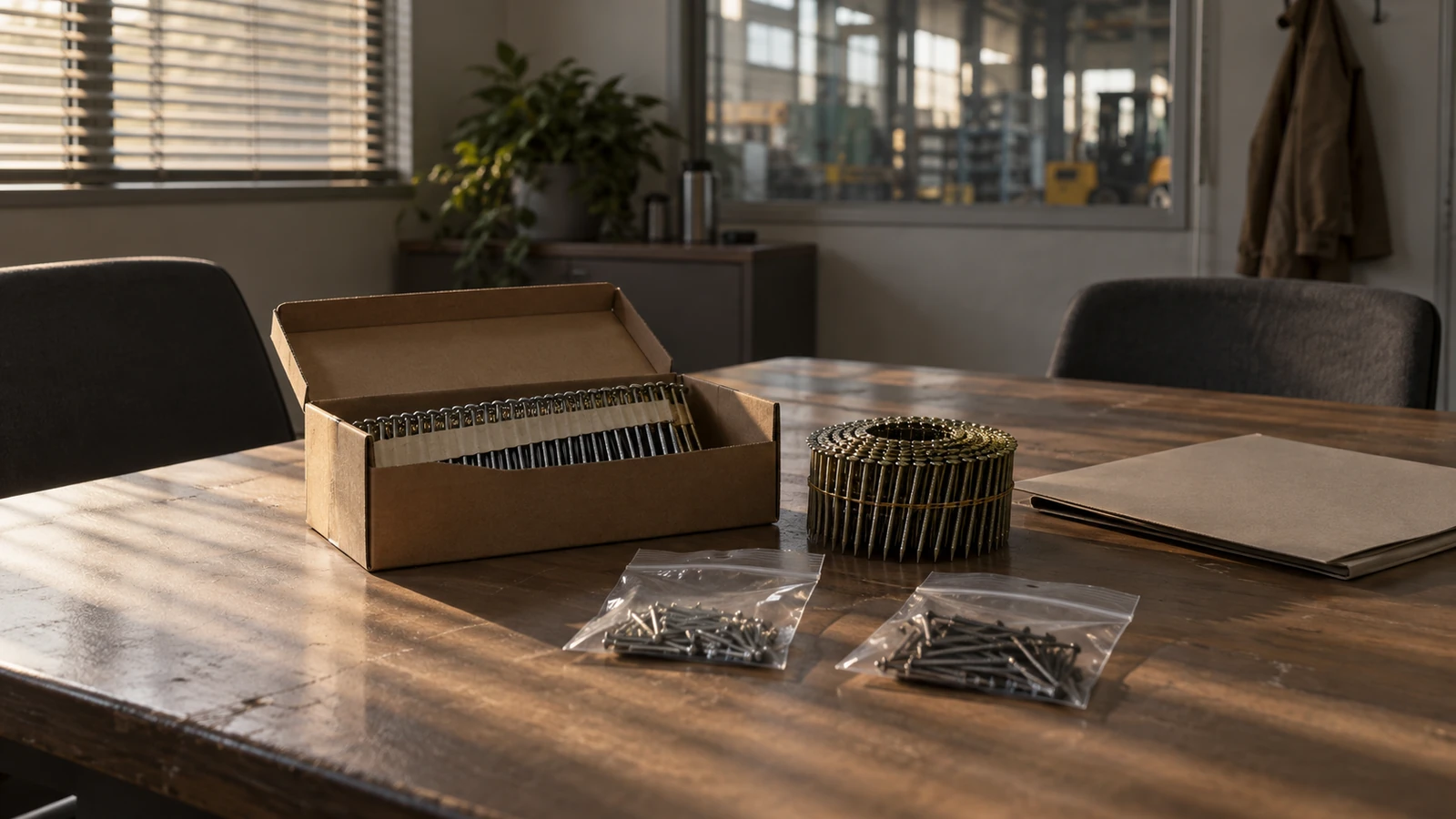
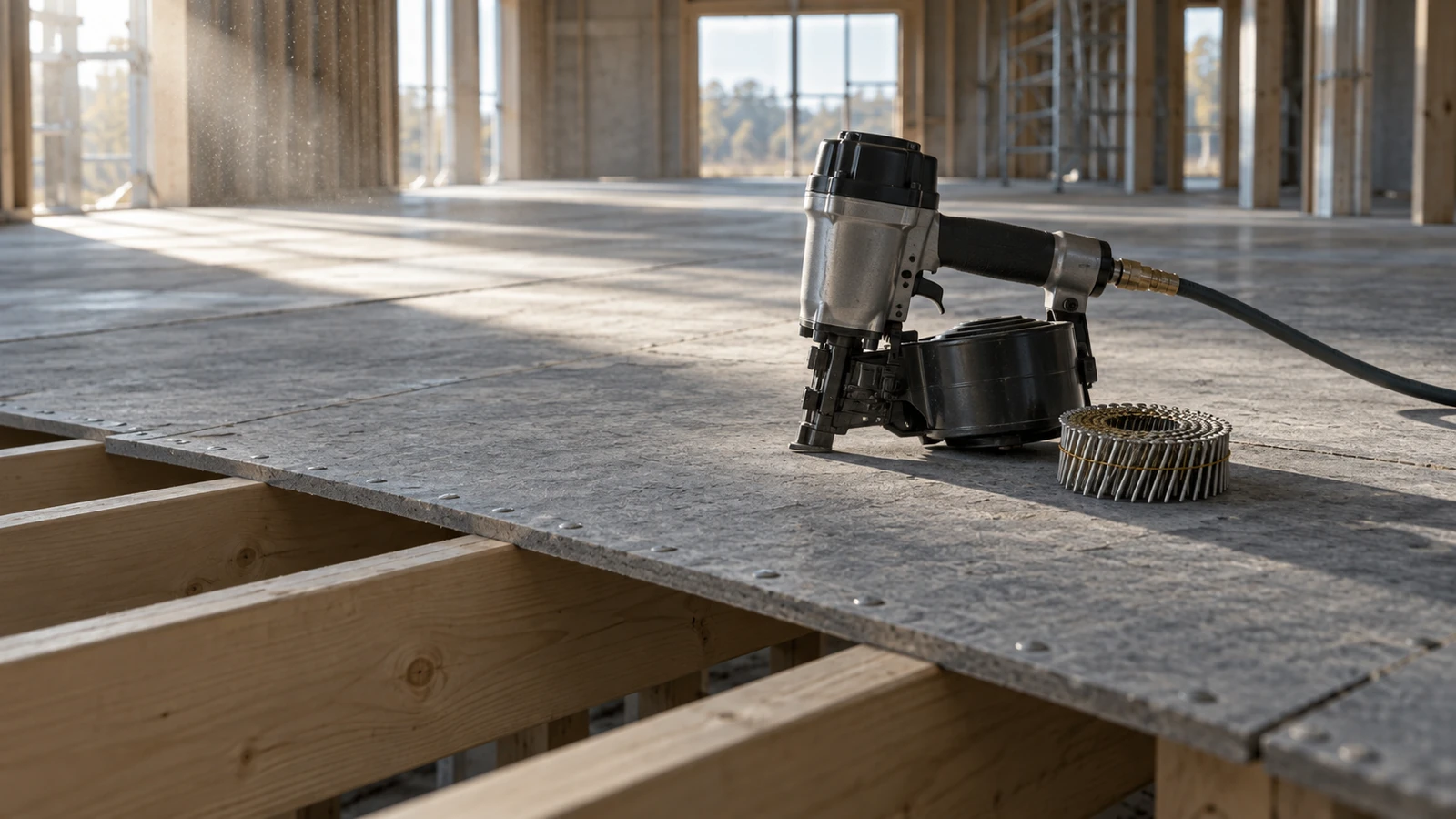
The product category here is straightforward enough: galvanized brad nails, typically steel fasteners with a zinc coating for better corrosion resistance than plain steel. They are used with a brad nailer or pneumatic nail gun for precise fastening of light wood components. The challenge for buyers is that the visible form tells only part of the story. Length, gauge, head style, shank details, and collation angle all matter, but they are not always obvious at first glance. That is why sourcing deserves a bit more attention than a simple price comparison.
What brad nails are doing in real production work
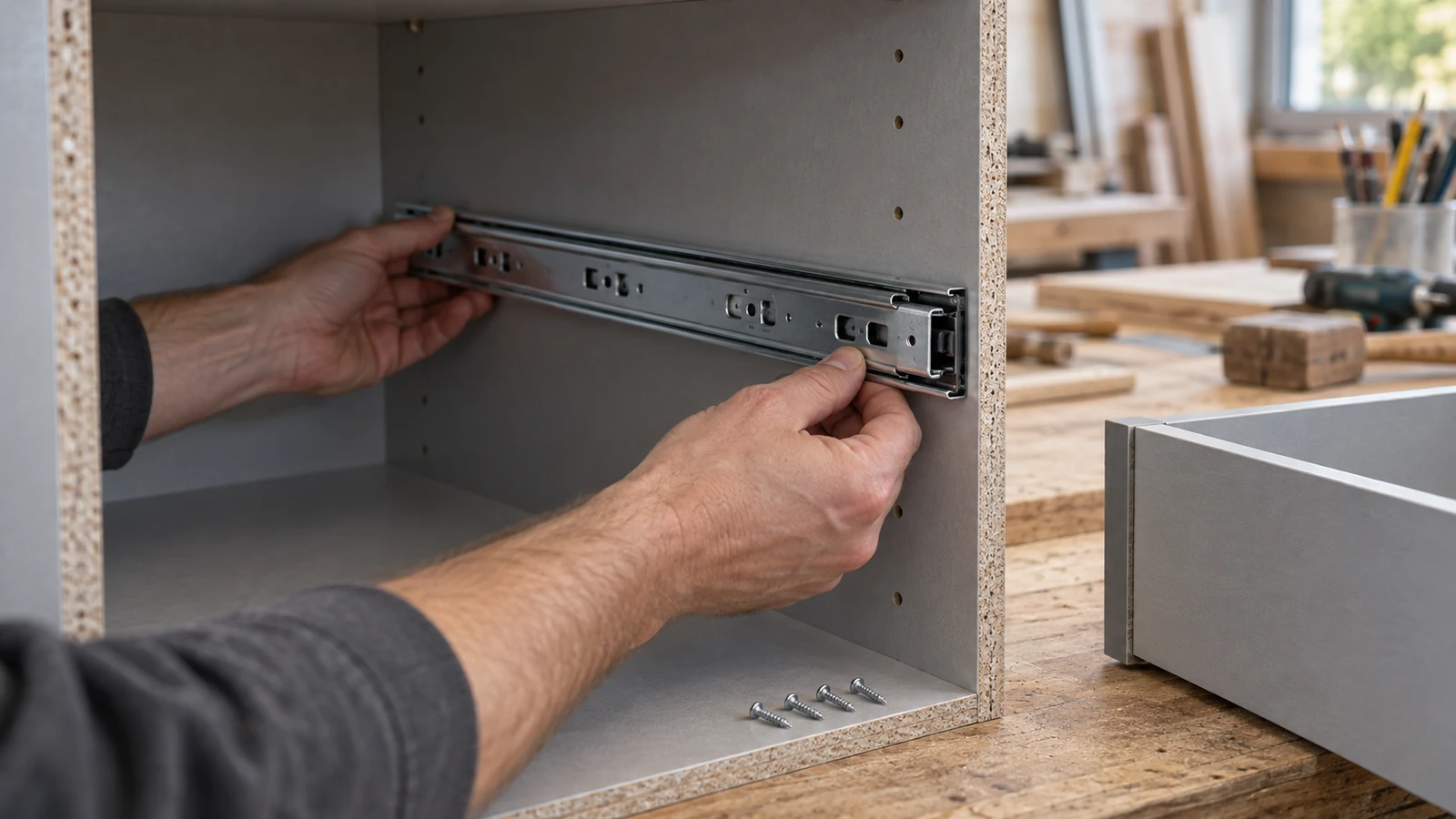
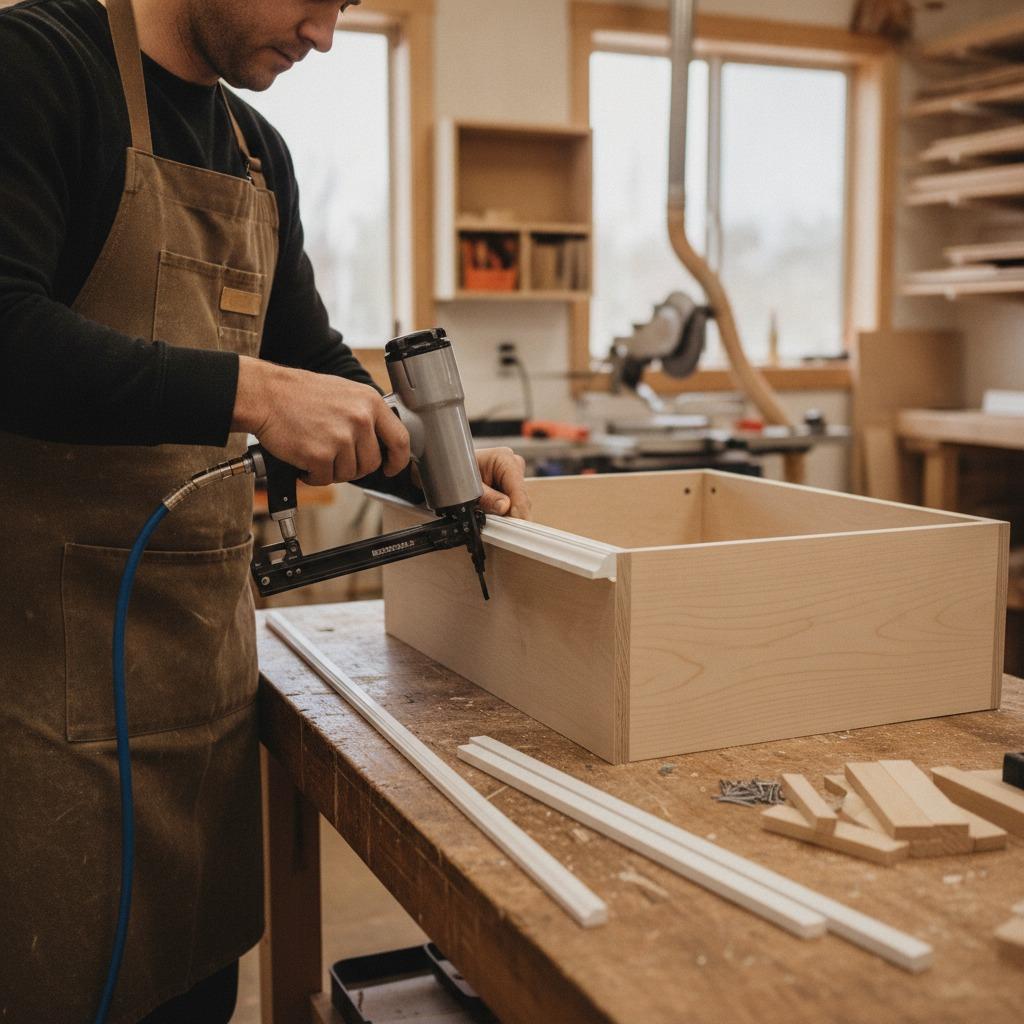
Brad nails are popular because they leave a small mark and reduce the need for filling and sanding. In cabinetry shops, millwork installation, furniture assembly, and general woodworking, that makes a practical difference. They are not meant to replace heavier finish nails or screws when the joint has to carry load. Their strength is in precise attachment: holding trim in place, pinning a light panel, or stabilizing a delicate part while adhesive cures. In other words, they are a finishing fastener, not a structural one.
Galvanized brad nails are especially common where humidity or incidental moisture might be an issue. The galvanized coating should improve rust resistance versus bare steel, though the exact coating type can vary. Some buyers will ask whether the finish is electro-galvanized or another zinc treatment; that is a reasonable question, especially for long-term storage or interior applications in less controlled environments. If the supplier cannot explain the finish clearly, that is worth noting before you place a large order.
Quick checks before you buy
Tool compatibility
Start with the nailer, not the carton. Confirm that the strip format, collation angle, and dimensions match the pneumatic tool in the shop. Even a well-made nail will be useless if it does not feed properly. For teams that buy brad nails in bulk, this is the first item to verify, because one bad compatibility assumption can turn into wasted labor across several installs.
Material and finish
Steel with galvanized coating is a sensible default for many interior woodworking tasks. It is not a license to use the nails anywhere. If the project sits in a damp space, near condensation, or in a use case where staining is a concern, ask whether the finish is appropriate for that environment. A cautious buyer will also ask how the nails are stored and packed before shipment, because surface finish can be affected long before the nails reach the site.
Packaging and lot consistency
For shops that buy brad nails in bulk, packaging matters more than it first appears. Consistent strip quality helps the nailer feed smoothly. Clear carton labeling helps operators avoid grabbing the wrong size on a busy bench. It is also worth asking whether supply lots are consistent from order to order. A small variation can be acceptable in many woodworking applications, but inconsistency between batches can create setup friction for production teams.
Where bulk buying helps, and where it does not
There is a genuine advantage to bulk brad nails when you have repeat work: trim carpenters, cabinet installers, and furniture shops often go through the same fastener pattern week after week. Buying in larger quantities can simplify purchasing and reduce the odds of last-minute shortages. It can also make sense for contractors who want to standardize on one fastener family for common interior tasks.
Still, bulk is only smart if the product is right. A cheaper pallet of nails that jams, bends, or does not match the tool can cost more than a better-made strip purchased in smaller volume. That is the trade-off buyers sometimes gloss over. If you are evaluating a brad nails supplier for repeat orders, ask for sample strips, confirm the tool fit, and compare how the nails drive in the specific wood species you use most often.
Common mistakes buyers keep making
One common mistake is treating all brads as interchangeable. They are not. Another is assuming the visible head style tells the whole story. Finish carpentry often demands small, clean entry marks, but feeding reliability is just as important as appearance. A third mistake is overbuying a product before checking how it performs in your actual workflow. The shop may be able to use a certain nail in theory, but if the collated strip does not run smoothly, the theoretical savings disappear quickly.
There is also a storage issue that buyers forget. Fasteners with a galvanized finish are more forgiving than plain steel, but they still should be stored dry and handled with some care. If cartons sit on concrete floors or in a humid bay, the problem is not dramatic at first, but it can become one later. Small details like this are easy to ignore until a crew opens a box on site and discovers the feed quality has changed.
What to ask a supplier before placing a repeat order
Ask how the nails are manufactured, at least in broad terms, and whether the supplier can confirm the material and finish. Ask what collated format they provide and whether it matches your nailer. Ask about carton counts, outer packaging, and whether the product is intended for pneumatic fastening in trim and light woodworking. If you are comparing bulk brad nails from more than one source, ask each supplier to state the same basic facts in the same way. That makes comparison easier and exposes weak answers quickly.
For sourcing managers, the best suppliers are not always the ones with the loudest claims. They are the ones that can explain the product plainly, ship it consistently, and support a clean fit with the tools already in use. That is especially true when the purchase is meant to support production, not just a one-off project.
A practical next step
If you are narrowing down a brad nails supplier, start with a sample order and test the nails in your most common trim materials. Check feed reliability, holding performance, and the appearance of the nail mark after installation. If the product behaves well, then move into a larger buy brad nails in bulk plan with packaging and storage details already settled. That usually saves time later, and on a busy shop floor, time is the part of the budget that vanishes first.