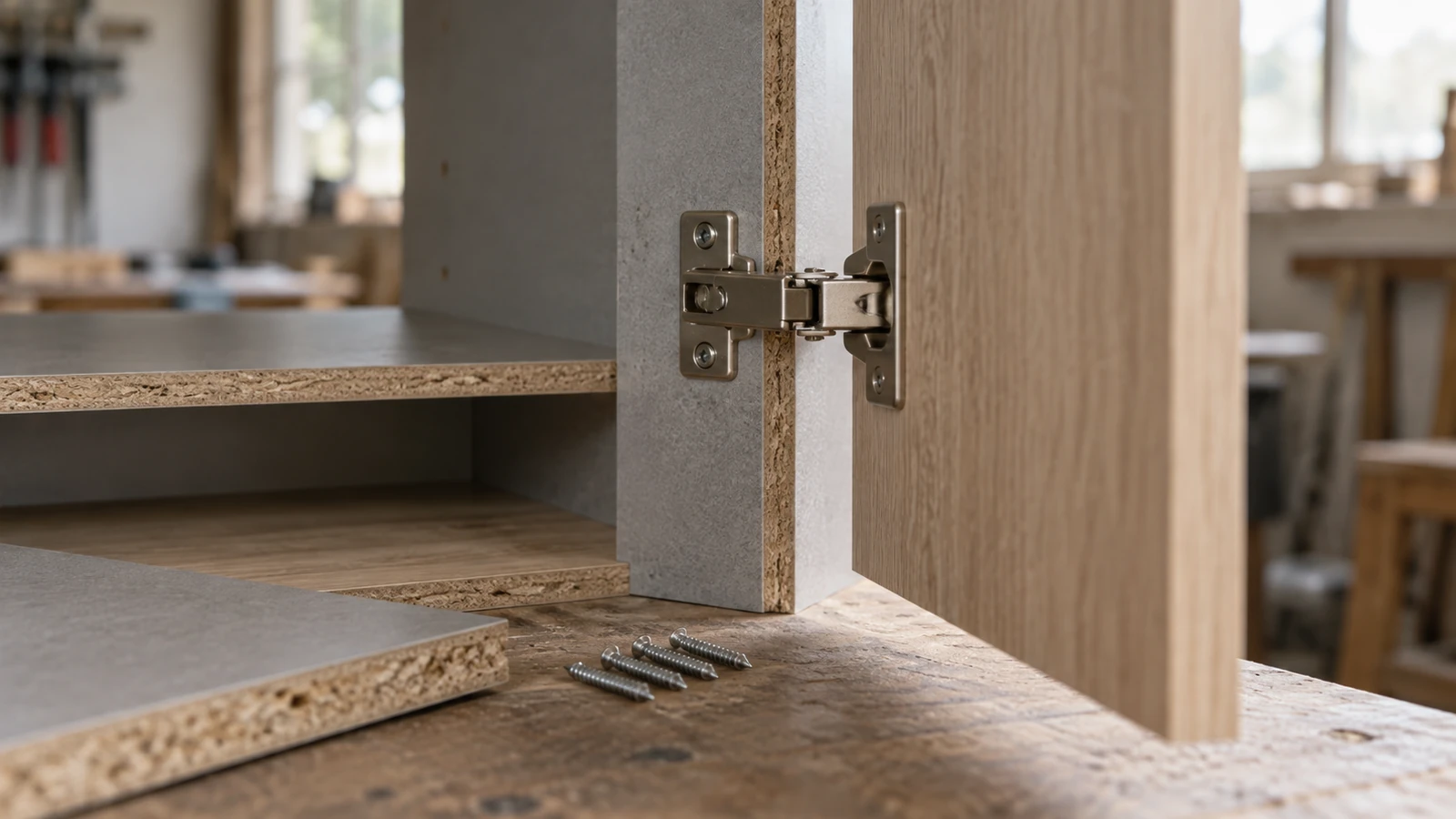

What Buyers Really Need From a Brad Nails Supplier
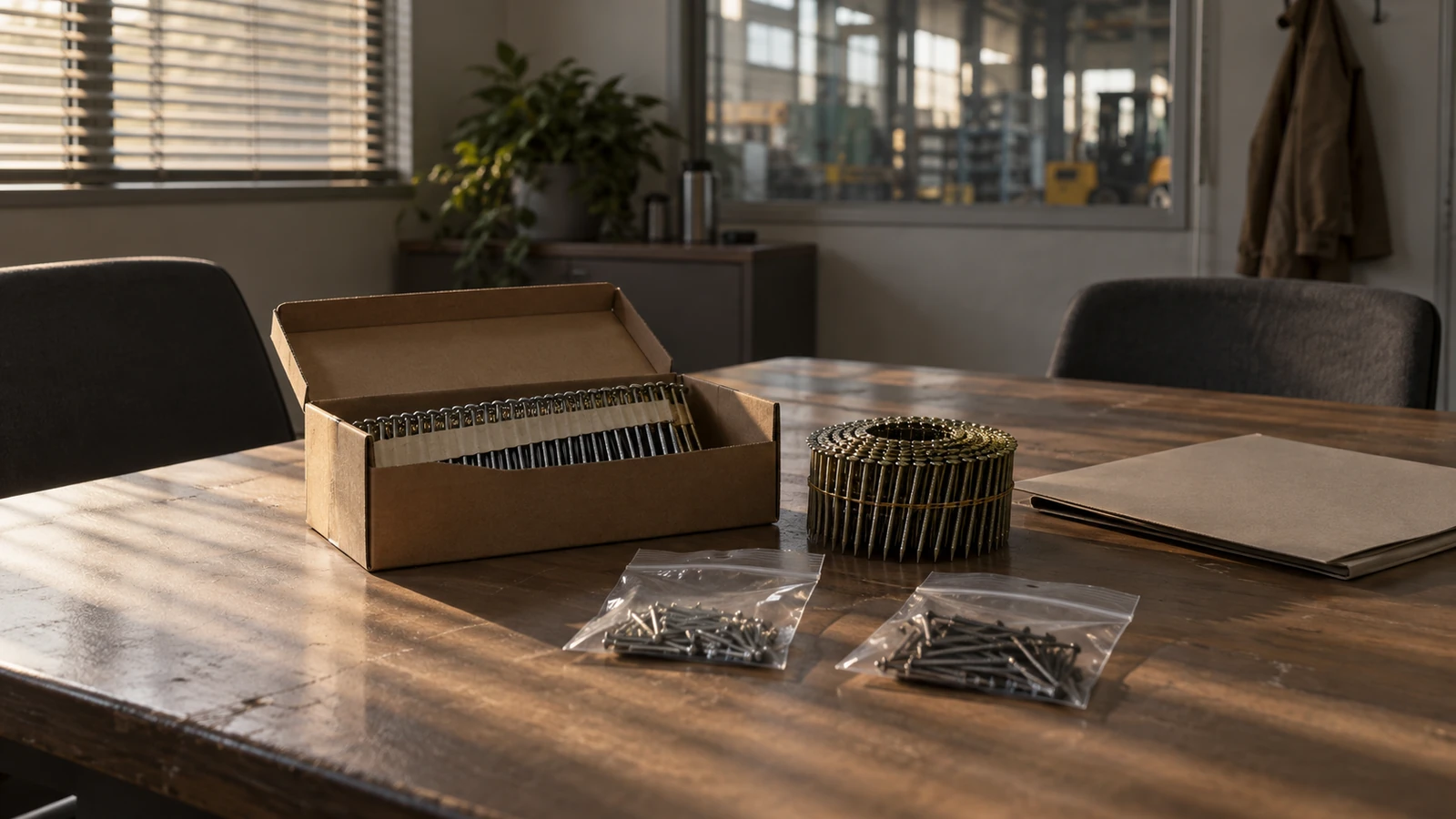
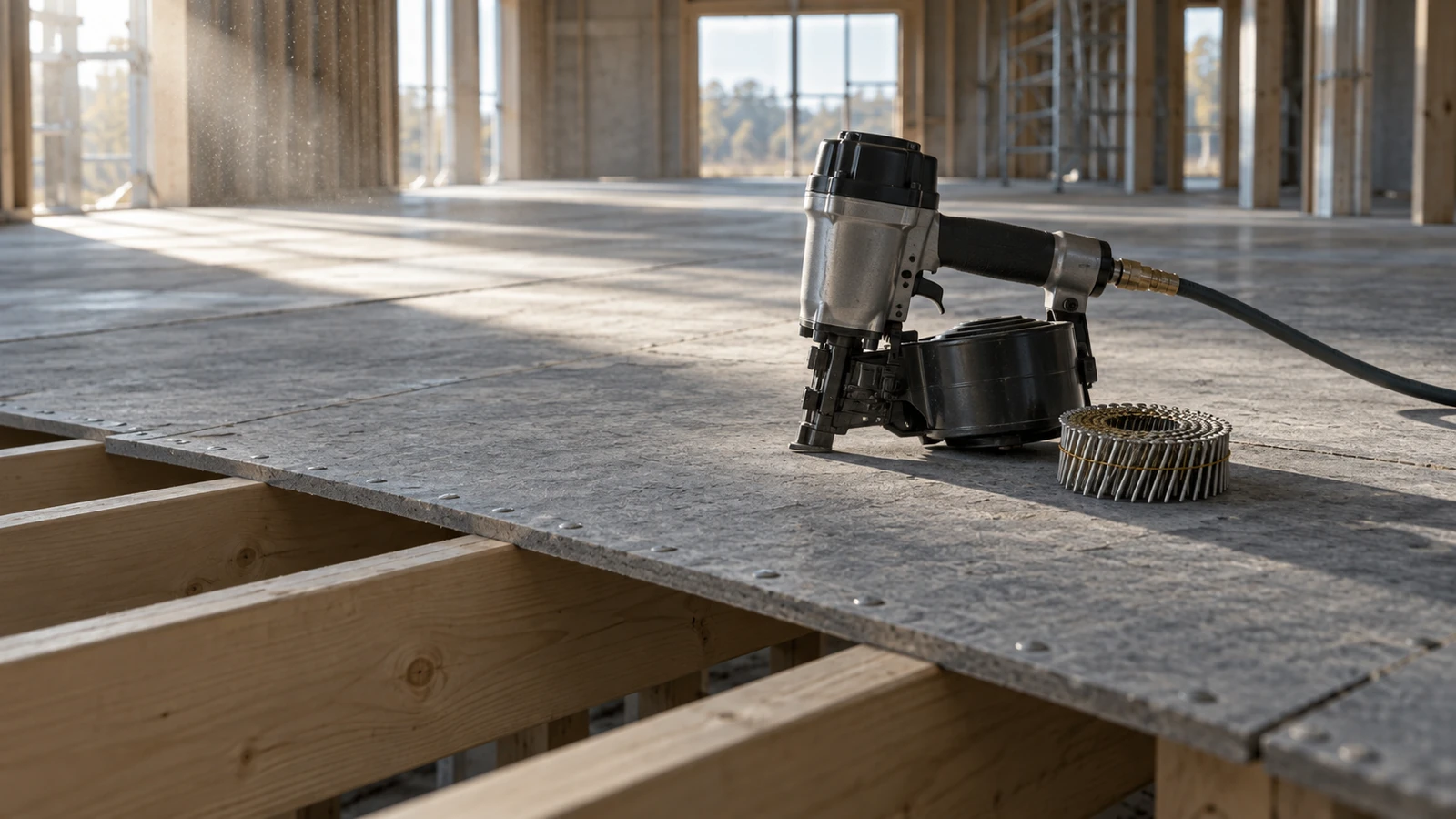
A good brad nails supplier is not just a place to place an order; it is where trim work either goes smoothly or turns into a cycle of split edges, proud fasteners, and callbacks. For woodworkers, cabinet shops, and finishing crews, the choice usually comes down to one thing: can the nails drive cleanly, hold securely, and disappear into the work with minimal cleanup? That is why buyers who need bulk brad nails tend to look beyond price alone and pay attention to fit, finish, and how the fasteners behave in a pneumatic brad nailer.
Brad nails are small, slender fasteners used for light interior woodworking tasks. In practice, they show up in cabinet parts, decorative trim, baseboards, casing, furniture assembly, and other shop-built components where a larger nail would be too aggressive. The narrow profile matters. It helps reduce surface damage and keeps the visible mark small, which is often the difference between a job that needs touch-up and one that looks clean straight off the gun.
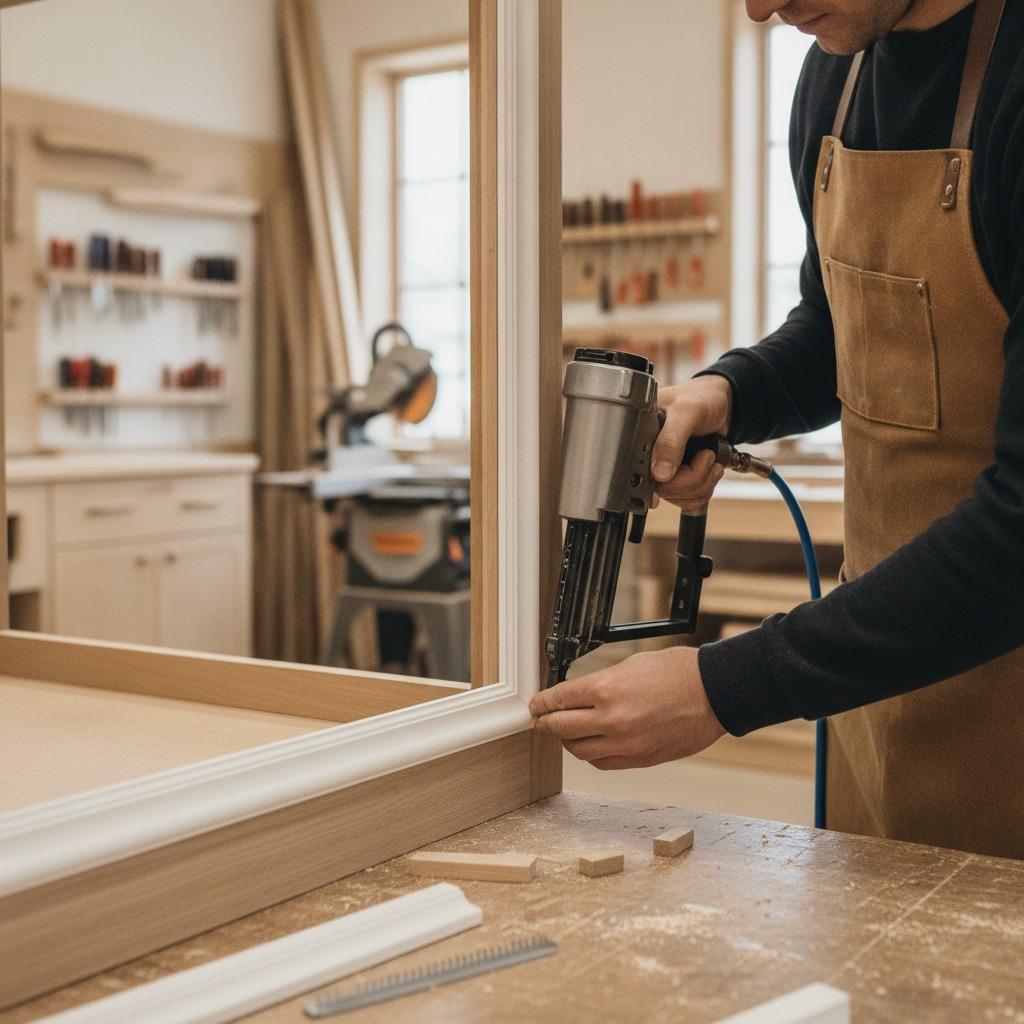
Why the Finish Matters More Than It Sounds
The product described here is a galvanized brad nail, which usually signals a corrosion-resistant finish on a metal fastener. That is a useful baseline, but buyers should still be careful about assumptions. Galvanized can mean different coating systems in different product lines, and the real-world performance depends on the coating, the storage conditions, and where the nails are used. For interior trim and furniture work, a corrosion-resistant finish is often enough. For harsher environments, it is worth confirming the exact suitability before you buy brad nails in bulk and build them into a workflow.
That caution matters because fasteners are easy to overlook until they fail. A trim carpenter may only see a few nails per board, but a procurement team sees the larger picture: repeatable feeding, low waste, fewer jams, and consistent holding power across batches. If any one of those is weak, the cost shows up later in labor rather than in the invoice line.
Quick Buyer Check: What to Compare
When comparing options from a brad nails supplier, the most useful questions are practical ones. Will the nails feed smoothly in a pneumatic brad nailer? Are they intended for precision trim fastening? Is the finish appropriate for the work environment? Does the product line cover the lengths or collation style your team actually uses? The answers matter more than a long feature list.
For shops that buy brad nails in bulk, consistency is often the deciding factor. One box that performs well is not enough; the real test is whether the entire batch behaves the same way from the first magazine load to the last. That is especially true in production settings, where a small deviation can slow the crew and force a machine reset in the middle of a run.
Where Brad Nails Fit in the Shop
Trim and molding
Fine fastening is the main job here. Brad nails help attach thin molding, casing, and decorative trim without leaving a large hole that needs heavy patching. In many cases, they are paired with glue, which means the nail is doing positioning and clamping more than brute-force structural work.
Cabinet and furniture assembly
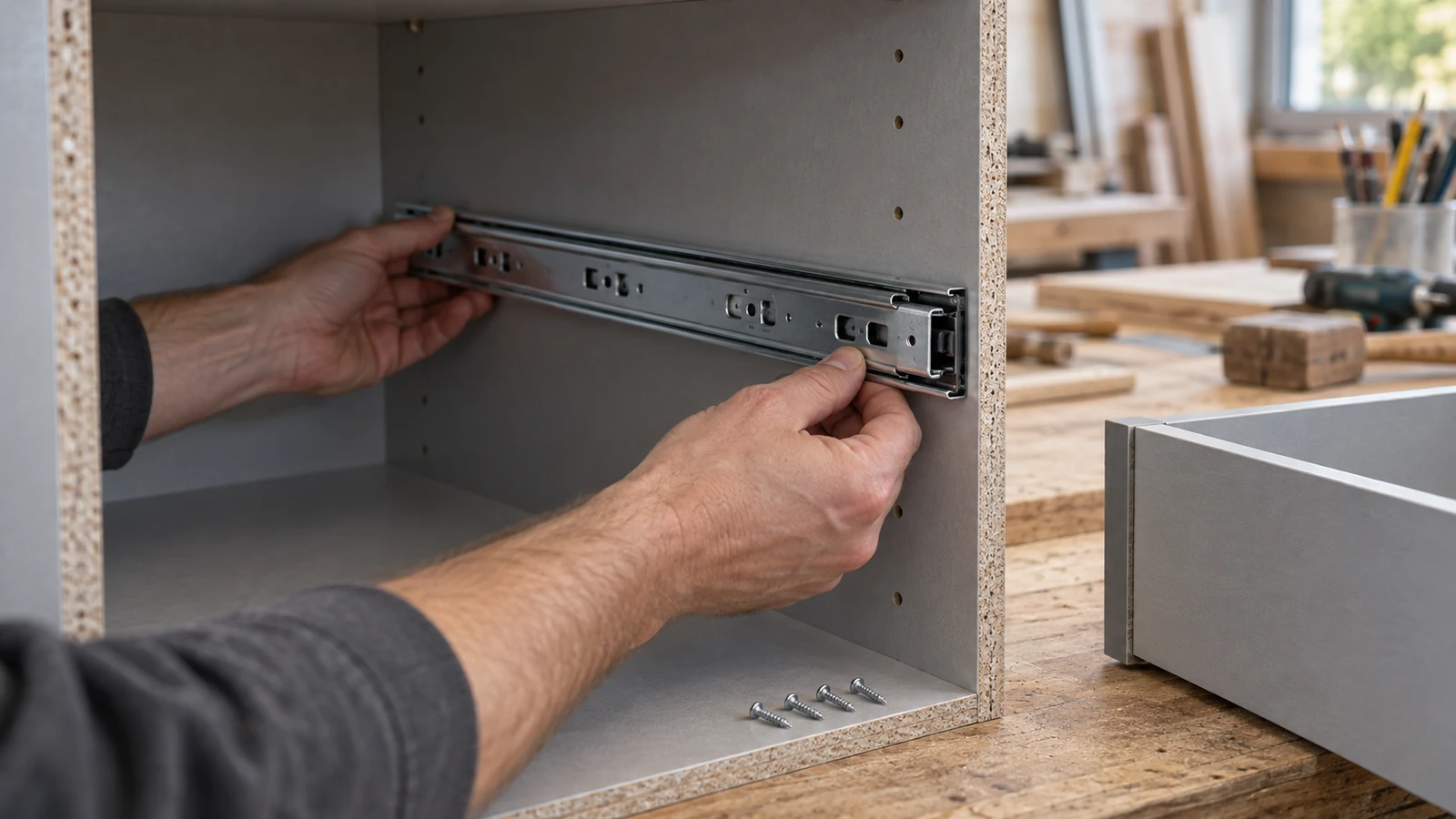
Cabinet makers use brad nails for backing pieces, face-frame support, and light assembly steps. Furniture shops rely on them for the same reason: they hold parts in place while adhesive cures, and they are less likely than larger fasteners to split narrow stock. That said, a brad nail is still a fastener, not a magic wand. Dense species, brittle edges, and awkward grain directions can still cause trouble if the setup is rushed.
Shop-built woodwork
In a small production shop, the right nails can save time across a dozen ordinary tasks. That is where bulk brad nails start to make sense. The point is not only lower unit cost. It is reducing interruptions, keeping the gun loaded with the same trusted consumable, and avoiding the odd mismatch that shows up when a substitute fastener behaves differently from the one the crew expects.
Common Mistakes Buyers Make
The first mistake is treating all small nails as interchangeable. They are not. A brad nail is selected for its slender geometry and light fastening profile, and if the dimensions or collation style do not match the tool, the job suffers. The second mistake is overbuying on price without checking compatibility. A pallet of fasteners that do not feed cleanly is not a bargain.
The third mistake is ignoring the actual application. Interior trim and cabinet work do not ask the same things of a fastener as outdoor or moisture-prone work. If your team needs only clean interior fastening, a galvanized finish may be enough; if the environment is more demanding, the specification deserves a second look. That is a detail buyers sometimes skip in a hurry, then regret later.
Practical Advice for Sourcing
Ask for the basics in plain language: intended tool compatibility, finish type, and the general application range. If a supplier cannot clearly explain how the nails are meant to be used, that is a warning sign. For teams placing recurring orders, it also helps to standardize one accepted fastener type for the most common trim and cabinet jobs. Fewer substitutions usually mean fewer surprises in the field.
If you are evaluating a brad nails supplier for ongoing work, look at how they talk about packaging, batch consistency, and the products they keep available for repeat purchase. The best-fit supplier is usually the one that makes reorder decisions simple. In manufacturing and finish carpentry, simplicity is not a luxury; it is how you keep crews moving.
FAQ
Are brad nails only for trim? No. They are common in trim, but also useful for cabinet parts, furniture assembly, and other light wood fastening tasks.
Why choose galvanized brad nails? The galvanized finish suggests improved corrosion resistance compared with plain steel, though the exact performance depends on the coating system and use case.
Why buy in bulk? Bulk brad nails can simplify purchasing, reduce changeovers, and help shops avoid interruptions during repeated production runs.
Next Step
If you are comparing suppliers, start with compatibility and application fit, then move to finish, packaging, and repeat-order consistency. That sequence saves more time than chasing the lowest quoted price. For anyone sourcing for trim crews or cabinet production, the right fastener is the one that disappears into the work and keeps the job moving.