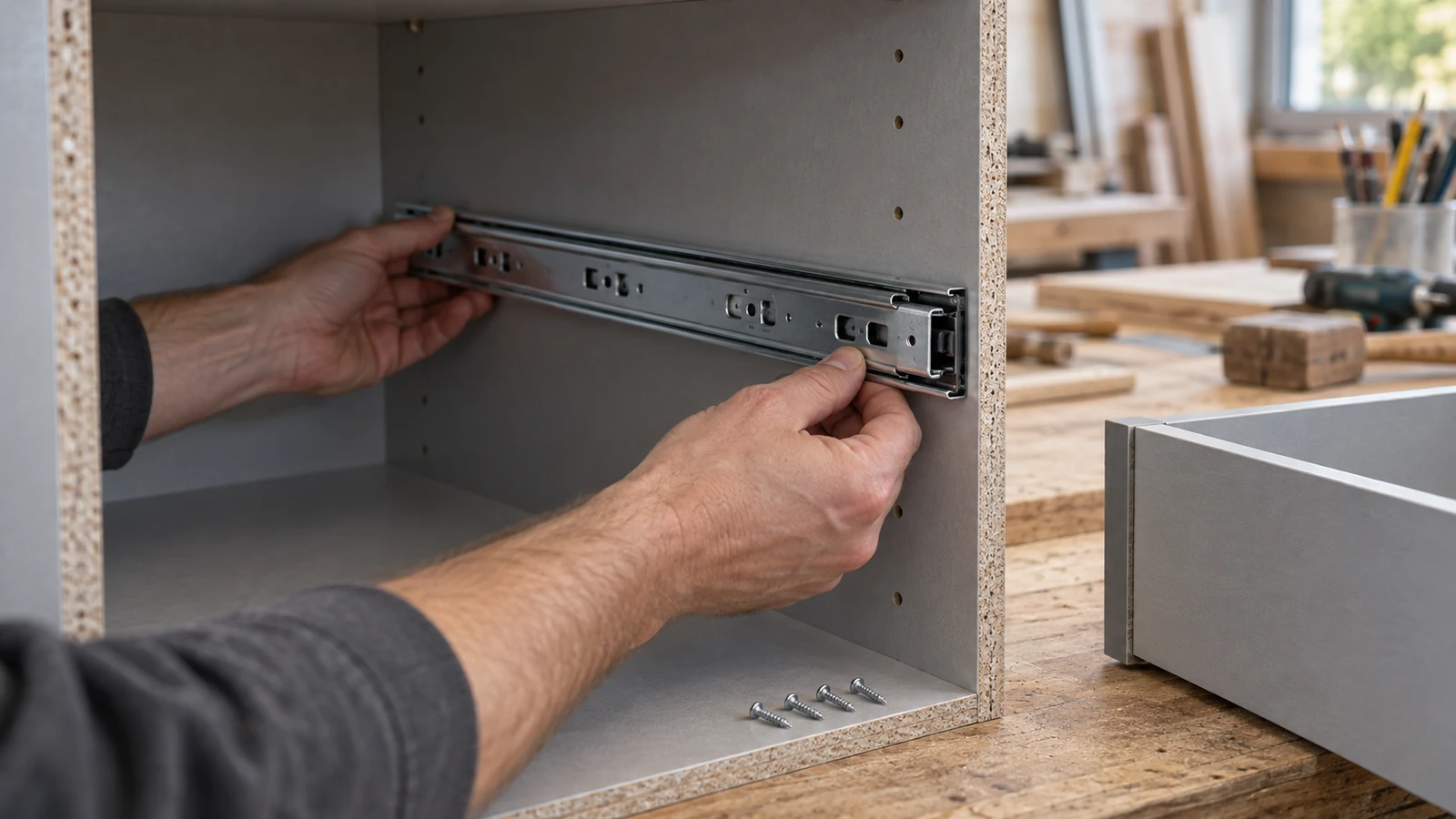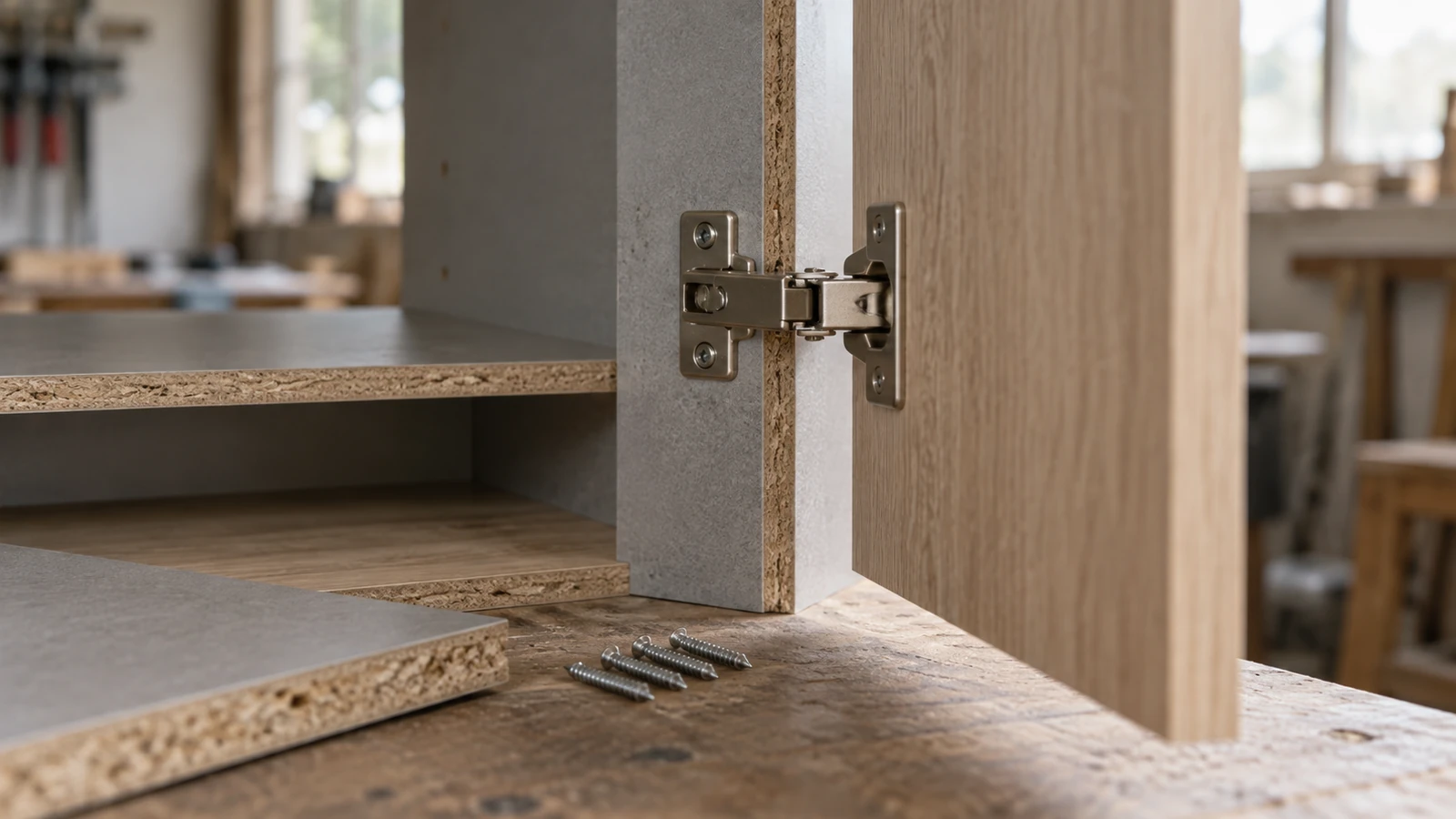

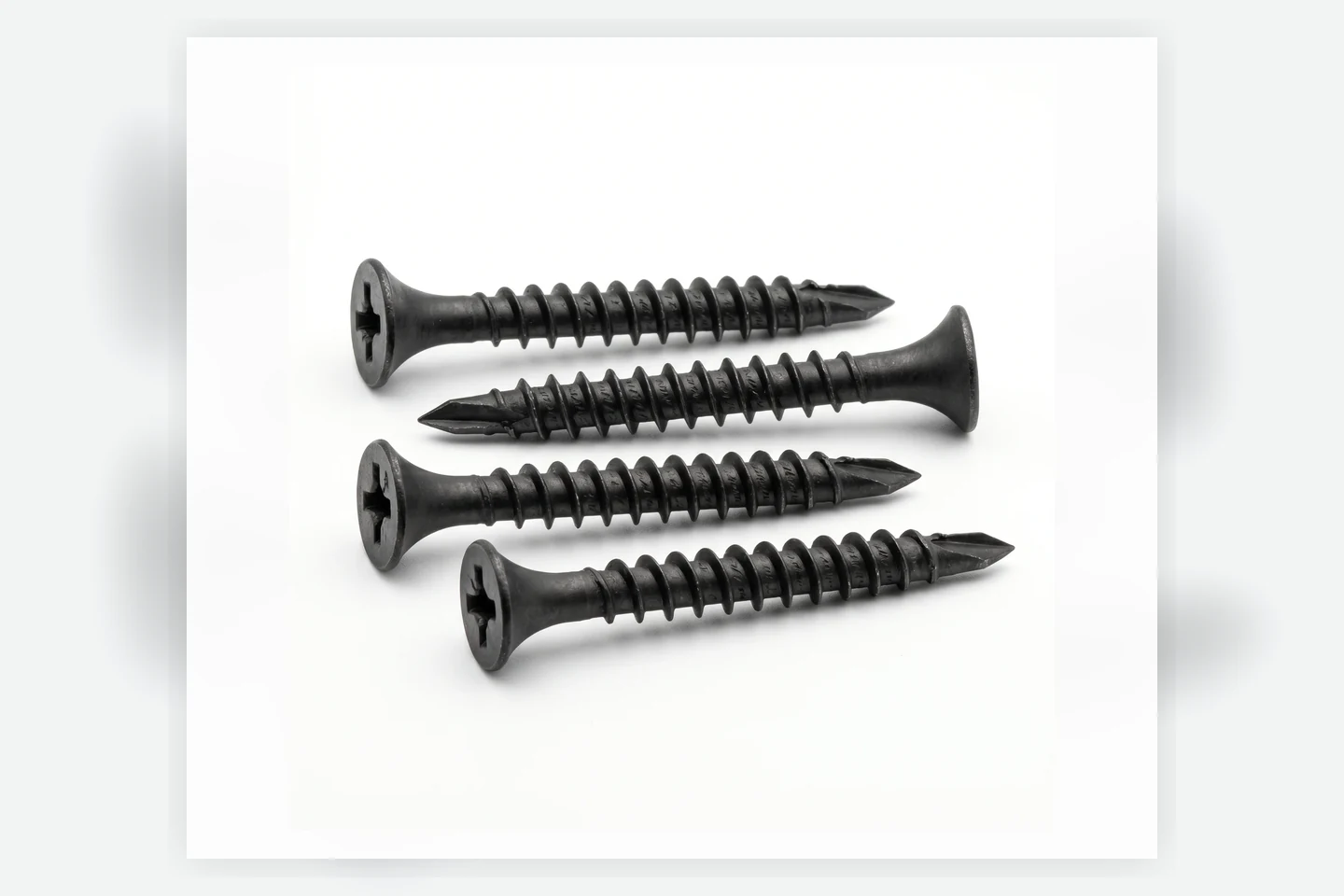
Bulk drywall screws should be purchased against a complete wall-system and packaging specification, not a photograph of a black screw. Buyers need to define the receiving framing, board layers, length, diameter or product designation, thread, point, head and recess, finish, driver bit, pieces per box, carton and pallet counts, labels, documents, and sample test.
ProAirNails recommends separating three decisions: which screw fits the application, which packed SKU can be controlled through distribution, and which supplier can repeat the approved result. This guide is for importers, distributors, building-supply buyers, contractors with centralized purchasing, and private-label programs.
Start with the receiving material
The words bulk drywall screws do not identify whether the receiving member is wood framing, light-gauge metal, a thicker metal layer, or another approved system. Thread form and point selection must match the intended receiving material and the applicable wall design. Board type, number of layers, total thickness, required penetration, head seating, spacing, and exposure conditions also affect the specification.
Coarse and fine thread are useful commercial categories, but they are not the complete approval. Confirm the exact product against project documents, applicable publications, and representative board-and-framing trials.
Define the buying family before the SKU
| Selection area | Buyer decision | Evidence required |
|---|---|---|
| Receiving member | Wood, light-gauge metal, layered metal, or specified alternative | Wall-system details and approved screw type |
| Length | Board layers plus required receiving engagement | Section detail and trial stack |
| Thread and point | Geometry suitable for the intended substrate | Product description, samples, entry test |
| Head and recess | Controlled seating without tearing the board face | Bit match, depth test, finished-surface rule |
| Finish | Specified surface treatment and service conditions | Quotation, relevant declaration or test when required |
Do not substitute a screw because it has the same color and length. Black phosphate, galvanized, or other descriptions must be tied to the product specification and environment; appearance alone does not establish composition or suitability.
Control head, recess, point, and straightness
In receiving inspection, compare the head profile, recess formation, point, thread consistency, straightness, finish appearance, and packaging condition with the retained control. A poorly formed recess can increase bit slip. A damaged point can delay entry. A bent screw can wobble. An inconsistent head can sit proud or damage the gypsum face.
The review should use a defined sampling plan and measuring method. It should not turn every visible variation into a defect without reference to the agreed specification and performance test.
Approve the screw in a representative wall stack
| Trial stage | Observe | Acceptance question |
|---|---|---|
| Bit engagement | Fit, wobble, cam-out, recess damage | Does the approved bit maintain controlled axial drive? |
| Entry | Point skating, time to pierce, flange movement | Does the screw enter the specified receiving material? |
| Thread engagement | Spinning, stripping, movement, pull-up | Does the screw develop the required system result? |
| Head seating | Proud head, torn paper, overdrive, board depression | Can depth be controlled without damaging the face? |
| Removal/rework | Recess condition, broken head, damaged opening | Is the approved correction process practical? |
Use the intended board, framing, layers, bit, driver, support, and operating method. Record clean as well as failed drives. One successful screw cannot establish the variation of a carton; one failure cannot identify the cause without checking the bit, tool, material, alignment, and screw.
Plan carton quantities from handling and inventory
Pieces per small box affect jobsite handling and distributor picking. Master-carton count affects weight, damage risk, pallet stability, container planning, and warehouse ergonomics. Confirm whether quoted quantities are nominal or verified, how counts are controlled, and how partial boxes or mixed SKUs are prevented.
For bulk drywall screws, request the gross and net weight basis, box dimensions, carton dimensions, pallet pattern, cartons per pallet, pallet height, moisture protection, label fields, barcode, and lot code. Test a complete packed sample through realistic transport and warehouse handling when packaging is new.
Prevent SKU and label errors
Drywall screw ranges often contain similar lengths, thread descriptions, finishes, and box designs. Use a buyer SKU, supplier SKU, plain-language product name, length, thread/point family, finish, piece count, lot, and barcode on controlled artwork. Make the critical difference visible on more than one carton face.
Private-label approval should include digital artwork, printed proof, physical packed sample, barcode scan, master-carton label, pallet label, and language review. Keep revision history so old artwork cannot quietly return during a repeat order.
Review supplier evidence and traceability
Ask how incoming material and finished screws are identified, how dimensions and visual features are checked, how heat treatment or finishing is controlled when applicable to the product, how counts are verified, and how nonconforming material is segregated. Request records relevant to the exact SKU.
ProAirNails does not use this article to claim one universal material, heat-treatment value, coating thickness, capacity, certification, or standard compliance for every drywall screw. Those facts must be confirmed in the product-specific quotation and supporting documents.
Calculate landed and failure cost
Compare price per thousand or per piece on the same count basis. Add inner boxes, master cartons, pallets, freight, duty, finance, inspection, warehouse handling, breakage, count shortages, sorting, line or jobsite delay, emergency replacement, and customer returns. A heavier carton may appear efficient but increase damage or handling cost.
Set a receiving plan before shipment. Check labels and quantity first, then package damage, rust or moisture evidence, mixed products, dimensional controls, representative drive performance, and document completeness. Define what is held, released, sampled further, or reported to the supplier.
Create a repeat-order change rule
The buyer should receive notice before changes to controlled material description, dimensions, thread, point, head, recess, finish, process route, box count, carton, artwork, production site, or inspection method. Decide which changes require new documents, samples, wall-stack trials, or complete reapproval.
For long-running bulk drywall screws programs, compare retained samples and performance trends rather than assuming every reorder matches the first one. Use complaint data to improve the specification, not only to negotiate replacement cartons.
Release each bulk order with a short checklist
Before shipment, connect the commercial order to the approved technical and packaging records. A practical release for bulk drywall screws should confirm:
- Current product specification and approved sample code
- SKU quantities, box counts, master-carton counts, and pallet plan
- Artwork, barcode, language, lot code, and destination marks
- Required inspection or test records and document revision
- Change declarations and approved exceptions
- Shipment date, partial-shipment status, and receiving contact
The checklist does not replace inspection. It prevents a technically approved screw from being released in the wrong count, carton, label, or revision.
Use standards and industry guidance precisely
The ASTM C1002 standard page is a relevant starting point for steel self-piercing tapping screws used with gypsum panel products, subject to its actual scope, applicable edition, and contract. The Gypsum Association's GA-216 publication page provides application-and-finishing guidance. Buyers must follow the project design, code, system listing, and current applicable requirements.
These references should be cited accurately. They do not mean that every black screw or every ProAirNails SKU automatically meets every project condition.
Request a ProAirNails bulk quotation
Review the ProAirNails drywall screws range, compare the broader screw category, and examine chipboard screws only for their intended applications rather than as an automatic substitute. Send the wall stack, requested SKUs, annual demand, box/carton plan, destination, artwork, documents, and sample test through the ProAirNails inquiry page.
A controlled bulk drywall screws program connects the specified wall system to the exact screw, packed SKU, receiving plan, and repeat-order evidence.
FAQ
What should I specify when buying drywall screws in bulk?
Specify receiving material, board layers and thickness, screw designation, length, thread, point, head, recess, finish, bit, piece counts, packaging, labels, documents, and sample test.
Are coarse and fine thread drywall screws interchangeable?
No. They are commonly associated with different receiving materials and systems. Follow the approved wall design and validate the exact screw in the intended framing.
How should I compare bulk quotations?
Normalize price per piece or thousand, packing counts, freight basis, pallet quantity, documents, samples, lead-time start point, landed cost, and failure risk.
Why does carton quantity matter?
It affects count accuracy, jobsite handling, distributor picking, carton weight, pallet stability, warehouse ergonomics, freight efficiency, and shortage claims.
What causes a drywall screw head to sit proud?
Possible factors include depth control, bit fit, driver alignment, screw geometry, framing contact, board movement, tool condition, or an unsuitable screw-system combination.
Does black phosphate mean the screw fits every drywall job?
No. Finish appearance does not determine thread, point, receiving material, corrosion suitability, system approval, or project compliance.
What should a receiving inspection check?
Check labels, counts, carton condition, moisture or rust evidence, mixed SKUs, representative dimensions and features, documents, and controlled drive performance.
When do private-label cartons need reapproval?
Reapprove after changes to product, counts, dimensions, thread/point, finish, barcode, language, claims, carton, legal information, or other controlled artwork.
Can chipboard screws replace drywall screws?
Do not substitute by appearance. Each screw family should be used only when the application design, receiving material, tool, and applicable requirements approve it.
What information does ProAirNails need for an RFQ?
Send the wall-system details, screw schedule, quantities, packing and pallet plan, destination, artwork, required documents, current sample if replacing a product, and approval method.