
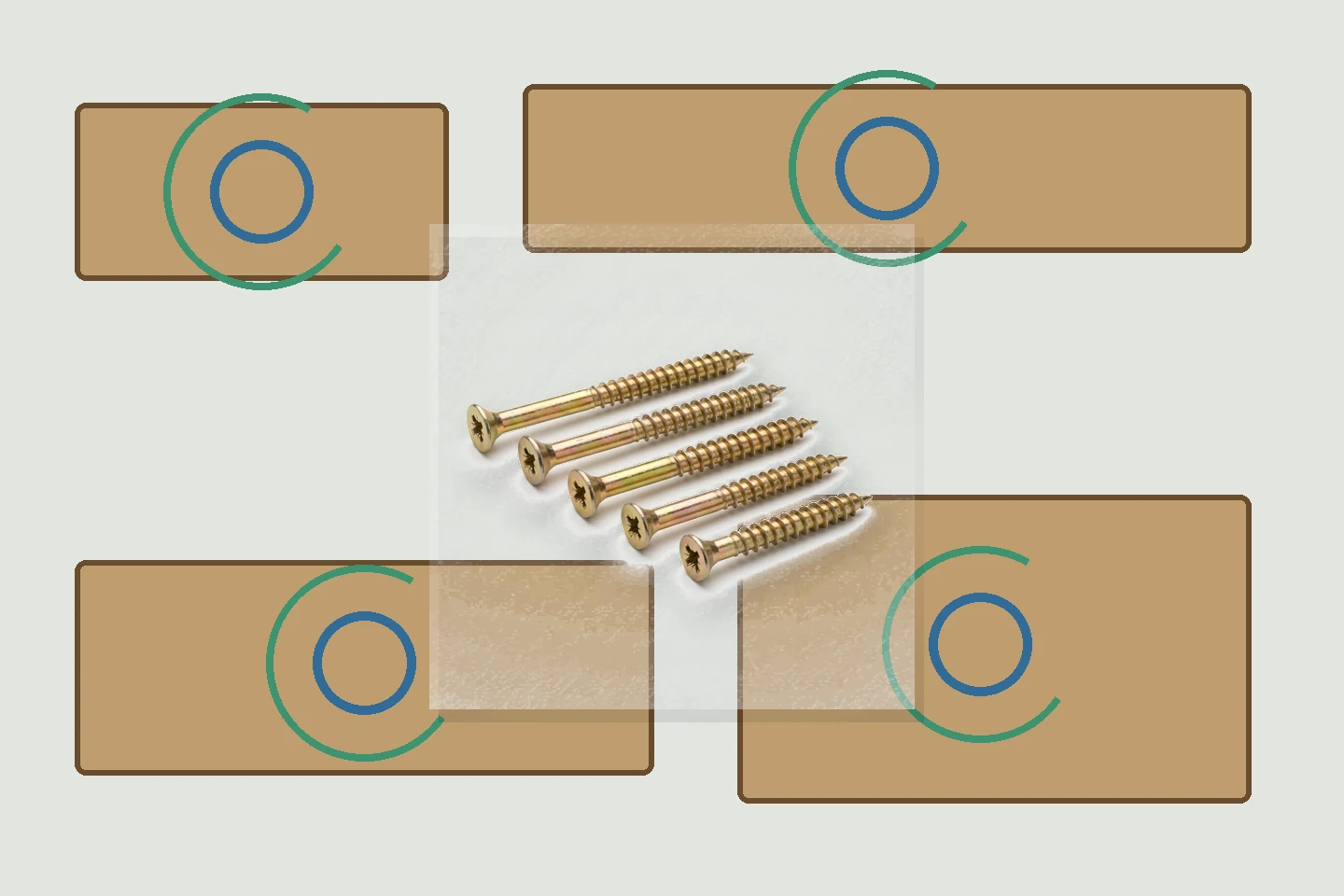
Evaluate chipboard screws for flat pack furniture through the complete user cycle: packaging, identification, first assembly, loaded use, disassembly where intended, moving, and reassembly. A screw that seats once on a factory fixture may not protect the board or guide a real user through the intended lifecycle.
ProAirNails recommends defining whether reassembly is a design requirement before testing. If it is not intended, instructions and service policy should say so rather than imply unlimited cycles.
Freeze the joint and user promise
Record board type, density, thickness, coating, edge distance, pilot or formed hole, mating part, screw dimensions, head, recess, thread, point, finish, driver, target seating, and design load. State the expected number of assembly cycles and allowed replacement parts.
Separate first assembly from reassembly
| Stage | Observe | Decision |
|---|---|---|
| First insertion | Alignment, drive, seating, damage | Assembly usability |
| Loaded use | Movement, loosening, board response | Qualified product test |
| Removal | Recess damage, thread debris, hole change | Disassembly control |
| Reassembly | Engagement, seating, stripping, stability | Cycle acceptance |
Keep results by joint location. A broad panel center and a narrow board edge do not share the same damage margin.
Build a realistic assembly panel
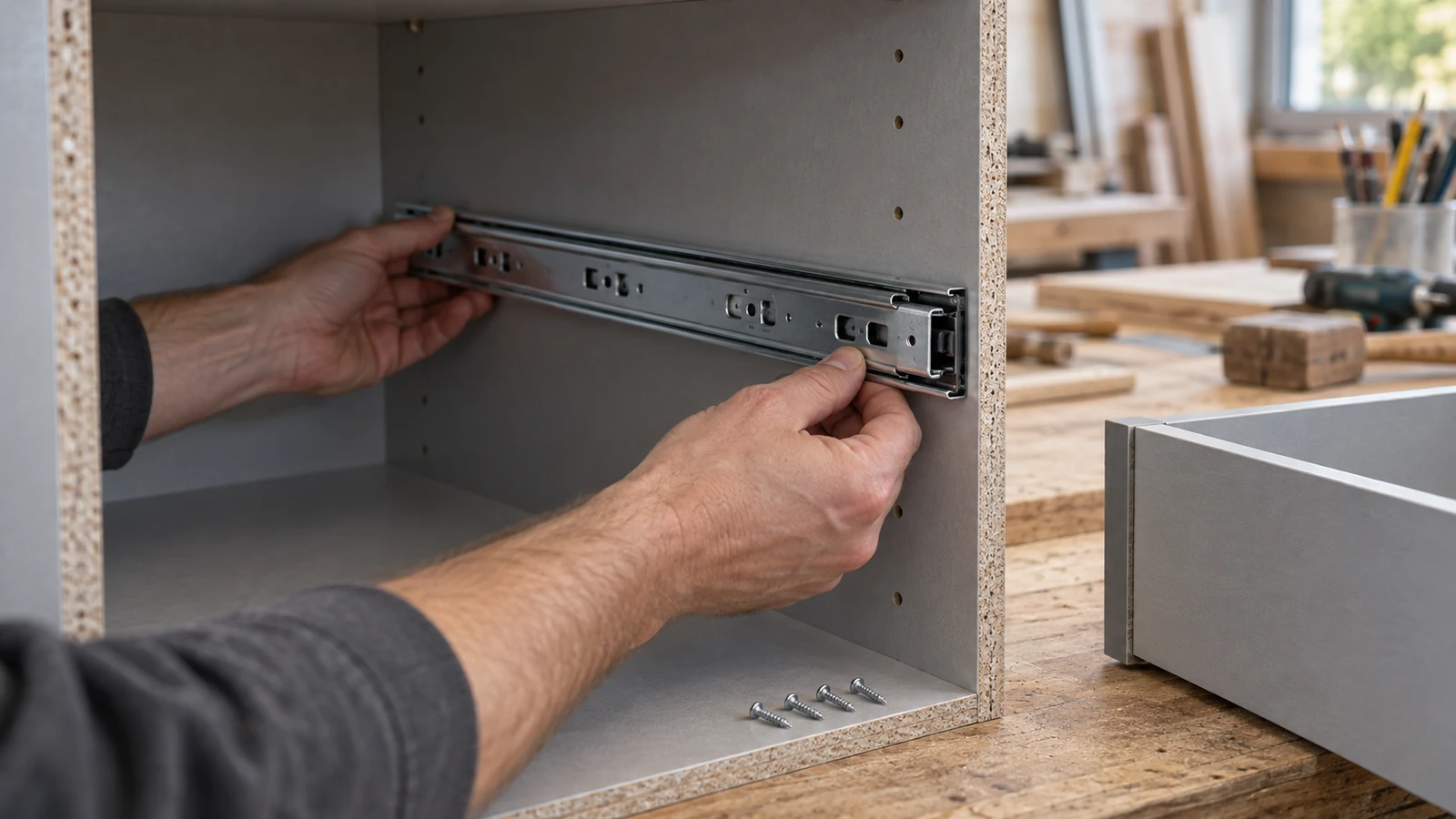
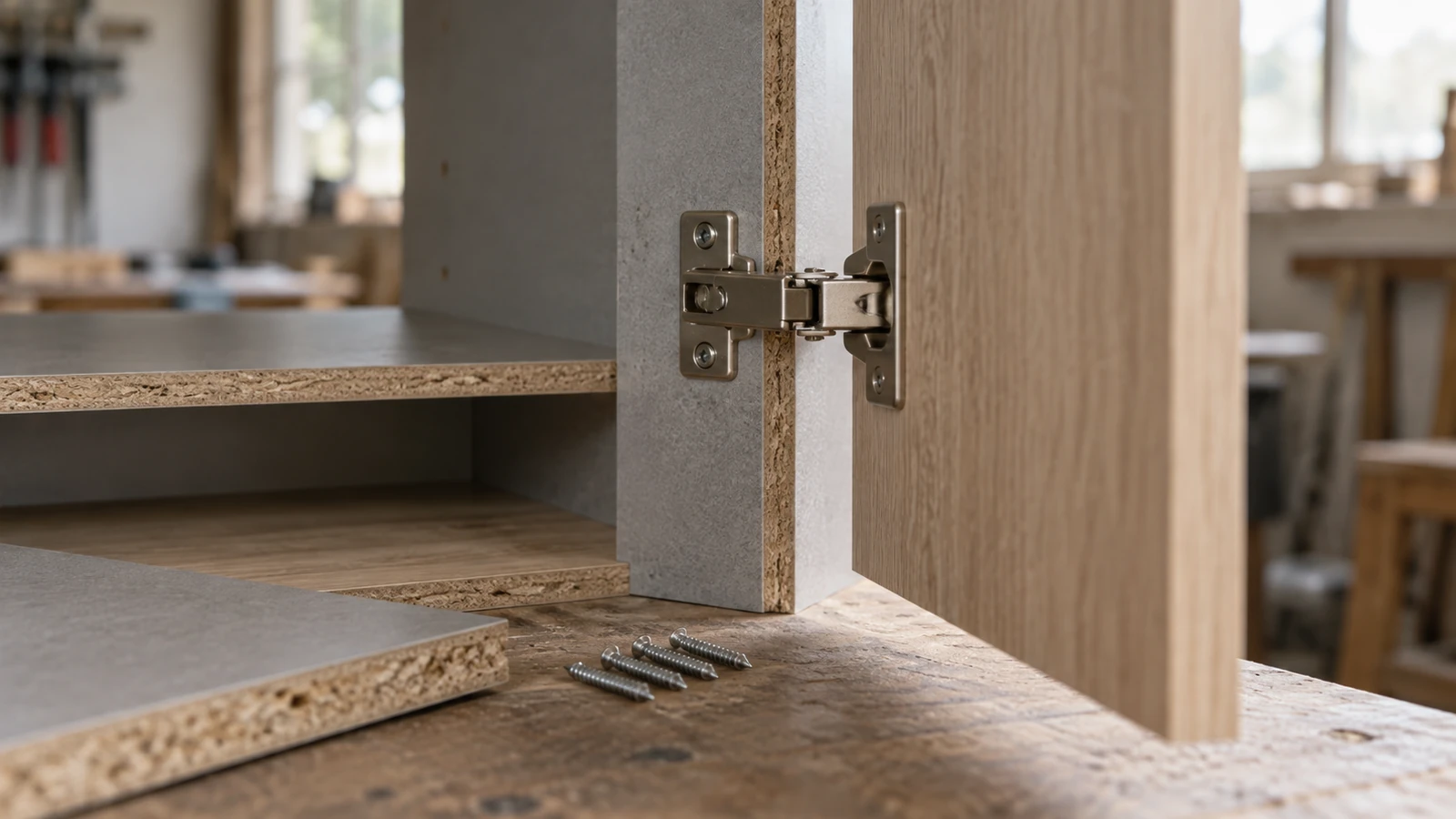
Include representative corners, shelves, backs, hinges or brackets, concealed joints, narrow edges, and restricted driver access. Use production holes and hardware, not specially prepared demonstration pieces.
Test the intended hand tool, bit, powered driver, clutch guidance, and instruction sequence. Add reasonable user variation without unsafe misuse.
Score board damage after each cycle
| Damage signal | Method | Cycle effect |
|---|---|---|
| Surface lift | Visual profile and scale | Appearance or fit |
| Edge split | Location and length | Reduced margin |
| Hole enlargement | Controlled comparison | Lower engagement |
| Thread debris | Collect and classify | Board material loss |
| Recess damage | Driver engagement check | Removal difficulty |
Retain parts and photographs by cycle, screw lot, board lot, tool, and operator. Do not force a stripped joint to pass with glue or a larger screw unless that is an approved repair route.
Define seating without overdriving
Specify proud, flush, or controlled recess by joint. Observe clamp-up, component alignment, head bearing, coating damage, spin-out, and board crushing. Where torque is relevant, use a qualified method and instrument rather than an uncontrolled driver display.
Test instructions and hardware identification
- Match screw code to every assembly step.
- Differentiate nearby lengths and diameters.
- Verify piece counts and spare policy.
- Test diagrams at real joint access.
- Prevent wrong-fastener insertion into vulnerable locations.
Ask unfamiliar users to assemble a controlled sample while observers record hesitation, errors, tool angle, sequence, and correction.
Challenge packaging and delivery
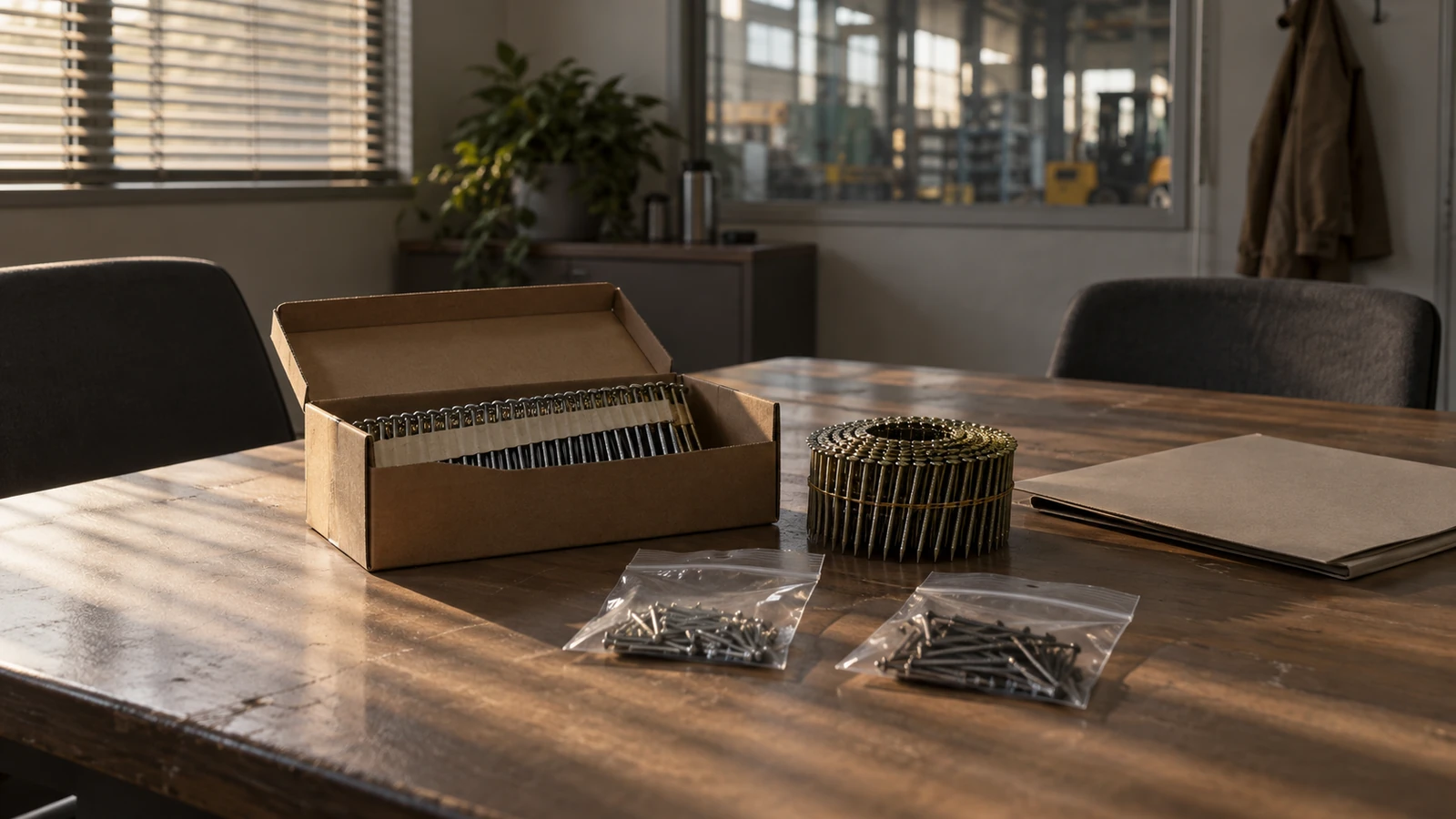
Check hardware bags, compartments, labels, abrasion, corrosion protection, mixed screws, shortages, and panel contact damage after representative handling. Confirm that small parts remain identifiable when the consumer opens the pack.
For international supply, use the ICC Incoterms rules resource to define the rule, place, version, and responsibilities.
Control the production configuration
Specify material, dimensions, head, recess, thread, point, finish, sorting, pack, label, lot, and production route. Link approved screw samples to the exact board, hole, hardware, driver, and cycle test. Define relevant changes that require buyer notice.
Set a sample plan by joint consequence
Include enough panels to represent factory and cut edges, multiple board lots, each critical hardware type, restricted access, and the claimed assembly cycles. Use ordinary packed screws from several boxes. Increase the sample for joints whose failure could destabilize the product or remain hidden after assembly.
The plan for chipboard screws for flat pack furniture should define failure counts, affected-lot boundaries, retest rules, and release authority before results are known. Review related ProAirNails fastening options when the assembly uses more than one fastener family.
Learn from returns without guessing the cause
For complaints, retain screw, panel, hardware, instructions, pack identity, photographs, and the user's reported sequence where available. Compare with retained samples and controlled cycle tests. Separate wrong-part selection, instruction ambiguity, board damage, driver misuse, transport, and screw variation.
Reorder approval for chipboard screws for flat pack furniture should include complaint rates, missing or mixed hardware, assembly errors, stripped joints, replacement demand, and corrective-action effectiveness. ProAirNails can review these details through the inquiry page.
Use material references carefully
The USDA Forest Products Laboratory Wood Handbook provides useful wood-product context, but it does not approve a particular flat-pack joint. Qualified product testing and engineering remain necessary.
State the cycle test limitation
A controlled cycle cannot represent every consumer, move, overload, humidity exposure, or board lot. It establishes a defined boundary, not a guarantee of unlimited assembly. Monitor returns and reopen the joint after relevant change.
Build a ProAirNails screw test pack
Review ProAirNails pneumatic fasteners and related product options, then send joint drawings, board, holes, hardware, drivers, cycles, volume, and packaging through the inquiry page. Include current samples where available.
Suitable chipboard screws for flat pack furniture should survive the lifecycle promised to the user without hiding progressive board damage.
FAQ
Why test more than first assembly?
Removal and reassembly can damage the recess, enlarge the hole, remove board material, reduce engagement, or change seating.
How many assembly cycles are required?
The product owner must define a realistic intended lifecycle; the test should not imply unlimited cycles without evidence.
Which board properties should be recorded?
Record board type, density, thickness, surface, edge, moisture condition, hole preparation, production lot, and relevant variation.
What screw damage should be inspected?
Inspect head, recess, coating, straightness, thread, point, debris, driver engagement, and any deformation after each cycle.
What board damage matters?
Track surface lift, edge splitting, hole enlargement, crushing, thread debris, breakout, movement, and loss of component alignment.
Should user instructions be tested?
Yes. Instructions, codes, drawings, tools, access, counts, and error recovery influence whether the correct screw reaches each joint.
How can similar screws be separated?
Use unique codes, clear dimensions, distinct packaging compartments, labels, controlled counts, and assembly-step references.
What should packaging validation include?
Include handling, vibration or other qualified exposure, bag integrity, mixing, shortages, corrosion, abrasion, labels, and panel contact.
When should joint approval be reopened?
Review changes to screw, board, hole, hardware, driver, instructions, pack, site, process, cycle promise, or acceptance rules.
What belongs in a flat-pack inquiry?
Send joint drawings, board data, hardware, screw sample, tools, cycle target, loads, volumes, packaging, destination, and known failures.