
Buying Fasteners in Bulk: Why the Wrong Choice Costs More Than the Box Price
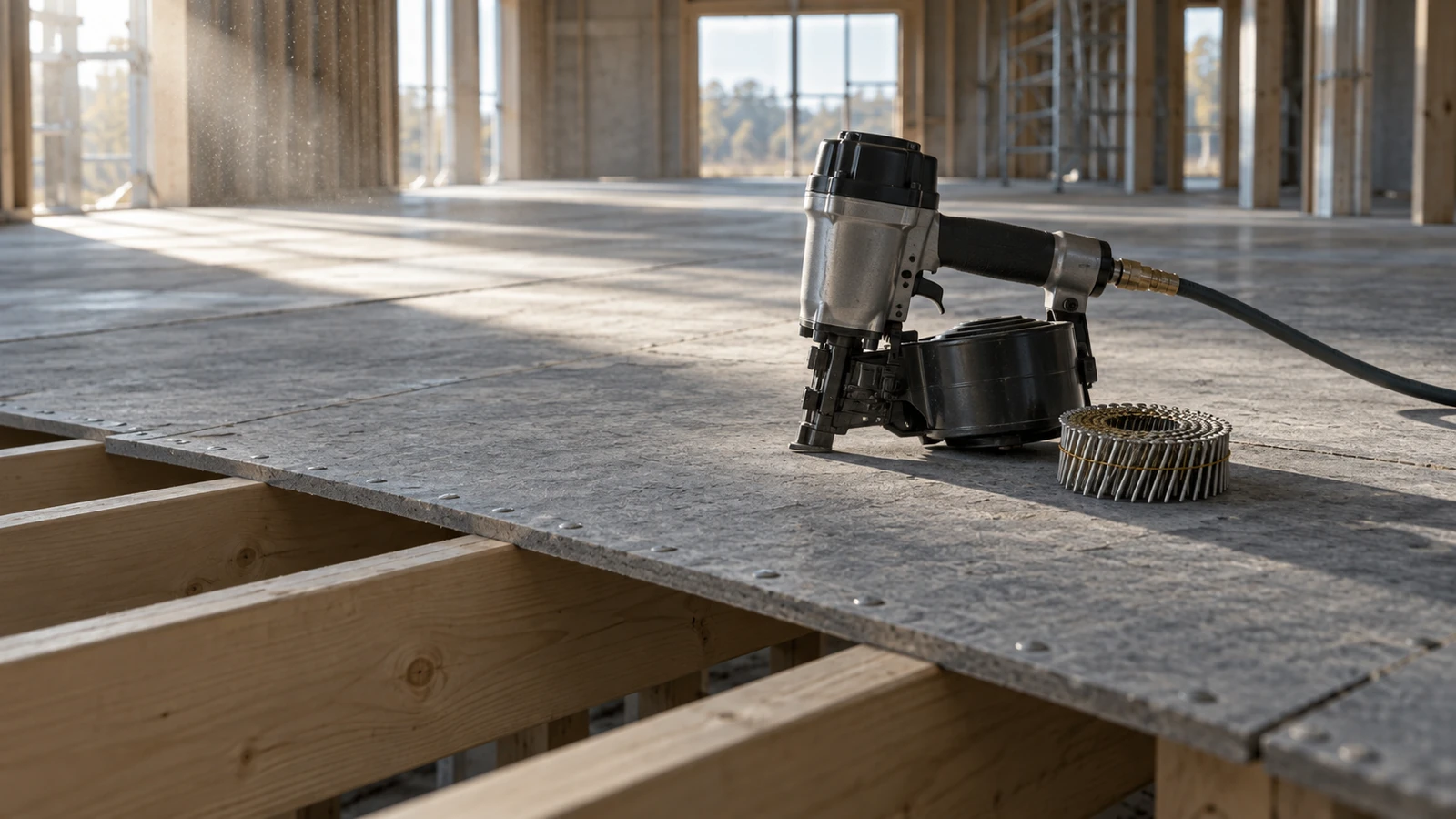
If you are sourcing coil nails bulk, the temptation is to treat all collated fasteners as interchangeable. That is where projects get expensive. The wrong nail type can slow production, jam tools, bruise material, or simply fail to meet the demands of framing and sheathing work once the crew is on site. For engineers and procurement teams, the real question is not just what the fastener costs, but whether it feeds reliably, drives cleanly, and matches the substrate.
In practice, buyers often compare coil framing nails against collated coil nails from the standpoint of tool compatibility, coating, and holding performance. Those details matter more than the headline price, especially when the job involves large volumes, repeat installations, or mixed framing conditions. A few cents saved on a box can disappear quickly if the fastening line keeps stopping.
What the product form tells you
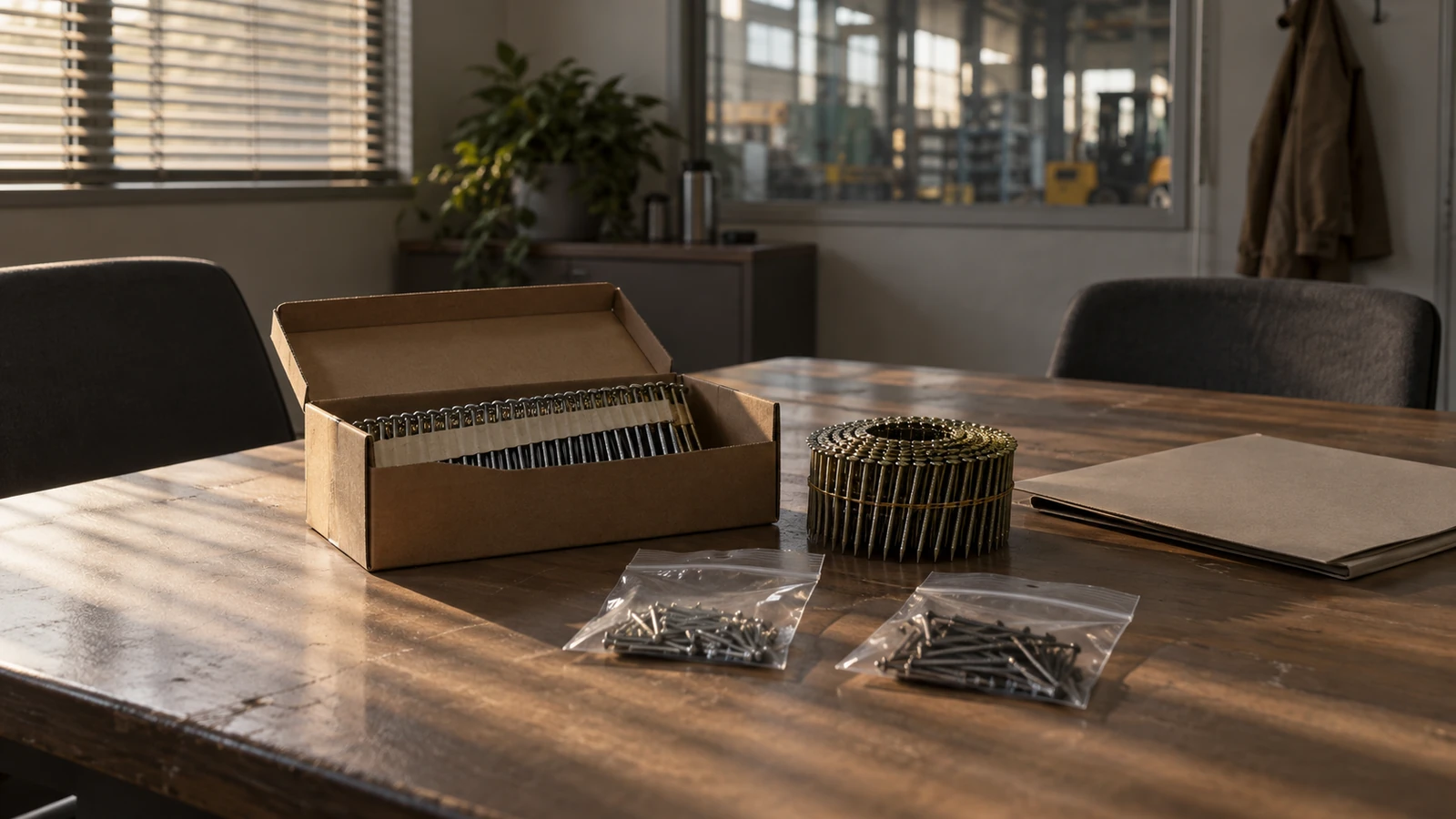
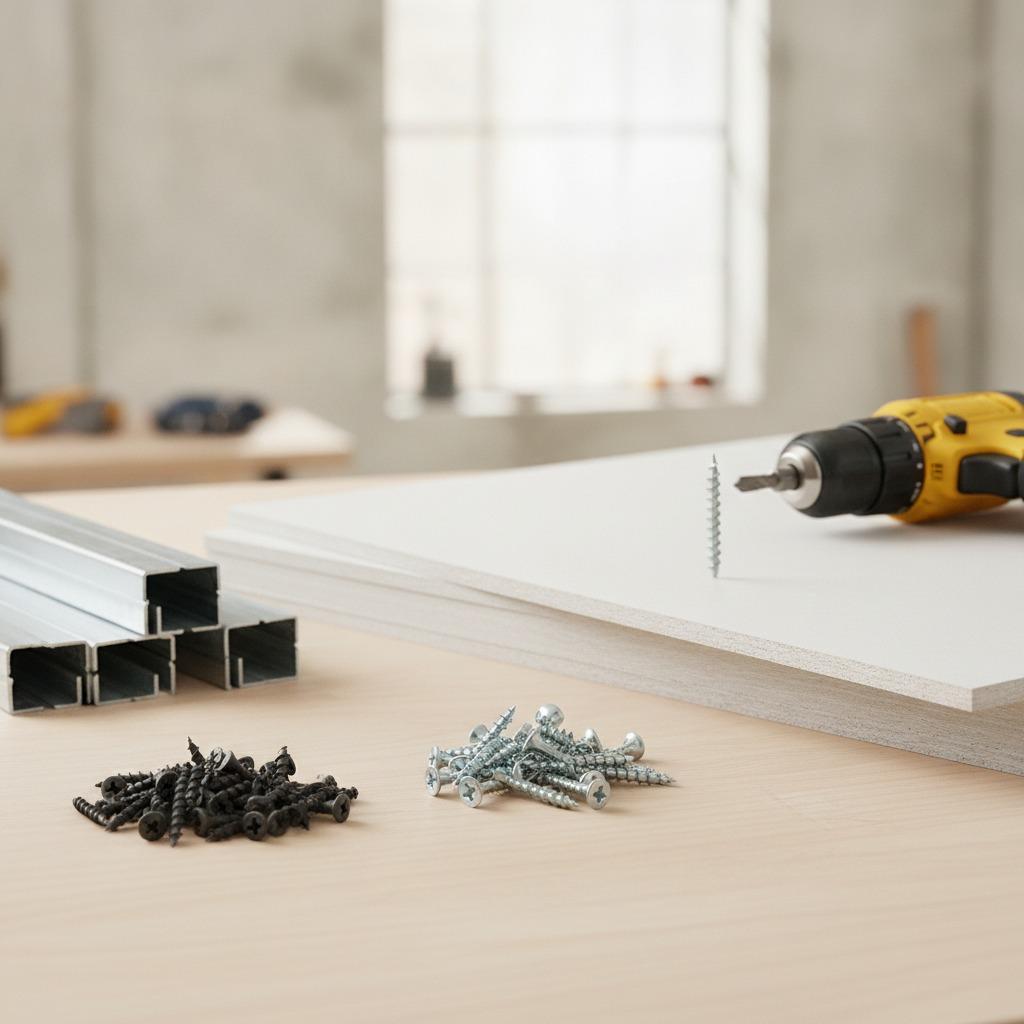
The fasteners shown here are drywall screws rather than nails, which is worth stating clearly because buyers sometimes lump all collated construction fasteners into one bucket. The visible parts point to cold-formed steel screws with Phillips-style recess heads, sharp tips, and bugle-shaped heads designed to sit flush in board surfaces. Two finishes are visible: a dark black-coated group and a bright silver group that appears zinc-like or galvanized-like, though the exact coating cannot be confirmed from the image alone.
That difference matters. In interior buildouts, finish selection often signals intended use, corrosion resistance expectations, and even the installer’s preference for screw visibility during inspection. Black phosphate-coated screws are commonly associated with drywall work, while bright plated screws are often chosen where a cleaner surface appearance or a different level of corrosion protection is preferred. The right choice depends on the board, the framing, and the environment.
Why bulk buying is attractive, and where it goes wrong
Bulk procurement makes sense when the fastening pattern is repetitive and the installation method is stable. Drywall, partition walls, and general light-duty board fixing all favor predictable consumption. The savings come from fewer purchasing events, reduced packaging waste, and more consistent supply to the jobsite or production line.
But bulk buying also increases the risk of mis-specification. A screw can look fine in a sample tray and still perform poorly in real use if the head geometry, thread form, or coating does not suit the application. That is especially true when drywall is being attached to metal studs or light-gauge framing, where drive behavior is as important as holding power. A screw that cams out or strips too easily can slow an entire crew.
Quick comparison: what to check before ordering
Head and drive
Bugle heads are used to seat the fastener flush without tearing the board surface. Cross-drive heads are common and familiar, but they still need the right driver bit and consistent torque control.
Finish
Black phosphate-coated screws are widely used for drywall applications. Bright zinc or galvanized-like finishes may be chosen for certain interior fastening tasks, though the actual coating should always be verified with the supplier.
Thread style
The visible coarse-threaded screws are suited to board fastening and light construction tasks. For metal framing, thread choice affects grip and installation speed, so it is not a detail to gloss over.
Intended substrate
Drywall-to-metal stud installation is not the same as wood framing or general assembly. Make sure the screw is matched to the board thickness and the framing material.
Common buyer mistakes
The first mistake is assuming all fasteners labeled for construction will perform the same way in a collated system. The second is overlooking finish compatibility with the project environment. The third, and perhaps the most common, is ordering on appearance alone. A dark-coated screw may look like the right drywall product, but unless the dimensions and thread engagement match the job, it is just inventory sitting in a warehouse.
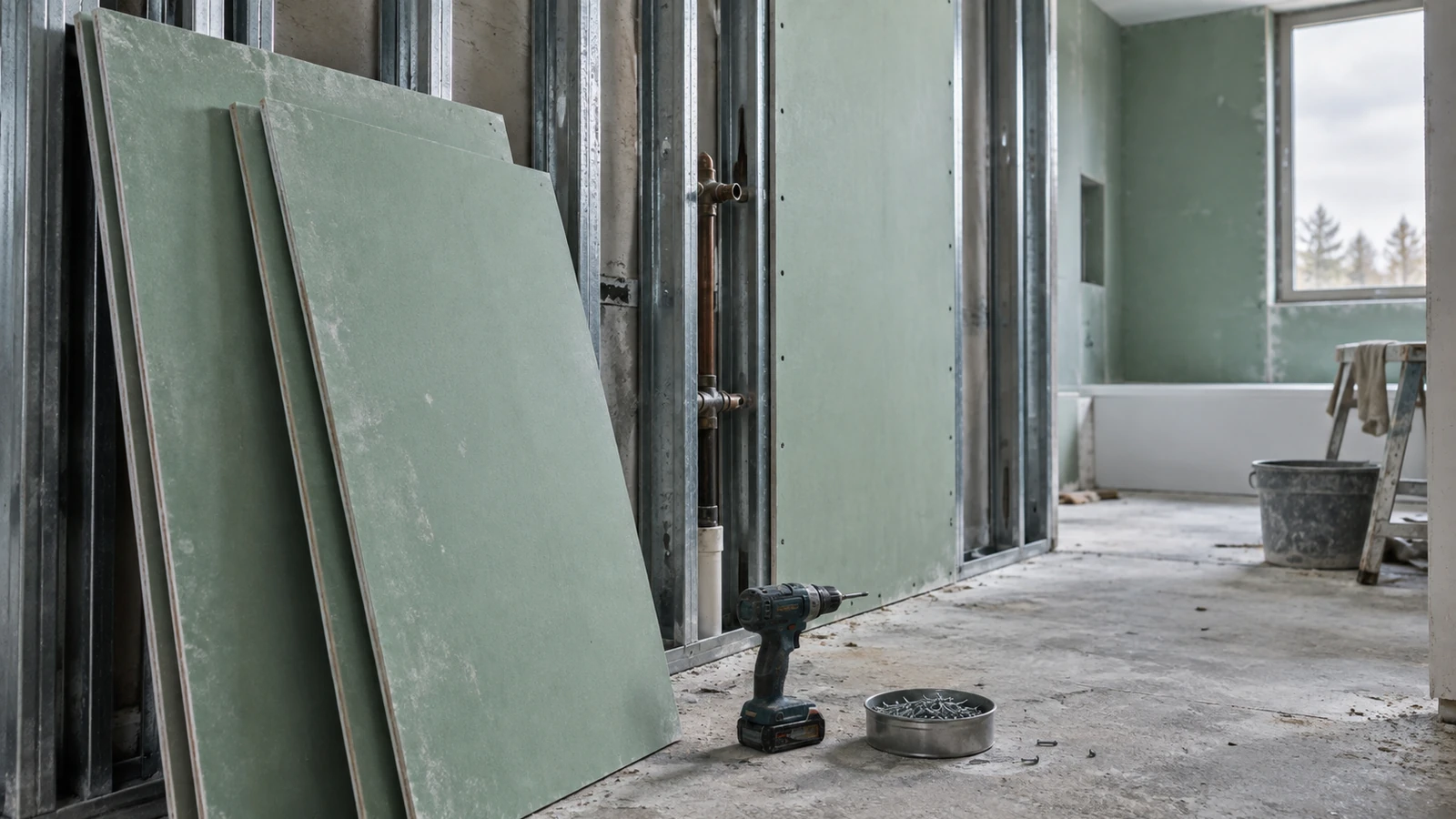
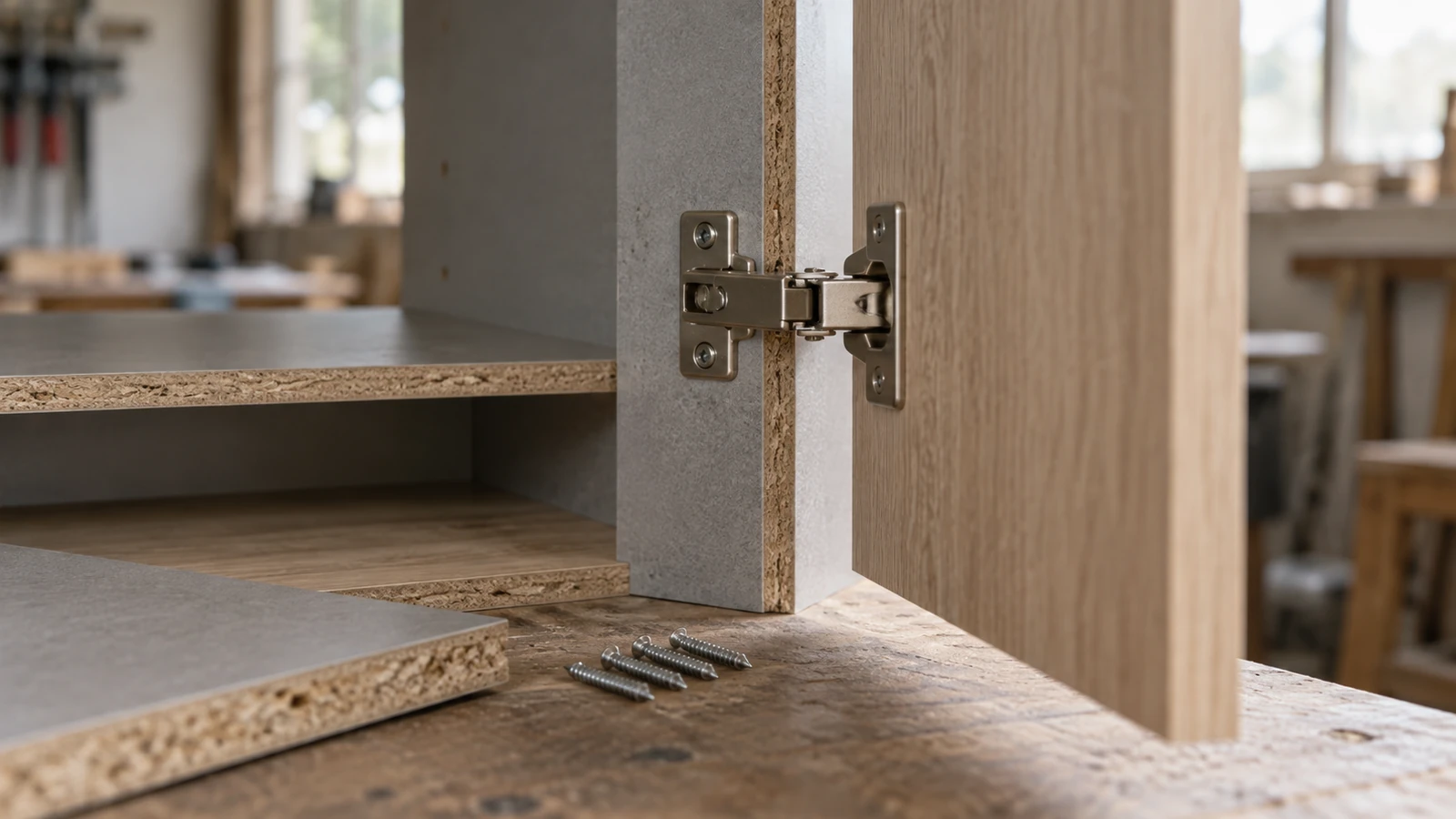
Another practical warning: if the application requires a flush finish, sample the screw in the actual board and substrate before committing to a full purchase. The installed example in the image shows the fastener seating flush, which is the result buyers want, but that result depends on the full system, not just the screw alone.
What sourcing teams should ask suppliers
Ask for the exact screw dimensions, base material, coating specification, and intended substrate. If the fastener is sold as galvanized, zinc-plated, or phosphate-coated, confirm what that means in the supplier’s own documentation. If the product is meant for drywall-to-metal stud work, ask whether the thread form and point design are optimized for that use. If you are buying in bulk, request consistent pack counts and clear labeling by finish and size. Those are ordinary questions, but they prevent expensive mix-ups.
Practical next step for buyers
Before placing a large order, run a small validation batch on the exact board and framing combination you plan to use. Check drive feel, seating depth, surface breakout, and the crew’s response after a few hundred fasteners. It is a modest step, but it often reveals whether the product will work smoothly or become another small problem that turns into a site-wide delay.
If you are comparing fastener options for drywall, interior framing, or other light construction work, build your shortlist around function first and price second. That usually leads to the better purchase.