
Buying coil nails in bulk: what matters before the price tag does
If you are sourcing coil nails bulk, the first question is usually not how cheap the carton is. It is whether the fastener will actually run well in the tool, hold in the substrate, and keep the crew moving without stoppages. That sounds basic, but a poor nail selection costs more than the purchase order suggests: misfeeds, jams, rework, and a stack of annoyed framers or roofers by midweek.
Bulk buying makes sense when the job volume is real and repeatable. It can also be a trap if the spec is vague. The right coil fastener needs to match the nail gun, the material being fastened, and the exposure conditions on site. For sourcing managers, that means comparing not just dimensions, but coil angle, shank type, coating, and packaging consistency. A few extra checks up front save a lot of field complaints later.
Where coil nails fit in the job
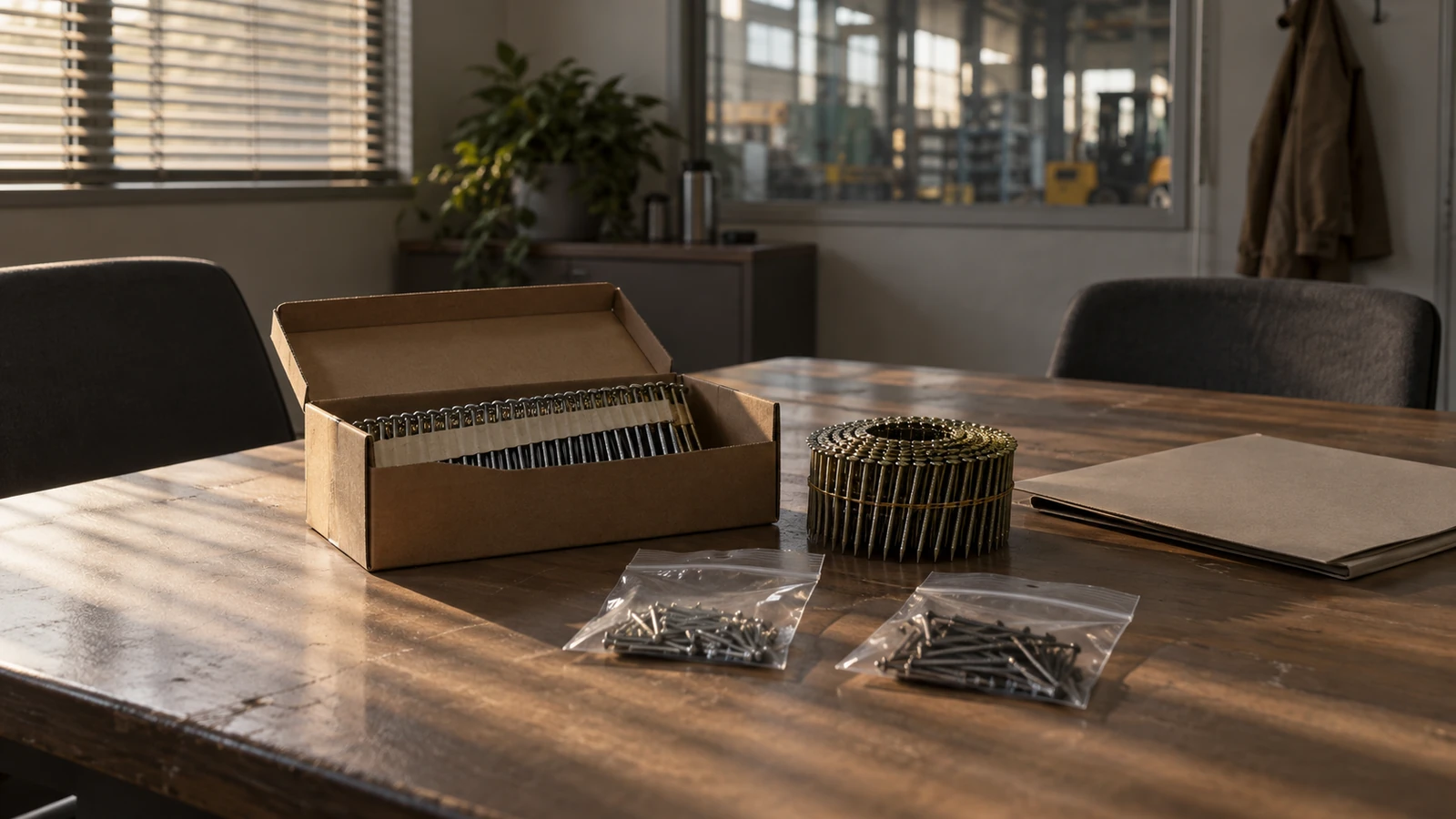
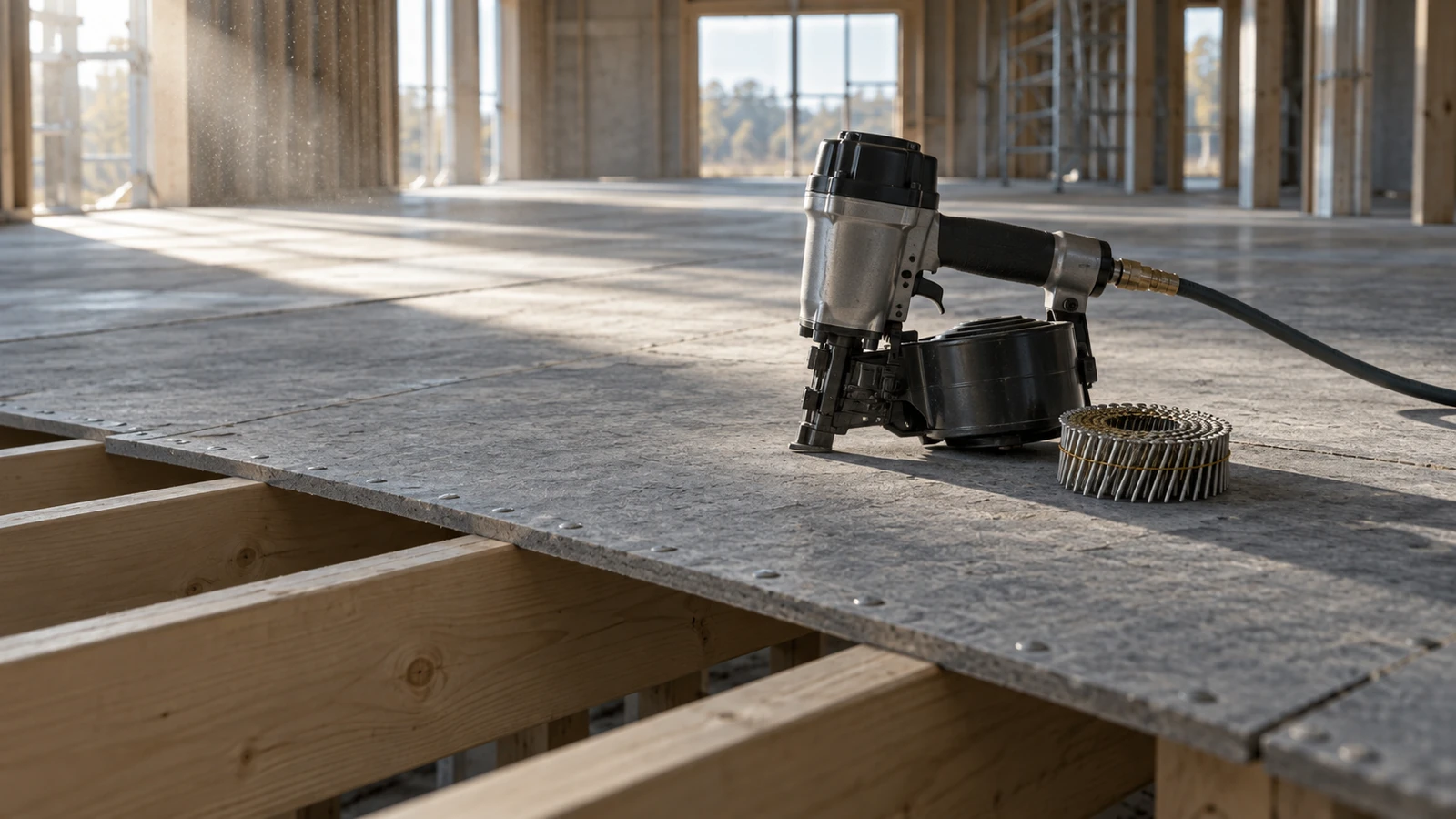
Coil nails are built for speed. They are commonly used in framing, sheathing, fencing, siding, and other high-volume fastening work where the magazine capacity matters. Compared with hand-driven fasteners, collated coils let operators keep moving with fewer reloads. That is the main reason crews ask for them by the pallet rather than by the box.
In practice, buyers usually narrow the choice down to the nail type the tool can accept and the application the assembly needs. Coil framing nails are often chosen for structural wood applications where holding power and driving reliability matter. Collated coil nails is the broader term, covering the format rather than a single use case. The distinction matters when you are comparing catalog descriptions that sound similar but are not interchangeable.
Quick decision points for bulk procurement
1. Tool compatibility first
Before negotiating volume, check the magazine angle, wire or plastic collation type, and acceptable shank lengths for the nailer in use. A bulk order that does not match the gun is just expensive inventory.
2. Substrate and holding requirement
Fastening into soft wood, engineered lumber, or more demanding exterior assemblies calls for different shank styles and coatings. Smooth shanks drive easily but may not deliver the same withdrawal resistance as ring or screw shanks. That tradeoff is old news to installers, but it still gets overlooked in purchasing.
3. Finish and corrosion exposure
For interior work, a standard finish may be enough. For outdoor or moisture-prone jobs, the coating becomes part of the performance requirement, not a cosmetic detail. Do not assume “galvanized” means the same thing across suppliers; the term is too loose unless the spec is defined on the drawing or purchase order.
Why the bulk format changes the buying strategy
When you buy small quantities, you can sometimes absorb variation. In bulk, variation becomes a production issue. Mixed lots, inconsistent collated strips, or nails that do not feed cleanly can slow down an entire crew. That is why professional buyers often ask for sample cartons, coil counts, and packaging details before placing a larger release.
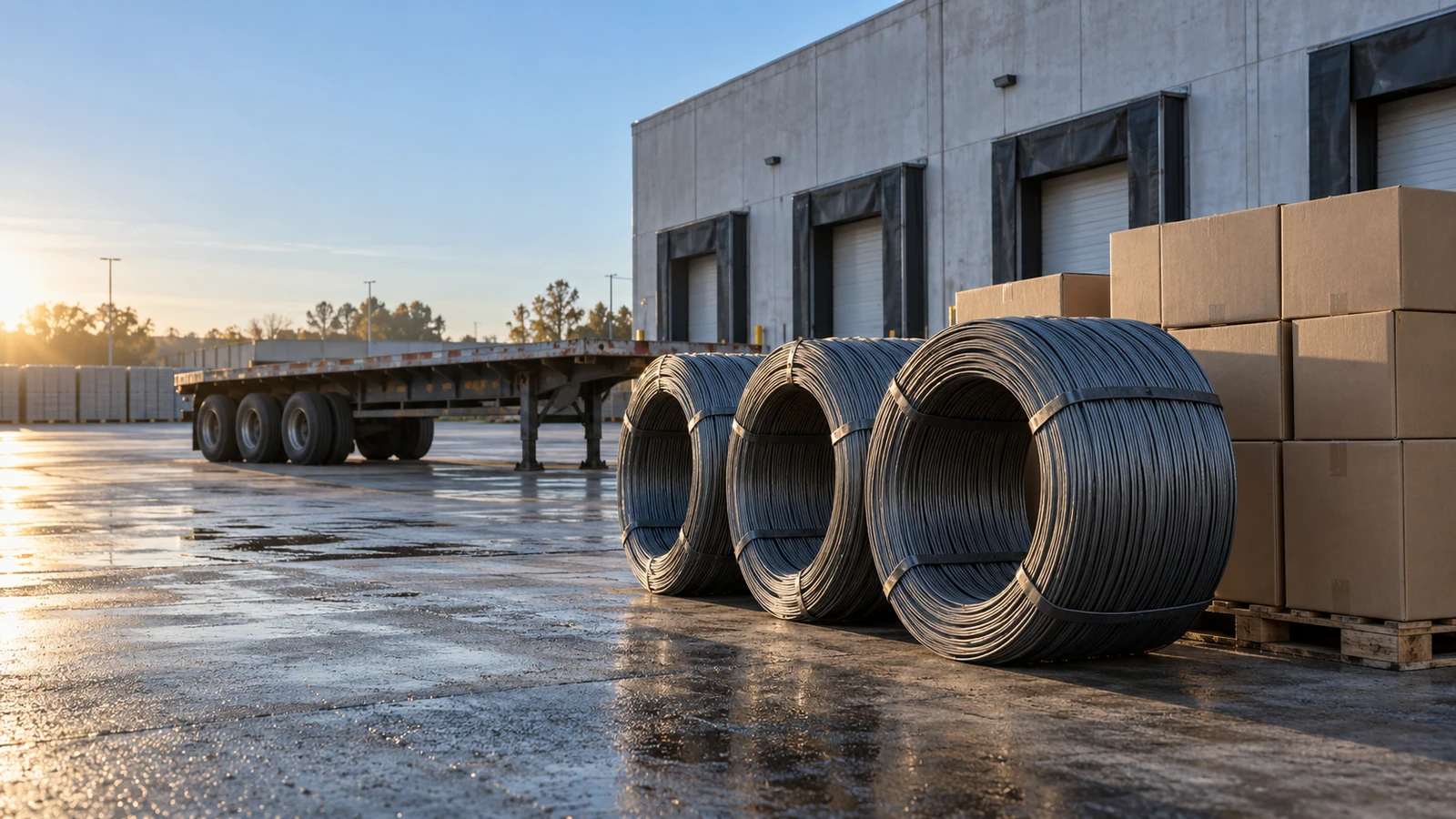
There is also the warehouse side of the equation. Bulk fasteners should arrive stacked, labeled, and easy to trace by job. If a contractor has to sort through lookalike cartons on site, the time savings from bulk buying start to vanish. It is a small thing, but on a real jobsite small things are where the money leaks out.
Common mistakes when ordering coil nails bulk
The most common mistake is treating all collated nails as interchangeable. They are not. The next mistake is focusing on unit price while ignoring feeding reliability. A slightly cheaper nail that causes frequent tool downtime is rarely cheaper in the field.
Another issue is overbuying a coating or shank style that is more aggressive than the job requires. That can raise cost unnecessarily. On the other hand, under-specifying corrosion resistance can create failures that appear months later, after the installer has long moved on. Procurement teams do not love callbacks, and crews do not enjoy explaining them.
Practical buyer advice
If you are sourcing for a contractor, distributor, or OEM channel, ask suppliers for the basics in plain language: what tool it fits, what materials it is meant for, and how it is collated. Then ask for consistency across lots. That is often more valuable than a long feature sheet.
For recurring projects, build a short approved list by application rather than a single universal fastener. One spec for interior framing, another for exposed exterior work, and maybe a separate line for high-volume production or palletized field supply. It is a little more work at the start, but it reduces confusion later.
How this relates to sheet-metal fastening and other construction assemblies
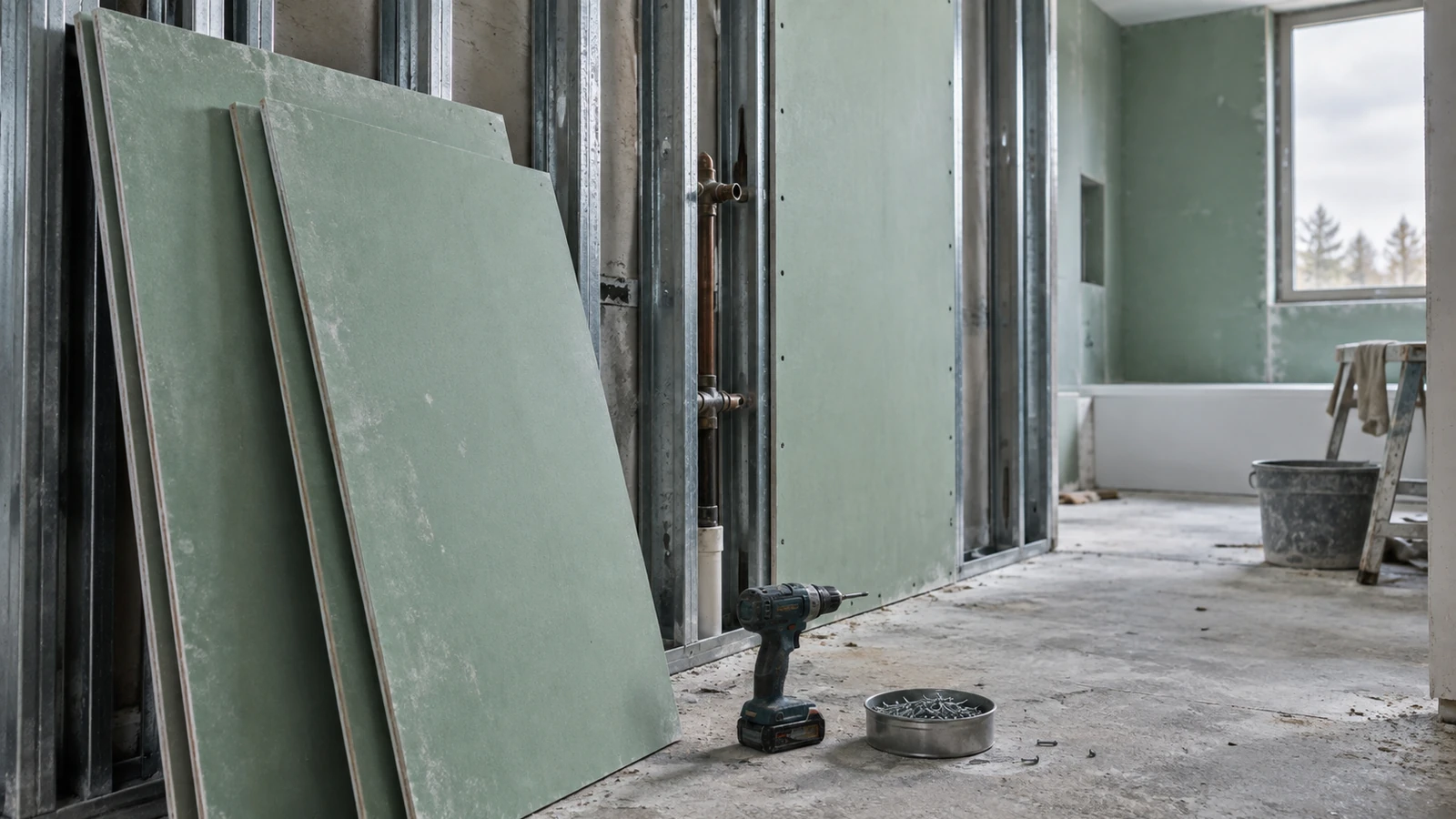
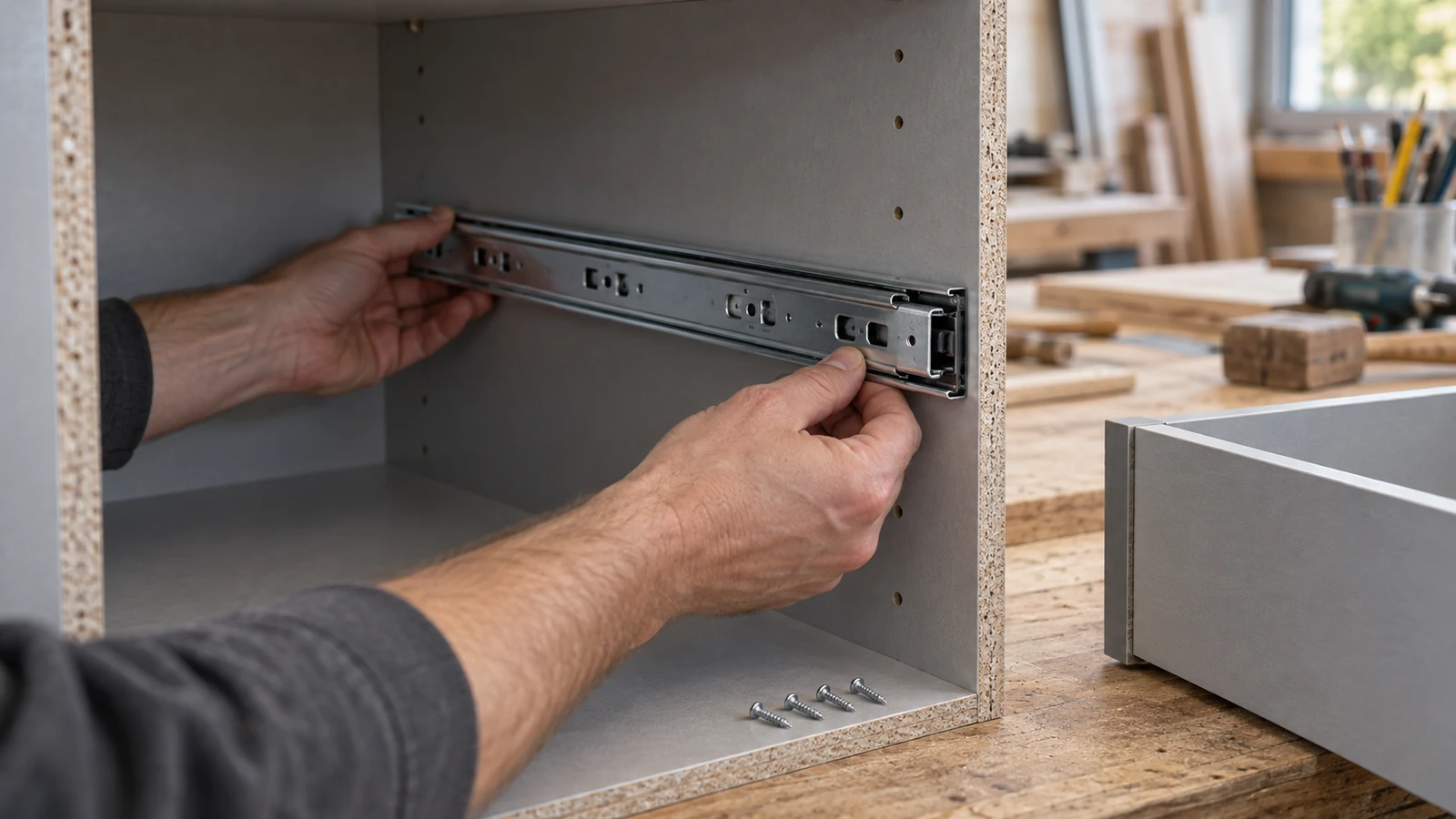
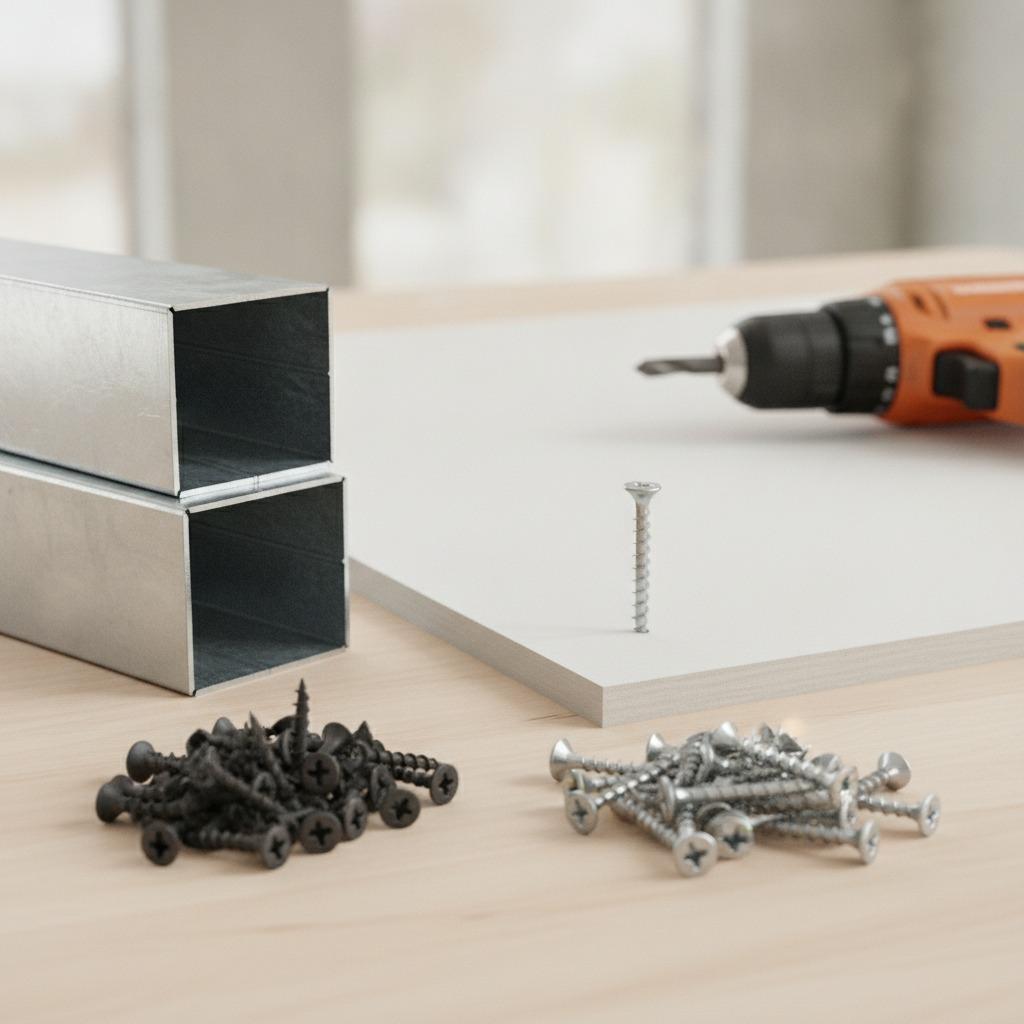
Not every fastening decision is about nails. The same jobsite may also use self-tapping screws for drywall or light-gauge steel framing, especially where a drill/driver is the more practical tool. Those assemblies rely on steel screws with coatings such as black phosphate or silver galvanized finishes, cross-recess heads, and pointed tips designed to start cleanly in metal or board. The point is simple: choose the fastener system that fits the assembly, not the other way around.
That is why buyers should separate wood-framing nail orders from metal-framing screw orders, even if both are “bulk fasteners” in the purchasing system. The applications overlap on paper, but the field performance requirements are different.
What to confirm before you place the order
Check the nailer model, the collated format, the intended substrate, and the exposure class of the project. Then confirm packaging, label accuracy, and lot consistency. If the supplier cannot speak clearly to those basics, keep looking.
For ongoing projects, the best next step is usually a short comparison of two or three acceptable fastener options, then a sample run on the actual tool. That is the quickest way to see whether the coil nails feed cleanly and perform the way the job needs, without betting the whole schedule on a catalog description.