
What buyers really mean when they search for a coil nails manufacturer
When sourcing teams look for a coil nails manufacturer, they are usually not shopping for nails alone. They are trying to solve a fastening problem: high-volume nailing that keeps pace with framing crews, decking jobs, pallet production, or automated woodworking lines without constant reloading and downtime. That is the practical reason this search matters. A coil-format fastener can change labor efficiency, but only if the supplier understands the tool, the substrate, and the jobsite conditions.
There is also a second layer to the request. A buyer who types in coil nails manufacturer may actually need a coil nails supplier with stable production, consistent wire welding, corrosion-resistance options, and packaging that works for export. Others are comparing a coil nails factory directly, hoping to cut out intermediaries. Either way, the decision is rarely about the lowest unit price on paper. It is about whether the fasteners feed cleanly, hold reliably, and arrive in the same spec next month as they did this month.
Why coil nails are used so widely
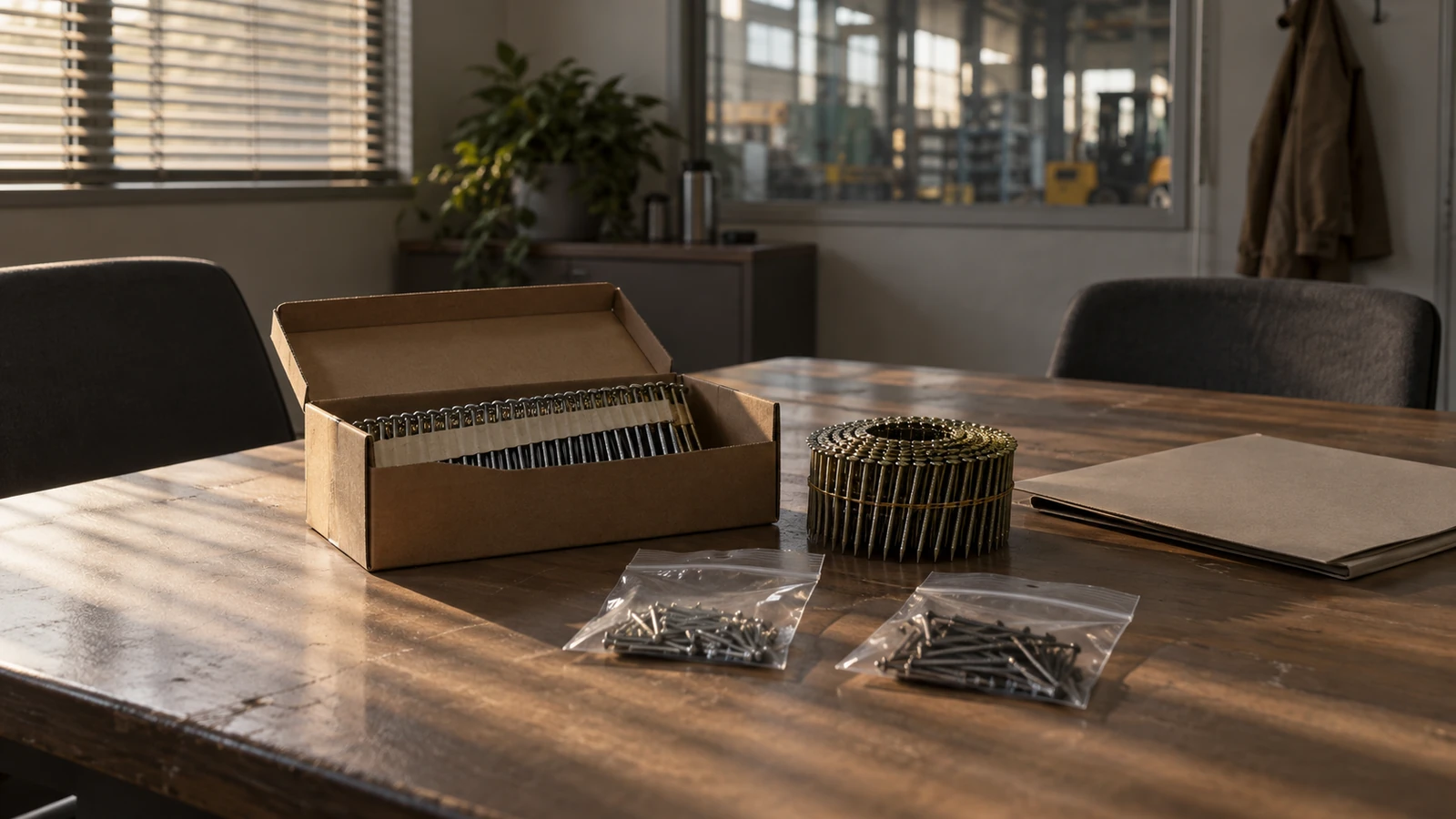
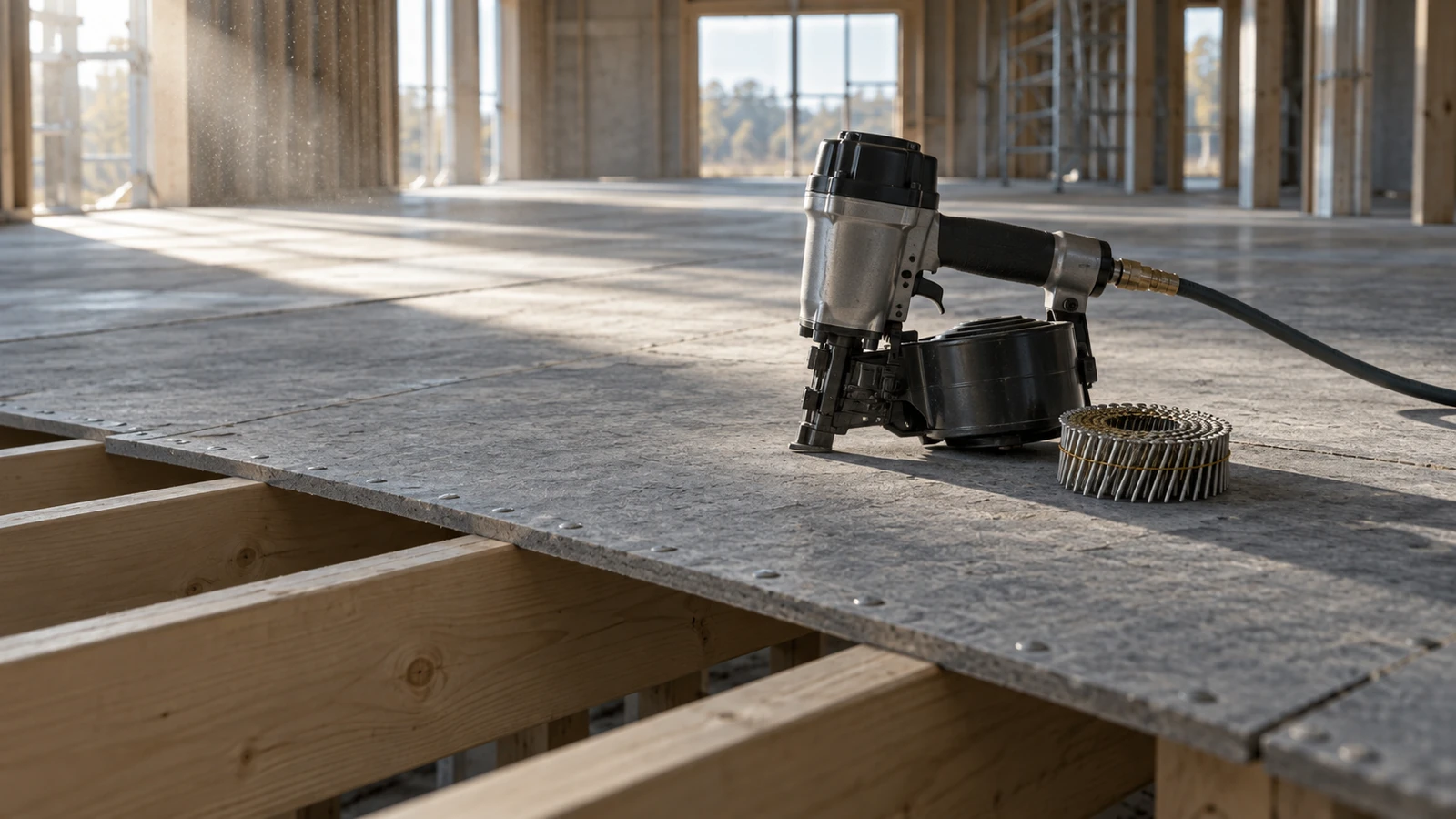
Coil nails are designed for speed. The nails are collated in a coil, which lets pneumatic nailers carry a larger quantity in one load. On a busy framing line or a timber shop, that means fewer stops and smoother rhythm. In practice, that can matter more than it sounds. A crew that does not have to pause every few minutes for reloads tends to keep better pace, and that makes a difference on repetitive work.
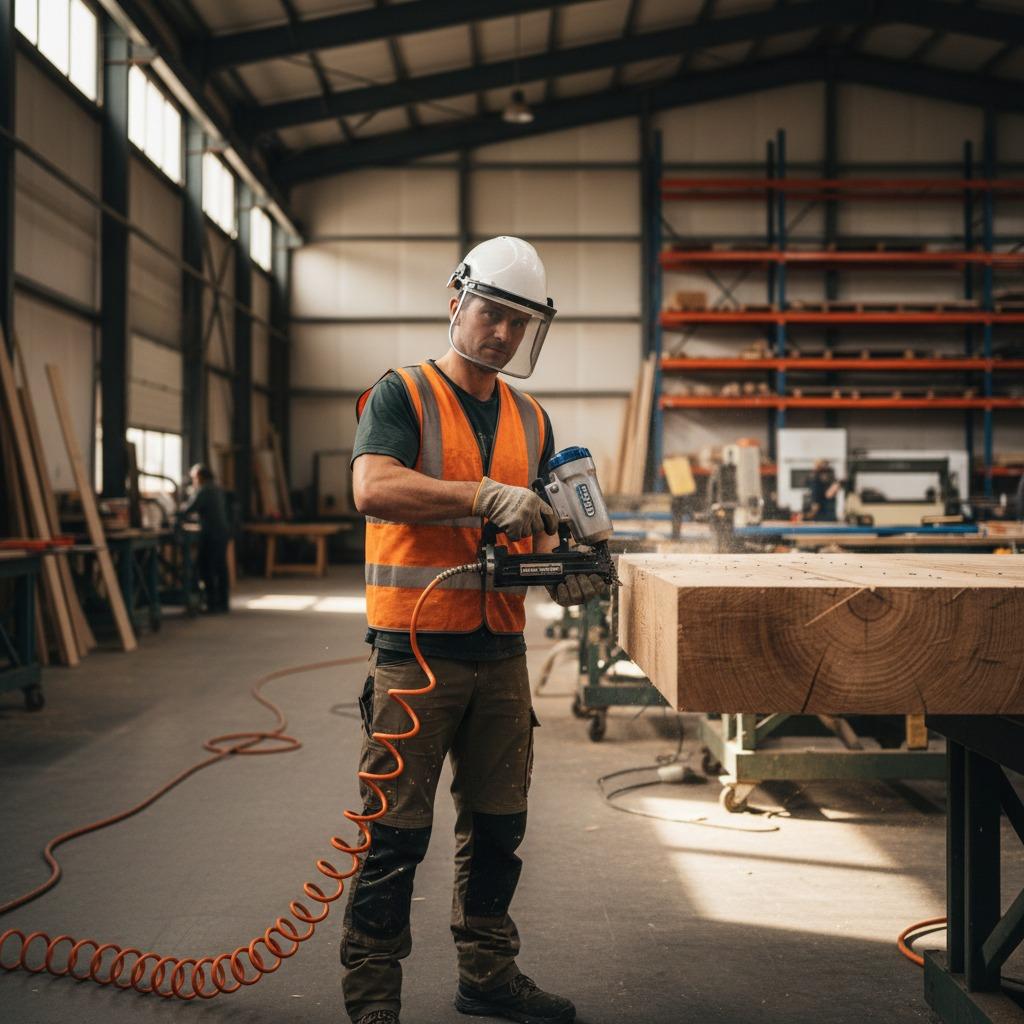
The visible tool context here points to pneumatic fastening in woodworking and framing-type interior carpentry. The air-powered nail gun, with its hose connection and straight magazine, suggests a workflow where compressed air is already part of the shop setup. In that environment, the fastener choice has to match the gun’s feed path and the wood species being fastened. A mismatch may still fire, but it can create jams, poor seating, or cosmetic damage around the head.
What to check before you choose a supplier
Good buyers tend to ask practical questions first. What coil configuration does the nailer require? What head style is compatible? Is the application structural, decorative, or somewhere in between? Those questions sound basic, but they keep people from buying fasteners that look similar and behave differently in the field.
For a product like the F30M air nail gun referenced in the preparation data, the likely use case sits in interior woodworking, joinery, panel fixing, and timber assembly. The exact nail size range cannot be confirmed from the image alone, so a careful supplier should help verify compatibility rather than guess. That is one of the better signs you are dealing with an experienced coil nails supplier: they ask about tool model, wire collation angle, wood density, and production environment before they quote.
Selection criteria that actually matter
Start with material. Common coil nails may be made for general wood fastening, but the real choice depends on whether the job is dry interior work, outdoor exposure, or packaging-grade assembly. Then look at collation quality. If the welded wire or adhesive strip is inconsistent, feeding problems usually show up long before anyone notices the fastener finish.
Also pay attention to the point and shank design. Smooth, ring, and screw-type variants behave differently in softwood and hardwood. That sounds obvious, but it is exactly where many buyers get caught. A fastener that holds fine in timber framing may be the wrong answer for furniture subassemblies or trim work.
Common mistakes when sourcing coil nails
One common mistake is treating all coil nails as interchangeable. They are not. Even when dimensions look close, the collation style or head geometry can make the difference between steady feeding and a machine that stops every few minutes. Another frequent problem is buying on price alone and ignoring packaging quality. Bent coils, loose winding, and poor moisture protection can create losses before the nails ever reach the line.
Buyers also sometimes forget to ask how the fasteners are packed for transport. In export shipping, a well-made nail can still arrive in poor condition if cartons are weak or pallets are handled badly. That is a logistics issue, not a metallurgy issue, but the end result is the same: wasted time on the shop floor.
Practical advice for sourcing and use
If you are qualifying a supplier for production work, ask for samples that match your actual nailer and substrate. Run them in the real tool, on the real wood, under normal working speed. A coil nails factory that understands industrial buyers will not resist that request. They may also be able to advise on coatings or corrosion resistance for the intended environment, though exact performance claims should be supported by test data if you need them.
For carpentry teams, the safest approach is to align the fastener with the job rather than forcing one nail type across all applications. Interior trim, timber beam fastening, and assembly work do not always want the same answer. That is the sort of detail a knowledgeable buyer learns quickly, usually after one expensive mistake.
FAQ buyers ask before placing an order
Can one coil nail spec work across multiple nailers?
Sometimes, but not reliably. Tool compatibility depends on collation, head style, and nail dimensions. Verify against the nail gun model rather than assuming fit.
Is a coil nail supplier the same as a manufacturer?
Not always. A supplier may stock and distribute product from different sources, while a manufacturer controls production. If consistency matters, ask who actually makes the fasteners and how they control incoming raw material and forming.
What is the main risk in buying too quickly?
The biggest risk is ending up with fasteners that feed poorly or do not suit the wood or tool. That usually costs more than any initial savings.
Next step for buyers
If you are comparing options now, build your shortlist around compatibility, feeding performance, packaging quality, and the supplier’s willingness to confirm details instead of improvising them. That is the fastest way to separate a true manufacturing partner from a catalog seller. For teams sourcing coil fasteners for woodworking, framing, or assembly lines, that distinction usually decides whether production stays smooth or keeps stalling for small avoidable reasons.