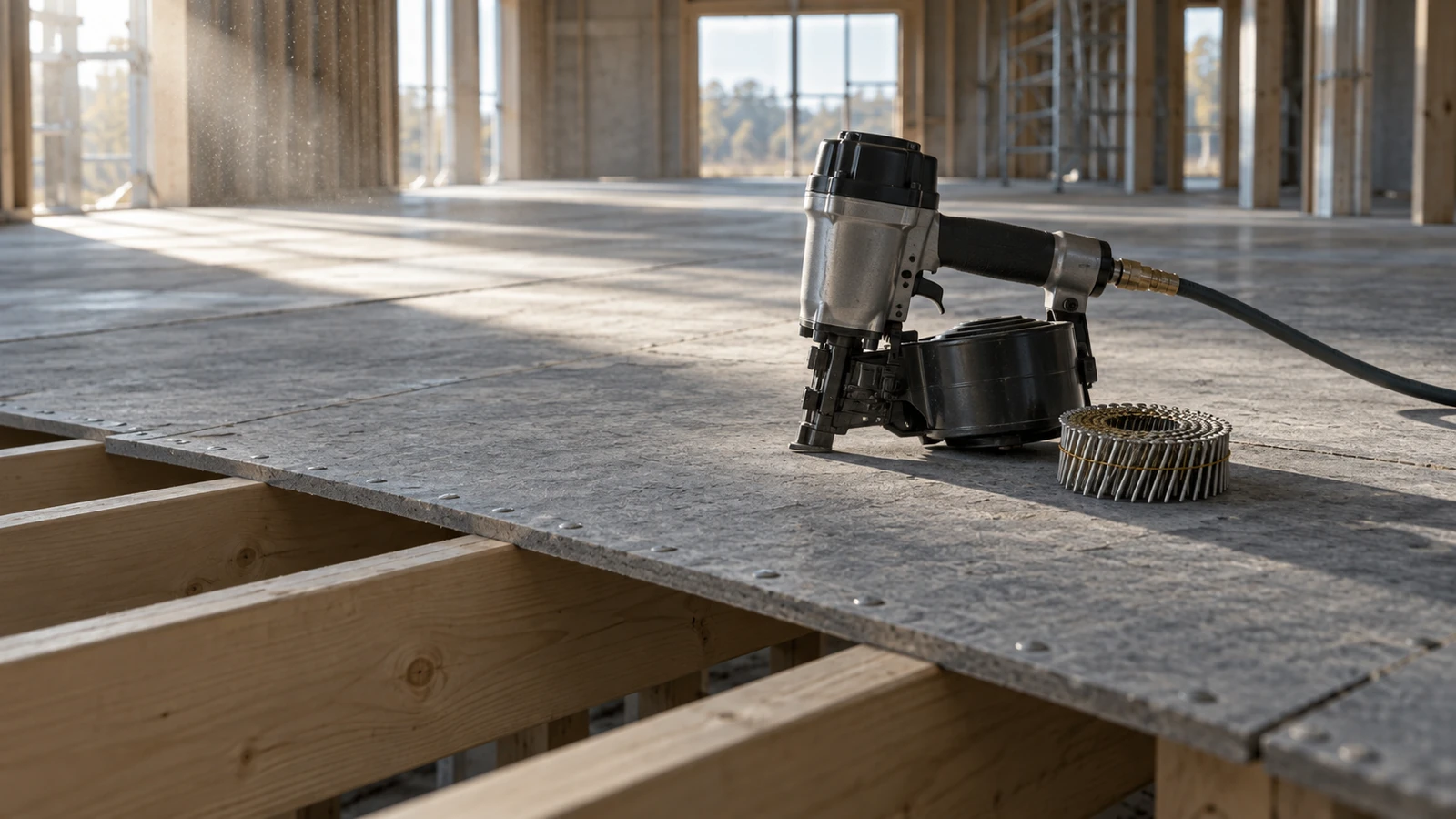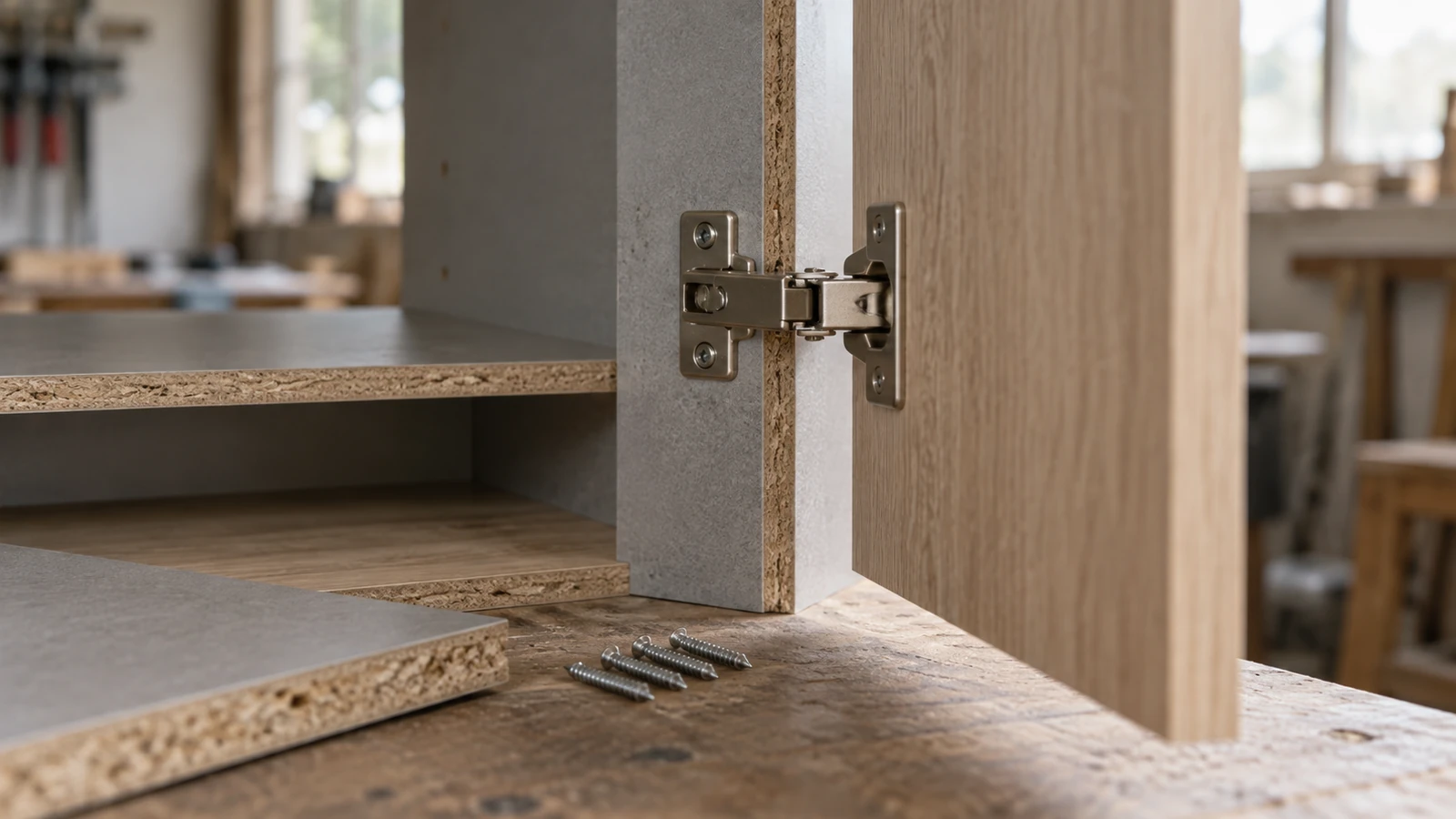

Why buyers search for collated nails in China
When sourcing collated nails in China, most buyers are not just looking for a lower unit price. They are trying to solve a practical manufacturing problem: how to keep fastening consistent across production runs without adding rework, cosmetic defects, or tool jams. That matters in cabinet shops, trim installation, furniture assembly, and any line where a visible nail head can spoil a clean finish.
The phrase also covers a broad buying decision. Some teams need standard framing or finishing nails. Others need specialty fasteners for a narrow application, such as the 23-gauge headless pins used in fine woodworking and trim assembly. The right supplier choice depends on more than catalog language. You need a nail format that matches the tool, the wood species, the joint design, and the appearance standard at the end of the process.
What the 23-gauge headless pin format is used for
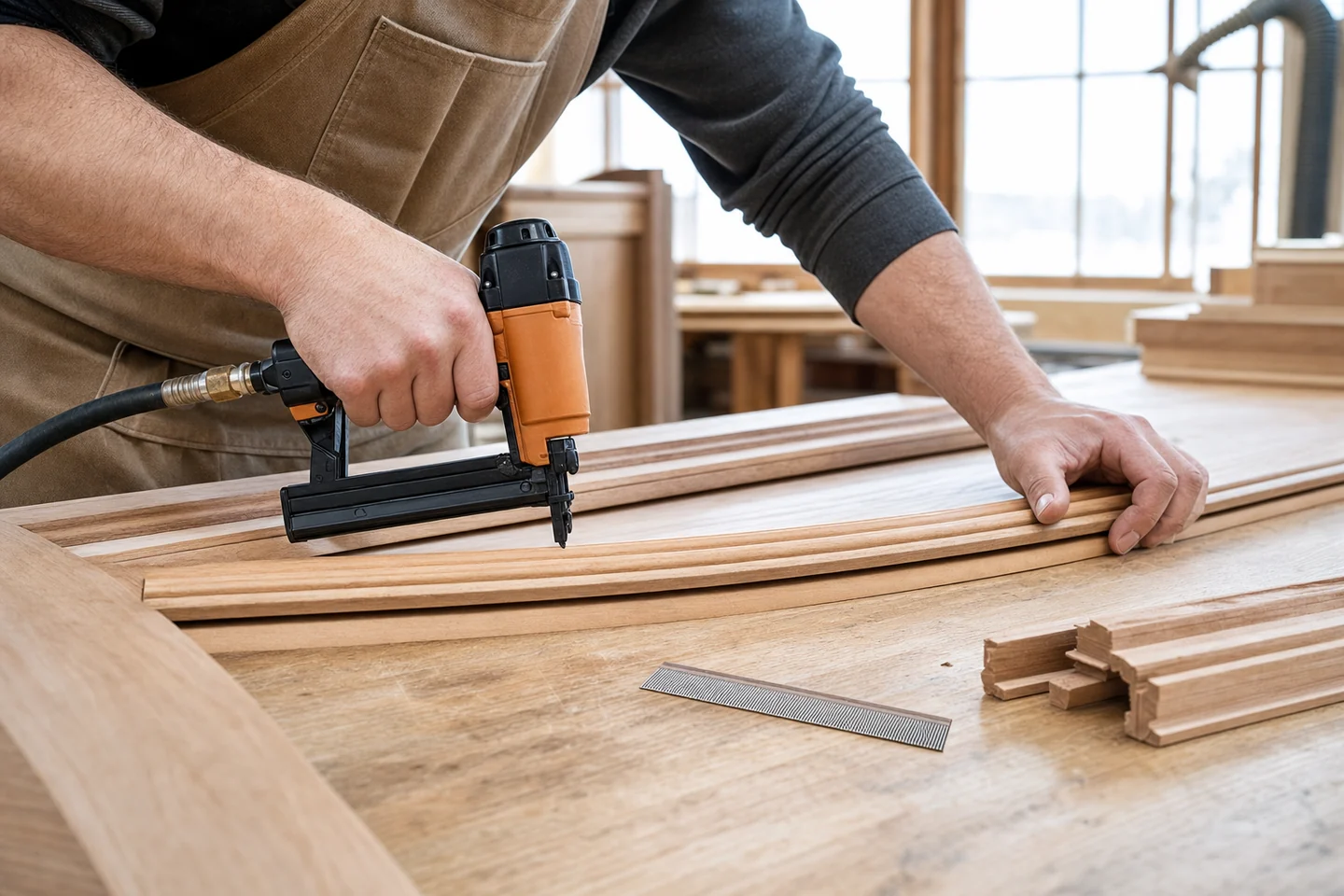
The product information here points to a 23-gauge headless pin nailer setup. In practical terms, that means the fastener is designed for near-invisible fastening. It drives very small pins into wood with minimal surface marking, which is exactly why it shows up in cabinet making, decorative moldings, light trim, and furniture assembly.
That narrow gauge has a tradeoff that buyers should not ignore. It is excellent for holding delicate parts in position and preserving surface appearance, but it is not the answer for every structural joint. For heavier assemblies or load-bearing applications, a more robust fastener is usually the better fit. The temptation to use the smallest possible nail is common, especially when aesthetics matter, but the joint still has to survive handling, transport, and seasonal movement in wood.
What a Chinese nail supplier can offer, and what to verify
China has a deep fastening supply base, which is why many sourcing teams compare multiple nails manufacturer China options before making a decision. In this category, the real differentiator is often not just capacity, but whether the supplier understands the fastener-tool pairing and the end-use environment. A supplier that sells collated fasteners without checking tool compatibility can create more problems than it solves.
Before approving samples or placing a production order, verify the basics carefully: gauge, strip/collation format, angle if relevant, intended tool type, and the wood application. If you are buying pins for a pneumatic-style tool, confirm that the collated strip feeds cleanly and that the fasteners seat properly in the nose. Small fasteners are less forgiving than they look. A slight mismatch in collation or strip quality can lead to misfeeds, bent pins, or marks on visible surfaces.
How to compare collated nail options in practice
1. Match the fastener to the tool
The image and product notes suggest a handheld pneumatic-style tool with an air hose connection. That tells you the fastener is only one part of the system. Tool geometry, magazine design, and nose placement all affect how reliably the nail lands in narrow stock. If the fastener feeds poorly, the operator slows down. If the nose is not well aligned, cosmetic damage rises.
2. Look at the surface requirement
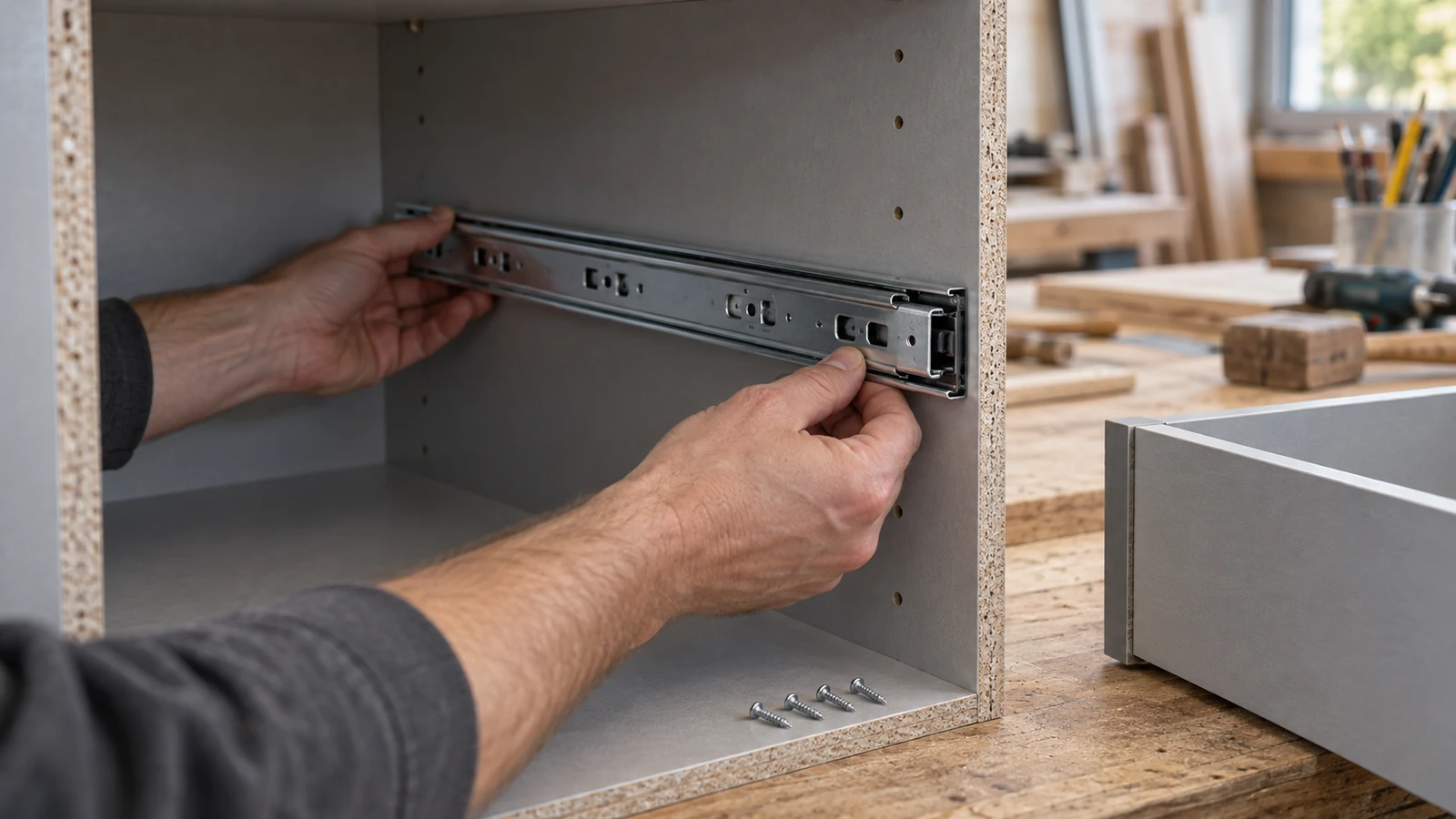
For trim and furniture work, the goal is often not simply to hold the joint together, but to leave almost no trace that a fastener was used. That makes headless pins and fine-gauge collated nails attractive, especially on unfinished or lightly finished wood where any surface damage is easy to spot.
3. Check consistency before scale-up
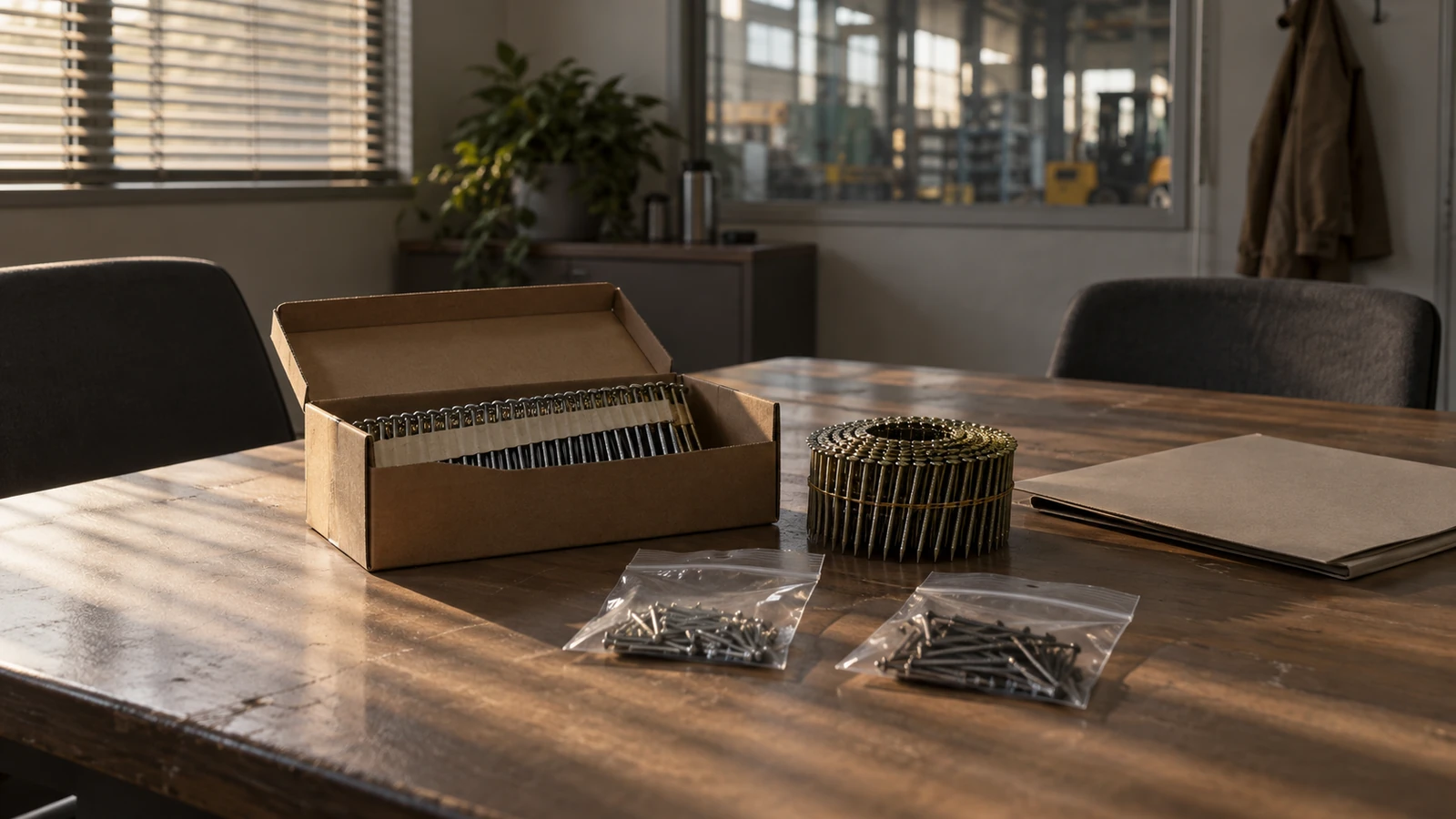
Sampling matters more than many buyers expect. A strip that looks fine in a small bench test may still cause trouble during continuous production. Watch for feed smoothness, nail straightness, and how the fastener behaves in the actual wood species you use. Dense hardwoods, softwoods, and laminated panels do not behave the same way.
Common sourcing mistakes
One common mistake is buying only by price and overlooking collation quality. Another is assuming that all fasteners labeled for fine woodworking will perform the same. They will not. Some are better suited to delicate trim, while others are built for slightly heavier assembly work. Buyers also sometimes forget the finish standard. If the point is an invisible fastening line, even a small cosmetic flaw can become a reject.
There is also a practical warning on storage and handling. Collated nails that are bent, contaminated, or poorly packed can create feeding issues later. That may sound minor on paper, but on a production floor it shows up as downtime, operator frustration, and inconsistent output.
Buyer questions worth asking a nail supplier in China
If you are evaluating a nail supplier China based on this type of application, ask how their collated fasteners are intended to be used, what tools they are compatible with, and how they control straightness and strip integrity. If they cannot answer those questions clearly, that is a useful signal in itself.
You should also ask for samples tied to your actual workpiece, not just a general product photo. A pin that performs well on soft trim may behave differently on dense hardwood or narrow moldings. In fastening, real-world fit beats brochure language every time.
Next step for sourcing teams
If your project involves hidden fastening, fine woodworking, or trim assembly, start by matching the collated nail format to the tool and the wood, then evaluate surface appearance and feed reliability. That sequence is usually more useful than starting with price alone. For buyers comparing collated nails in China, the best supplier is the one that can support repeatable performance, not just a short quote.