
Why Nail Supply Decisions Matter in Wood Construction
A construction nails wholesale supplier is not just a line item in a purchasing spreadsheet. For contractors, millwork shops, framing crews, and product teams that build around wood assembly, the nail supply decision affects throughput, consistency, and the amount of rework that ends up eating margin. When fasteners do not match the job, the problem rarely stays small. Nails can bend, split material, jam tools, or force operators to slow down and reset. That is why buying from the right source matters as much as choosing the right nail type.
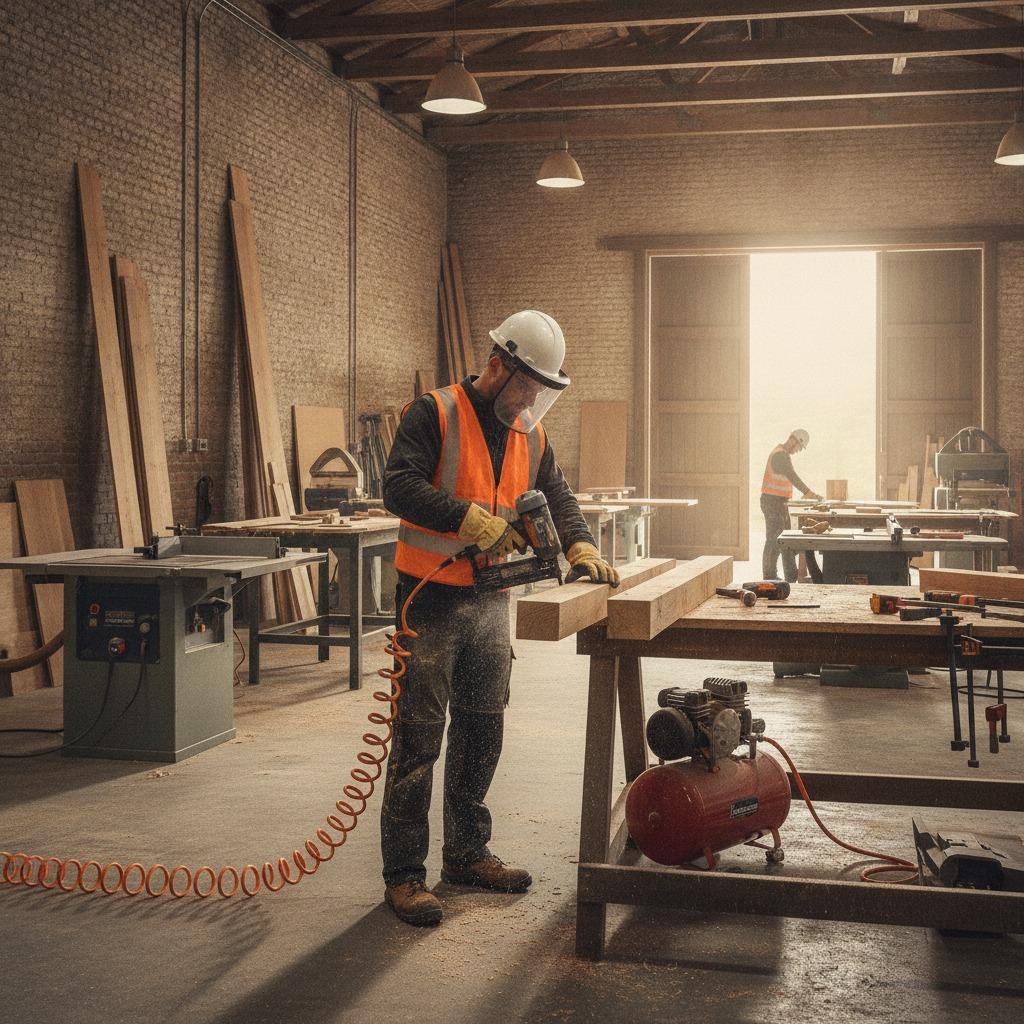
This is especially true in operations that rely on pneumatic fastening. The orange air-powered nail gun commonly used in woodworking and timber framing is built for fast, repetitive driving in wood. Tools like that only perform well when the fasteners are matched correctly to the material, the application, and the tool itself. A wholesale buyer is usually trying to answer a practical question: where can we get construction nails that keep production moving without creating avoidable defects?
What Buyers Usually Need From a Wholesale Supplier
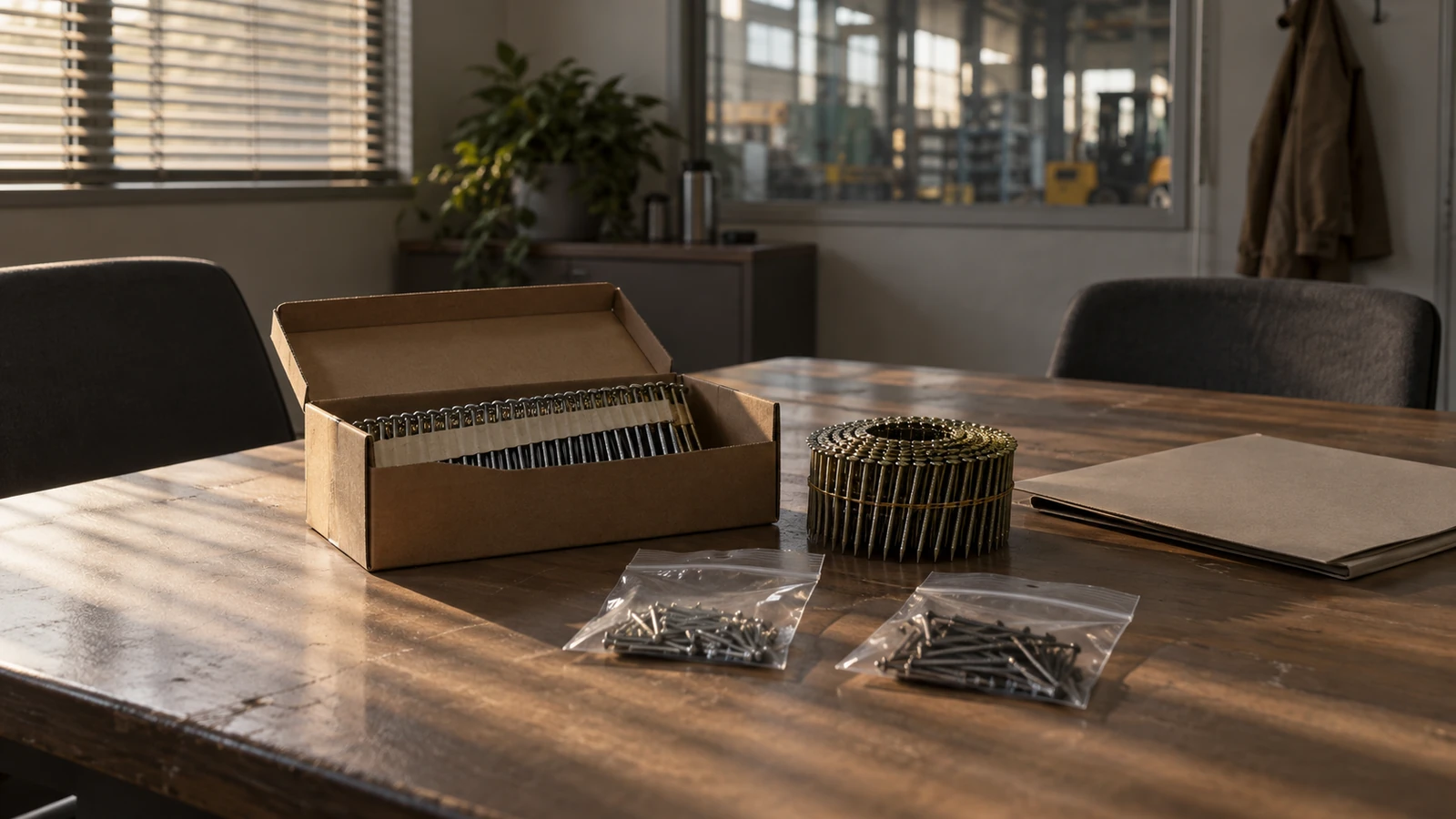
In this market, the buying decision is less about marketing language and more about fit. A wholesale construction nails program should give a buyer confidence that the nails will work across real shop and field conditions. That means attention to nail type, finish, length, shank style, packaging, and whether the fasteners are intended for manual use or pneumatic tools. It also means a supplier should understand the difference between general construction work, timber framing, pallet making, furniture assembly, and shop joinery.
For example, a building nails supplier serving a timber shop may need to support repetitive driving into dense lumber, while another customer may care more about speed and reduced tool downtime in a production line. Those are not the same demand profiles. A sensible supplier should be able to speak to both.
Key Factors That Affect Performance
Nail Type and Application
Construction nails are not interchangeable just because they look similar in a carton. Length, diameter, head style, and shank design all affect holding power and how cleanly the nail enters the wood. If the nail is too large for the substrate or too aggressive for the tool setup, the operator may see splitting or poor driving consistency. That is a real problem in production, where even small slowdowns add up.
Tool Compatibility
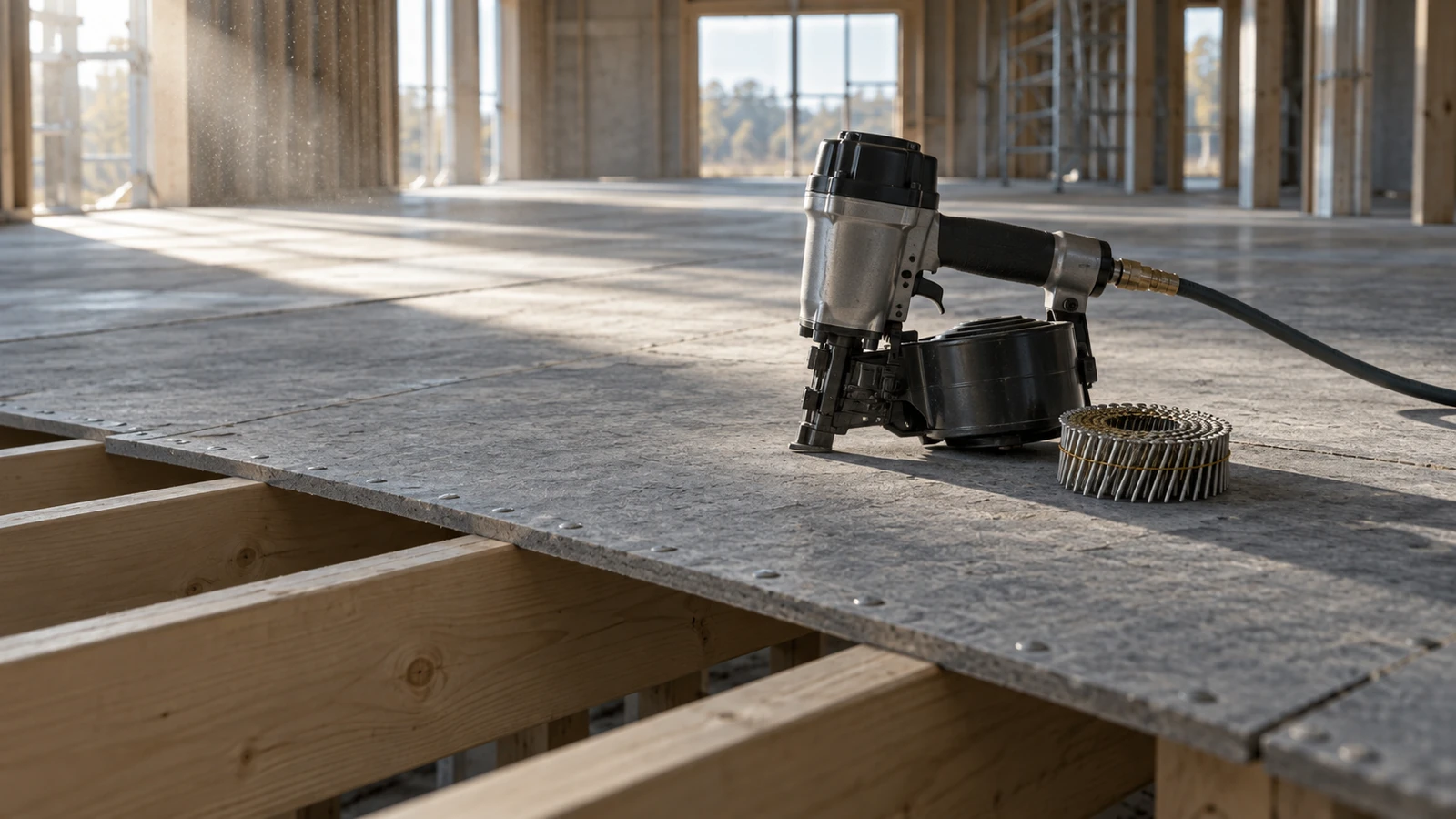
The visible pneumatic nail gun in the product context points to an important buyer issue: not every fastener is suitable for every nailer. Pneumatic tools depend on correct fastener dimensions and proper air supply. A wholesale construction nails supplier should be able to provide clear product descriptions and packaging that help buyers avoid mismatches. This is one of those details that sounds routine until a crew is stopping every few minutes to clear jams.
Material and Finish
General industry practice is to match nail material and coating to the use environment. Interior dry work, framing, pallet assembly, and exposed structural applications all create different demands. Buyers should be cautious about assuming that one low-cost nail will cover every job. A small saving on fasteners can become a larger cost if it leads to callbacks or visible defects.
Quick Buyer Checklist
Before placing a wholesale order, confirm the intended use, the compatible nailer type, the dimensions needed, and whether the job calls for bulk supply or mixed SKUs. It is also worth asking how the supplier handles consistency from batch to batch. In manufacturing, consistency is often more valuable than a slightly lower unit price. That point gets ignored until operators notice a change in drive quality.
Common Mistakes in Fastener Purchasing
One common mistake is buying on price alone. Another is using one generic fastener spec across several applications because the carton looks familiar. A third is overlooking how the fastener interacts with the tool. Pneumatic fastening is efficient, but only when the full system is aligned: tool, compressor setup, workpiece, and nail specification. Buyers who source construction nails wholesale should treat those pieces as a system, not separate purchases.
Practical Advice for Sourcing Teams
If your operation is buying for a shop, a contracting team, or a mixed production environment, ask suppliers for straightforward technical descriptions and application guidance. You do not need jargon. You do need enough detail to avoid mismatching the nail to the task. For teams that run high-volume wood fastening, the best supplier is usually the one that reduces uncertainty, keeps replenishment simple, and understands that a missed fastener spec can slow an entire line.
That is the real value of a construction nails wholesale supplier: not just cartons of metal, but fewer stoppages and fewer surprises on the floor.
Next Step
If you are comparing wholesale construction nails options, start with the application first, then narrow by tool compatibility, material, and packaging format. The right supplier should make that process easier, not harder. For buyers working around pneumatic nailers, that difference shows up quickly in productivity and in the quality of the finished wood assembly.