
When off-the-shelf fasteners stop fitting the job
If you work around furniture, upholstery, light assembly, packaging, or any shop where material thickness changes faster than the weather, you eventually run into the need for a custom fastener manufacturer. Standard fasteners are fine until they are not. The wrong head style, drive type, coating, or length can slow production, damage finished surfaces, or force a redesign that nobody had on the calendar.
That matters because fastening is rarely the glamorous part of a build, but it is often the part that decides whether the product feels solid or slightly haunted. A chair that squeaks, a panel that loosens, or a packed carton that gives up halfway through transit tends to make everyone look at the fastener first.
What a custom fastener manufacturer actually helps you solve
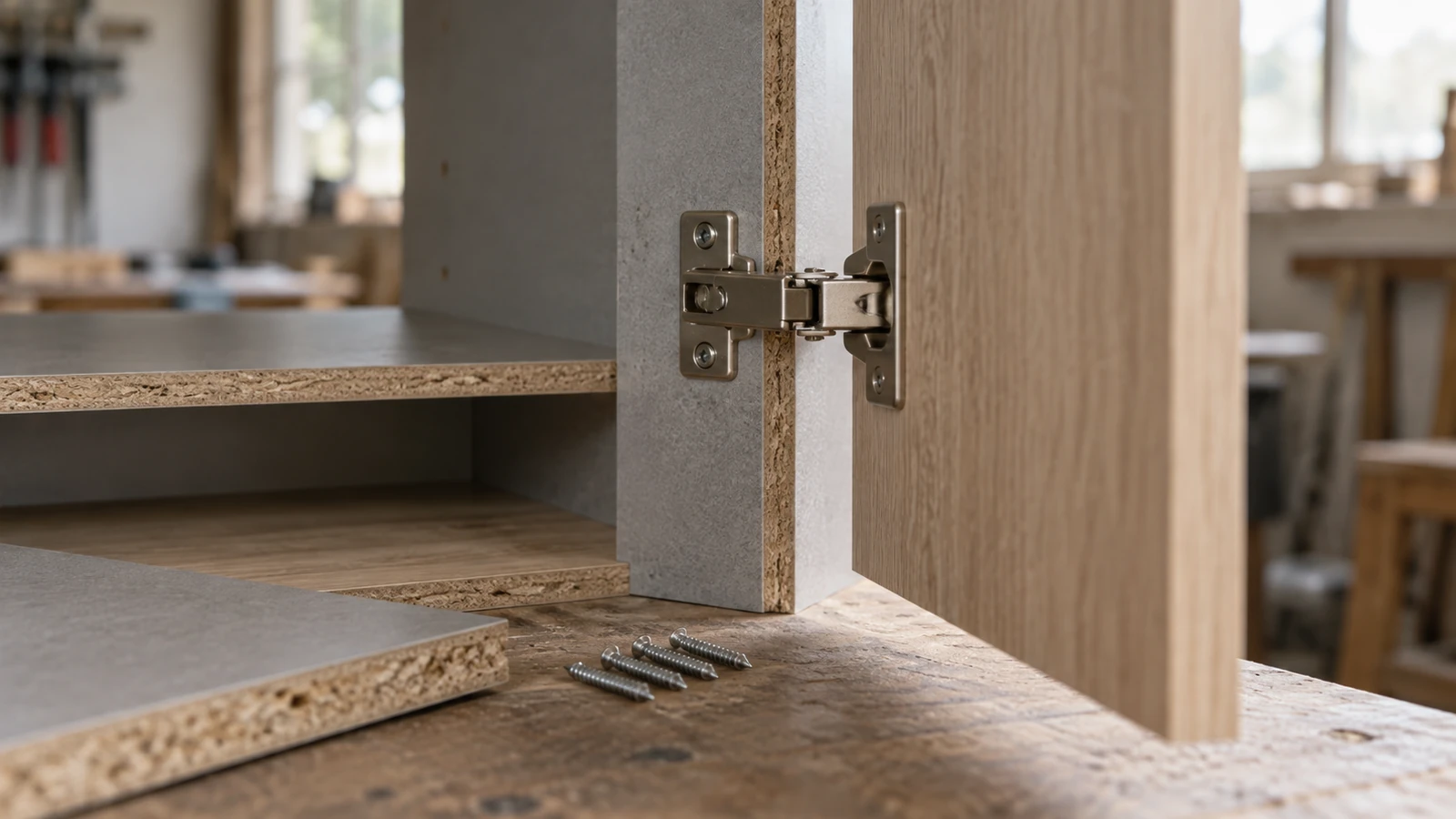
A custom fastener manufacturer is useful when your application needs more than a catalog item can reasonably offer. That may mean unusual dimensions, a specific material, a corrosion-resistant finish, a different drive style, or a fastener shaped around a product assembly process instead of the other way around.
For engineers and sourcing teams, the decision is usually not “custom or standard” in some abstract sense. It is: will a standard fastener meet load, fit, appearance, and assembly requirements without creating extra labor? If the answer is no, custom fasteners can reduce rework and make production less fussy. Shop people tend to appreciate anything that stops parts from wobbling, splitting, or sneaking out of tolerance like they have somewhere better to be.
Where custom fasteners show up in real production
Custom fasteners appear in a lot of places, even when the word “custom” never gets printed on the packaging.
Furniture and upholstery
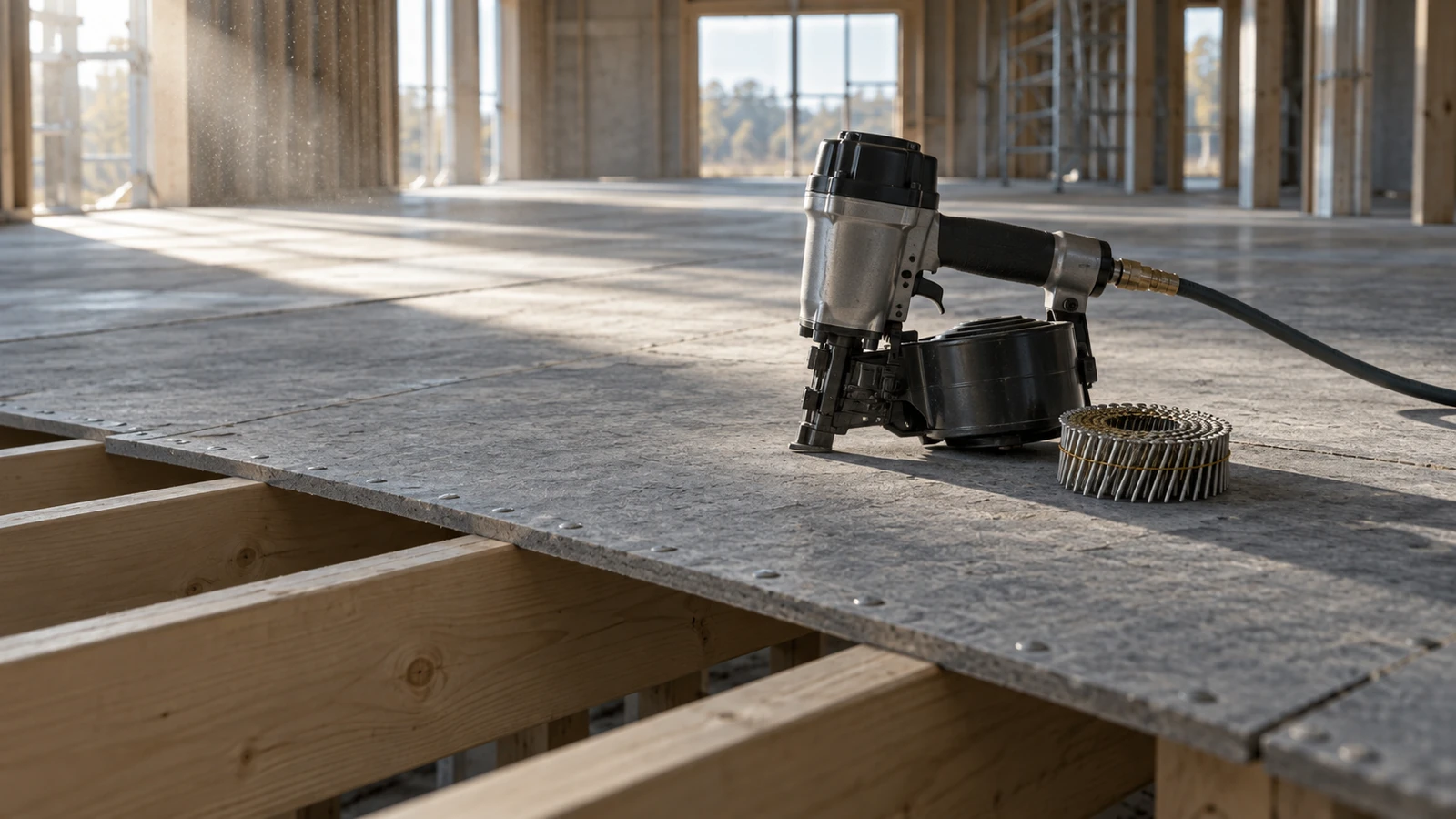
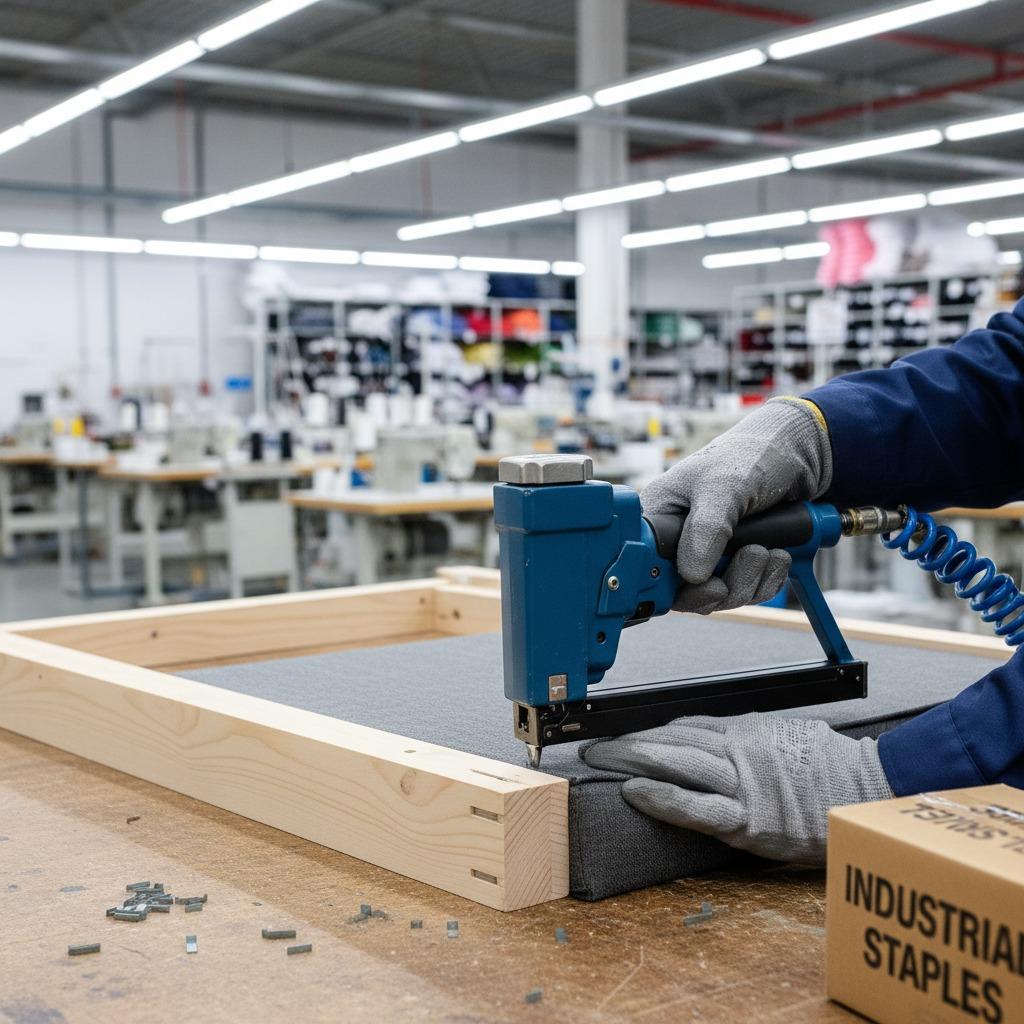
In upholstery and furniture assembly, fasteners often need to secure fabric, foam, trim, or panel materials to wood frames. A pneumatic stapler or nailer, like the kind used with a compressor and quick-connect air hose, is a common example of how these fastening operations happen on the shop floor. The tool may be simple; the requirement behind it usually is not. Clean fastening, repeatability, and good material hold matter more than drama.
Industrial assembly and packaging
Light industrial assemblies may call for fasteners that support repetitive manual or semi-manual installation. Packaging can add its own complications, especially where vibration, moisture, or handling abuse is part of the journey. A fastener manufacturer that understands those conditions can help narrow choices before the trial-and-error phase eats the schedule.
Light construction and shop-floor use
Even in smaller operations, fastening often crosses over between production and maintenance. A fastener that works in a cabinet line may not be ideal for a repair fixture or a temporary hold-down. That is where careful selection pays off and where a custom fastener manufacturer can be more practical than ordering another box of “close enough” parts and hoping for the best.
How to compare custom fasteners without getting lost in the weeds
When teams evaluate custom fasteners, they usually need a short list of decision points, not a binder thick enough to prop open a warehouse door.
Fit to the substrate
Will the fastener work in wood, composite, fabric-backed assemblies, plastic, or metal? The answer changes the geometry, the drive method, and sometimes the finish.
Installation method
Manual, pneumatic, automated, or hybrid installation changes the fastener design. A shop using air-powered fastening tools needs consistent feeding and predictable driving behavior. If the feed jams, production speed drops and morale follows it down the stairs.
Appearance and surface damage
In visible assemblies, the fastener should hold without marring the finished face. Head profile, color, and coating can matter more than buyers expect.
Environmental exposure
Moisture, temperature swings, and chemicals can all affect performance. The right finish or material choice can be the difference between a lasting assembly and a future warranty headache.
Questions to ask before you source custom fasteners
Start with the application, not the drawing. Ask what the fastener must hold, what it must survive, and what the assembly line can realistically install without heroic effort. Then clarify whether you need a change in size, point geometry, drive type, head style, coating, or packaging format.
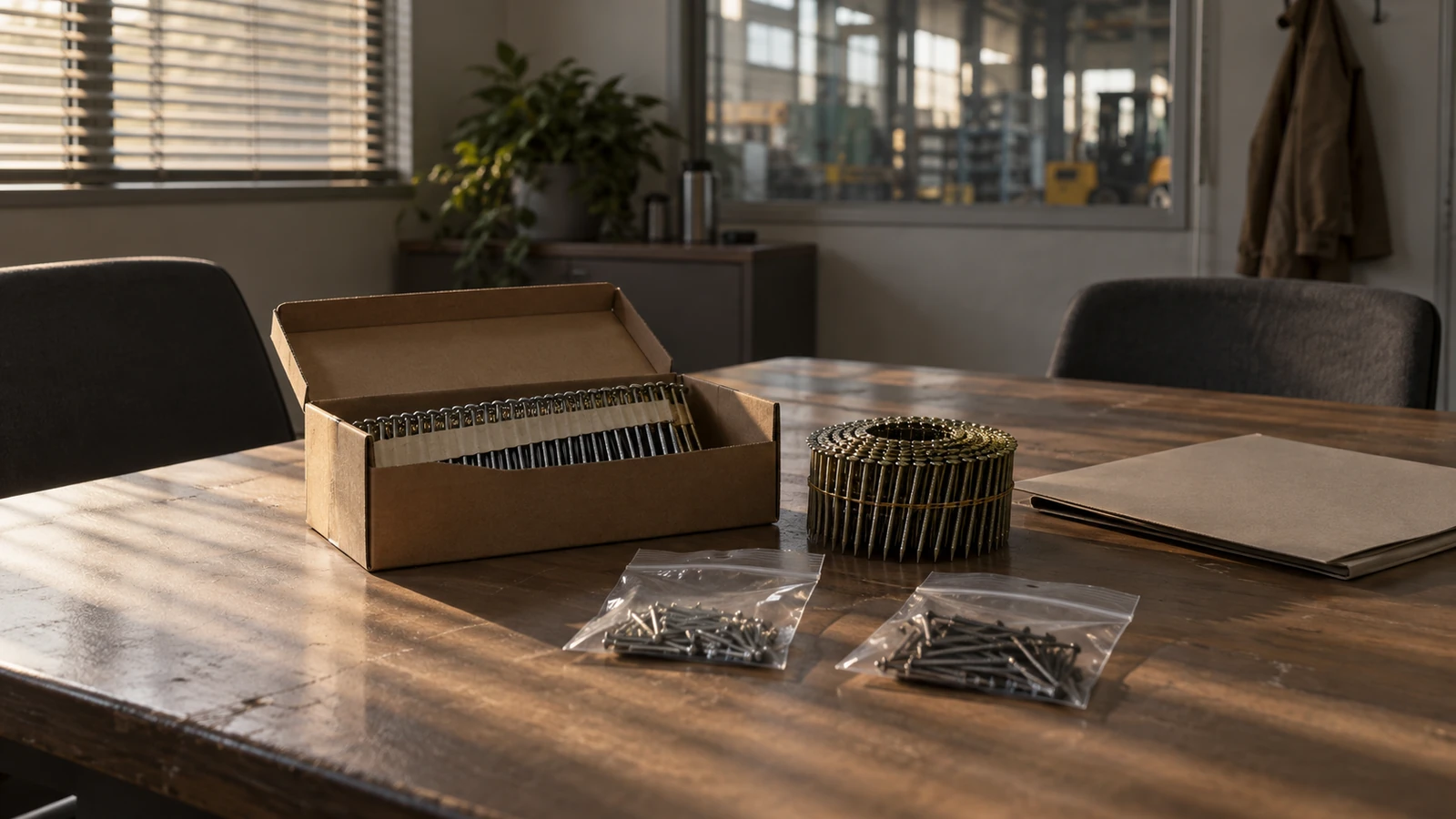
It also helps to ask for samples early. A lot of sourcing pain comes from approving a part on paper that behaves differently in real material. Paper is patient. Wood, fabric, and production operators are less so.
Common mistakes buyers make
The biggest mistake is assuming a familiar fastener is “basically fine” because it is close. Close is not the same as compatible. The second mistake is underestimating installation speed. A fastener that technically works but feeds poorly can quietly become a labor cost problem.
Another trap is ignoring finish and corrosion resistance until after the first field complaint. By then, everyone is collecting notes and pretending this was part of the plan.
What to expect from a capable fastener manufacturer
A good fastener manufacturer should help translate application needs into a usable specification, not just send a catalog and wish you luck. Look for practical guidance on geometry, materials, compatibility, and sampling. If your project is in upholstery, furniture, packaging, or light assembly, that industry context matters. The best suppliers tend to ask a few uncomfortable questions early, which is usually a good sign.
Practical next step
If you are reviewing a custom fastener manufacturer, prepare three things before you start: the base material, the installation method, and the failure mode you want to avoid. Those three details usually narrow the field faster than a dozen meetings. Once the application is clear, custom fasteners become much less mysterious and a lot more useful.