
Why custom fasteners matter when the product has to survive real use
If you are comparing a custom fastener manufacturer, you are usually past the stage of asking whether a standard bolt or staple exists. The real question is whether a fastening part will behave correctly in your actual assembly: wood, fabric, sheet metal, plastic, vibration, moisture, and all the little abuse conditions that show up after the shipment leaves the dock. That is where custom fasteners earn their keep. They reduce awkward workarounds, improve assembly consistency, and—if you choose well—save a production line from the kind of small headaches that become expensive very quickly.
This matters for engineers, sourcing managers, and product teams because a fastener is rarely just a fastener. It affects cycle time, serviceability, appearance, pull-out resistance, and sometimes the warranty claim that ruins everyone’s week. A decent supplier can help you move from “this part almost fits” to “this part belongs here.” Small difference, large mood swing.
What a custom fastener manufacturer actually helps you solve
In manufacturing, the usual reasons for going custom are practical rather than glamorous. A standard fastener might be too long, too short, too soft, too visible, or simply inconvenient for the assembly sequence. You may need a geometry that clears nearby parts, a material that resists corrosion, or a head style that plays nicely with a specific tool.
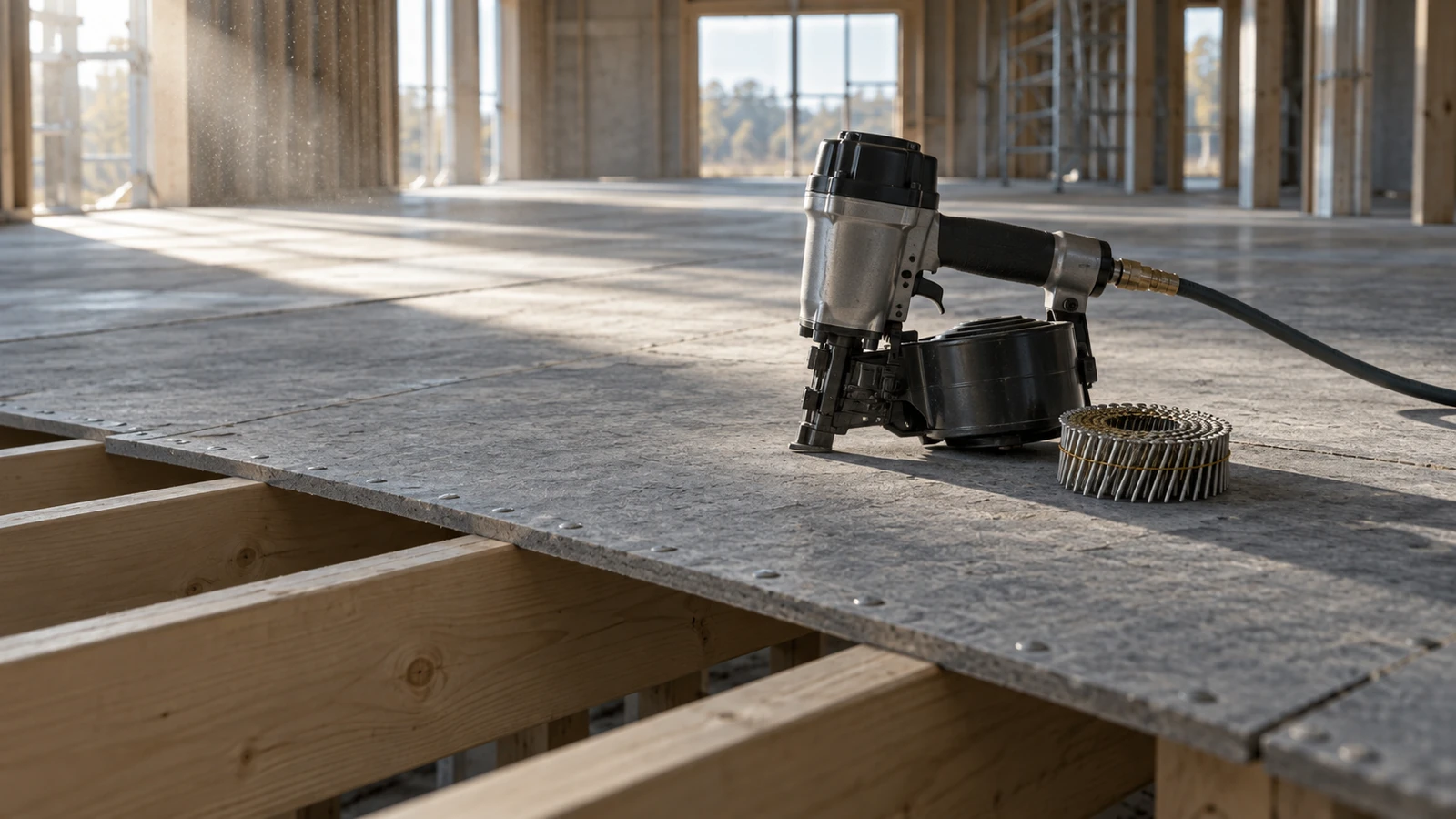
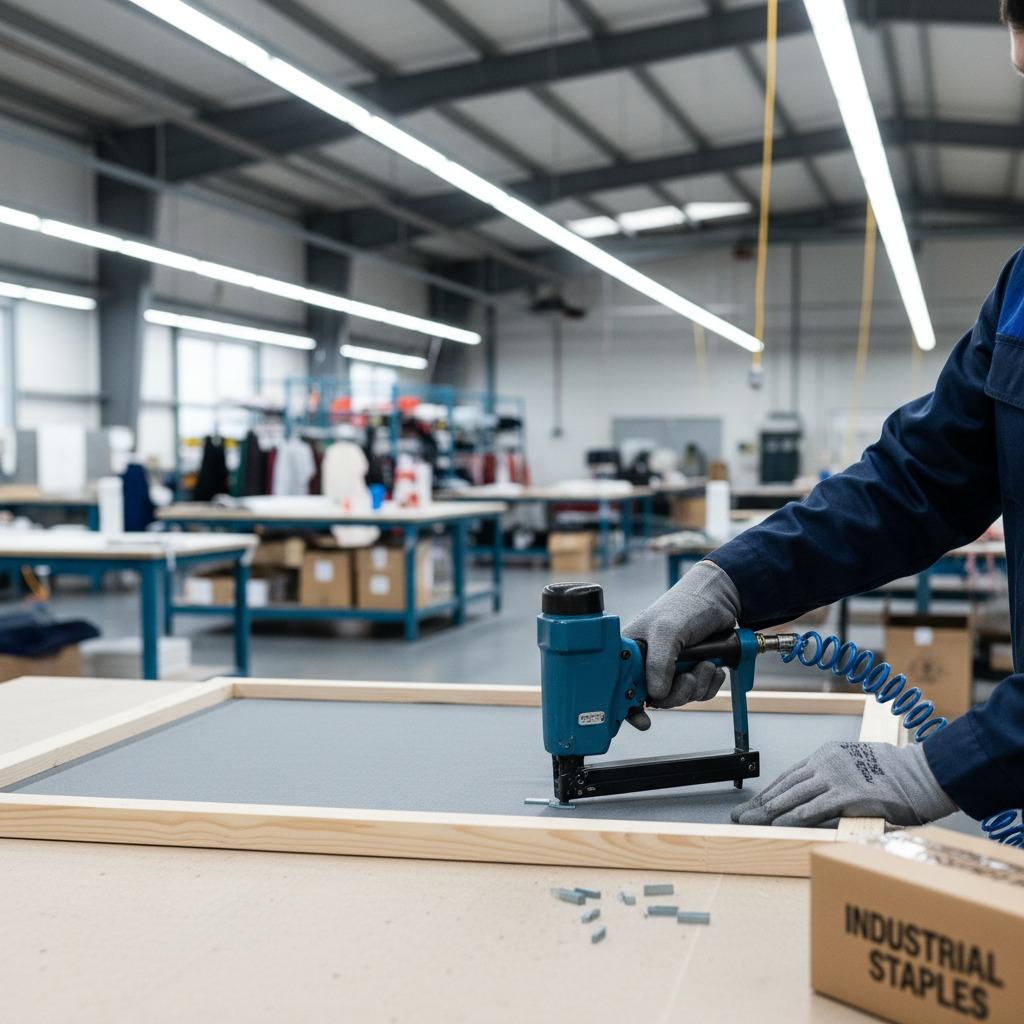
The process can also involve the fastening method itself. For example, a pneumatic staple tool used in upholstery or frame assembly is a reminder that the fastener and the tool have to work together. In shop-floor production, the best choice is often the one that keeps operators moving without having to “encourage” the part into place. Nobody wants a line held hostage by a stubborn staple that acts like it pays rent.
Common custom fastener types and where they show up
Staples and light-duty fastening parts
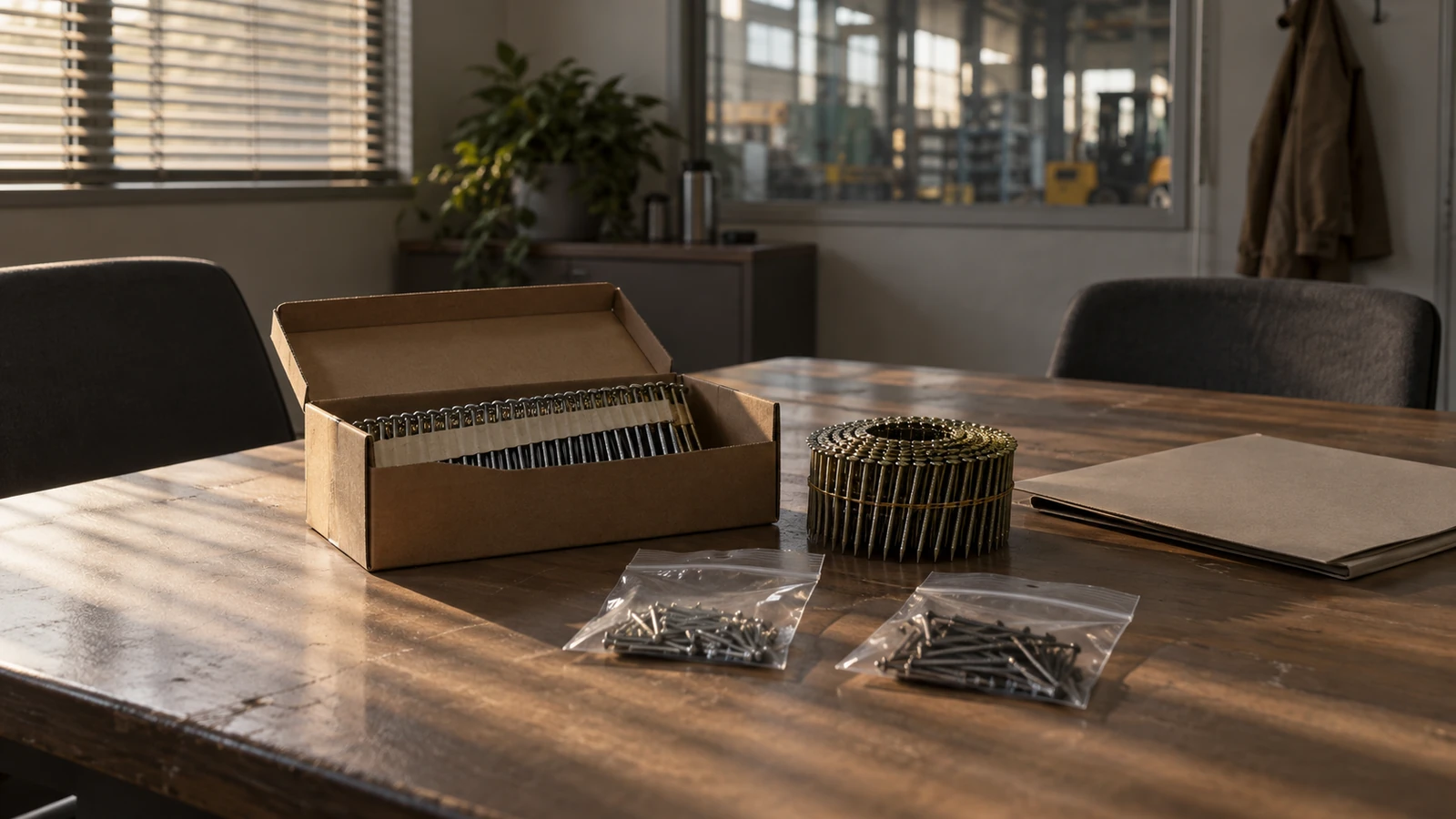
Upholstery, furniture making, frame construction, and light woodworking often rely on staples or similar fasteners for attaching fabric, padding, or thin panel material to wood. A pneumatic handheld stapler is a familiar sight in these operations because it provides repeatable fastening with compressed air and a trigger-operated head. For many buyers, the key question is not whether stapling works, but whether the staple form, length, and holding power suit the substrate and the production pace.
Machined and formed custom fasteners
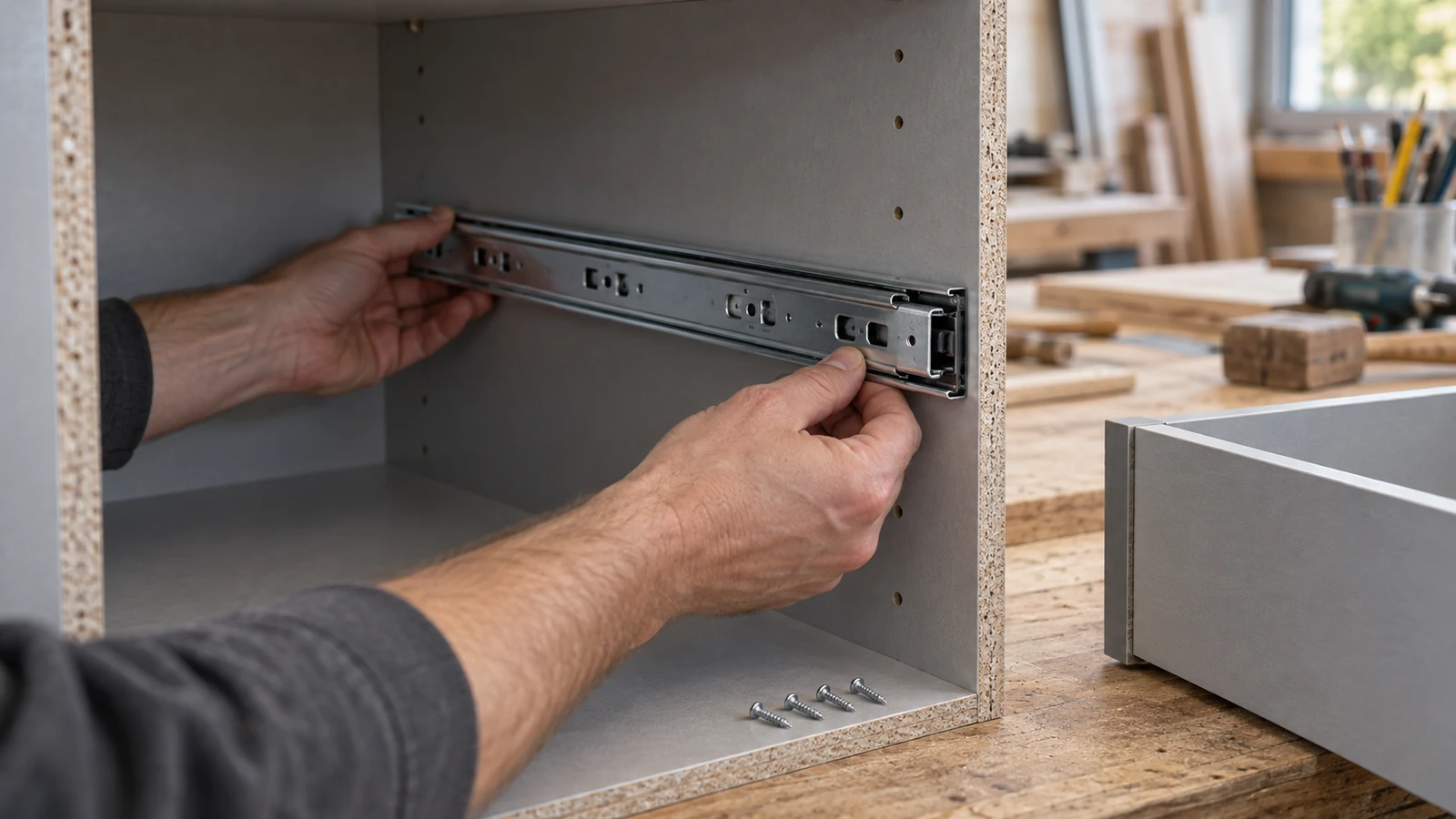
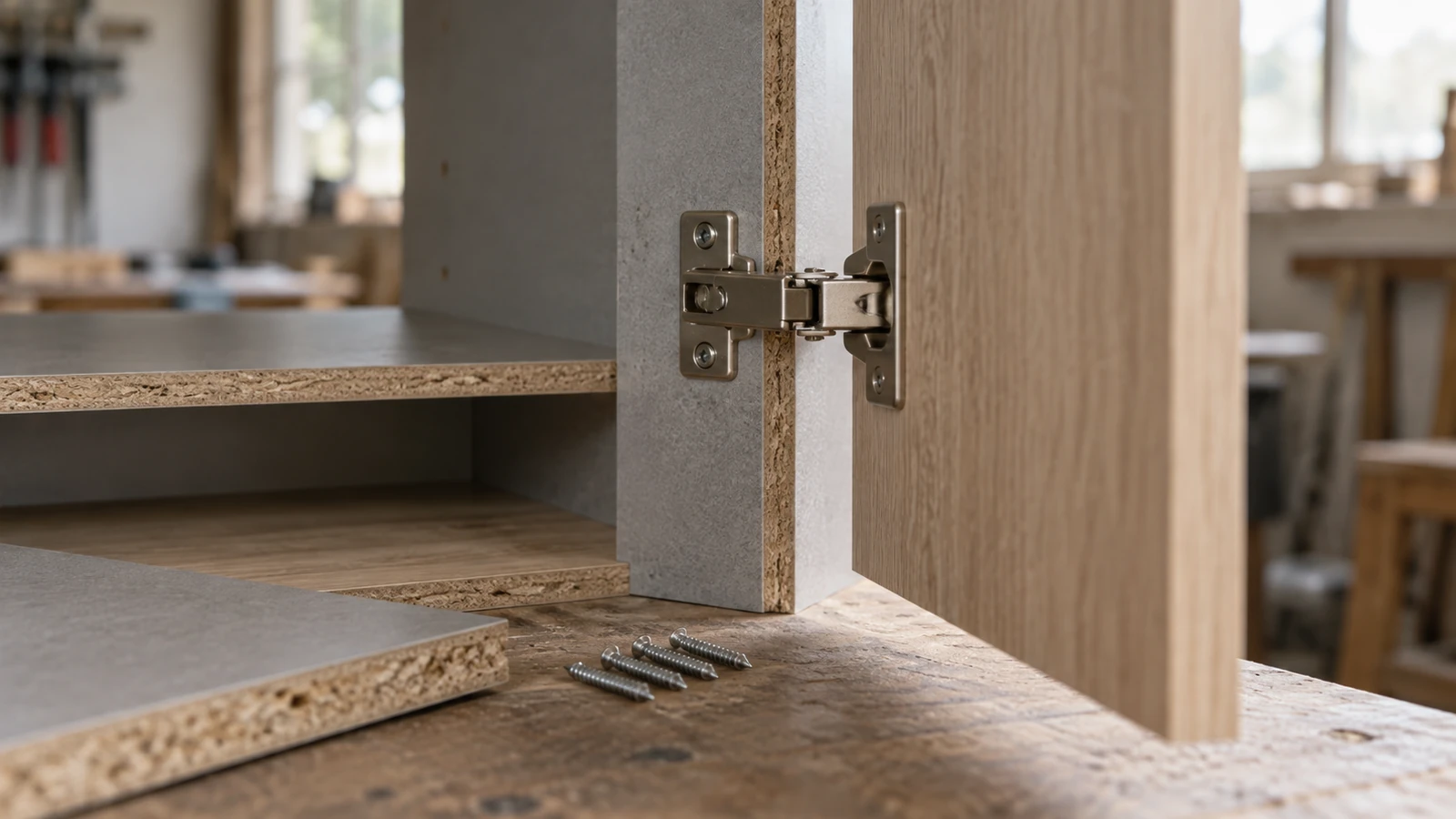
Other applications call for screws, pins, clips, inserts, or specially formed retention parts. These are commonly chosen when the design needs a specific load path, a hidden joint, or a fastening feature that supports automated assembly. The exact part may be small, but the effect on manufacturability can be huge.
How to evaluate a custom fastener manufacturer
Start with the boring questions, because the boring questions are usually the expensive ones. Can the supplier make to your drawing or sample? Do they understand your base material and assembly method? Can they support the quantity you need without turning every reorder into a fresh engineering debate? A good fastener manufacturer should be comfortable discussing material options, fastening performance, and how the part will be used on your line.
Also ask how they handle repeatability. If a custom fastener changes shape or finish from one batch to the next, your process will feel it immediately. In a production setting, consistency often matters more than theoretical perfection. The prettiest drawing in the world does not help if the part jams in the tool or refuses to seat cleanly.
Practical buyer advice before you commit
Before ordering, define the job as plainly as possible: what is being fastened, into what material, under what load, and in what environment. If the application is upholstery assembly or frame construction, include details on the substrate and whether the fastener is being driven manually, pneumatically, or in a semi-automated station. That context saves time and reduces the chance of a disappointing first trial.
If you are comparing custom fasteners, ask for samples or a test run whenever possible. One caution: do not judge a fastener by appearance alone. A shiny part that looks well-made can still be wrong for the application. Likewise, a plain-looking part may be exactly what your process needs.
Common mistakes buyers make
The first mistake is specifying the part too narrowly before understanding the assembly constraints. The second is assuming the same fastener will work across multiple materials. Wood, textiles, foam, and composites do not all respond the same way, which is inconvenient but not negotiable. The third mistake is ignoring the tool side of the equation; a fastening part that looks ideal on paper may be difficult to drive consistently with the equipment on the floor.
Another frequent issue is underestimating how a small change affects downstream work. If a custom fastener improves holding power but slows installation, you may have traded one problem for another. Manufacturing has a talent for collecting these little ironies.
What a good sourcing decision looks like
The best sourcing outcome is not simply finding a fastener that exists. It is finding a custom fastener manufacturer that can translate your application into a part that installs cleanly, performs reliably, and fits your production flow. For engineers, that means fewer surprises in testing. For sourcing managers, it means fewer fire drills. For product teams, it means a cleaner design story and fewer compromises hidden behind trim or glue.
If you are preparing a spec, start with the application, the substrate, the fastening tool, and the failure mode you want to avoid. Then ask suppliers to respond to that reality, not just to a line on a purchase order. That is usually where the useful conversations begin.
FAQ: quick questions buyers ask
Do I always need a fully custom part?
Not always. Sometimes a standard fastener with a minor modification is enough. The point is to match the part to the process, not to make everything exotic for its own sake.
Can the same supplier support both design and production?
Often yes, but check whether they can handle your volumes and repeat requirements. Prototype-friendly and production-ready are not always the same personality.
When should I move away from off-the-shelf fasteners?
When fit, holding power, appearance, or assembly speed starts causing recurring issues. That is usually the market telling you—politely or not—that it is time to talk custom.
Next step
Before you send a drawing, write down the real fastening problem in plain language. If you are working on upholstery, furniture, frame assembly, or another light manufacturing process, that short summary will help a custom fastener manufacturer recommend something that actually works on the line, not just in a CAD file.