
What buyers are really looking for in a drywall screw factory
If you are sourcing from a drywall screw factory, you are usually not buying “just screws.” You are buying consistency on the line, predictable drive performance, and a fastener that will behave the same way across a truckload of cartons. That matters more than it sounds. In wall and ceiling work, a screw that cams out too easily or snaps during driving slows crews down, and the damage shows up later as call-backs, popped fasteners, or uneven boards.
For contractors, distributors, and private-label buyers, the real question is not whether a drywall screw looks right in a box. It is whether the drywall screw manufacturer can hold the small details that matter in bulk production: head geometry, thread formation, coating consistency, and packaging that survives handling. The job may be simple on paper, but drywall fastening is unforgiving in practice.
What drywall screws do, and why the details matter
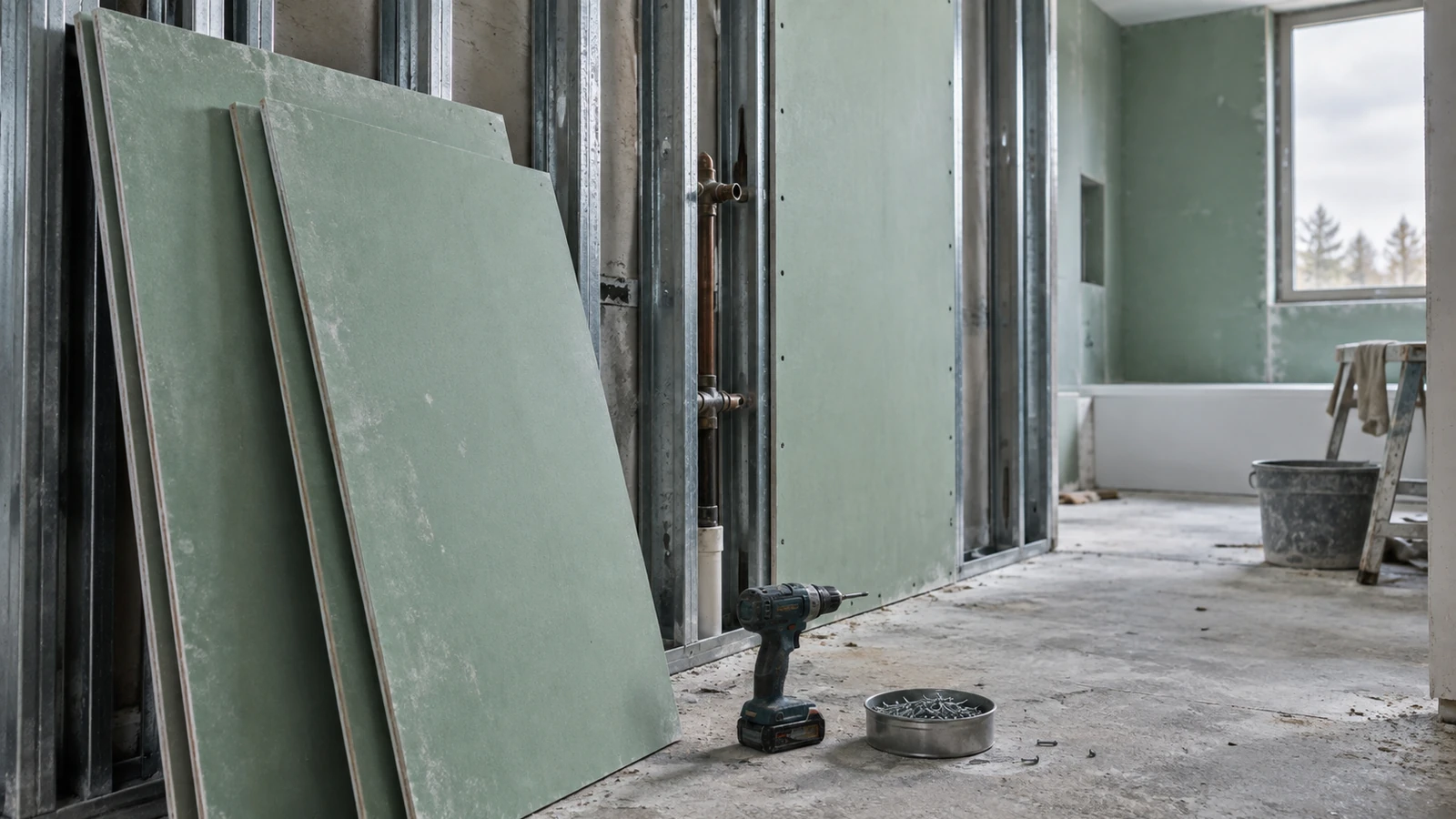
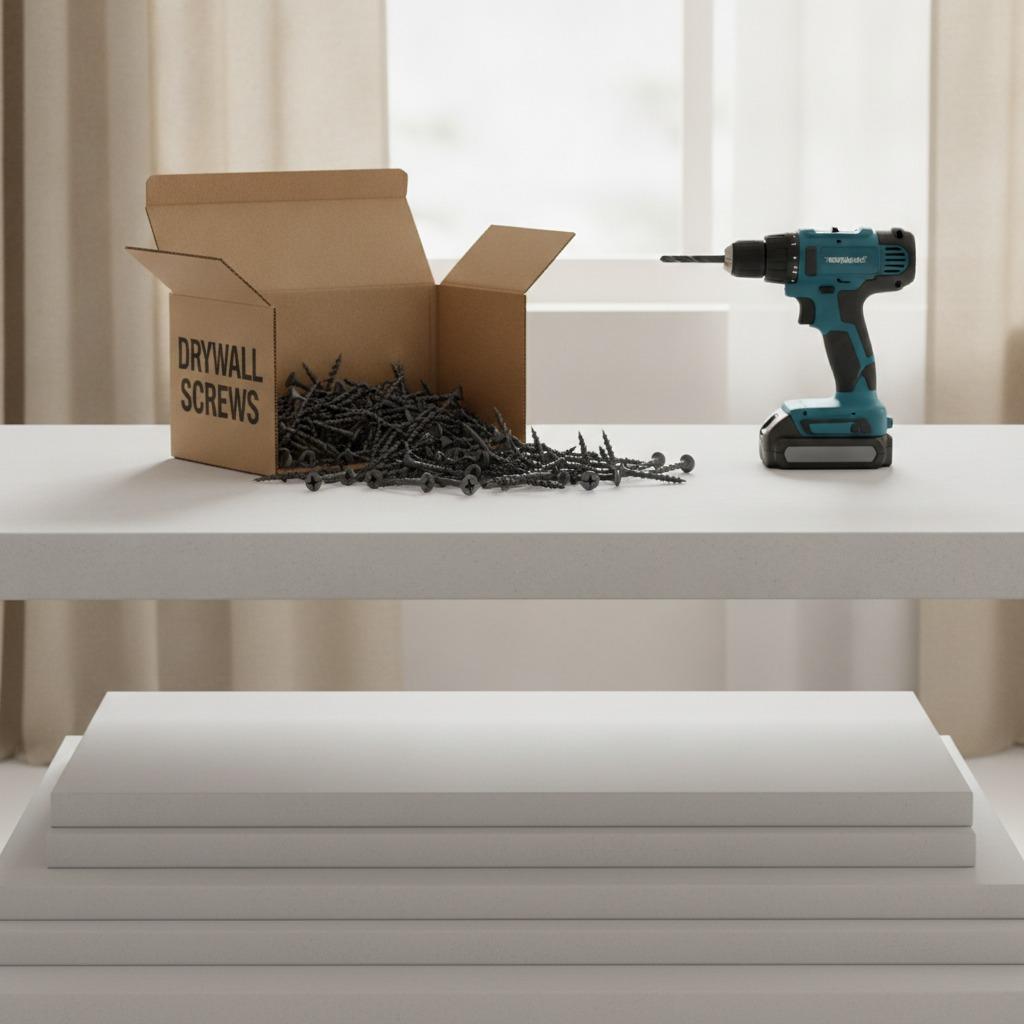
Drywall screws are used to fasten drywall panels to wood or metal studs during interior wall and ceiling installation. They are also common in renovation work, partition framing, and general interior fastening. The product image here points to a typical bulk-packed fastener: dark-coated metal screws in a cardboard carton, with a cordless drill/driver nearby. That is a straightforward clue, but it also hints at the buyer’s priorities. These screws must be easy to feed, easy to drive, and suitable for repetitive use on site.
The visible features suggest a coarse-thread drywall screw, likely intended for quick engagement in wood framing. The exact metal grade, coating, drive type, and thread pattern are not identifiable from the image, so it is better to treat those as specification points to verify rather than assumptions to repeat in a catalog listing.
How a drywall screw factory typically makes these fasteners
Most drywall screws are produced through metal fastener manufacturing methods such as cold heading and thread rolling. That combination matters because it shapes the head and forms the threads without cutting away unnecessary metal. In ordinary terms, the process is built for volume and uniformity.
After forming, screws are commonly given a corrosion-resistant coating or a black phosphate-type finish, especially for interior use. I would be cautious here: finish names are often used loosely in sales copy, and a buyer should confirm the actual coating system before assuming a specific performance level. A dark surface alone does not tell you enough.
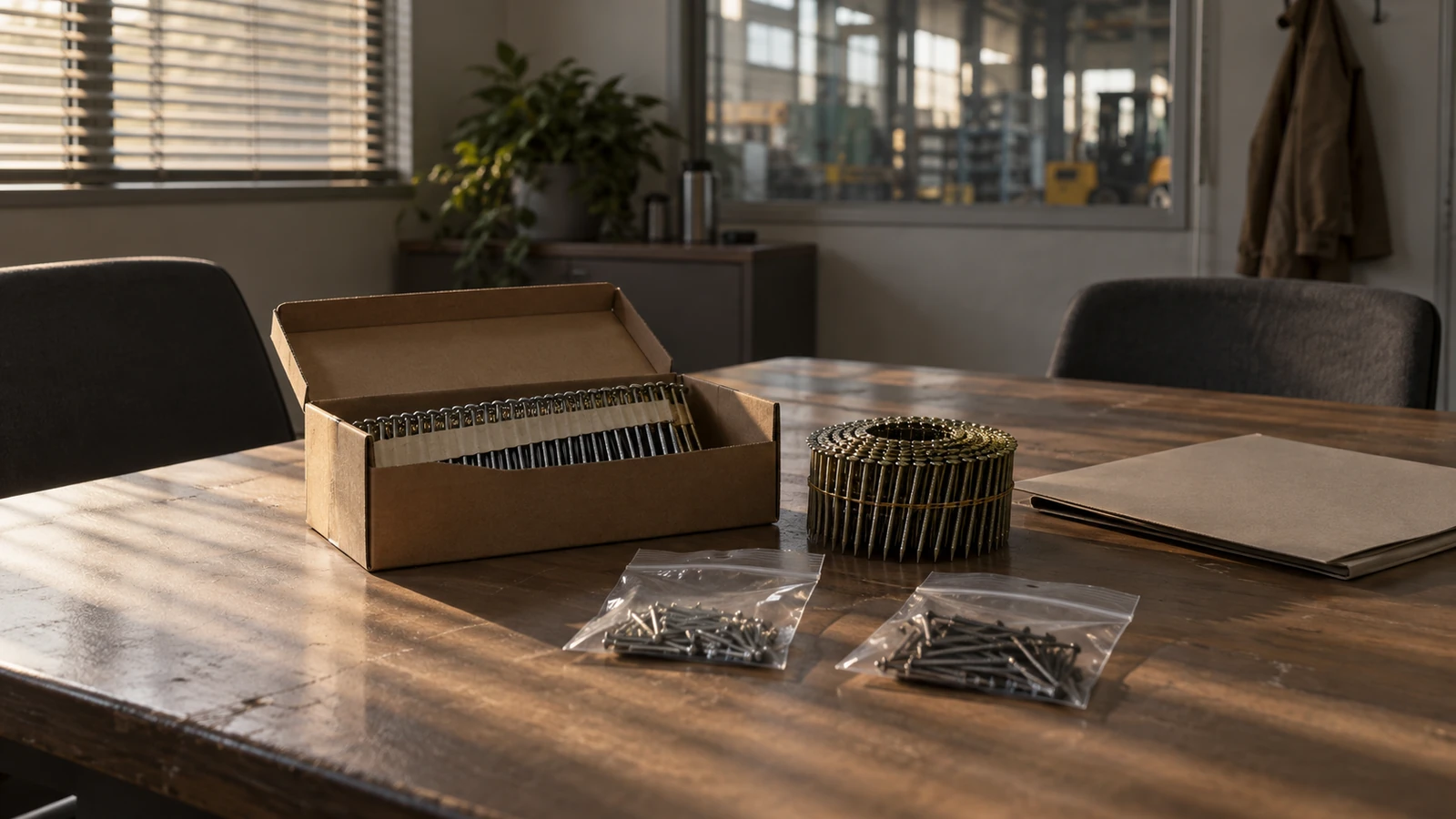
In a good factory, the production line is only half the story. The other half is quality control around dimensions, thread consistency, drive fit, and packaging. Loose fasteners packed in cardboard cartons, as shown here, are practical for bulk dispatch, but they also require stable counting, clean surfaces, and protection against damage in transit.
Drywall screw supplier comparison: what to compare before you place an order
When evaluating a drywall screw supplier, buyers usually compare the following points:
First, the screw geometry. Even small differences in head shape or thread form can affect driving behavior. Second, the finish. Interior fasteners may not need the same corrosion resistance as exterior hardware, but they still need a coating that supports storage and handling without excessive rusting. Third, packaging. Contractors often want bulk cartons that are easy to move, label, and stock. Distributors may care more about carton durability and barcode readiness. Fourth, manufacturing consistency. If the screws are meant for powered screwdriver use, the drive feel should stay steady from the first box to the last.
There is a practical buyer warning here: do not rely on product photos alone. A dark screw in an open carton can look standard even when the underlying specification varies. Ask for the technical sheet, sample cartons, and confirmation of the exact fastener type before you commit to volume.
Common mistakes buyers make
One common mistake is treating all drywall screws as interchangeable. They are not. Application matters. Wood studs and metal studs do not always want the same fastener behavior, and the wrong choice can slow installation or create avoidable failures.
Another mistake is over-focusing on price while ignoring drive quality. A slightly cheaper carton may cost more on site if the screws strip, wobble, or break too often. That is especially true in contractor work, where labor costs outrun fastener costs very quickly.
Buyers also sometimes forget packaging. Bulk-packed screws are useful, but if the carton fails, inventory loss and mess follow. That may sound minor until someone opens a crushed box on a jobsite.
Practical questions to ask before choosing a manufacturer
Can the factory support your application?
Ask whether the screws are intended for drywall to wood, drywall to metal, or general interior fastening. The supplier should be able to explain the intended use clearly, even if the exact thread and head details are still being finalized.
Can they maintain visual and functional consistency?
For a fastening product, consistency is not cosmetic. The same screw should drive the same way across repeated cartons. If a sample batch looks right but the next shipment does not, you will feel that immediately in the field.
Can they handle bulk packaging well?
Since this product is shown in a simple carton labeled “DRYWALL SCREWS,” buyers should confirm carton strength, labeling accuracy, and handling protection. That is especially relevant for export, warehouse storage, or retail resale.
A sensible next step for sourcing teams
If you are shortlisting a drywall screw manufacturer, start with the application, then narrow the specification, then test the sample under real driver conditions. For a seemingly ordinary fastener, that order matters. A screw that performs well in the hand tends to save more money than a slightly lower unit price on paper.
Request samples, confirm the finish and dimensions, and compare how the screws behave in actual drywall installation rather than in a brochure description. If you need a bulk supply partner, a drywall screw factory that can keep the product uniform, packed cleanly, and suited to powered installation is usually the one worth sticking with.