
Why drywall screw sourcing is getting more attention right now
The humble drywall screw factory is having a moment, and not just because construction schedules are tight. In a market where installers want fewer stripped heads, cleaner board placement, and less time spent reworking joints, the screw itself has become a quiet quality signal. Buyers who once treated drywall fasteners as a commodity are asking more practical questions: Is the thread geometry consistent? Does the coating behave well in real jobsite conditions? Can the supplier keep bulk packaging stable from order to order?
That matters because drywall screws sit at the point where product design meets labor cost. A fastener that drives cleanly can save minutes on every sheet. Multiply that by a commercial fit-out or a large residential project and the economics become obvious. For sourcing managers, the decision is not simply about unit price. It is about whether the drywall screw manufacturer can deliver a repeatable product that crews actually like using.
What you are looking at in a typical drywall screw supply
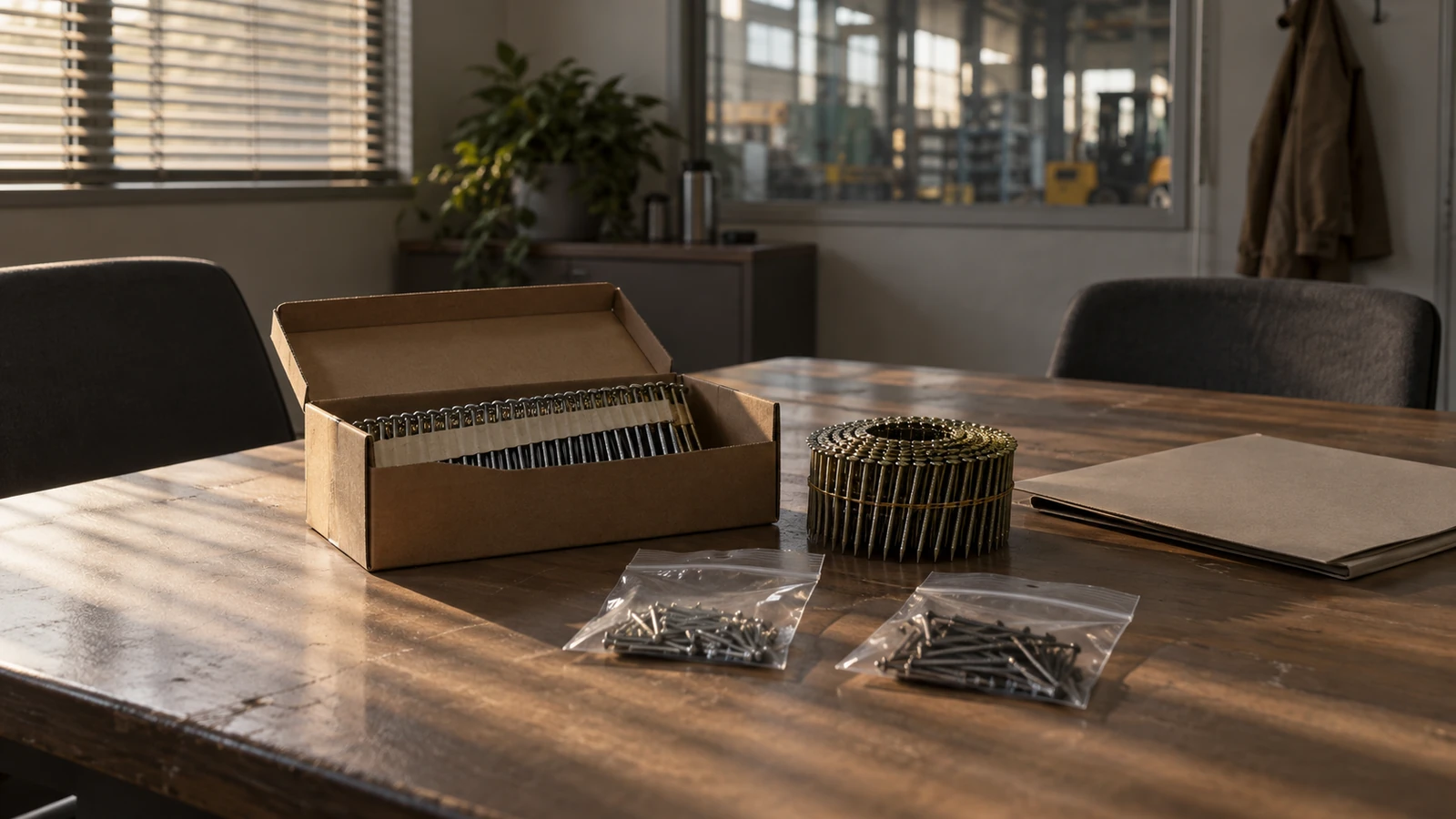
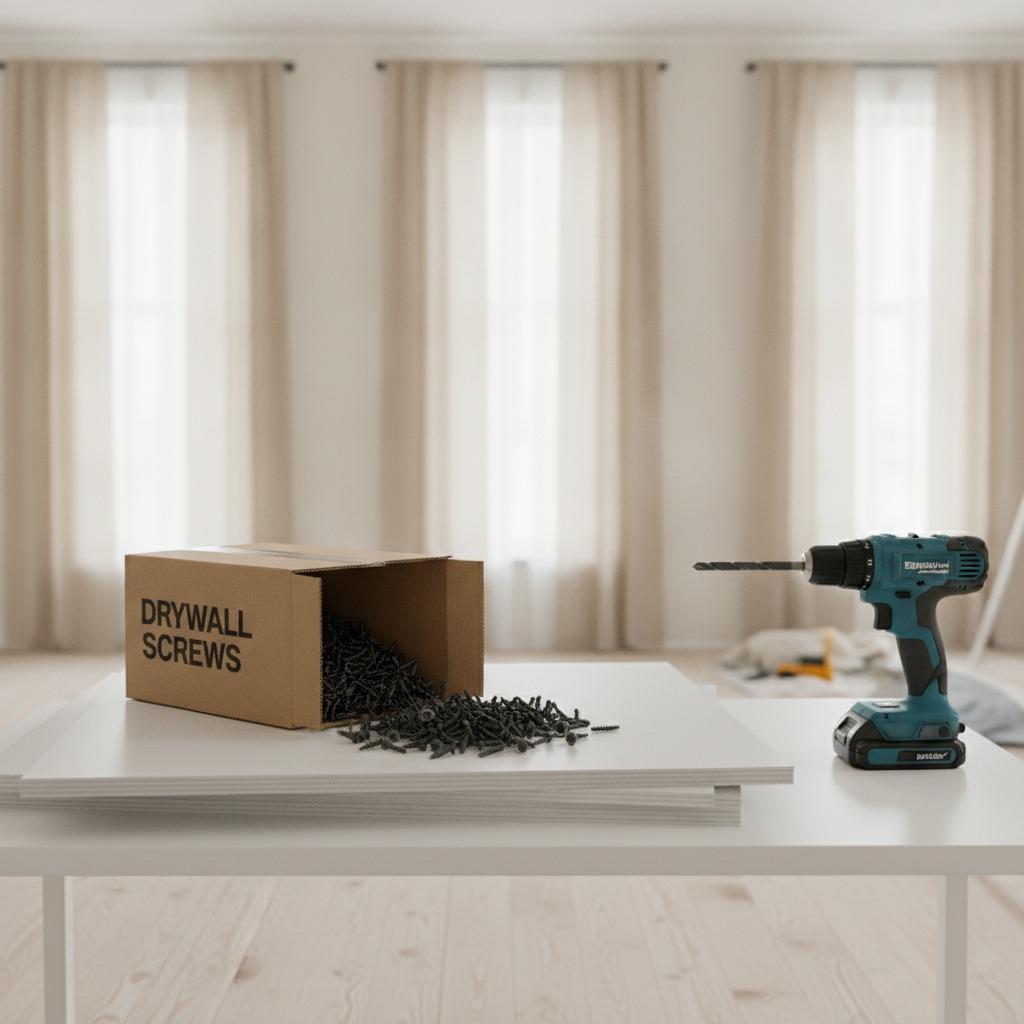
The product described here is a bulk carton of drywall screws, the kind often used with a cordless drill or driver on interior wall jobs. The visible features are familiar: dark-coated metal screws, Phillips-style cross recess heads, fine-threaded shanks, sharp pointed tips, and a bugle or countersunk-style head profile. In plain terms, these are made to bite into drywall and seat flush without tearing the paper face more than necessary.
That is the useful part for a buyer. The less visible part is just as important. Steel grade, coating chemistry, thread accuracy, and heat-treatment details can all vary, and those differences are not obvious from a carton photo. A reliable drywall screw supplier should be able to explain the intended application clearly, whether the screws are aimed at wood framing, metal framing, or broader construction use. If that answer is vague, treat it as a warning sign.
Fasteners may look alike, but performance is not identical
Drywall screws are one of those products where small manufacturing differences show up quickly on site. A point that starts too blunt can wander. A recess that is not formed cleanly can cam out under driver pressure. Threads that are inconsistent can leave installers fighting resistance instead of moving steadily through the work.
For trade buyers, the practical question is not how the fastener looks in a carton; it is how it behaves in repetitive use. A crew driving hundreds or thousands of screws wants stable feed, predictable seating depth, and a finish that does not create avoidable friction. None of that sounds glamorous. It is still the difference between a smooth installation and a frustrating one.
What to ask before placing a bulk order
Application fit
Start with the framing material and the board type. Drywall screws used on wood are not always the best choice for metal studs, and not every drywall screw is designed for dual-purpose framing. If the supplier cannot specify the intended use, the buyer is left guessing.
Packaging and handling
The carton format matters more than many purchasing teams expect. Bulk cartons are efficient for construction supply channels, but only if they travel well and protect the screws from damage or contamination. Loose screws spilling from an open-top box may be fine for a photo, but in actual distribution the packaging has to hold up.
Driver compatibility
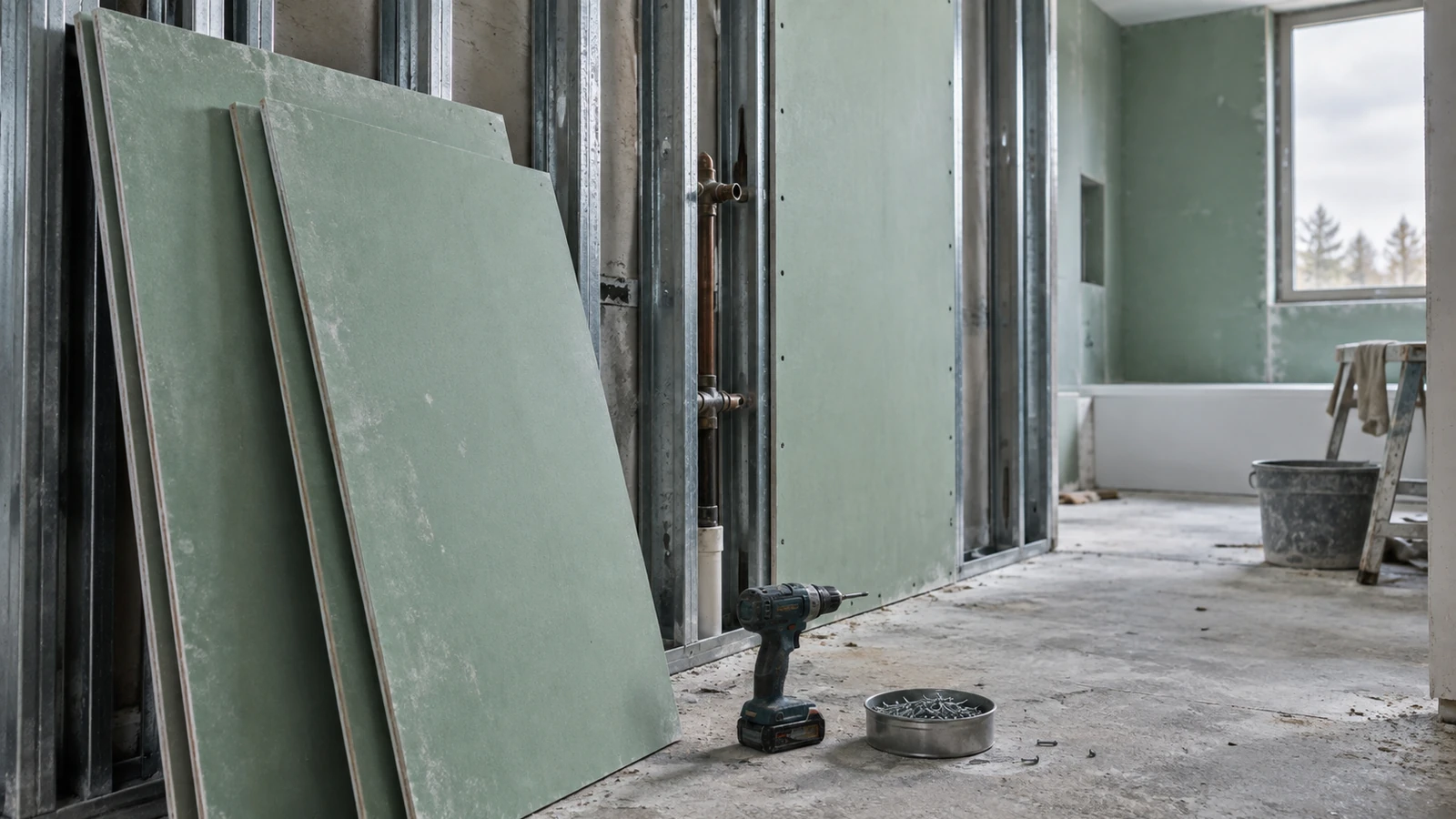
These screws are clearly meant to be driven with a power screwdriver or drill. That sounds obvious, yet it is worth confirming the recess quality and consistency. If the head geometry is poor, the installer feels it long before the QC report does.
Common mistakes buyers still make
The most common mistake is buying on appearance alone. Dark coating, sharp tips, and a neat carton are not proof of process control. Another mistake is assuming all drywall screws are interchangeable. In practice, thread style, head shape, and coating behavior influence both installation speed and final finish.
There is also a procurement trap on the packaging side. Bulk cartons are efficient, but if the carton count, labeling, or handling format is unclear, receiving and inventory teams end up doing extra work. That is the sort of small friction that spreads through a project and gets remembered long after the purchase order is closed.
How to evaluate a manufacturer without overcomplicating it
When speaking with a drywall screw manufacturer, focus on repeatability and clarity. Ask how they control forming consistency, what applications the screws are designed for, and whether they can support stable bulk supply. You do not need a lecture on metallurgy. You do need straight answers about product scope and production reliability.
If the supplier can discuss the screw geometry in practical terms and confirm packaging suited to construction distribution, that is a better signal than a polished brochure. In this category, plain competence beats marketing language almost every time.
Buyer takeaway
For engineers, sourcing managers, and product teams, the real decision is not whether drywall screws are available. It is whether the supplier can provide a fastener that installs cleanly, ships in useful bulk packaging, and matches the job it is meant to do. The best drywall screw factory is usually the one that can explain its product without exaggeration and keep the order consistent when demand rises.
If you are comparing options now, request application details, packaging specs, and a clear statement of intended framing use before you place volume business. That short conversation often tells you more than a long product sheet.