
What a drywall screw factory is really selling
A drywall screw factory is not just making small black screws and boxing them up. It is producing a fastening system that has to behave predictably on a jobsite, where installers care less about metallurgy in the abstract and more about whether the screw drives cleanly, seats properly, and holds gypsum board without tearing the paper face. For buyers, that makes the choice of a drywall screw supplier a practical sourcing decision, not a commodity afterthought.
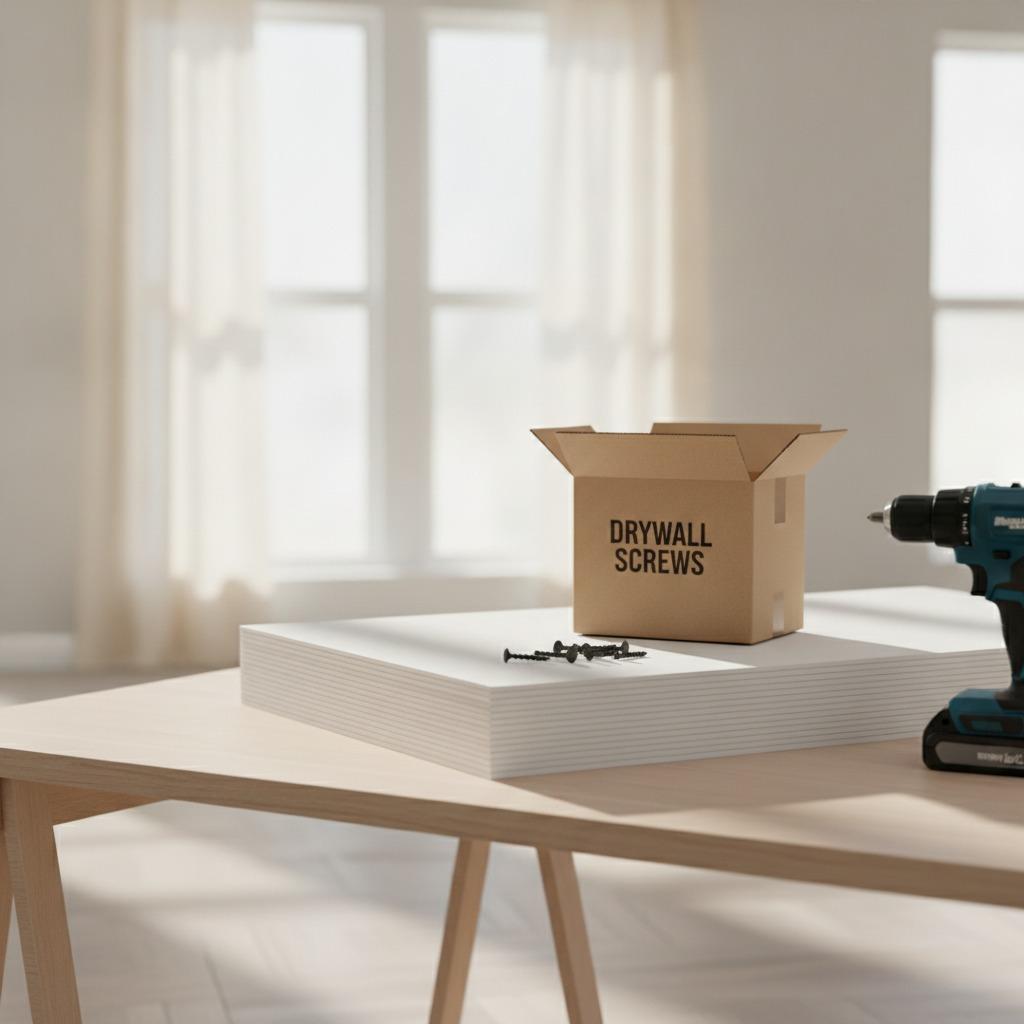
The product in this case is a boxed drywall screw for fastening gypsum board to wood or metal framing. The visible design cues are familiar: a pointed tip, deep coarse threads, and a Phillips-style cross recess head. The black coated finish suggests a corrosion-resistant surface treatment commonly used for drywall applications, although the exact coating cannot be confirmed from the image. That caution matters. In fastener buying, visible finish and actual coating performance are not always the same thing.
Why the screw design matters on the wall
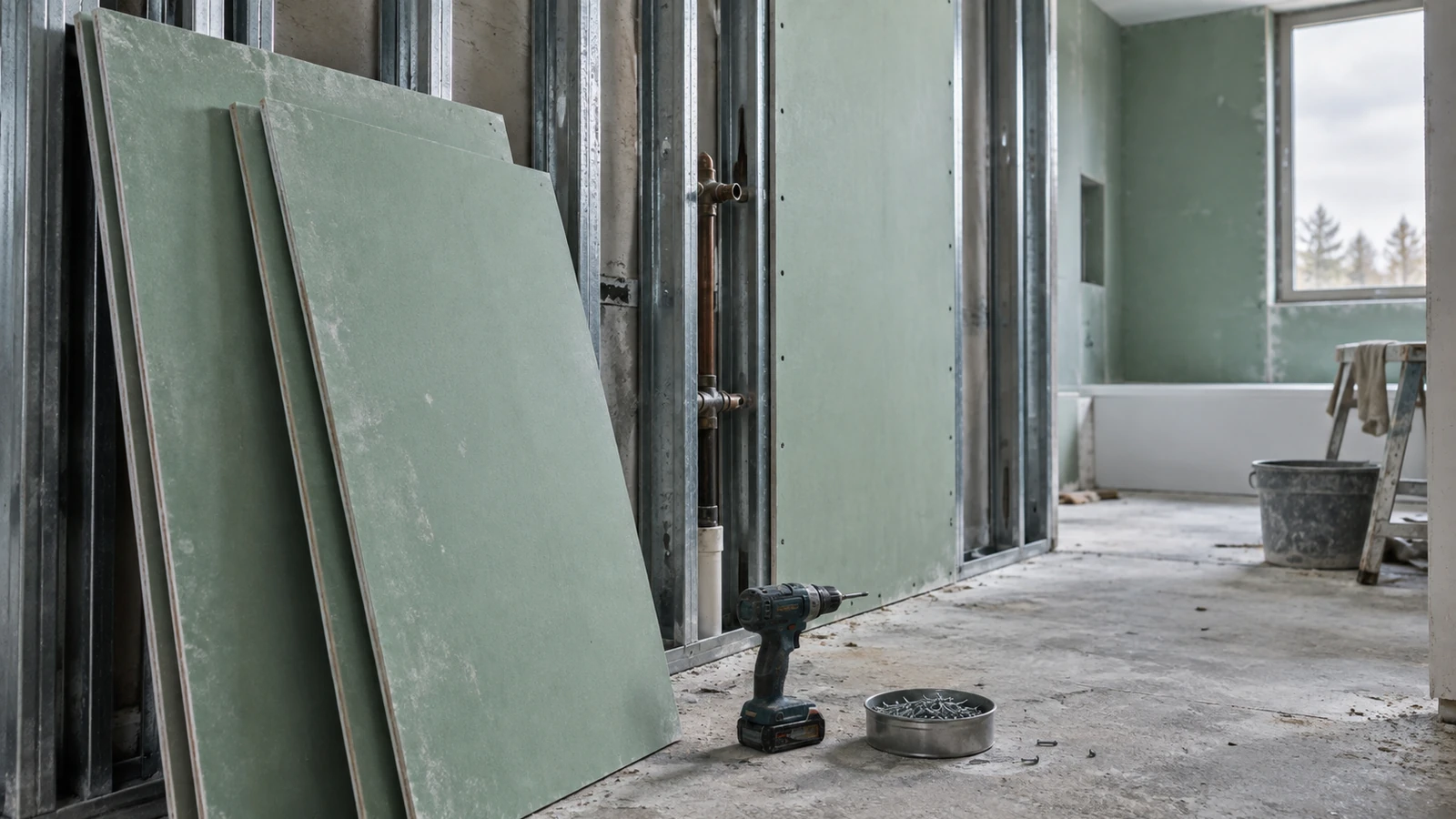
Drywall installation looks simple until a screw twists, strips, or overdrives. Then the paper face breaks, the board loosens, and the finisher has to deal with raised heads or damaged surfaces. That is why the thread form, point geometry, and head shape matter more than casual buyers sometimes assume.
The coarse-thread self-tapping style shown here is typically chosen for fastening gypsum board to wood framing, where thread bite and pull-down are important. The pointed tip helps start quickly, and the deep thread profile gives the screw its holding behavior. In actual use, the driver and bit selection also matter. A screw that is well made can still perform badly if the tool setup is sloppy, especially on repetitive interior construction work.
Inside the manufacturing and finishing steps
A drywall screw manufacturer usually works through a sequence that includes wire preparation, cold forming, thread rolling, heat treatment or strengthening steps as required by the product design, then coating or finishing, and finally sorting and packaging. The exact process cannot be verified from the image, but this is the normal path for metal fasteners in this category.
Thread rolling is especially important because it forms the threads without cutting them. That tends to improve strength and consistency. Coating is the other visible feature buyers notice immediately. In drywall products, the finish is not decorative; it supports corrosion resistance and helps the screw work the way the spec and the jobsite expect.
What the carton tells a buyer
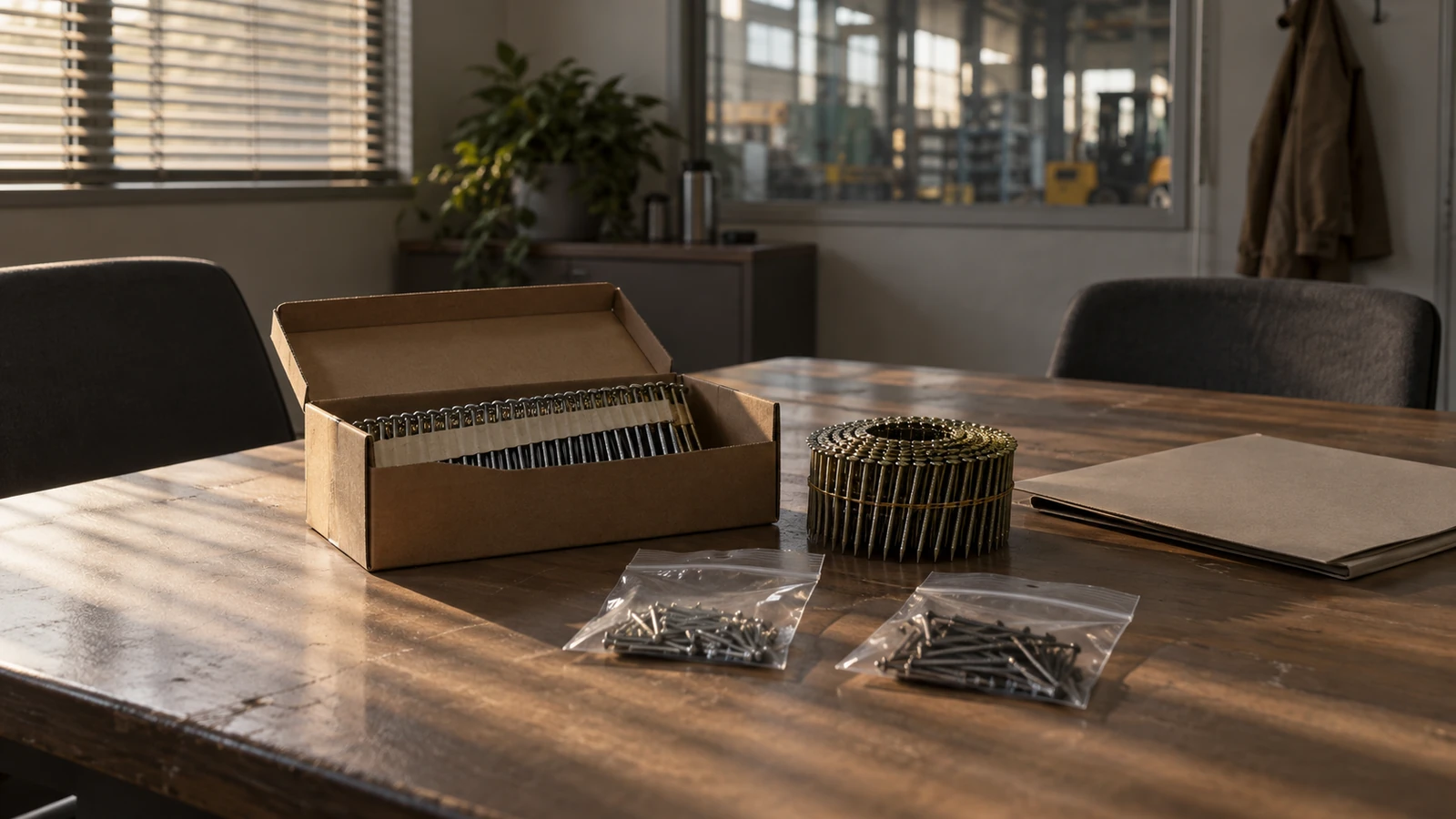
The box packaging is a useful detail. Bulk cartons are common in construction supply because installers need fast access, easy counting, and reduced damage in transit. A clearly labeled carton also helps warehouse staff and procurement teams identify the product quickly, especially when multiple fastener types are moving through the same site.
How to compare suppliers without overcomplicating it
When evaluating a drywall screw supplier, the first question is whether the product matches the application. That sounds obvious, but it is where many sourcing mistakes begin.
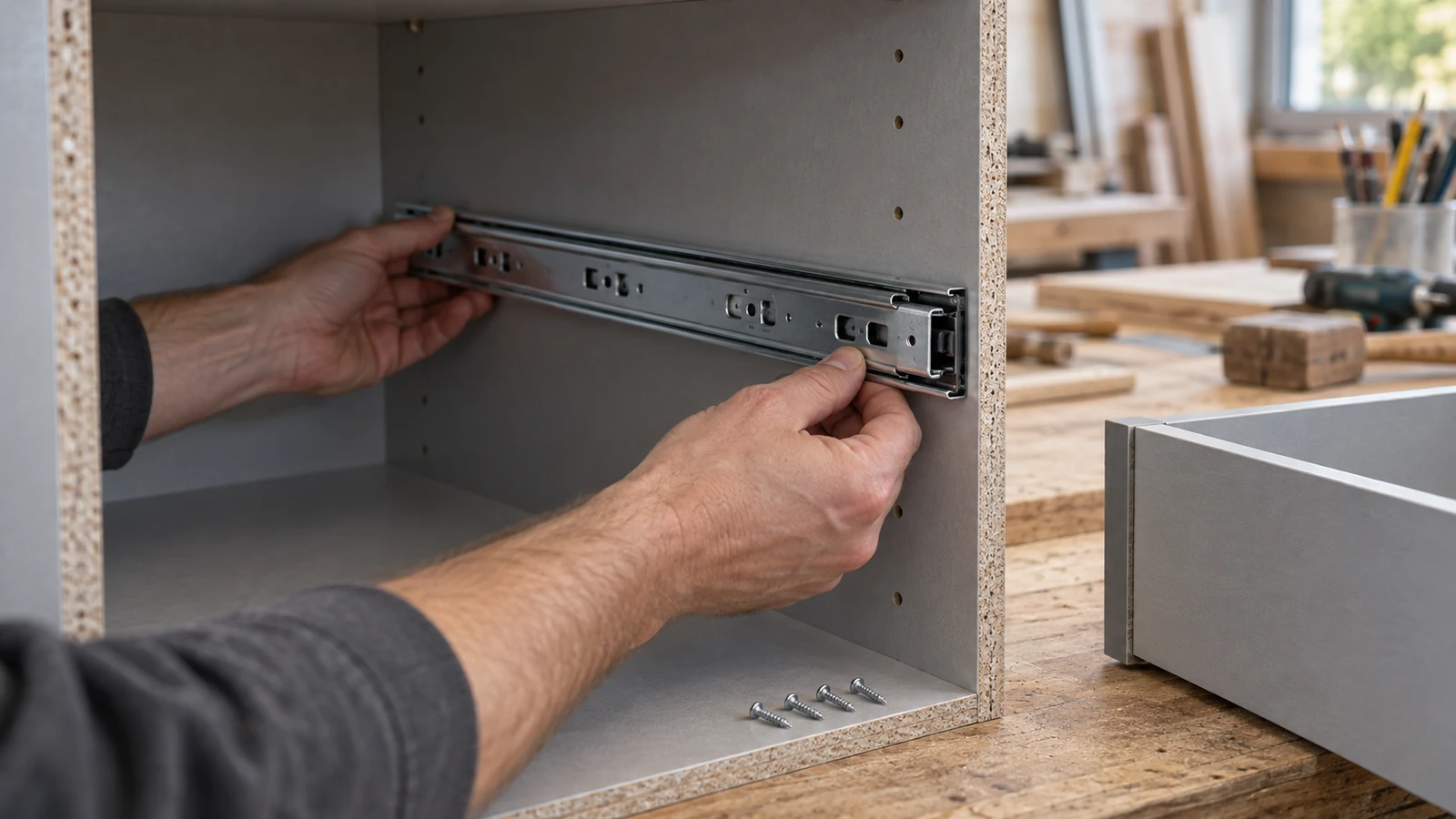
Ask whether the screw is intended for wood framing, metal framing, or both. The image and product notes point to a coarse-thread drywall screw, which is commonly used with wood studs and light-duty interior framing, but the exact use case should be checked before purchase. Also confirm the drive style, head profile, and finish expectations against your internal standard or customer spec. A screw can look right and still be the wrong item for the assembly line or the field crew.
A second question is packaging discipline. Boxed drywall screws should arrive with consistent labeling and intact cartons. For distributors and contractors, that sounds minor until mixed lots or damaged boxes start slowing the crew down.
Common mistakes buyers make
One frequent mistake is treating all black drywall screws as interchangeable. They are not. Thread profile, head form, coating, and intended substrate all affect performance.
Another is assuming the finish automatically means a certain corrosion rating. Unless the supplier states it, do not infer more than the evidence supports. That caution is especially important on projects where moisture exposure, code requirements, or warranty language matter.
A third mistake is buying on appearance alone. The screw shown here is suitable in a general interior construction context, but a serious purchasing decision still needs the product dimensions, material grade, and application guidance from the supplier.
Practical buyer advice
If you are sourcing from a drywall screw factory, request the product family by application, not just by name. In other words, specify where the screw will be used, what it will fasten into, and what finish or packaging format you need. That narrows the risk of getting a fastener that looks correct but behaves differently on site.
For production buyers, it is also worth asking for consistency checks on drive recess formation, thread quality, and coating uniformity. These are the details installers feel first, even if they never mention them in technical language.
FAQ
Are these screws only for drywall?
Primarily, yes. They are designed for fastening gypsum board, though some coarse-thread drywall screws are also used in light-duty interior framing applications where that screw type is specified.
Can I tell the exact coating from the photo?
No. The black finish suggests a corrosion-resistant coating, but the exact coating material is not identifiable from the image alone.
Why does the screw head shape matter?
Because it affects how the driver engages the screw, how well it seats, and how likely it is to overdrive or strip during installation.
What to do next
If you are comparing a drywall screw manufacturer for sourcing, start with the application, then check the visible geometry, finish, and packaging format against your job requirements. That simple filter removes most of the noise. From there, ask for the missing technical details before you commit to volume buying. It saves time later, which on a construction schedule is usually the only currency that matters.