
Why buyers still start with the factory, not the carton
If you are sourcing drywall screws, the useful question is rarely just “what box is cheapest?” It is more often whether the drywall screw factory behind that box can keep the heads consistent, the threads clean, and the coating stable from lot to lot. On a jobsite, drywall screws look simple. In procurement, they are anything but simple once you factor in installation speed, strip-out risk, holding strength, and the way a small fastener issue can slow an entire crew.
That is why buyers usually end up comparing the drywall screw supplier as much as the product itself. The carton only tells part of the story. The factory tells you how the screws are made, how the process is controlled, and whether the product is suited to interior wall and ceiling work, contractor supply programs, or mixed construction inventories.
What the product tells you at a glance
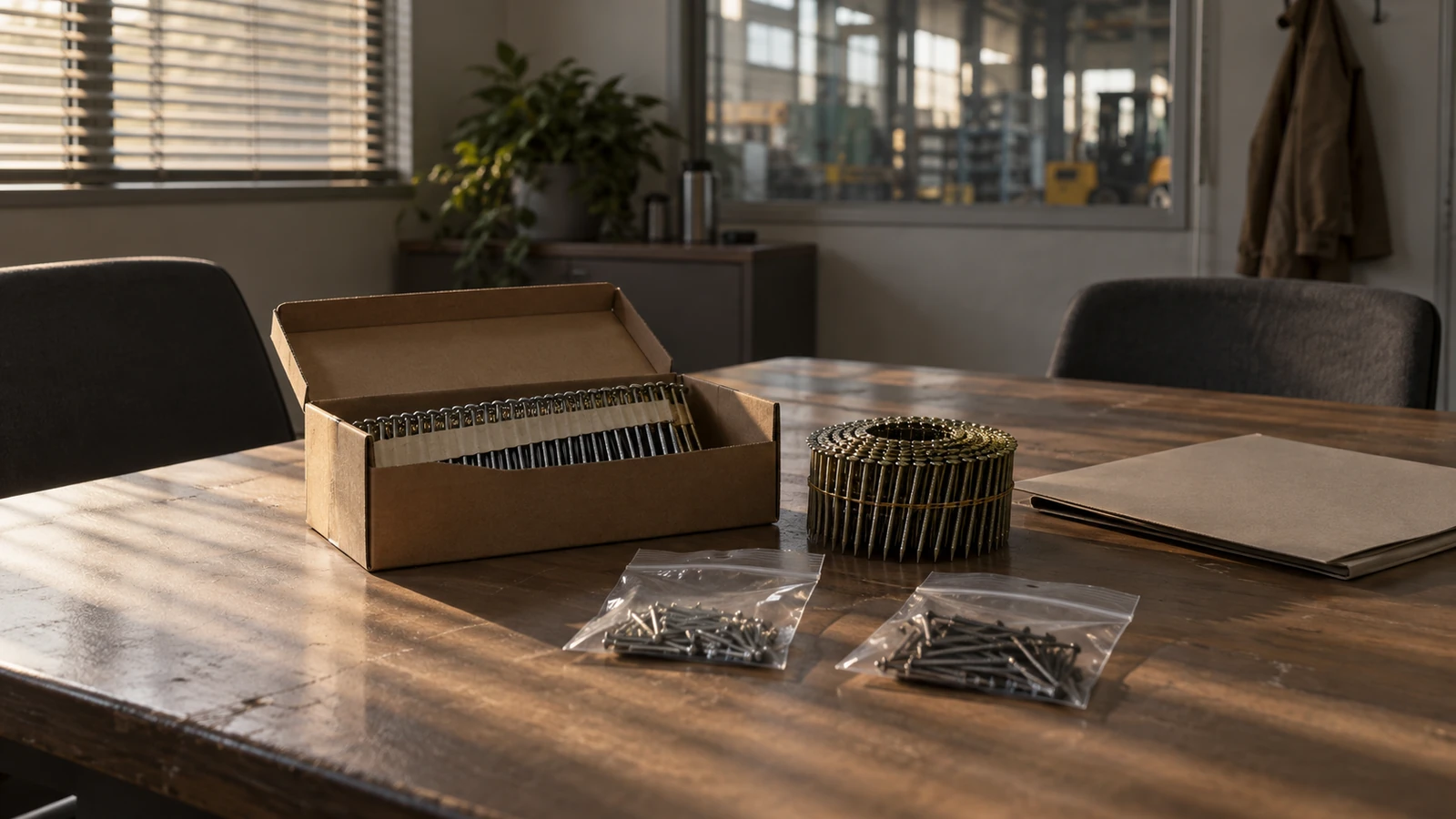
The product described here is a bulk box of drywall screws, with dark-coated metal screws spilled onto a work surface. That visual matters. It points to a standard construction fastener rather than a specialty anchor or a decorative screw. The sharp tips, threaded shanks, and flat or bugle-style heads are typical of the category, and the plain cardboard packaging suggests a practical, no-frills supply format aimed at installation use rather than retail presentation.
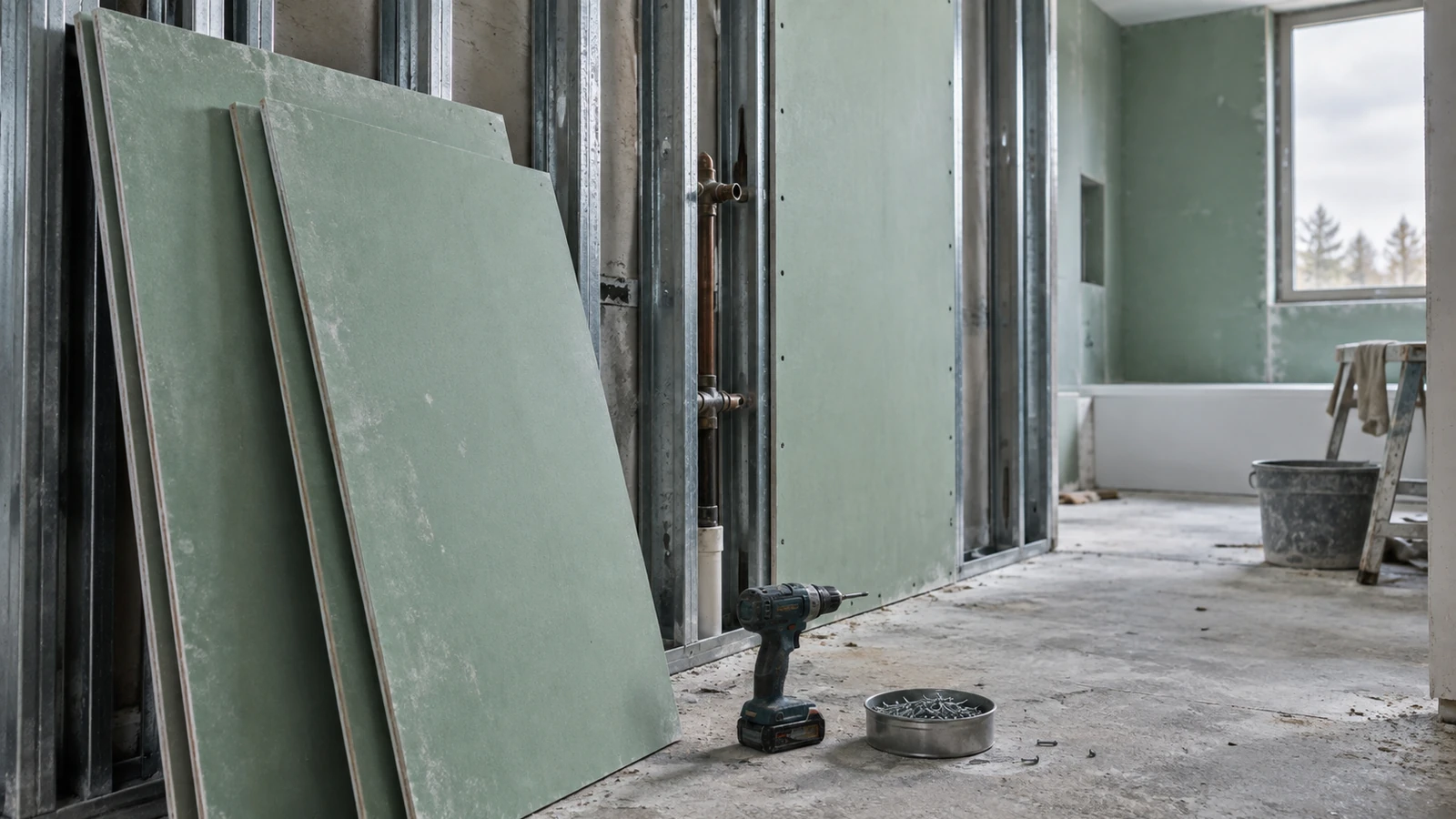
For many buyers, that is enough to place the product in the right lane: attaching drywall panels to framing or other substrates in renovation and new-build work. But the real buying decision comes after that first identification. You still need to know whether the screws will run smoothly in the intended substrate, whether the finish is appropriate for indoor use, and whether the factory can keep the product uniform across repeat orders.
How drywall screws are typically made
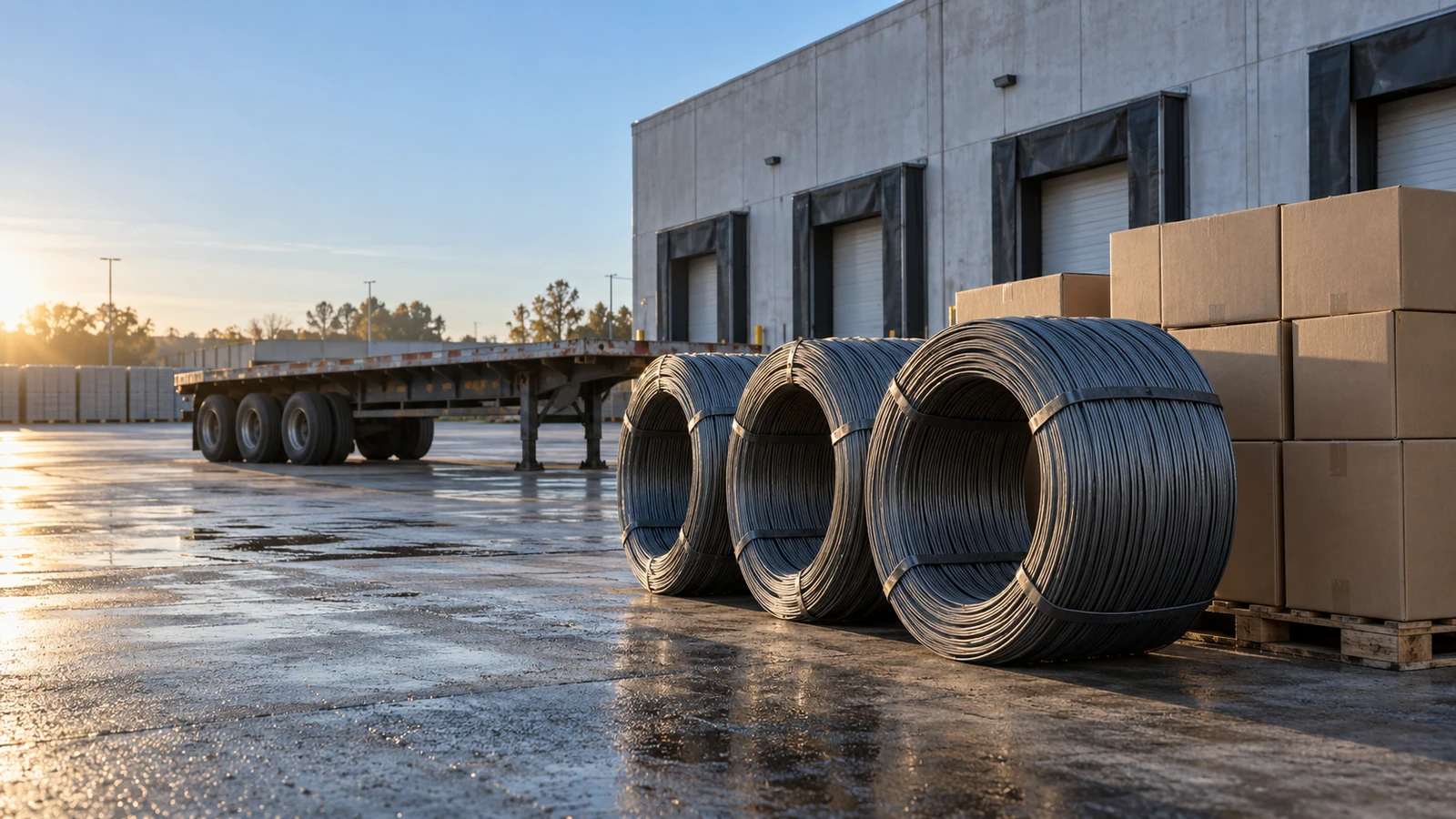
A drywall screw manufacturer usually starts with wire and forms the screw through cold heading and thread rolling. That is the backbone of most metal fastener production. The pointed tip, head profile, and shank geometry are formed mechanically, then the screw is finished with a surface treatment. In the image provided, the dark appearance suggests a black coating such as black phosphate or something similar, though the exact coating cannot be verified from appearance alone.
This is where the factory setup matters. Small variations in forming, threading, or coating can affect driver engagement and installation feel. A screw that looks fine in the box can still frustrate installers if the threads are rough or the heads are inconsistent. Buyers who work with renovation contractors know this well; crews may not complain loudly about the fastener, but they will notice when a box of screws slows them down.
Key points buyers should compare
Consistency over claims
Many fastener listings lean on broad performance language. In practice, what matters first is consistency: head shape, tip sharpness, thread formation, and finish quality from batch to batch. A drywall screw supplier that can hold those basics is usually more valuable than one that makes oversized promises.
Packaging and handling
The bulk cardboard box shown here is practical for contractor supply and warehouse handling. It is also a reminder to check storage and transit conditions. Dark-coated fasteners can pick up scuffs if packaging is poor, and damaged packaging can create waste before the screws even reach the jobsite.
Application fit
Drywall screws are not all the same in use, even when they look similar. Interior wall and ceiling installation, framing-to-drywall attachment, and general construction fastening each place slightly different demands on the fastener. If the product is intended for a specific substrate or environment, that should be confirmed with the factory before purchase.
Common sourcing mistakes
One frequent mistake is treating every dark-coated drywall screw as interchangeable. Another is buying strictly on price and discovering that driver performance or coating quality varies too much for field use. A third is assuming the visible product tells the whole story. It does not. The carton can say “DRYWALL SCREWS” and still leave open important questions about dimensions, drive type, thread style, steel grade, and corrosion performance.
That is why the best buyers ask for the data sheet early, even when the order seems straightforward. It avoids surprises later, especially in larger renovation programs or contractor supply chains where one weak batch can create a lot of unnecessary noise.
What to ask a factory before you place volume orders
Ask how the screws are formed, what finish is used, and how the factory checks dimensional consistency. Ask whether the product is designed for standard drywall installation or for a more specific fastening task. If the supplier cannot answer those questions clearly, that is usually a warning sign, even if the sample box looks acceptable.
You should also clarify the basic commercial details that are visible in the market but not always on the sample: count per box, available lengths, head style, drive type, and packaging options. These details affect warehouse planning as much as they affect installation.
A practical takeaway for sourcing teams
A drywall screw factory is not just a production site; it is the source of process control behind one of the most ordinary-looking fasteners in construction. That is exactly why the supplier choice matters. Drywall screws are used in large numbers, often under schedule pressure, and small defects show up fast in the field.
If you are comparing offers, focus on the fundamentals first: product consistency, finish suitability, packaging quality, and responsiveness from the drywall screw supplier. The rest usually becomes clearer once those pieces are in place.
Next step
When evaluating a drywall screw manufacturer, request a sample box, confirm the visible product specifications, and compare how clearly each supplier explains its process. A good first order is not just about price; it is about whether the factory can support repeatable use on real jobsites.