
Why a drywall screw factory matters more than most buyers think
When contractors and distributors compare fasteners, they often start with price and stop there. That is usually a mistake. A drywall screw factory is not just a place that turns out boxed fasteners; it is where consistency, coating control, thread formation, and packaging discipline determine whether a job goes smoothly or becomes a rework call on day two. For anyone sourcing through a drywall screw supplier or evaluating a drywall screw manufacturer, the real question is not simply “Can they make screws?” It is “Can they make the same screw well, every time, at scale?”
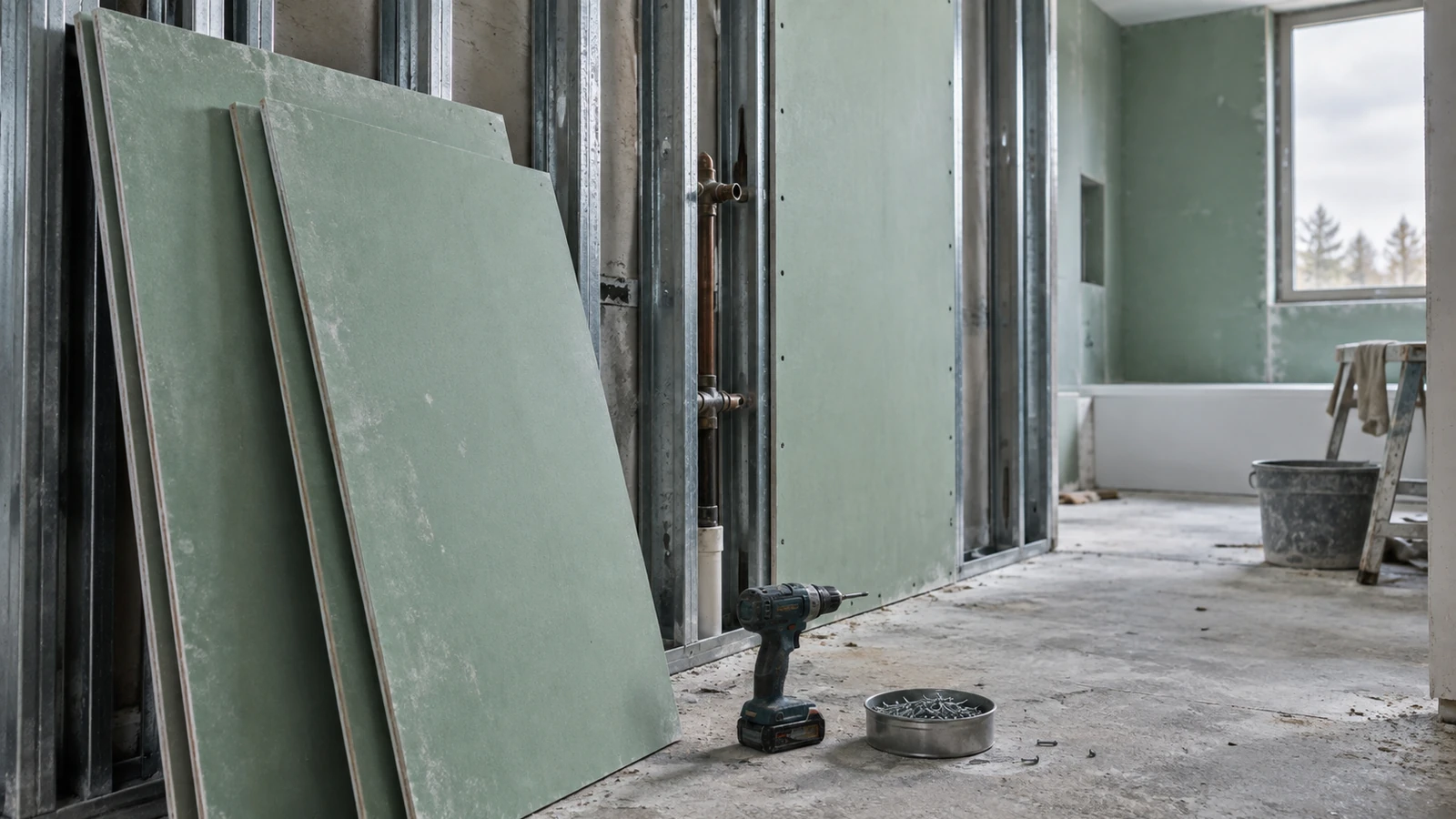
Drywall screws may look ordinary, but they sit at the center of interior finishing work. They hold wallboard to framing members, support renovation schedules, and influence how cleanly a surface finishes before taping and paint. A screw that cams out too easily, drives inconsistently, or carries a finish that is not suited to the application can slow crews down in ways that are expensive and annoyingly hard to trace back to the fastener itself.
What buyers are really judging
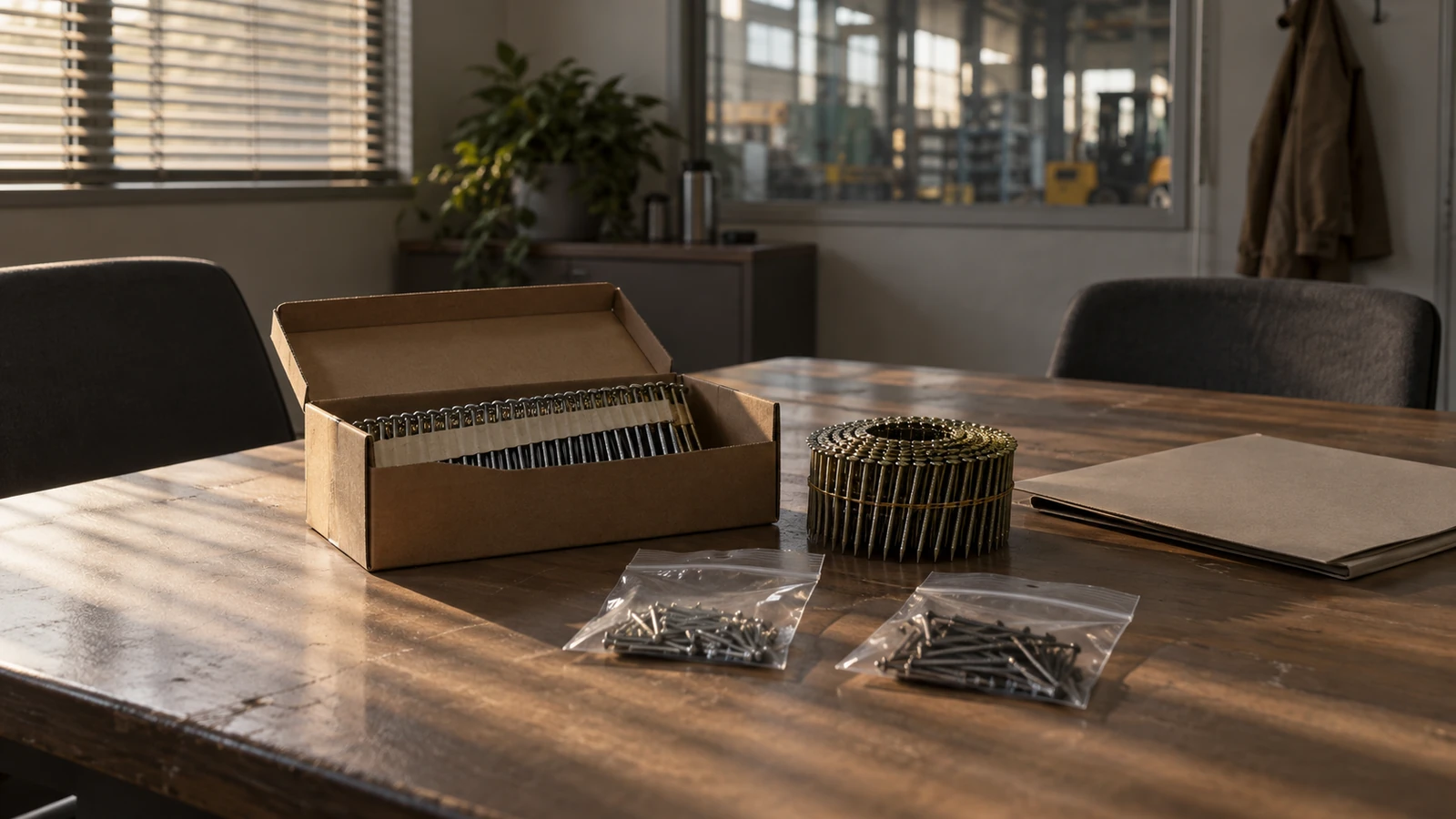
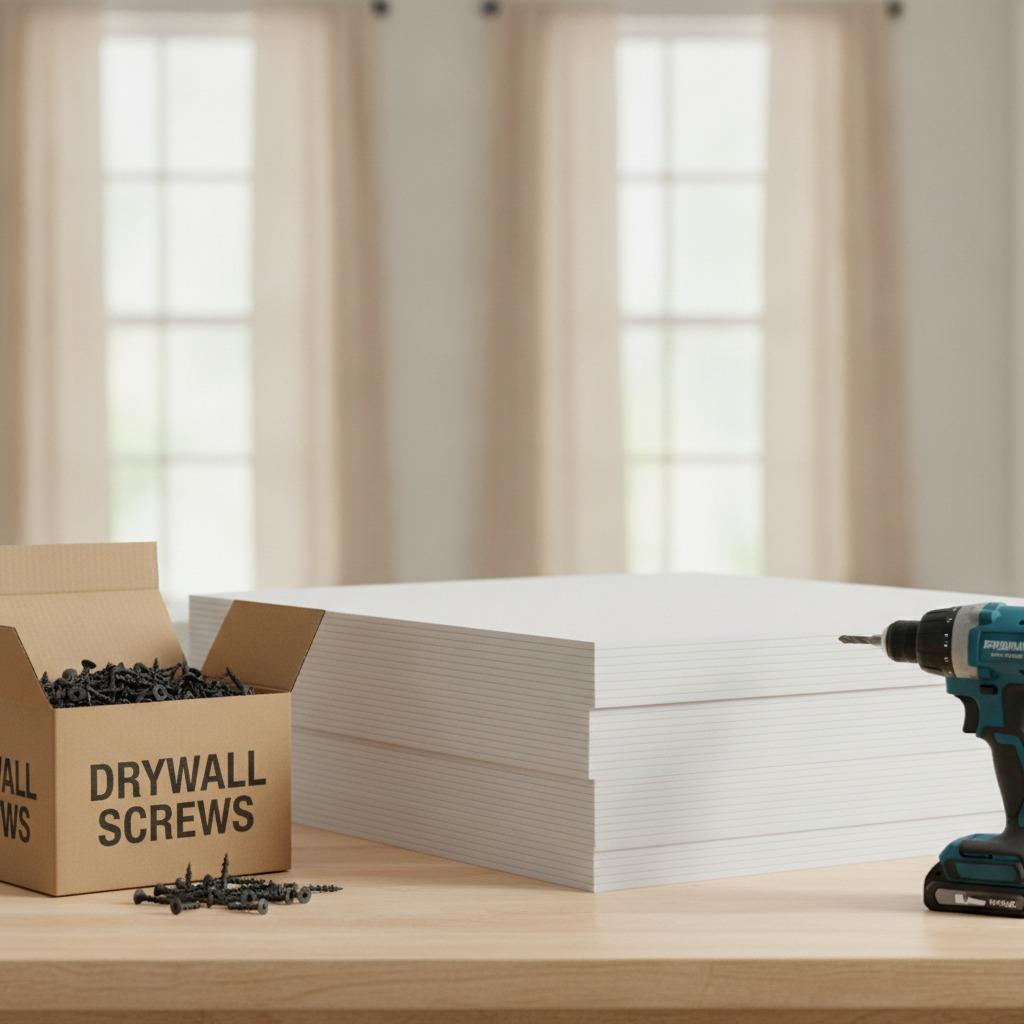
The boxed drywall screws most buyers see on the shelf are typically simple in appearance: small black screws, pointed tips, coarse-looking threads, and bugle-style heads designed for sheet goods. That simplicity can be deceptive. In practice, buyers are judging a chain of manufacturing decisions that begins with wire selection and ends with packaging. Cold forming, threading, heat treatment if used, and surface coating all affect performance in the field.
The visible dark finish on these screws suggests a corrosion-resistant coating or blackened surface treatment, though the exact chemistry is not confirmed here. That caution matters. In fastener sourcing, it is easy to assume that “black drywall screw” means the same thing across suppliers. It rarely does. Two products that look similar in a box may behave differently once a cordless drill/driver hits framing at speed.
Key traits that separate a dependable product line
1. Drive behavior
For installers, the drive recess and head geometry decide whether the screw seats cleanly or tears the paper surface. Bugle heads are common because they help the screw settle without unnecessary damage, but the consistency of the head form matters as much as the nominal design.
2. Thread quality
Drywall screws rely on thread shape to bite into framing members efficiently. Coarse-thread versions are widely used for wood framing, while other variants may be intended for different substrates. A buyer should not assume interchangeability. If the application changes, the screw spec should change too.
3. Finish and storage resilience
That dark coating is not cosmetic fluff. It can affect shelf life, packaging appearance, and suitability for interior environments. But it is also one of the easiest areas for quality variation if a factory is cutting corners on coating thickness or post-process handling. A box that looks clean on the pallet can still contain fasteners with uneven surface treatment if the process control is weak.
How a drywall screw factory should be evaluated
From a sourcing standpoint, the factory conversation should move beyond catalog photos. Ask how the screws are formed, how thread rolling is controlled, and how packaging prevents damage during shipping. Packaging sounds minor until crushed corners, mixed lot numbers, or loose screws create site delays. In interior construction, the cost of a missing carton is often greater than the cost of the carton itself.
It is also worth asking what the factory does to manage lot consistency. Contractors do not want a “close enough” screw from one batch and a different feel in the next. That kind of variation shows up on the wall, and walls are unforgiving.
Common buyer mistakes
The most common mistake is buying only on dimensions and box count while ignoring application fit. Another is treating every drywall screw manufacturer as interchangeable if the product is black and boxed. In reality, the difference between a dependable supply and a troublesome one often appears in the small details: thread sharpness, head formation, coating uniformity, and how the screws behave under a driver.
A second mistake is assuming one product will cover every interior fastening task. Drywall on wood studs, light renovation work, and other interior assemblies may call for different screw styles. If the wrong screw is used, the failure may not be dramatic; it may just be slow, irritating, and expensive.
Practical buying advice for sourcing teams
If you are purchasing for distribution, construction supply, or an OEM channel, start with the end use. Ask where the screws will be installed, what framing they will see, and whether installers care more about speed, holding behavior, or package presentation. Then request product details in writing rather than relying on a generic “drywall screws” label. That label tells you the category, not the whole spec.
For warehouses and hardware buyers, the safest approach is to work with a drywall screw supplier that can speak clearly about material, coating, and packaging controls without overpromising. If the answer is vague, treat that as a warning sign. A fastener is a small component; it should not require detective work.
What to ask before you place the order
What substrate is the screw intended for? What finish is applied? How are cartons packed and labeled? Can the supplier maintain batch consistency across repeat orders? These are practical questions, not procurement theater. The answers tell you whether the screws will support field productivity or create avoidable noise in a job that is already full of variables.
Next step for buyers
If you are reviewing a drywall screw factory or comparing suppliers, start with samples and documentation, then test the screws in the actual framing and drywall conditions your crews face. A fastener that looks standard on paper is only useful if it performs like one on site.