
Why furniture fastening still comes down to the staple supply
When a shop is running a sofa line, a reupholstery bench, or a small custom furniture program, the conversation often starts with the tool and ends with the consumable. That is especially true when a furniture staples bulk supplier becomes part of the sourcing plan. The gun matters, but the staples decide whether the fabric sits flat, the webbing holds, and the finished piece survives handling without lifting at the corners.

For engineers and sourcing managers, this is not a trivial purchase. Furniture stapling supplies affect throughput, operator fatigue, rework rates, and the consistency of the finished product. A shop may be using a pneumatic upholstery stapler with a top-loading magazine and air hose connection, pressing the nose into a sofa frame edge one moment and moving to an ottoman panel the next. If the staple supply is inconsistent, the whole station slows down. Misfeeds, bent legs, or wrong gauge can turn a clean operation into a surprisingly expensive mess.
What buyers usually need from bulk furniture staples
The most common need is straightforward: a dependable supply of metal staples that work cleanly in furniture assembly or reupholstery. In practice, that means staples that feed smoothly, penetrate wood-backed upholstery components, and hold fabric or webbing without damaging visible surfaces. The visible product context here points to a handheld pneumatic staple gun used on upholstered furniture, which is typical for this kind of fastening work.
Bulk buying usually makes sense for three reasons. First, shops consume staples quickly during production runs. Second, the same staple format is often used across multiple stations, so standardizing inventory reduces confusion. Third, the cost of downtime from running short is often higher than the cost of carrying a reasonable stock. That is why many buyers look for a furniture staples bulk supplier rather than buying small cartons job by job.
Quick buyer takeaway
If your work involves sofas, chairs, ottomans, or headboards, the staple spec should be matched to the tool and the substrate before volume is discussed. Bulk pricing only helps if the staples actually run cleanly in the tool your team uses.
Why the tool matters, but not as much as you think
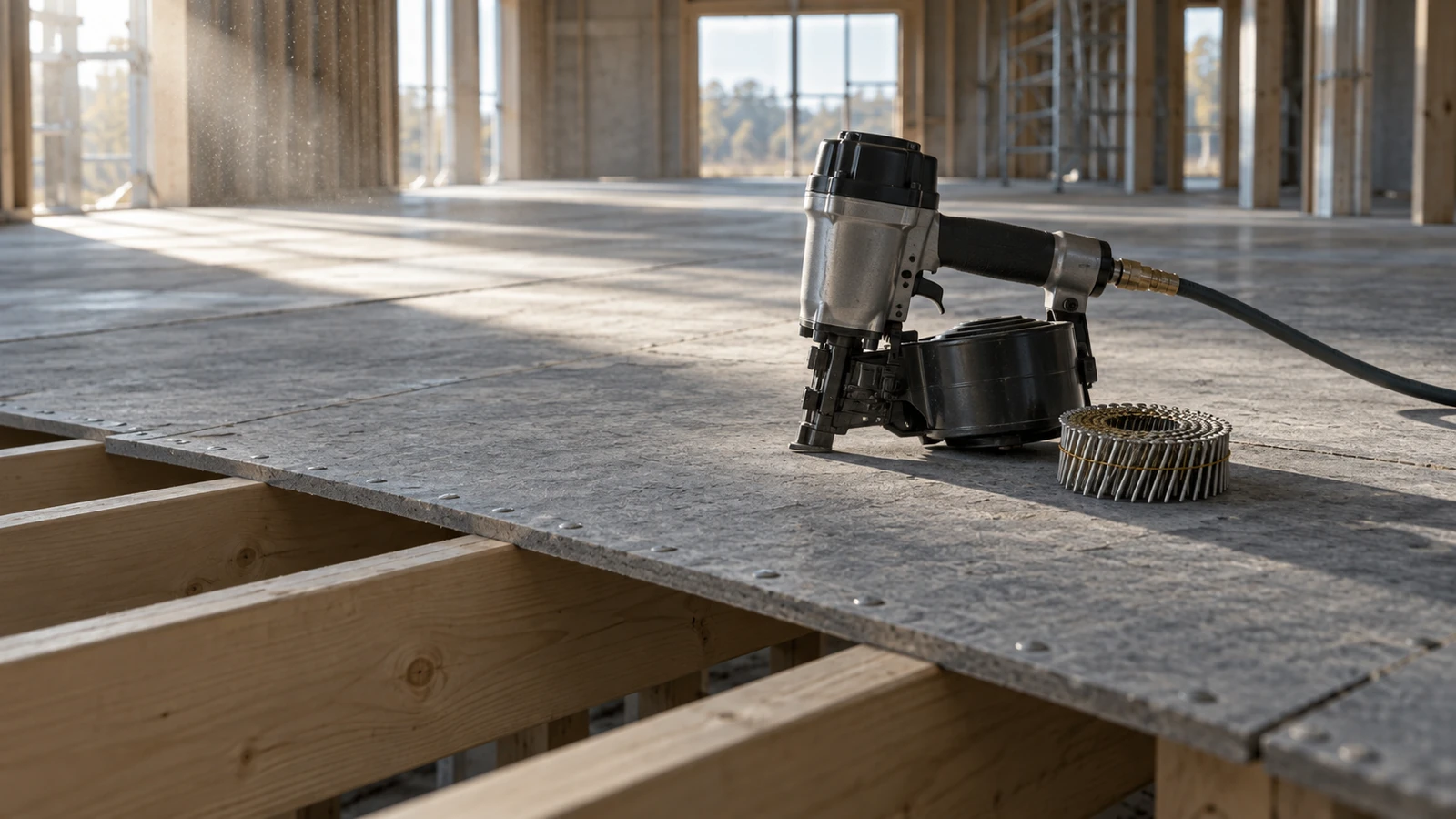
The image context shows a pneumatic upholstery stapler with a blue-and-black handheld body, a front stapling nose, and an air hose connection. That setup is common in upholstery and repair work because it gives steady driving force and a compact grip for edge work. It is also the reason staple quality matters so much. A pneumatic tool can only do so much if the fastener is the wrong profile or too inconsistent in manufacture.
In furniture fastening, a small difference in staple geometry can affect how the crown sits on fabric, whether the legs bite into the wood correctly, and how much the material puckers at the edge. The filename note suggests 22-gauge staples, but that should be treated as a hint, not a specification. Buyers should confirm compatibility with the tool and the intended application before ordering at scale.
Selection criteria that actually save time on the floor
For sourcing teams, the right decision is rarely about headline price alone. A practical evaluation usually includes staple gauge, leg length range, crown style, feed consistency, and packaging format. In furniture manufacturing, these factors affect both the operator and the finished piece.
Gauge and leg length
Finer gauge staples are often used where appearance and material sensitivity matter. Heavier fastening tasks may call for different dimensions. The key is to match the fastener to the density of the frame wood, the thickness of the upholstery stack-up, and the drive characteristics of the stapler.
Feeding behavior
Staples that bend in the magazine or jam during the drive cycle are more than an annoyance. They slow the station, increase scrap risk, and encourage operators to compensate with extra force. That is where bulk furniture staples from a reliable supplier can make a measurable operational difference, even if the unit price is only marginally better.
Packaging and storage
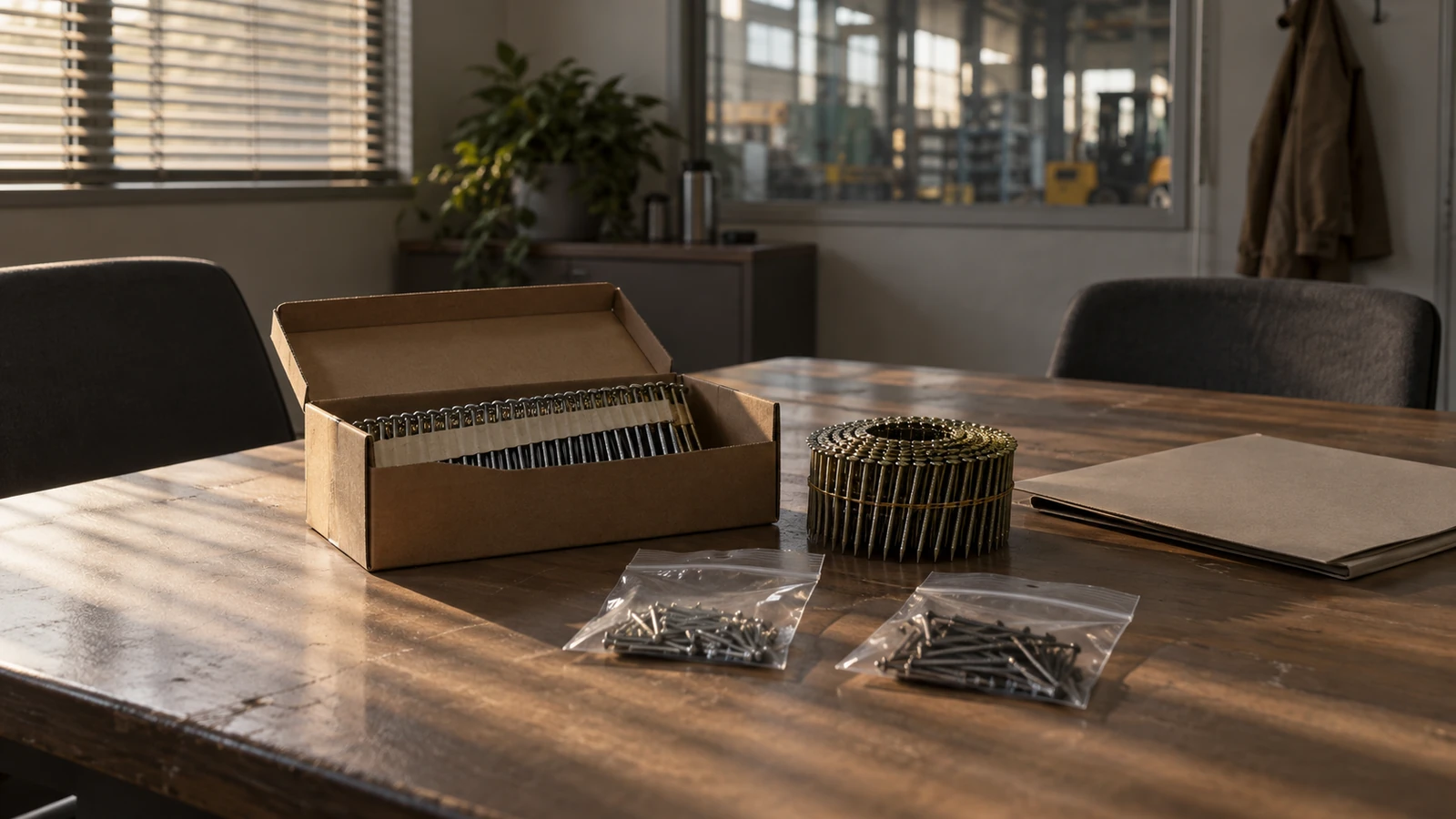
Furniture stapling supplies should be packaged in a way that keeps the fasteners clean, dry, and easy to issue to the line. Loose handling on a busy shop floor is a common source of damage. It is a small point, but it matters when a production team is moving fast.
Common mistakes buyers make
The most frequent mistake is assuming all staples that look similar will perform the same way. They will not. Another is overbuying before tool compatibility is confirmed. A third, and this one is easy to miss, is treating upholstery fastening as a low-risk commodity purchase when it is actually a process-critical consumable.
There is also a tendency to focus only on the staple itself and ignore the tool condition. A worn magazine, dirty nose piece, or poorly regulated air supply can make a good fastener look bad. Still, suppliers are part of the equation. A stable source for bulk furniture staples reduces one variable in a process that already has enough moving parts.
What this means for furniture makers and repair shops
For a custom furniture maker, the decision is about repeatability. For a repair shop, it is about speed and confidence on varied jobs. For a sourcing manager, it is about maintaining supply without inviting unnecessary inventory risk. The right supplier should be able to support volume orders, provide clear product descriptions, and keep the staple format consistent over time.
In practical terms, that is what separates a useful sourcing relationship from a one-off purchase. A furniture staples bulk supplier should help a buyer stay focused on the actual job: attaching upholstery fabric, securing webbing, and finishing frames cleanly enough that the work looks right and holds up in service.
Next step for buyers
Before placing a bulk order, confirm the staple gauge your stapler is designed to accept, check the leg length needed for your frame and fabric stack, and compare sample performance in real production conditions. If you are scaling a workshop or standardizing supplies across stations, ask for the exact product format, packaging size, and compatibility notes before you commit to a full run. That small bit of diligence is usually cheaper than sorting out a line stoppage later.