
Why furniture buyers care about staple supply before they care about price
A furniture staples bulk supplier may not sound like the most glamorous part of the procurement stack, but anyone who has dealt with an upholstery line, a repair shop, or a cabinet assembly bench knows the difference between steady supply and constant stoppage. When staple cartons run short, the real cost is not the fastener itself. It is the idle stapler, the delayed job, and the worker who has to stop mid-run because the right size is not in the bin.
That is why buyers looking for upholstery staples bulk or upholstery staples wholesale are usually making a practical decision, not just a price comparison. They are trying to secure a fastener that feeds reliably in pneumatic tools, arrives in a bulk format that suits production, and matches the everyday work of fastening fabric, backing material, or light wood components to a furniture frame.
What bulk furniture staples are used for
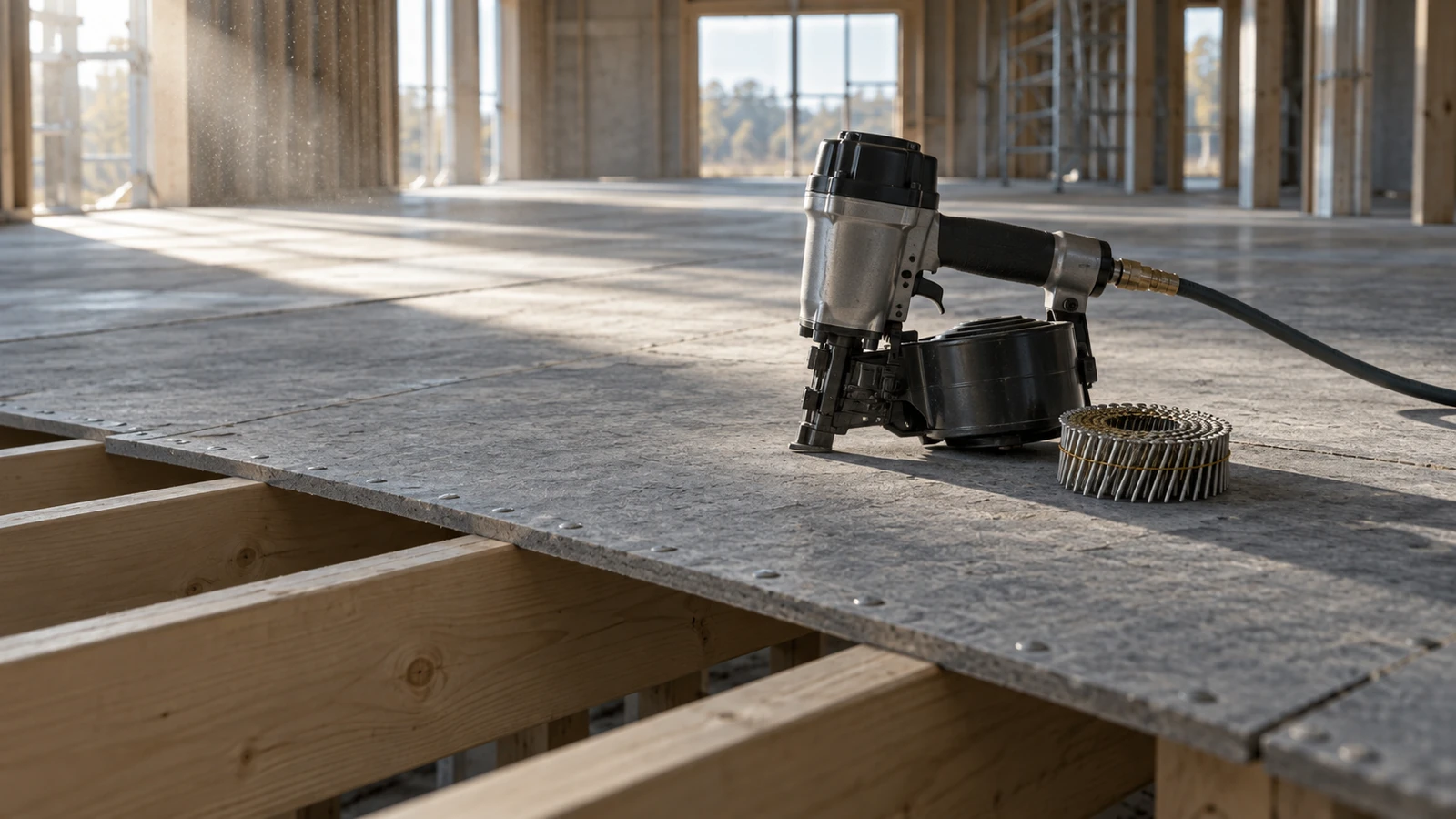
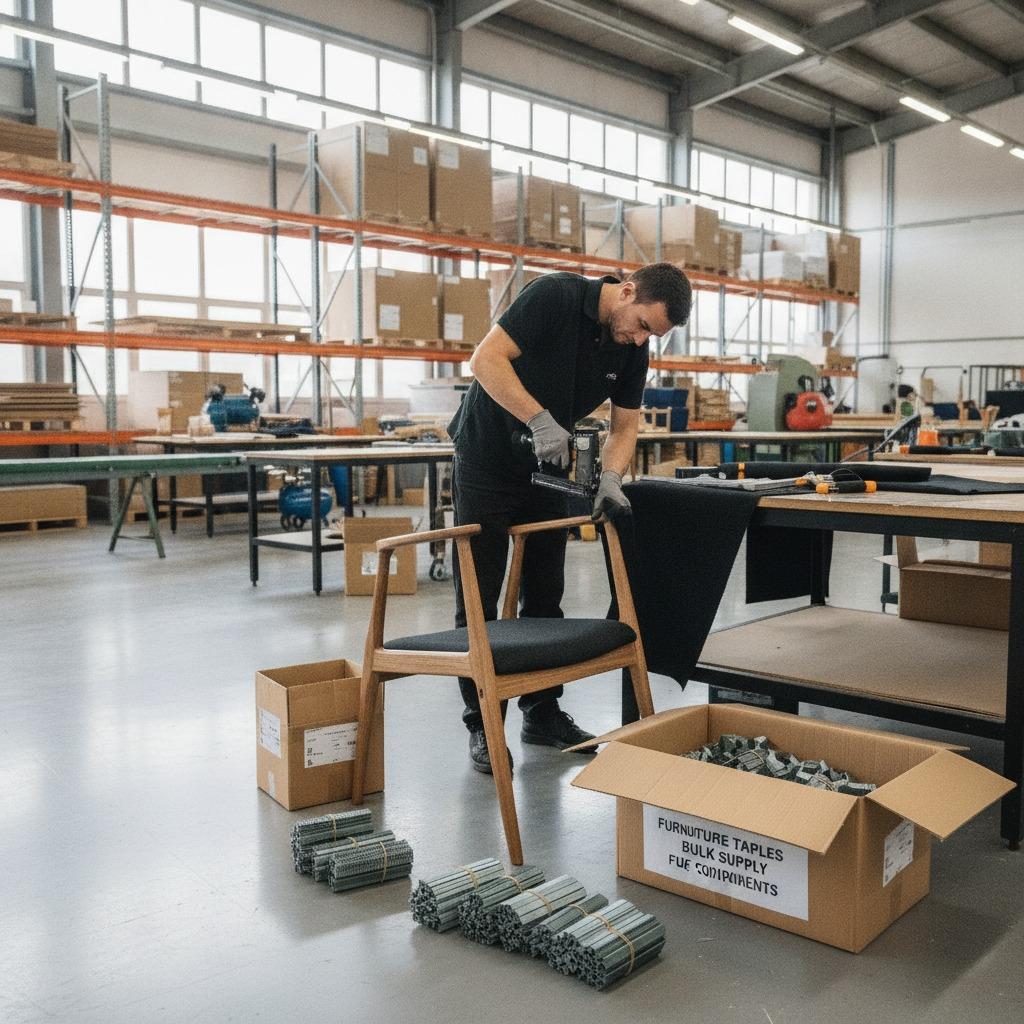
The image behind this product category shows the classic use case: a worker driving staples into a furniture piece with a pneumatic stapler. That is the center of gravity for this product line. Bulk furniture staples are commonly used in upholstery shops, furniture factories, repair workshops, and related woodworking tasks where speed matters and the fastening point is hidden.
They also show up in some packaging and industrial assembly workflows, though furniture is the obvious home ground. The staple format itself is simple: small metal fasteners, often steel, arranged in strip form and packaged for high-volume handling. The supplied description notes a silver-gray finish and a rigid U-shaped geometry, which is exactly the sort of staple form buyers expect to feed smoothly through compatible staple guns.
What to look for when comparing suppliers
The challenge is that not every staple that looks similar will behave the same in production. A supplier can offer a neat carton label and still leave you with feed issues if the staples are inconsistent, poorly packed, or not matched to your tool setup.
The first check is basic compatibility. Pneumatic staplers are efficient, but they are not forgiving when the strip size or geometry is off. Buyers should confirm the staple format their equipment accepts and avoid assuming that “furniture staple” is a universal category.
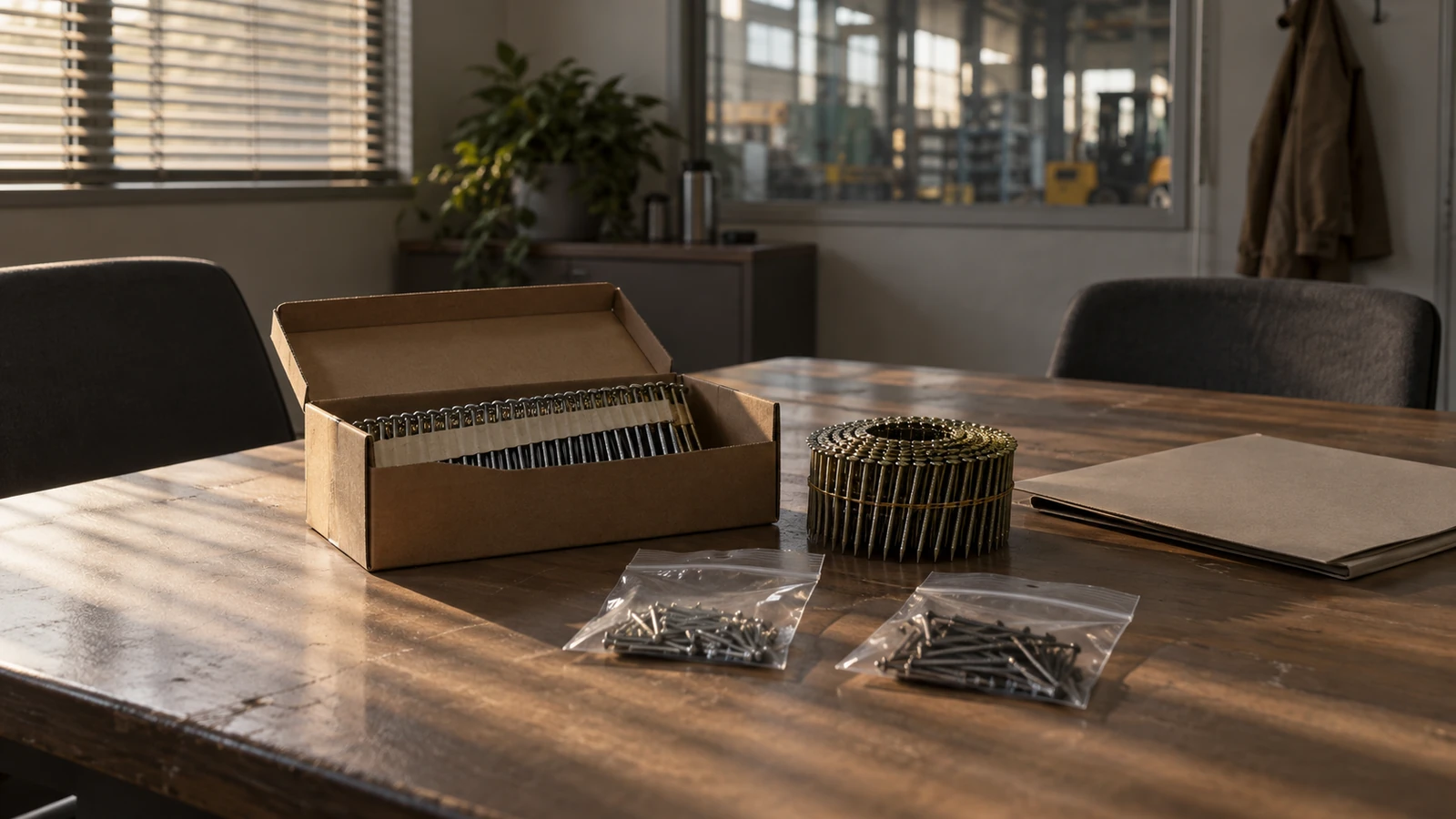
The second check is bulk packaging quality. In a warehouse or shop floor setting, loose bundles can be annoying at best and wasteful at worst. Cartons that hold the strips in orderly stacks are easier to count, store, and issue to operators. The visible packaging in this product category suggests bulk cartons and bundled strips, which is exactly what many sourcing managers want for large runs.
The third check is material clarity. Steel is a common choice for furniture staples, but buyers should be cautious about making assumptions beyond what the supplier can confirm. The finish, coating, and corrosion behavior all matter, especially if the furniture will live in humid spaces or semi-exposed environments. If that detail is missing, ask before ordering in volume.
Why bulk format matters more than it first appears
In sourcing meetings, bulk supply can sound like a simple cost play. It is more than that. Bulk furniture staples reduce reordering friction, help standardize inventory, and make it easier for production teams to keep the same fastening system across shifts or sites. For plants with repeat upholstery work, consistency is often worth more than a small unit-price difference.
There is also a hidden operations benefit: when staples arrive in a predictable packaging format, receiving, storage, and line-side replenishment become less chaotic. That sounds minor until a shop is trying to clear a backlog on a Friday afternoon.
Common buyer mistakes
One common mistake is treating all staple suppliers as interchangeable. They are not. A low-cost carton is not a good deal if the staples jam, deform, or do not match the stapler.
Another mistake is overfocusing on quantity while neglecting the application. Upholstery staples bulk orders should be judged against the actual workpiece: fabric type, backing material, wood density, and tool performance. A staple that works well in one furniture line may not suit another.
A third mistake is ignoring the packaging format. Bulk cartons are useful, but only if the labeling, stacking, and handling make sense in your facility. The best supplier is usually the one that makes the boring parts easy.
Practical buying advice for sourcing teams
If you are evaluating a furniture staples bulk supplier, start with samples or a small trial lot if possible. Run them through the actual pneumatic stapler used on your line. Watch for feed consistency, strip integrity, and how cleanly the staple penetrates the material stack.
Then compare the supply terms you can verify: carton format, bulk handling, and whether the supplier can keep the same product configuration available over time. In production, continuity matters more than a one-time purchase win.
For distributors and purchasing teams, it is also worth asking how the staples are packed for transport and storage. Uniform strips and well-arranged cartons are not cosmetic details; they reduce damage, mix-ups, and waste.
FAQ
Are upholstery staples bulk orders only for furniture factories?
No. They are also used by repair shops, upholstery specialists, and industrial distributors that support pneumatic stapler users.
Do all furniture staples fit the same tool?
No. Compatibility depends on the stapler and the staple geometry. Always confirm before placing a bulk order.
Should buyers ask about coating or corrosion resistance?
Yes, especially if the application may face moisture or variable indoor conditions. If the supplier cannot confirm the finish, that is a useful warning sign.
Next step
For buyers comparing a furniture staples bulk supplier, the smartest move is to treat the staple as a production component, not a commodity afterthought. Confirm tool compatibility, packaging format, and material details before buying in volume. That simple discipline can save more time on the shop floor than a small price break ever will.