
When buyers ask for galvanized roofing staples in bulk, what are they really trying to solve?

In an interview-style conversation with sourcing teams, the question usually comes down to this: how do you keep a fastening line moving without paying for more than you need? That is where galvanized roofing staples bulk purchasing enters the picture. The term sounds simple enough, but the buying decision is rarely simple. Engineers want the staple to feed cleanly. Operations wants fewer jams. Procurement wants a stable supply, and maintenance wants a fastener that does not become the weak link in the tool room.
What makes this topic worth a closer look is that staples are a small part with an outsized effect on productivity. A poorly matched staple can slow a pneumatic staple gun, damage material surfaces, or create rework that costs far more than the fastener itself. A good one disappears into the process. That is usually the best compliment a fastening consumable can get.
What these bulk staples are used for
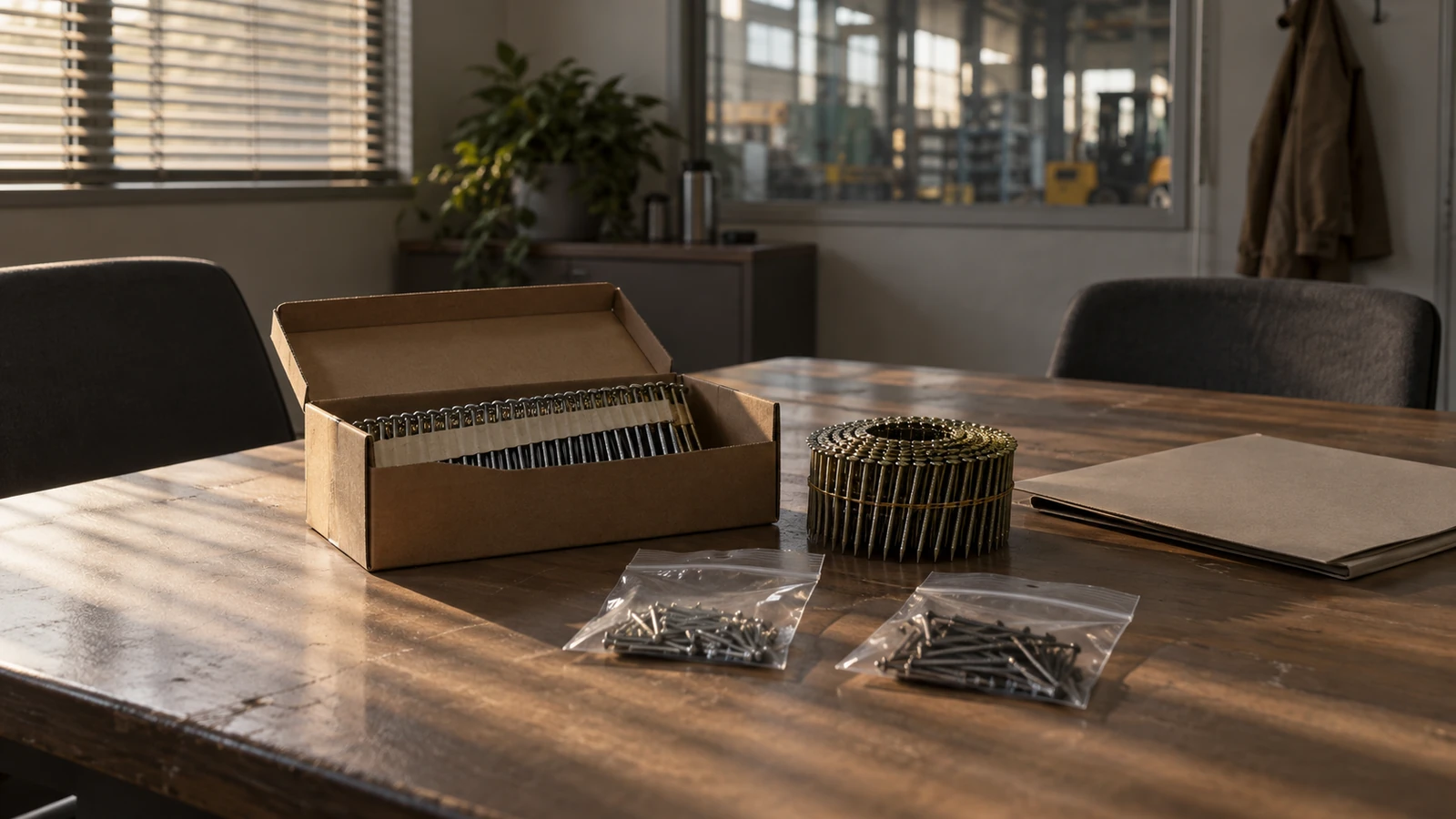
The product category here is industrial staples: collated metal fastener strips used in pneumatic staple guns and related fastening tools. In practical terms, they are used for quick mechanical joining in packaging, furniture assembly, upholstery, woodworking, and other light industrial operations. The visible product data shows multiple staple sizes and formats arranged in strips, with air-powered tools nearby, which is consistent with high-throughput fastening work.
The image also suggests different finishes or batches. Most staples appear silver or gray, while one batch has a gold-toned look. That may point to different coatings or surface treatments, but the exact chemistry is not identified and should not be assumed. For buyers, that is an important caution: appearance alone does not tell you corrosion performance, compatibility, or strength.
Why galvanized finish matters, but only if the rest of the specification fits
Galvanizing is often sought because it can help improve corrosion resistance compared with bare steel, especially in storage, transport, or indoor environments where moisture is a factor. For roofing and other exposed applications, that matters. For packaging or shop assembly, it may matter less than feed consistency and tool compatibility.
That tradeoff is worth stating plainly. A shiny finish is not a performance spec by itself. Buyers should focus on the full fastening system: staple geometry, collating method, tool feed reliability, and the environment in which the fastener will live. A stapler that runs beautifully on the bench can still misfeed if the staple strip shape is wrong or the coating creates too much drag in the magazine.
Quick buyer checklist before placing a bulk order
1. Match the staple to the tool
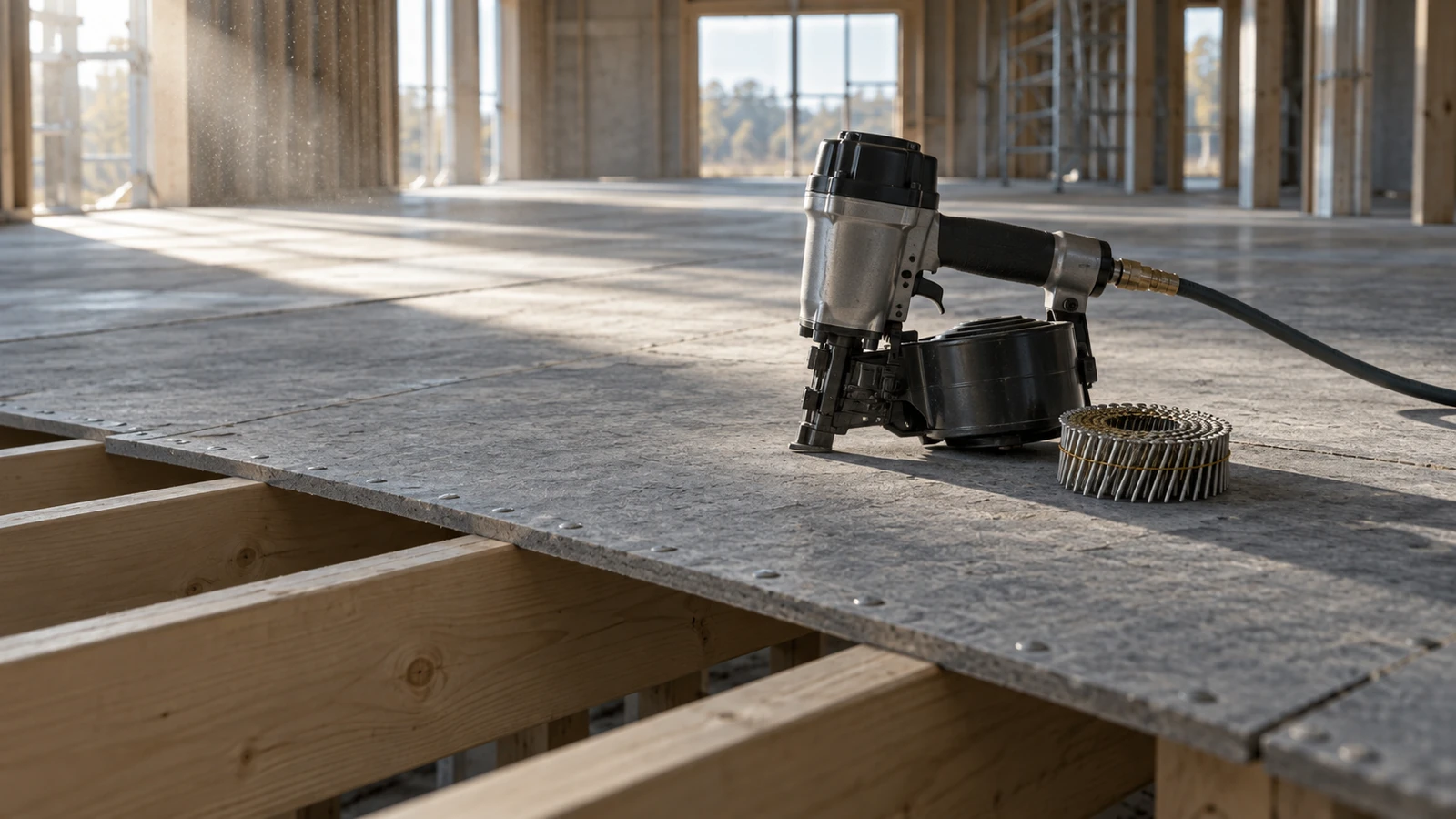
Pneumatic staple guns are shown with the fasteners, which means tool compatibility is central. Even when two staples look similar, the leg length, crown width, and collating format can differ enough to cause feeding issues. If the supplier cannot confirm compatibility, treat that as a warning sign.
2. Define the use case before comparing prices
Are you buying for cartons, upholstery, furniture assembly, or maintenance work? Those are not interchangeable jobs. A fastener that is acceptable for packaging may be a poor choice for more demanding fastening conditions.
3. Ask what “galvanized” means in this context
Hot dipped galvanized staples wholesale and galvanized staples wholesale are not always the same thing in supplier language. The finish may be zinc-related, coated, plated, or otherwise treated, but the exact process should be confirmed in writing if corrosion resistance matters to the job. If the supplier is vague here, keep asking.
4. Check packaging and handling expectations
Bulk purchasing is not only about unit price. It is also about how the strips are packed, how well they survive transit, and whether the collated bundles stay intact in the warehouse. A broken strip can cause a messy shift on the line.
Common mistakes buyers make
The most common mistake is buying by finish name alone. The second is assuming bulk pricing will solve a tool problem that is really about geometry or feed consistency. Another one, often overlooked, is forgetting that more than one staple format may be in circulation inside the same facility. That creates confusion at receiving and at point of use.
The visible product set shows several staple sizes/formats on display, which is a useful reminder: industrial fastening supply is rarely one-size-fits-all. If your operation uses multiple staple guns or multiple stations, standardizing the family of fasteners can save a surprising amount of time.
What to request from a supplier
A practical sourcing conversation should cover staple size, crown width, leg length, collating format, finish description, pack quantity, and intended tool type. If those details are missing, the buyer is being asked to accept a guess. That is fine for samples; it is risky for recurring production orders.
For distributors and plant buyers, the decision is often less about finding the cheapest staple and more about finding the staple that behaves predictably. Predictability reduces scrap, prevents stoppages, and makes inventory easier to manage. Not glamorous, but that is how production lines actually run.
Interview takeaway for sourcing teams
If you are evaluating galvanized roofing staples bulk supply, start with the application, not the headline finish. Confirm the tool, the material being fastened, and the level of exposure the staple will face. Then compare suppliers on the details that affect daily use: strip integrity, feed behavior, and specification clarity.
That approach usually separates a workable industrial fastener from a cheap inconvenience.
Next step
If you are building a bulk staple program for packaging, furniture, upholstery, or workshop fastening, request a clear specification sheet and a sample pack that matches your tool setup. A short trial on the line will tell you more than a glossy catalog ever will.