
Galvanized Staples Wholesale: What Buyers Usually Mean, and Why It Matters
Searches for galvanized staples wholesale often come from a practical buying problem: a procurement team, distributor, or small manufacturer needs fasteners that can be sourced in volume, installed cleanly, and hold up better than plain steel in real shop conditions. The phrase is broad, though, and that is where buyers can get tripped up. In everyday trade use, people may mean galvanized staples, galvanized brads, or other collated fastening products that share a corrosion-resistant finish and are bought in bulk.
That distinction matters. If you are ordering for trim work, cabinet assembly, paneling, or light finish carpentry, the wrong fastener type can create surface damage, poor drive performance, or avoidable callback issues. A wholesale purchase should not just be about unit cost; it should also reduce rework, machine downtime, and storage headaches.

Quick Buyer Takeaway
If your application is light woodworking and visible finish work, the key questions are not only price and pack size. You need to confirm gauge, length, collating format, finish, and nailer compatibility. In the field, those details decide whether the fastener feeds smoothly and leaves a clean result.
The product data provided here shows an 18 gauge collated brad nail in 1-1/4 in. length, packed at 5000 pcs per box. That is useful reference material for buyers comparing wholesale fasteners, even though the exact coating and corrosion resistance are not confirmed from the visible information.
What the Product Details Tell You
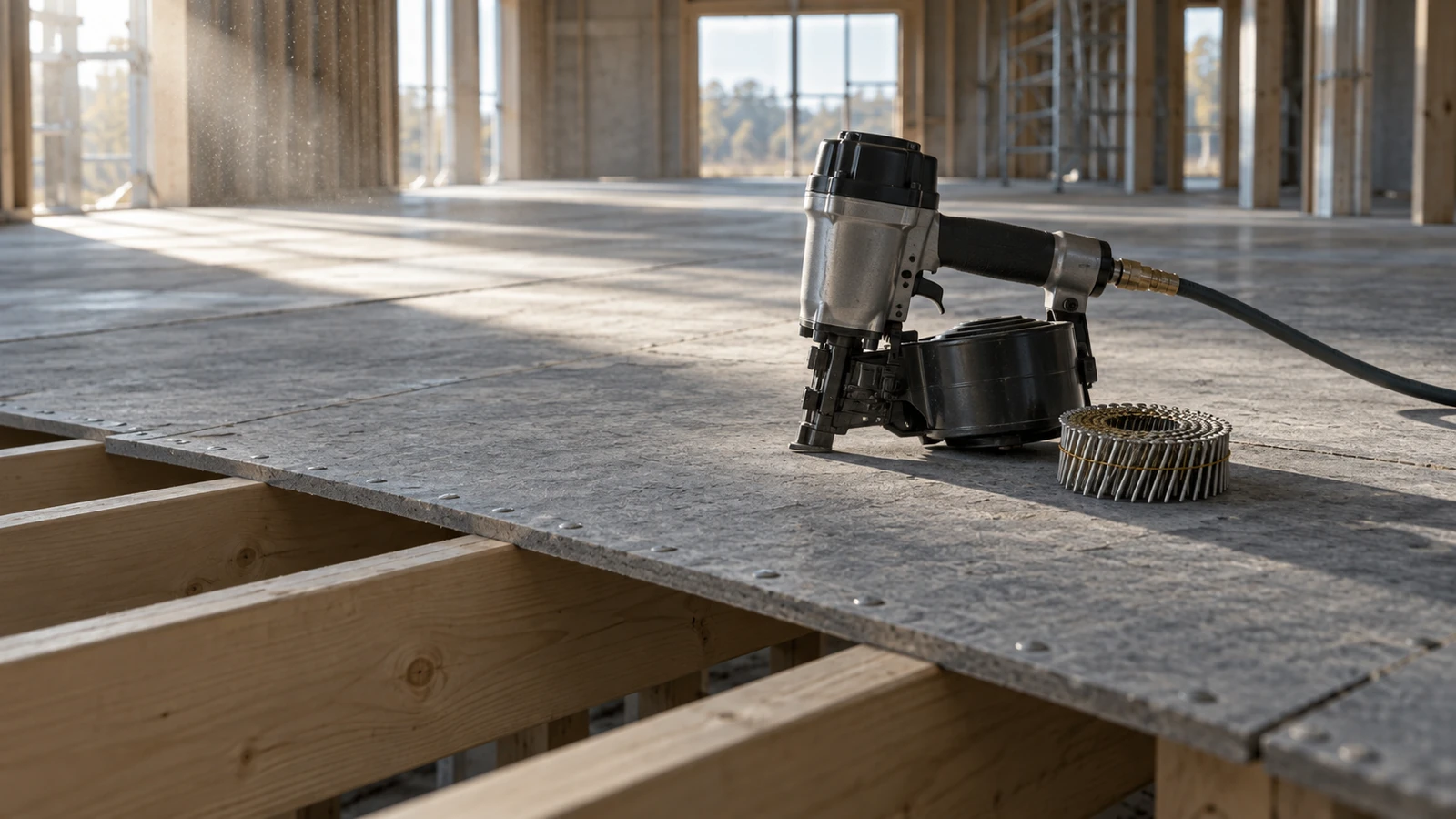
This type of fastener is a thin-gauge brad nail arranged in a glued or collated strip for pneumatic brad nailer or finish nailer use. The visible geometry is typical of finish carpentry fasteners: a straight shank, small head, and narrow body designed to reduce splitting and surface marking in wood.
For procurement teams, the measurable points are the most reliable part of the description: 18 gauge, 1-1/4 inch length, and 5000 pieces per box. Those figures help with consumption planning and machine setup, especially if the shop is running repeat jobs such as baseboards, window trim, cabinet face frames, or molding.
One caution: the metal finish appears silver, but the exact surface treatment is not visible. Do not assume a galvanized coating from appearance alone. If corrosion resistance matters, ask for the coating spec in writing before placing a large order.
Where Wholesale Fastener Buying Helps Most
1. Predictable replenishment
Buying in bulk can make sense when usage is steady and the fastener format does not change often. Shops that run the same trim profiles or cabinet builds week after week usually value consistency more than chasing a small per-box savings.
2. Fewer interruptions on the line
Collated fasteners are meant to feed cleanly through pneumatic tools. When the strip format matches the tool and the gauge is right, operators spend less time clearing jams or switching consumables. That may sound minor, but on a busy bench it is not.
3. Cleaner finishing work
Thin-gauge fasteners are chosen because they leave a smaller visual trace. That is useful on door and window trim, paneling, and decorative molding where fillers and touch-up work should stay minimal.
How to Compare Wholesale Offers
When comparing wholesale galvanized staples or similar fasteners, look beyond the headline quantity. Start with the material and finish, then check the dimensions, packaging count, and intended tool family. A box marked 5000 pieces may look attractive, but it is only useful if the fasteners are what your shop actually consumes.
Buyers should also ask whether the fasteners are intended for interior woodworking, light-duty finishing, or more demanding exposure conditions. If the coating is unclear, treat the product as an indoor-use fastener until proven otherwise. That is the safer reading for purchasing.
Common Mistakes in Bulk Fastener Orders
The most common mistake is treating all collated fasteners as interchangeable. They are not. Gauge, length, head style, and collation pattern can all affect tool performance. Another mistake is assuming a silver finish means galvanized. It may, but it may also be another plating or coating process that is not obvious from the packaging.
A second error is overbuying one fastener spec for mixed jobs. Shops often need a range of lengths and gauges, especially when moving between trim, cabinet assembly, and general finish carpentry. If you only stock one size, you may save on inventory but lose flexibility on the floor.
Practical Questions to Ask a Supplier
Before issuing a purchase order for galvanized staples bulk or related finish fasteners, ask for the following:
What is the exact material and coating?
What nailer or stapler models is it intended for?
Is the collation glue or strip format compatible with your tools and storage conditions?
Are there published dimensions for gauge and length?
Those questions are routine, not fussy. They help prevent the sort of mismatch that only shows up after the pallet is already on the dock.
FAQ for Wholesale Buyers
Are galvanized staples always the right choice?
No. Galvanized finishes are often chosen for improved corrosion resistance, but the right fastener depends on the indoor or outdoor exposure, the substrate, and the tool being used.
Can I use brad nails and staples interchangeably?
Not usually. They serve different tools and different fastening needs. A collated brad nail is not the same as a staple, even if buyers sometimes search for both in the same sourcing round.
What should I verify first on a bulk box?
Gauge, length, quantity, and the actual coating claim. Those are the first-line checks for any wholesale fastener order.
Next Step for Sourcing Teams
If you are evaluating galvanized staples wholesale options, start by matching the fastener to the job rather than the price tag. Use the confirmed specs you have, request the missing coating and compatibility details, and compare only like-for-like offers. That approach is slower for a minute or two, but it usually saves more time after the goods arrive.