
Why the right coil nails supplier matters
A coil nails supplier is not just a place to buy fasteners; it is part of how a workshop keeps production moving. When a pneumatic nail gun is feeding from a coil, small changes in nail consistency, packaging, or coil winding can show up quickly at the bench as jams, crooked drives, or interrupted assembly. For cabinet shops, furniture makers, and general woodworking teams, that means the supplier choice affects throughput as much as the tool itself.
If you are comparing sources now, the real question is not only who can ship nails, but who can supply the same fastener type reliably enough for repeat use in frame assembly, trim work, or panel fastening. That is where a practical shortlist helps.
1. Start with the tool, not the catalog
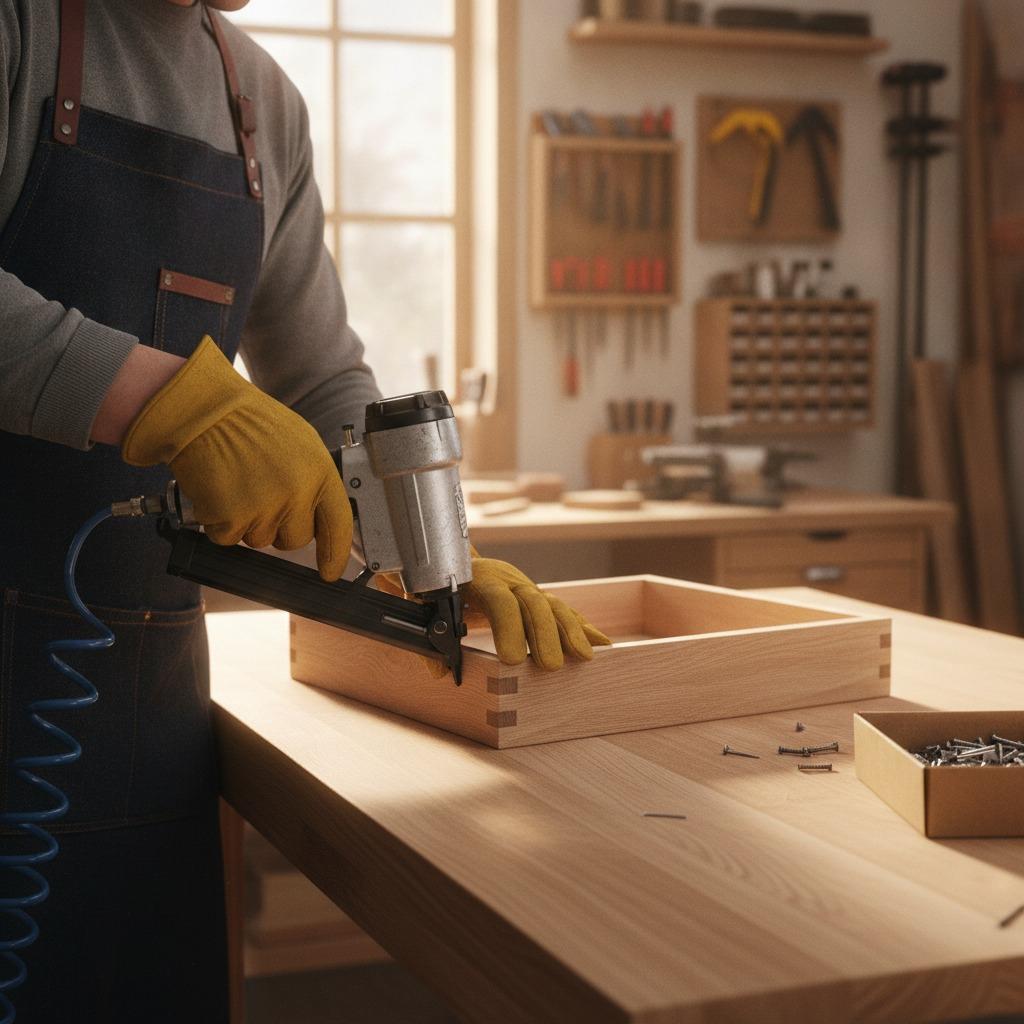
Before talking to a supplier, match the fastener to the actual fastening tool on the floor. A pneumatic nail gun, especially one used for woodworking tasks, depends on a coil format that feeds smoothly through the magazine. If the nails do not match the gun’s intended size, angle, or finish, the operator will notice it fast.
This sounds obvious, but it is where many buyers get tripped up. A supplier may offer a broad range of coil nails, yet only a narrow slice will suit your current machines and jobs. Ask for compatibility details in plain language, not just a product code.
2. Check whether the supplier understands application, not just packaging
A good coil nails supplier should be able to talk about where the fastener will be used: cabinetmaking, trim, furniture subassemblies, light carpentry, or repetitive workshop fastening. The point is not marketing language. It is whether the supplier can steer you toward the right coil construction for the way your team actually works.
For example, a shop that runs quick repetitive nailing needs a fastener that feeds consistently and resists tangling in the magazine. A supplier who understands that will ask better questions about the nail gun setup, the wood species, and the pace of work.
3. Compare factory capability, not just sales promises
When buyers search for a coil nails factory or a spiral coil nails manufacturer, they are usually trying to separate trading activity from real production capability. That distinction matters. A factory-backed source may be better placed to hold consistent forming and winding standards, while a pure reseller may depend on whatever stock happens to be available.
For sourcing teams, this is less about prestige and more about predictability. If you need repeat orders, stable packaging, or a steady fastener spec across seasons, ask where the product is made, how batches are identified, and what kind of quality checks are used at shipment. If the answers stay vague, treat that as a signal.
4. Look closely at feed consistency and finish
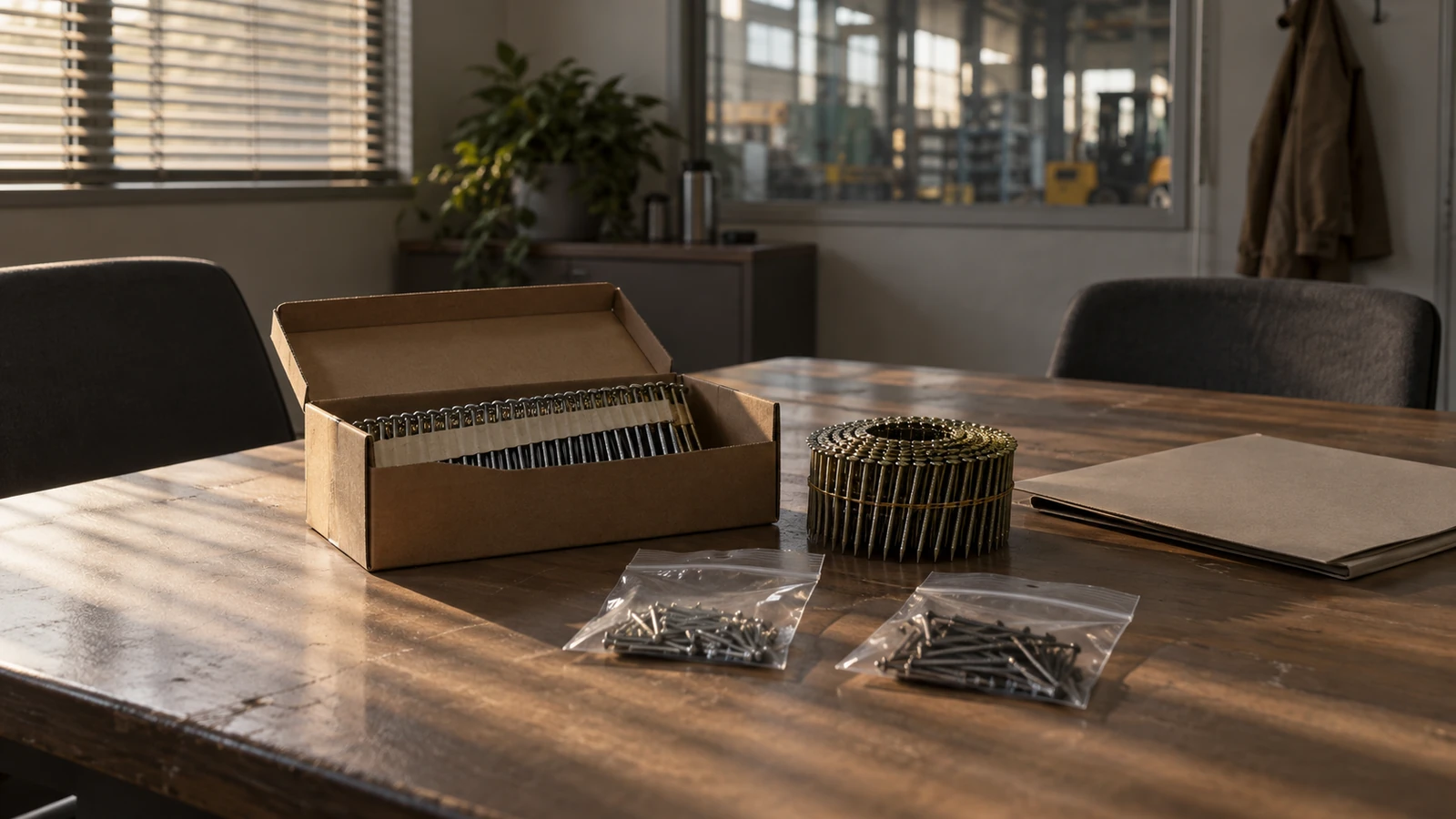
In workshop use, the fastener has to do more than hold wood together. It has to move cleanly through the tool. That means the coil winding, shank finish, and overall uniformity matter. Even without diving into technical lab language, you can ask for the basics: Will the nails feed smoothly in a pneumatic nail gun? Are there visible burrs? Is the coil tight and even?
These are practical checks, not academic ones. A fastener that looks fine in a sample photo can behave differently once it is loaded into a magazine and run at speed. Buyers who skip this step often end up solving problems on the shop floor instead of at sourcing stage.
5. Use a simple comparison list before you place volume orders
When comparing suppliers, a short, disciplined checklist usually beats a long questionnaire. Here is a practical version that works well for purchasing teams:
- Does the supplier match the coil nail format to your nail gun and use case?
- Can they explain the product in workshop terms, not only part numbers?
- Do they show evidence of stable factory production, not just stock availability?
- Can they support repeat orders without changing the product quietly?
- Do they package and label the fasteners clearly enough for warehouse and line use?
That list is not fancy, but it catches many of the headaches that show up later. It also keeps the conversation grounded in production reality.
6. Watch for the most common buying mistakes
The biggest mistake is buying on price alone. In fasteners, the cheapest source can become expensive if the nails jam, waste labor, or interrupt a batch. Another common problem is assuming that all coil nails are interchangeable. They are not. A shop may only discover this after the first trial run.
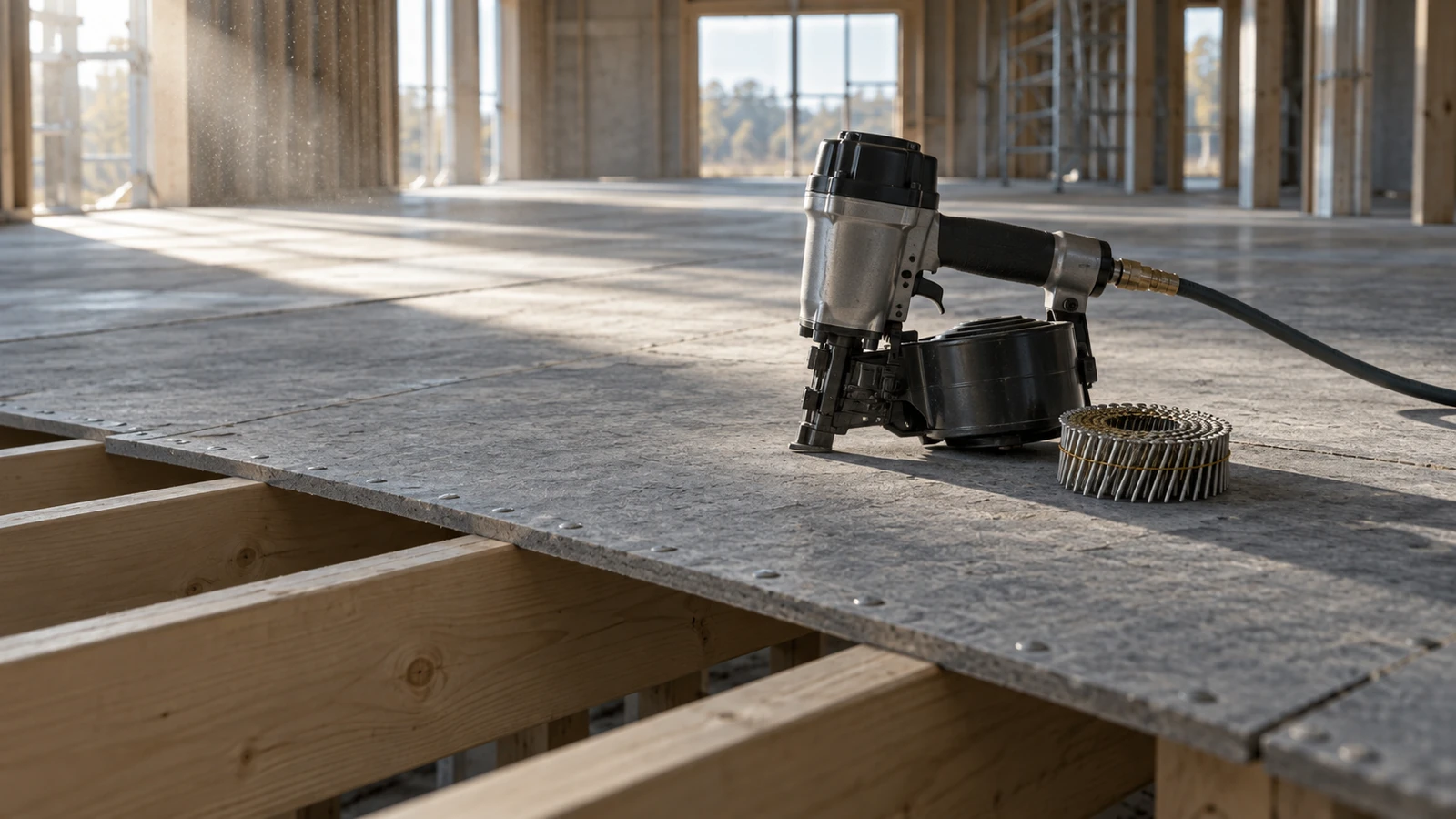
A second mistake is ignoring how the product will be used day to day. A handheld pneumatic tool with a top-mounted magazine and air hose is meant for quick, repetitive fastening. If the nails do not support that pace, the operator loses the benefit of the tool. That is a procurement problem, not just a tooling problem.
7. Ask for practical support, even if it is simple
The best coil nails supplier is often the one that can answer ordinary questions quickly: which format fits which job, how the nails are packed, and what should be checked before switching to a new lot. You do not always need a technical seminar. Sometimes you need a supplier who is responsive and clear.
For buyers working with a coil nails factory or a spiral coil nails manufacturer, that support can be the difference between a smooth rollout and a frustrating trial period. Clear documentation, consistent labeling, and a real person who understands fastener use are all worth more than polished brochures.
Quick FAQ for buyers
What should I confirm first?
Confirm the nail format fits the pneumatic nail gun you are using and that it suits the work, whether that is cabinet assembly, trim, or general woodworking.
Is the cheapest supplier always the wrong choice?
Not always, but price should be balanced against feeding consistency, packaging quality, and order reliability. In fasteners, small defects create large downstream costs.
Should I choose a factory source or a distributor?
That depends on your buying model. If repeat production and stable specs matter most, factory-backed supply is often easier to manage. If you need flexibility or smaller lots, a distributor may be useful. Just verify what you are actually buying.
What to do next
If you are narrowing suppliers now, start with a sample order, check how the nails behave in the tool, and compare the response speed of the sales team. That will tell you more than a glossy product page. For production buyers, the right coil nails supplier is the one that helps the shop stay steady, not the one that simply says yes to everything.