
Why buyers still care about an industrial nails exporter
When people search for an industrial nails exporter, they are usually not shopping for a single box of fasteners. They are trying to solve a broader sourcing problem: how to keep production lines, woodworking shops, and packaging operations supplied with nails that are consistent, available, and suited to the tool on the bench. That matters more than it sounds. A nail that feeds poorly or bends in the wrong material can slow a crew down, create scrap, and force machine adjustments nobody budgeted for.
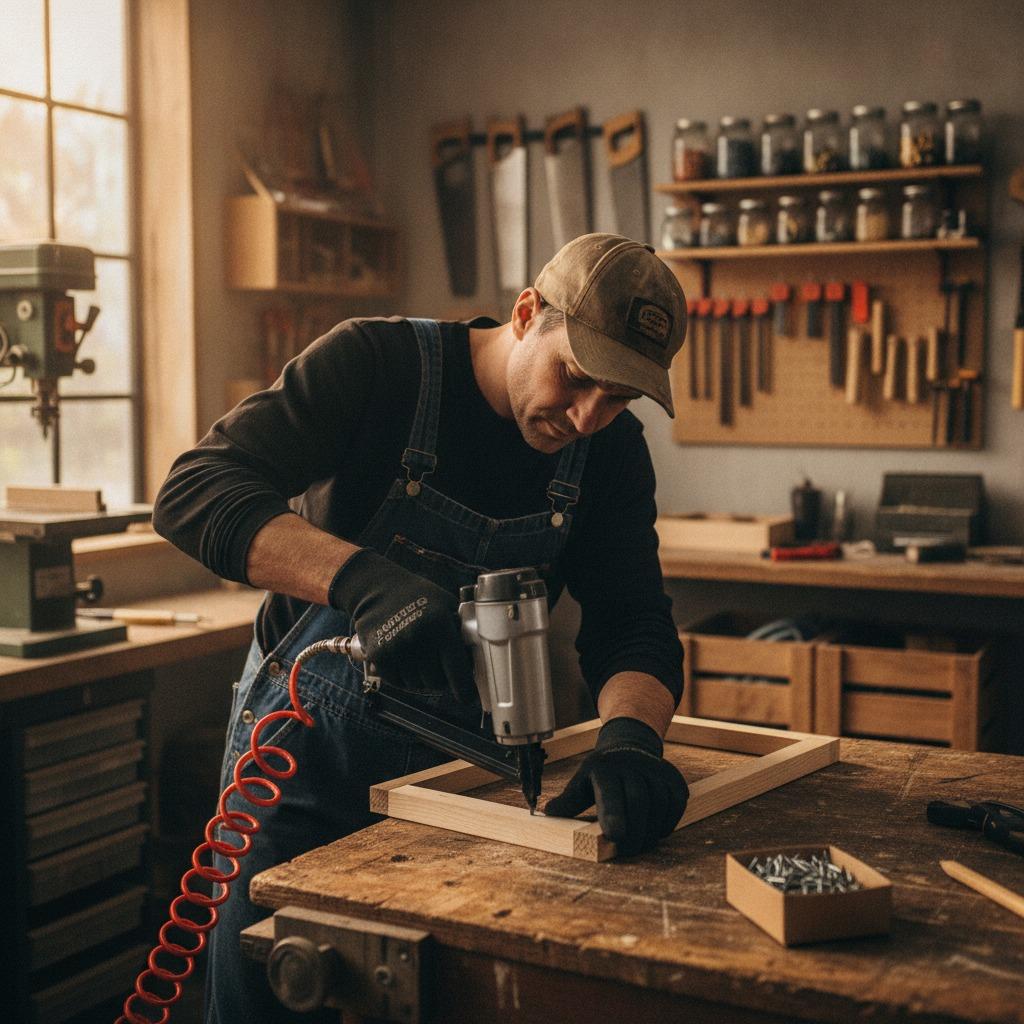
In many plants and cabinet shops, pneumatic fastening is still the practical choice for repetitive assembly. The image here shows that kind of workflow clearly: a handheld air-powered nail gun or brad nailer, a red coiled air hose, and a light wood frame being assembled at the bench. That is the everyday reality behind fastener sourcing. The buyer is not just comparing commodities; they are trying to keep a process moving.
What an exporter really needs to get right
A nails exporter is not simply moving metal from one port to another. In industrial supply, the exporter is expected to match product type, finish, and packaging to the way the customer actually uses the nails. For example, a woodworking buyer may care about feed consistency in a magazine-fed tool, while a construction buyer may care more about holding power and corrosion resistance. Different jobs, different pain points.
A good industrial nails supplier also understands the small details that tend to cause trouble later: whether the fasteners are compatible with pneumatic tools, whether packaging survives long transit, and whether the nail dimensions are described clearly enough for procurement and production teams to approve them. It is a boring part of the business until it goes wrong.
Common use cases in woodworking and light assembly
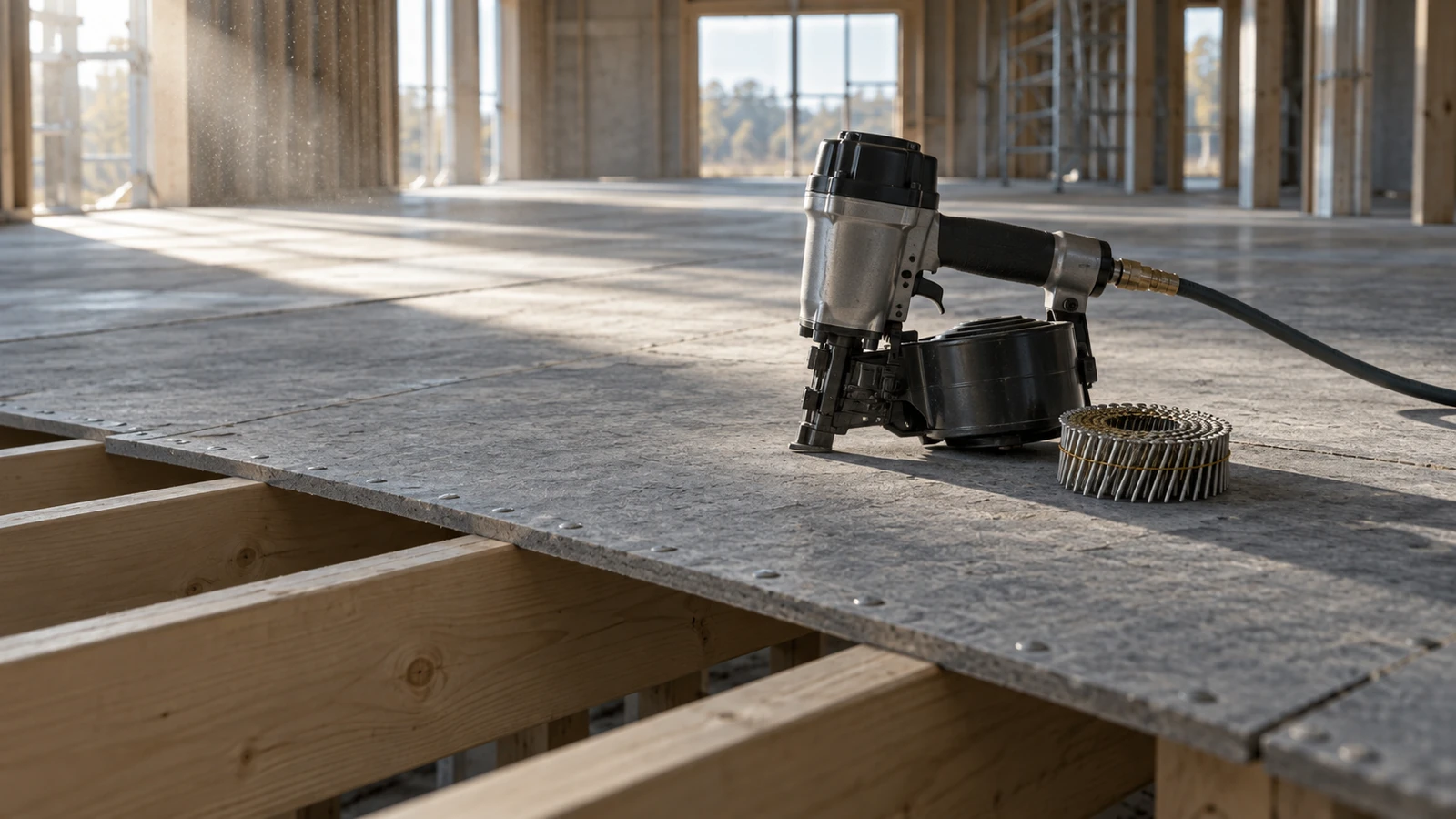
Pneumatic fastening is often used for trim, molding, frame assembly, light panel work, cabinetry parts, and general shop woodworking where repetitive fastening is needed. The setup shown in the product information is a good reminder that the tool and fastener are part of the same system. If the nail size, collation style, or finish is off, the tool becomes less reliable and the assembly line starts to complain.
Where buyers usually see value
Speed is obvious, but consistency is the real gain. A one-handed fastening operation lets an operator hold the workpiece in place and fasten it without changing posture every few seconds. In a cabinet shop or frame assembly area, that can reduce handling steps and keep parts aligned better than hand nailing. It is not glamorous, just efficient.
Key selection points for sourcing teams
Before placing orders with a nails exporter, buyers should clarify a few practical matters:
Fastener type: Are these brad nails, finish nails, or another industrial nail format? Do not assume from a photo alone.
Tool compatibility: Pneumatic tools depend on the right feed and dimensions. A mismatch can create jamming or inconsistent fastening.
Material and finish: Base metal, coating, and corrosion behavior should match the indoor or workshop environment.
Packaging and handling: Bulk cartons, box labeling, and pallet protection matter when the shipment is crossing borders and handling points.
Documentation: Technical descriptions should be specific enough for purchasing, receiving, and line-side use. If the exporter is vague here, expect problems later.
What buyers sometimes overlook
One common mistake is treating all nails as interchangeable if they look similar on paper. They are not. Even in a relatively simple woodworking application, feed angle, strip style, and finish can affect how the pneumatic tool performs. Another easy oversight is neglecting the local operating environment. A fastener that is fine in a dry shop may behave differently if storage conditions are poor or humidity is high.
A cautious buyer will also ask how the exporter manages lot consistency. That does not mean demanding perfection from every shipment; it means checking whether the supplier can keep dimensions and packaging stable enough for repeated production use. That is often the difference between a decent vendor and a dependable one.
Practical questions to ask before you source
If you are shortlisting an industrial nails exporter, ask these questions early:
What exact nail formats do you offer for pneumatic woodworking tools?
Can you support repeat orders with stable specifications?
How are cartons marked and packed for export handling?
What application guidance do you provide for cabinetmaking, framing, or trim work?
Can you help confirm tool compatibility before shipment?
Those questions are not bureaucratic overhead. They are how procurement teams avoid buying fasteners that look acceptable on a quote but fail at the bench.
What a useful next step looks like
For sourcing managers and product teams, the best next step is usually a short technical review rather than a broad RFQ. Start with the intended application, the pneumatic tool type, and the required packaging format. Then compare suppliers on clarity, consistency, and responsiveness, not just on unit price. A nails exporter who answers technical questions plainly is often worth more than one who sends the lowest number and leaves the rest to chance.
If you are evaluating suppliers for woodworking, cabinetry, or light assembly fastening, ask for a product breakdown that matches your tool and process first. That saves time, and it prevents a cheap purchase from becoming an expensive production problem.