
What a Buyer Actually Needs from an Industrial Nails Exporter
When sourcing bulk coil nails for pallet lines, crate shops, or other repetitive wood-assembly work, the difference between a smooth buying cycle and a costly mismatch often comes down to the industrial nails exporter you choose. The product may look simple at first glance: coils of collated nails fed into pneumatic nailers, packed for high-volume use. But anyone who has handled a fast-moving production line knows the details matter. Feed consistency, coating choice, packaging strength, and the way the fasteners are collated can all affect uptime.
For sourcing managers and production teams, the real question is not just where to buy nails. It is how to choose a supplier that can deliver the right industrial fasteners exporter capability for repeat orders, export packaging, and predictable field performance. That is especially true when the application involves pallet assembly, timber packaging, or crate building, where a jam or a poor drive can slow an entire shift.
A Factory-Style Product, Not a Commodity in Practice
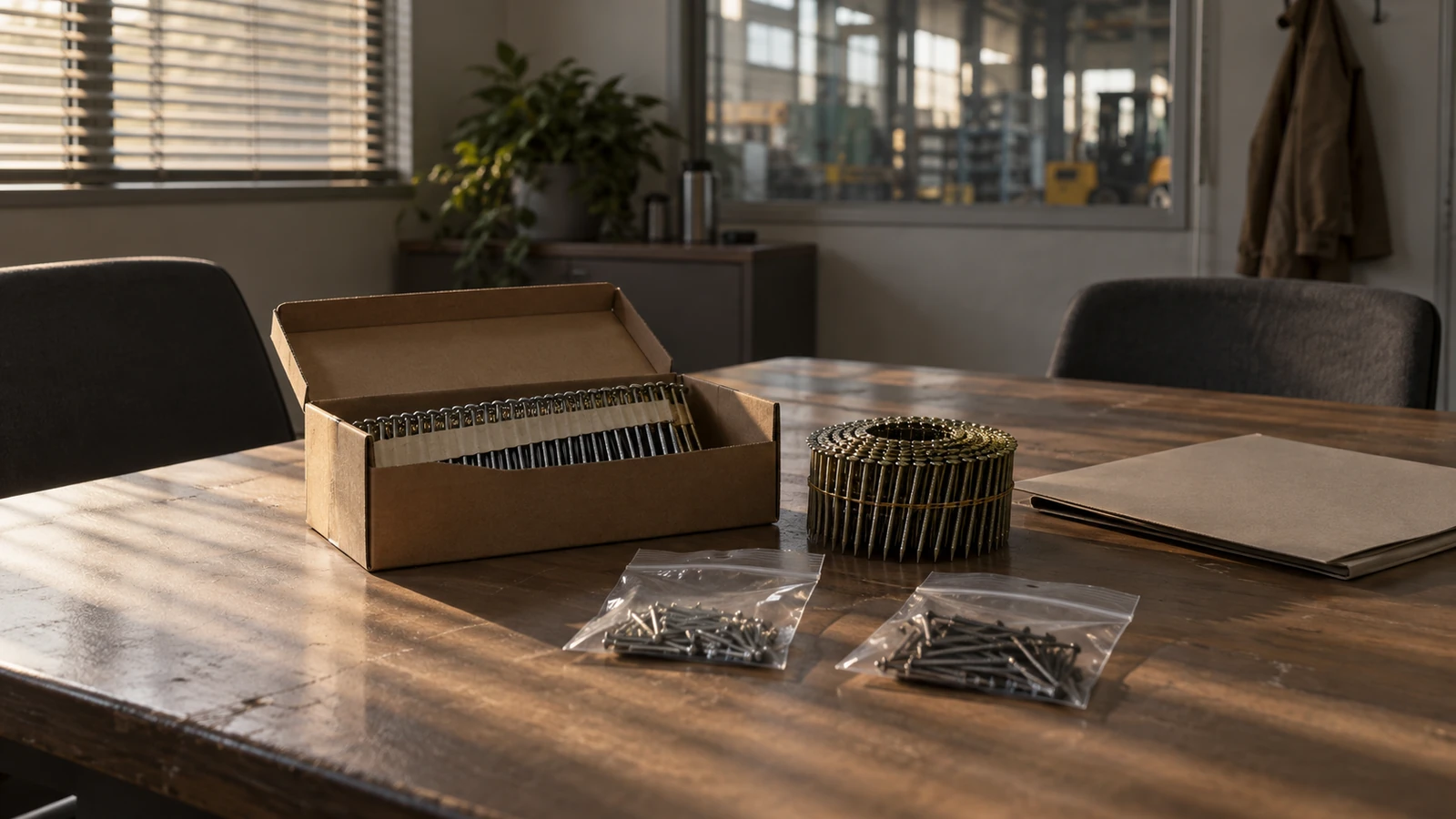
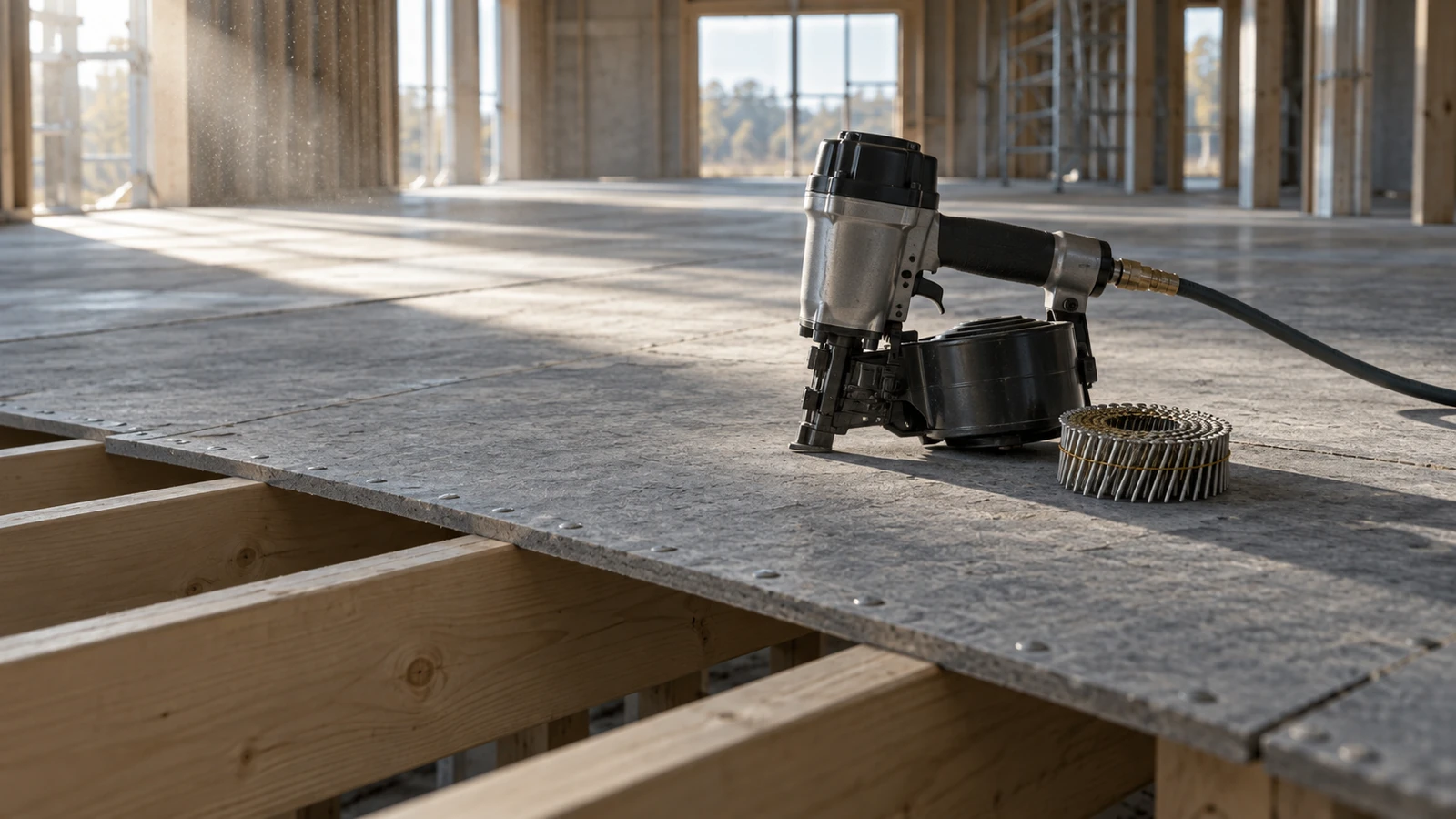
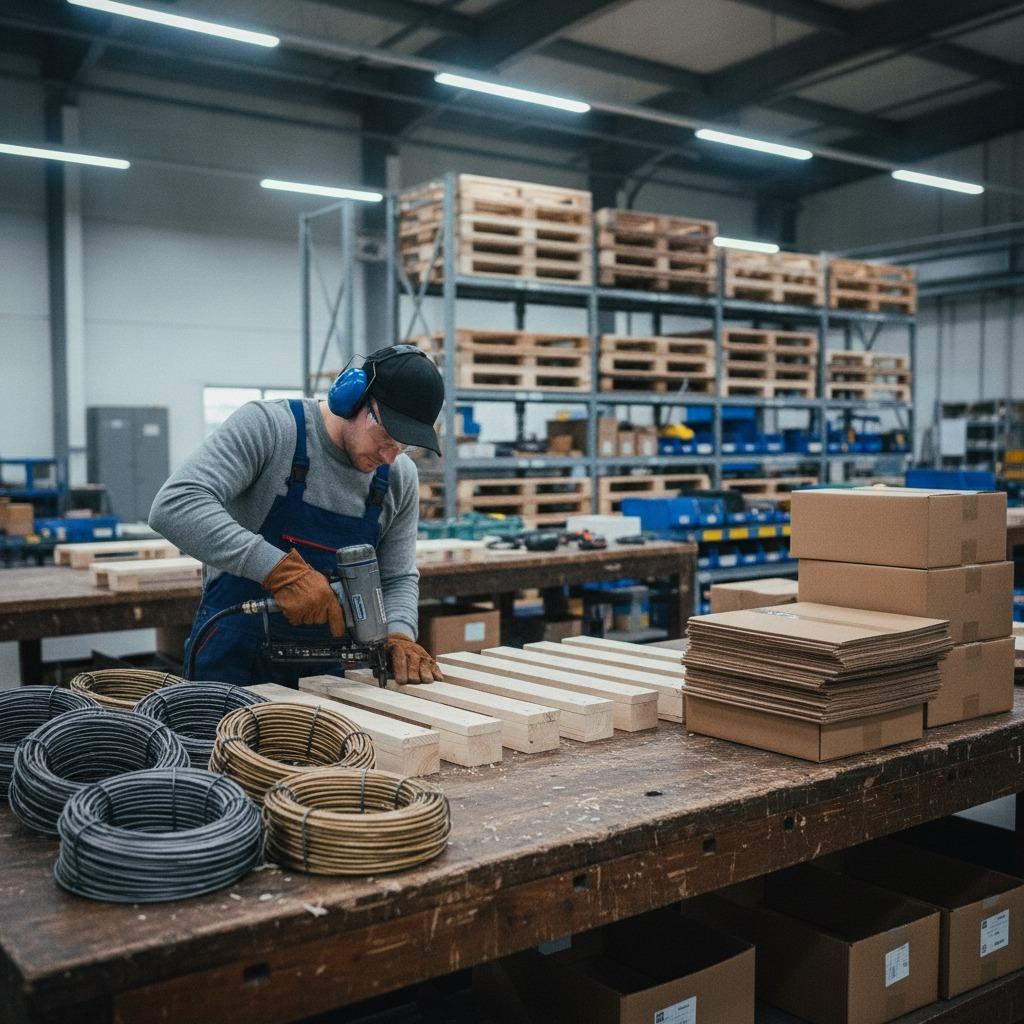
The product described here is a bulk coil nail format, also called collated nails, intended for pneumatic nailers. The visible form is familiar to anyone in packaging or wood manufacturing: circular coil packs on a factory table, with nails held together in continuous strips for high-capacity feeding. Some coils appear bright or silver in finish, while others have a darker or yellow-gold tone. That usually suggests different coatings or plating options, although the exact coating chemistry is not identifiable from the image and should not be assumed.
This matters because finish is not cosmetic in industrial fastening. A buyer selecting steel nails exporter options will usually be balancing drive performance, storage conditions, appearance, and the level of corrosion resistance needed for the job. In dry indoor packaging, a basic finish may be sufficient. In harsher handling environments, the buyer may need a more durable coating. If the supplier cannot clearly explain the difference, that is a warning sign.
Why Coil Nails Keep Winning in High-Volume Work
Coil-format nails are popular for a reason: they reduce reload frequency and help crews maintain rhythm on repetitive fastening jobs. That is useful in pallet manufacturing, box assembly, and other wood packaging lines where the operator may fire thousands of fasteners in a day. The coil geometry supports high-capacity feeding, and the collated strip keeps the nails aligned for pneumatic delivery.
In practical terms, buyers are usually looking for three things at once: a nail that feeds reliably, a pack that survives export handling, and a supplier that can support consistent replenishment. A good industrial nails exporter understands that all three are part of the same commercial problem.
Quick buyer takeaway
If the nail is for production use, the packaging and collation format are nearly as important as the nail itself. A low-cost offer that arrives poorly bundled can cost more than a slightly higher-priced, better-packed shipment.
Case Study View: What the Product Tells Us
Based on the visible product category, this is a shipment-oriented industrial fastener offer rather than a retail nail line. Multiple coil sizes and finishes suggest a supplier set up for broader industrial demand, not just a single standard item. That is useful for buyers who need to source by application rather than by one narrow part number.
The nails appear straight-shanked with flat heads, which is common in coil nail applications for wood fastening. The exact gauge, length, shank style, and point type are not readable from the image, so a serious buyer should request those specifications before placing an order. That sounds obvious, but it is where a lot of procurement mistakes start: the sample looks correct, the language sounds close enough, and then the nailer does not perform as expected on the line.
How to Evaluate an Export Supplier Without Guesswork
When comparing suppliers, focus on the information that directly affects production. Ask how the nails are collated, what finish or plating options are available, how the coils are packed, and whether export cartons are designed to protect the product from deformation. A reputable industrial nails exporter should be able to provide clear product identification, not vague promises.
Also pay attention to consistency across batches. Even if the nail dimensions are right, variation in finish or collation quality can create feeding issues. That is especially true in pneumatic systems where the nailer depends on uniform movement through the magazine. Small deviations become line problems fast.
Common buyer mistakes
One common mistake is buying on appearance alone. Another is assuming all coil nails are interchangeable. They are not. The application, the nailer, and the wood type all affect the right choice. A third mistake is underestimating export packaging. Loose or poorly protected coil packs can arrive bent, scuffed, or unusable, which turns a sourcing win into a sorting job.
Practical Questions to Ask Before Ordering
Before you commit, ask for the exact nail specifications, available coatings, collating method, carton configuration, and intended applications. If the supplier serves pallet manufacturing, timber framing, or wood packaging, ask which of those uses the product is optimized for. If the answer is broad and generic, keep pressing.
For many buyers, the right decision is not about finding the cheapest steel nails exporter. It is about finding the exporter who can consistently match the fastener to the process. That distinction becomes very expensive when production volume rises.
Where This Type of Product Fits Best
Collated coil nails are well suited to pallet assembly, crate and box production, timber framing, and other repetitive fastening work. They are a production tool, not just a commodity fastener. If your operation depends on pneumatic nailers and predictable throughput, the supplier should be judged like a process partner.
If you are reviewing a current source or comparing replacement suppliers, start with the spec sheet, ask for packaging details, and request application guidance tied to your own wood fastening task. That is the quickest way to separate a capable exporter from a vendor who simply moves cartons.
Next step
Shortlist suppliers that can identify the nail format, explain coating options without hedging, and show how they pack coil nails for export. For industrial buyers, that is usually where the real value is hiding.