
What an industrial staples manufacturer really needs to get right
When buyers search for an industrial staples manufacturer, they are usually not looking for a glossy product page. They are trying to solve a production problem: keep fastening consistent, keep feeding smooth, and avoid stoppages that slow down a shop floor or an upholstery line. In practice, that means the staples have to work with the tool, the substrate, and the pace of the job. If one of those pieces is off, the whole process starts to wobble.
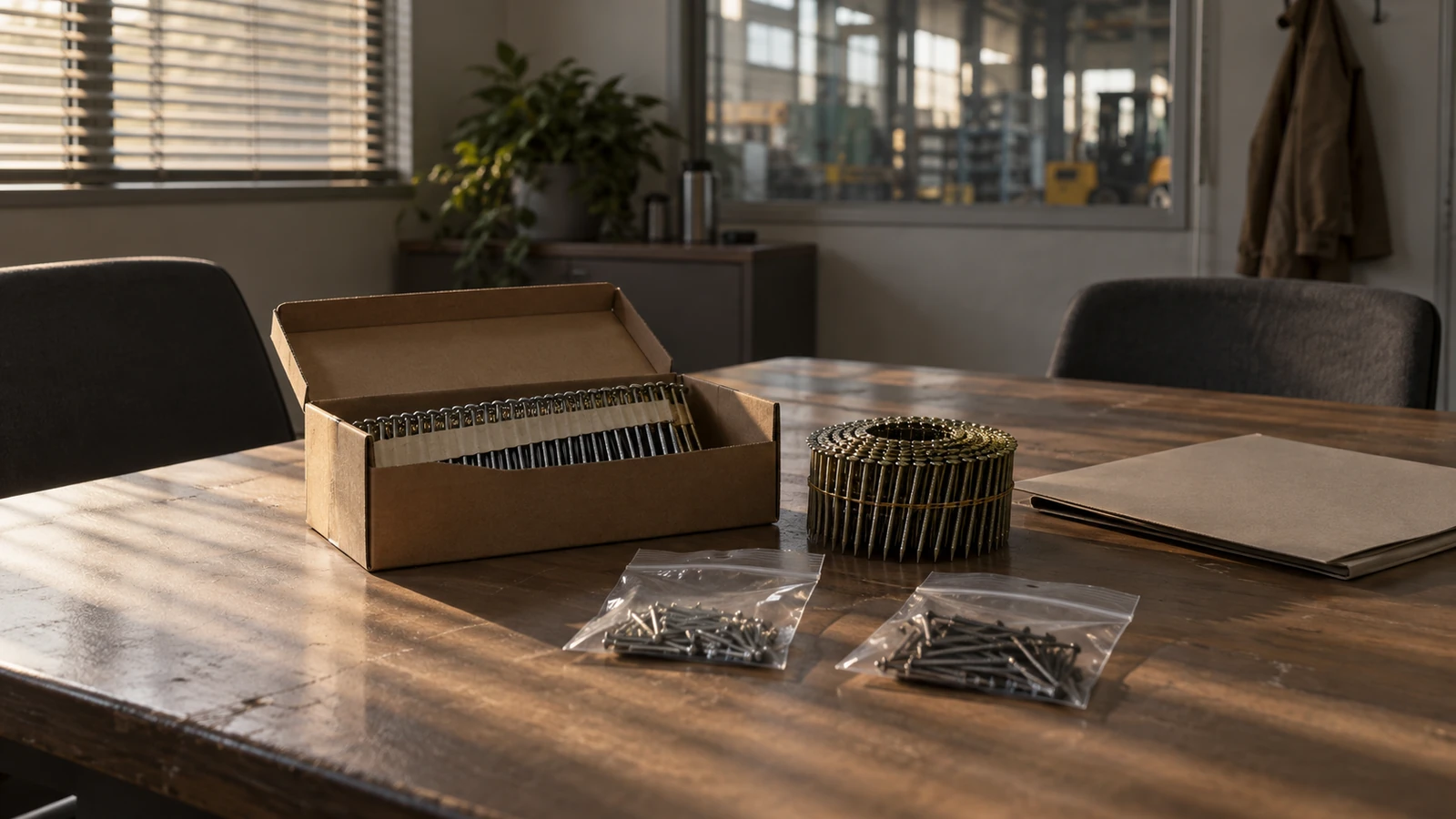
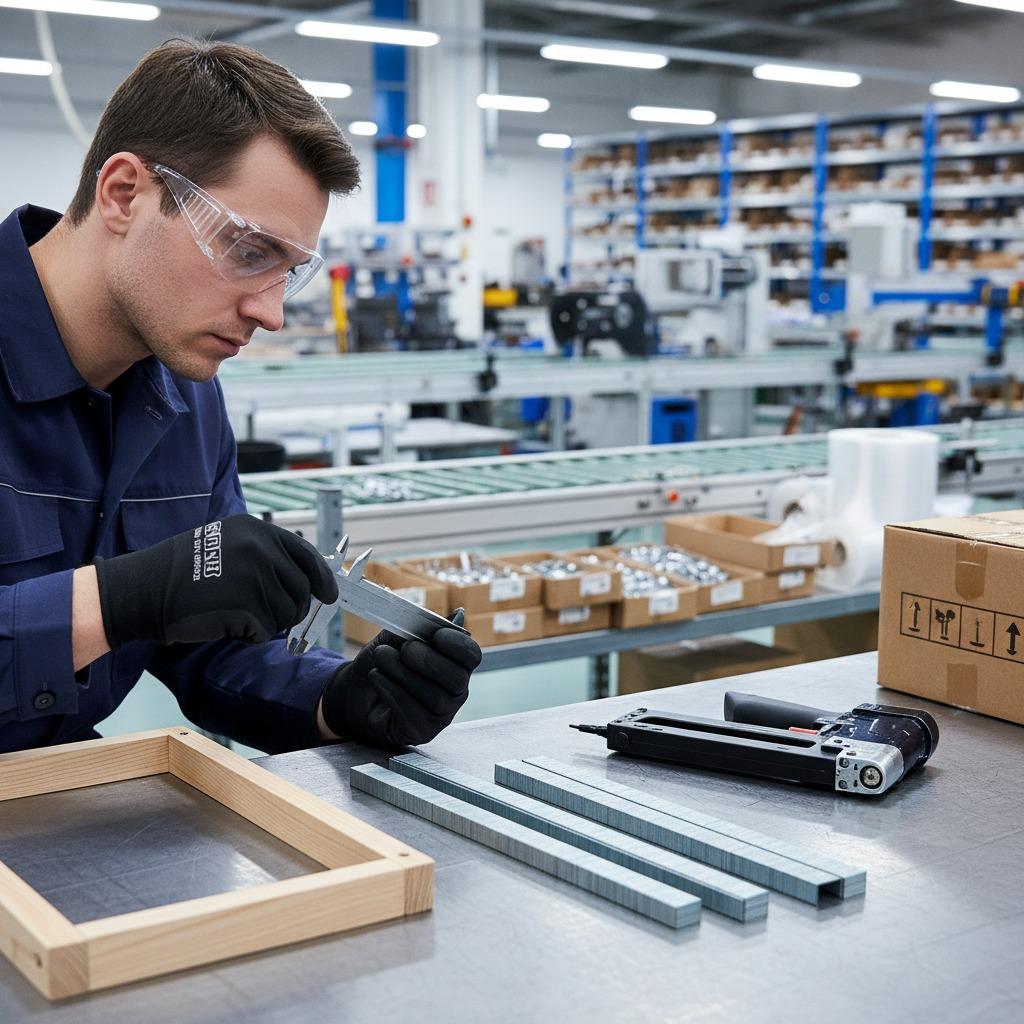
The staples shown in an industrial workshop setting suggest the kind of consumable many teams buy in bulk: metal staples for pneumatic staplers or nailers, often used in furniture assembly, upholstery, wood framing, or similar repetitive fastening work. The exact dimensions are not visible here, so it would be unwise to assume a specific crown width or leg length. But the use case is familiar enough. Buyers want a fastener that sits cleanly in the magazine, drives reliably, and holds without constant rework.
Why staple quality matters more than it looks
A staple seems simple. Two legs, one crown, a piece of formed wire. Yet the wrong staple can create a chain of small problems: misfeeds, bent legs, poor penetration, surface damage, or inconsistent hold strength. On a production bench, those issues are never isolated. They become labor loss, rework, and tool wear. For sourcing managers, that is usually the real cost to manage, not just the unit price.
There is also a practical distinction between general fastening and true industrial fastening. A hobby-grade staple may look similar, but industrial work demands steadier geometry and cleaner feeding. In other words, the staple is a consumable, but it is also part of the process control.
Quick buyer takeaways before you compare suppliers
If you are evaluating an industrial staple supplier, start with the job first, not the catalog. Ask what material is being fastened, how often the tool cycles, and whether the operation is upholstery, assembly, or light construction. That will narrow the choice faster than any product sheet.
Buyers should also check whether the staples match the pneumatic stapling equipment already in the shop. Compatibility sounds obvious, but it is where many purchasing mistakes begin. A staple that is close enough on paper may still feed poorly in a live tool.
Common staple formats and where they fit
Upholstery and furniture work
For upholstery or furniture frame assembly, the staple has to fasten fabric, webbing, or backing material to wood with repeatable results. This is where people often search for upholstery staples wholesale, because volume matters and the work is ongoing. In these settings, smooth feeding and dependable penetration are often more important than chasing a marginally lower price.
General industrial fastening
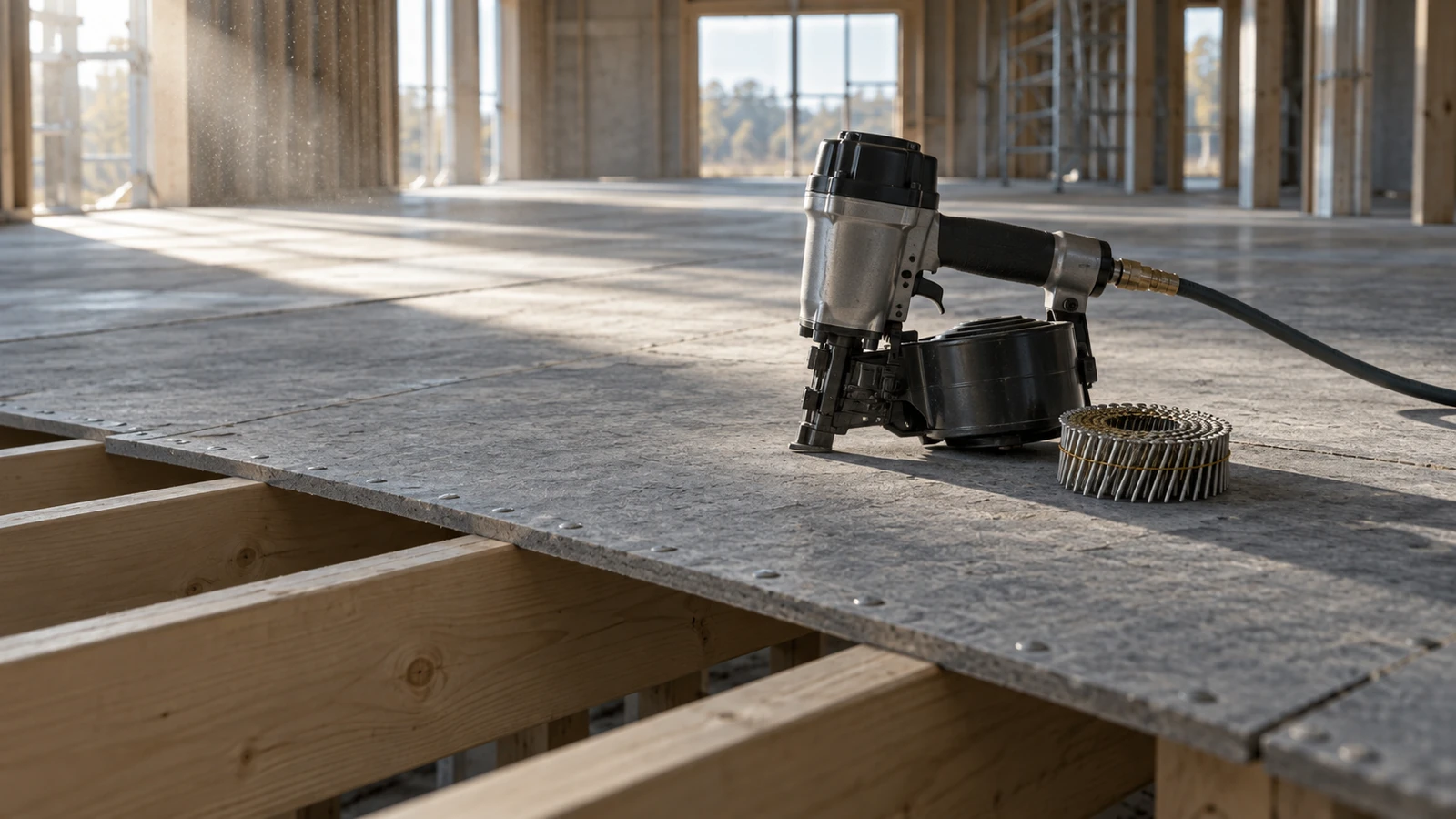
In factory or workshop use, staples may be chosen for panel attachment, light assembly, or repetitive wood fastening. Here, the buyer may care less about appearance and more about throughput. A heavy duty staples line may be appropriate when the application calls for tougher hold, though the exact fit still depends on the substrate and tool setup.
What to look for in a staples manufacturer
A capable staples manufacturer should be able to speak clearly about staple form, feed reliability, and intended applications. The image suggests formed metal wire staples with a silver or galvanized-looking finish, but finish details should always be confirmed before ordering. If corrosion exposure matters, do not rely on appearance alone.
It also helps when the supplier offers multiple staple sizes. The row of different staple pieces visible in the product image points to a practical advantage: one source may support several tool or job requirements. That can simplify purchasing, reduce part-number sprawl, and help plant teams standardize their inventory.
Common buying mistakes
One mistake is assuming all staples that fit the magazine will perform the same way. They will not. Another is buying only on headline price and then discovering feeding issues during a shift. A third is failing to separate light-duty and heavy-duty use cases. A staple that works well in upholstery may not be the best answer for a tougher fastening point in a production environment.
There is also the packaging issue. Bulk ordering can be efficient, but only if part identification is clear and the warehouse can pull the right size quickly. Ambiguous labeling creates its own delay, and that delay usually shows up at the worst possible time.
Practical advice for sourcing teams
Before placing a larger order, ask for the staple type used, the compatible pneumatic tool range, and any available sample pieces for fit checks. If your operation runs multiple lines, it may be worth standardizing staple sizes where possible. That reduces inventory pressure and makes replenishment easier. Still, standardization should not override function. If a different size gives better hold or cleaner driving, that is the one worth keeping.
For buyers handling furniture or upholstery supply chains, a reliable wholesale staple source can reduce surprises. For production teams, the right staple supplier is less about marketing language and more about repeatability across batches. That is the real measure.
FAQ
Are these staples only for upholstery?
Not necessarily. The visible product style fits upholstery and furniture work well, but similar industrial staples are also used in wood framing and other light industrial fastening jobs.
Do I need a specific tool?
Yes. Staples must match the pneumatic stapler or nailer in use. Tool compatibility should be confirmed before purchase, especially when ordering in bulk.
Should I choose the cheapest option?
Usually not as the first filter. A low-cost staple that feeds poorly can cost more in downtime and rejects than a slightly better option.
Next step
If you are comparing an industrial staples manufacturer or narrowing down an industrial staple supplier, start with tool compatibility, intended application, and batch consistency. Then ask for size options and finish details that match your working conditions. The right staple is one of those small purchasing decisions that quietly supports the whole line.