
Choosing an industrial staples manufacturer is really about keeping production moving
When buyers start looking for an industrial staples manufacturer, they are usually not shopping for a commodity on price alone. They are trying to reduce jams, keep upholstery lines running, and make sure each fastener lands cleanly in wood, foam, and trim without slowing the operator down. In furniture shops, repair benches, and light assembly lines, the wrong staple is enough to turn a routine job into a stop-and-adjust cycle.
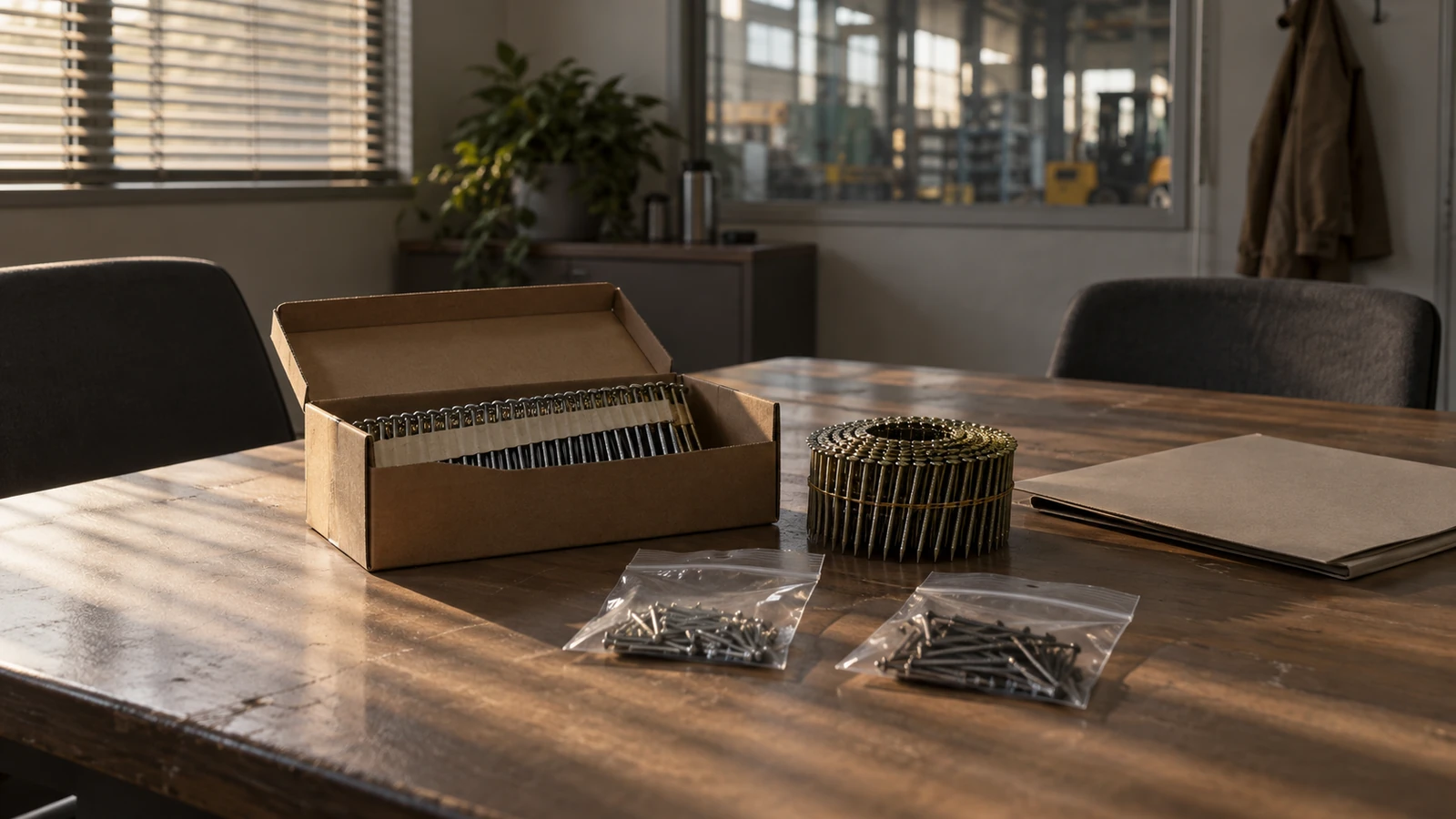
The staples shown here are the familiar U-shaped, collated strips used with a pneumatic staple gun. They are sold in bulk for upholstery and general industrial fastening, which makes them practical for high-repeat work where speed matters more than anything theatrical. A good industrial staple supplier knows that the small details matter: strip consistency, compatible feeding, and enough size variation to suit different frame depths and material stacks.
What these staples are used for in real production settings
Upholstery staples are designed for fastening fabric, foam, and trim to wooden frames. That sounds simple, but the work itself is not always gentle. Chairs, sofas, headboards, and similar products often combine hard corners, layered materials, and awkward access points. In that setting, heavy duty staples are less about brute force and more about reliable holding power over repeated cycles.
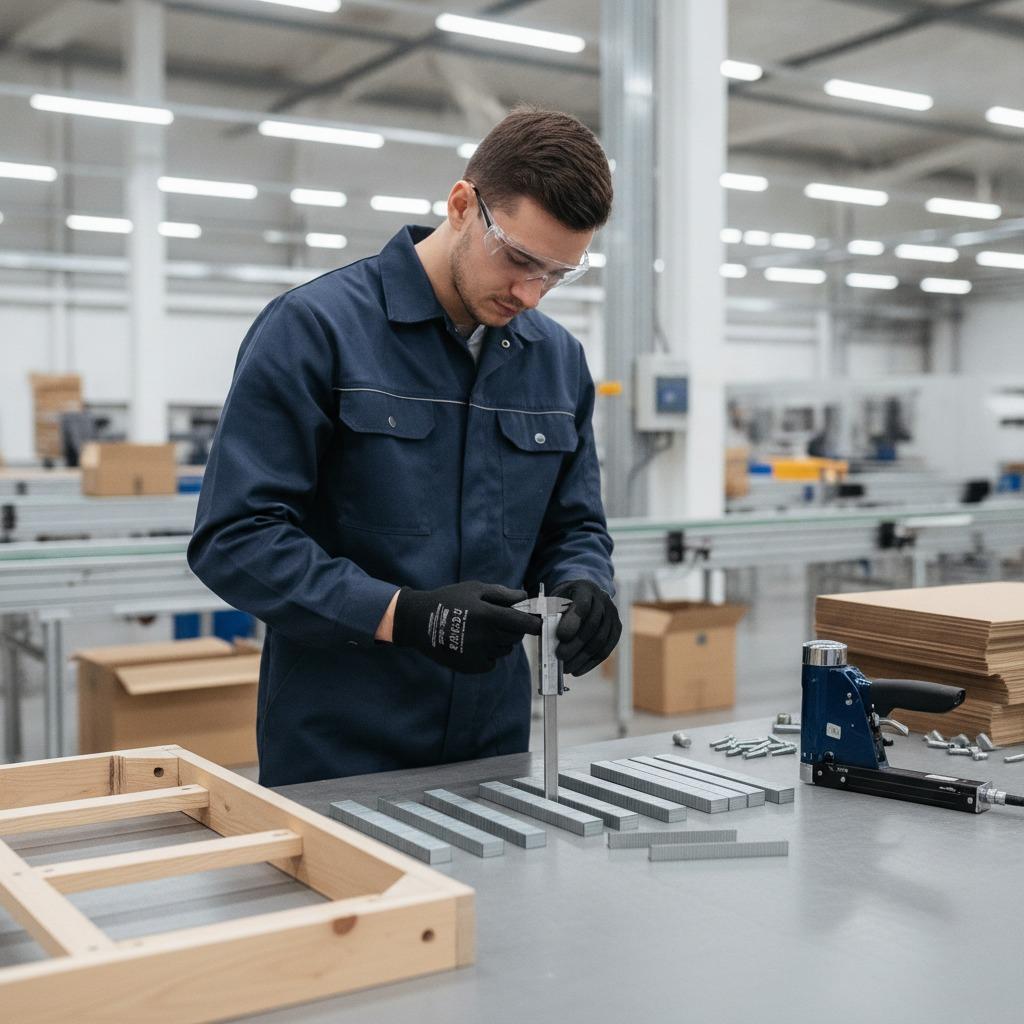
The image shows staples presented in bulk, with multiple lengths visible. That matters because one plant may use a shorter staple for light fabric wrapping and a longer one for deeper frame engagement or thicker material stacks. A thoughtful buyer will usually match staple size to the substrate, the upholstery build-up, and the staple gun being used rather than assuming one option fits every station.
Why bulk packaging changes the buying decision
Upholstery staples wholesale purchases are usually driven by throughput. Workshops and production lines need inventory that is easy to store, easy to load, and consistent from box to box. Bulk purchasing can reduce changeover interruptions, but only if the strip geometry feeds cleanly in the tool. A staple that looks right on paper can still create trouble if it does not collate well or if the finish is not compatible with the environment and the material being fastened.
That is where a dependable staples manufacturer earns trust. Buyers are not only comparing dimensions; they are checking whether the staples are suitable for machine-fed use, whether multiple lengths are available, and whether the product presentation fits workshop handling. A box that is easy to manage on a production floor often saves more time than a slightly cheaper option that arrives in awkward packaging.
Material, finish, and the limits of what you can assume from a photo
The staples shown appear to be metal, likely steel, with a silver or bright metallic finish. That is common in fastening products for furniture and workshop use, but the exact alloy, coating, and corrosion performance are not visible here. Buyers should be cautious about assuming more than the supplier can document. If a project has exposure to humidity, cleaning chemicals, or long service life expectations, finish and corrosion resistance deserve a direct conversation with the supplier.
In practice, the safest buying approach is to treat appearance as a starting point, not a final specification. A bright finish may be perfectly adequate for indoor upholstery work, but it is not the same thing as a formally verified corrosion-resistant fastener. That distinction is easy to overlook when sourcing quickly and expensive to discover later.
How the fastening process affects staple selection
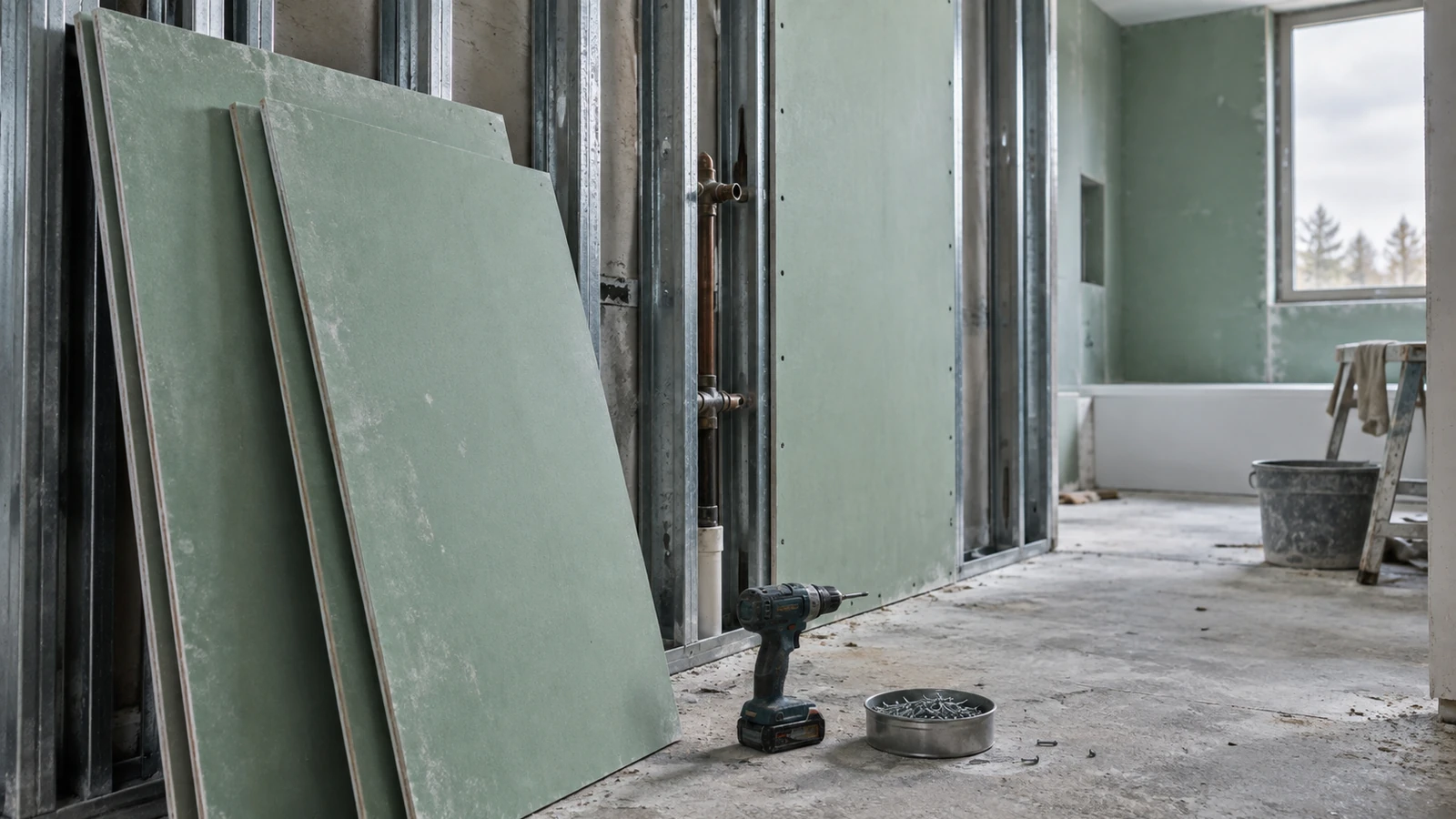
The tool shown alongside the staples is a pneumatic staple gun, which is a common choice for assembly lines and workshop repair work. Pneumatic fastening equipment generally makes sense when the operator must drive many staples in succession. It can improve consistency and reduce fatigue, but it also raises the importance of feed quality. If the collated strip is inconsistent, the tool spends more time fighting the fastener than placing it.
For buyers, this means staple selection is not just about the frame material. It is also about tool compatibility, strip shape, and the way the staple enters the wood. A supplier who understands both the fastener and the tool can usually help avoid the frustrating middle ground: a staple that technically fits but performs poorly in daily use.
Practical checks before you place an order
Before choosing an industrial staple supplier, confirm the staple sizes you actually use on the floor, not the ones that look convenient on a catalog page. Check the gun model, the required strip format, and the material stack being fastened. Ask for clarity on crown width, leg length, wire gauge, and coating rather than assuming those details are standard. They are not always standard, and the wrong assumption can create avoidable rework.
It also helps to think about what the production team complains about most. Missed drives, bent legs, frequent reloads, and loose holding are not the same problem, and they do not always point to the same fix. A good sourcing decision starts with the failure mode, not the packaging photo.
Common mistake: buying for the catalog, not the frame
One of the easiest mistakes is ordering staples by description alone and discovering later that the staple length is not right for the substrate. Another is ignoring the pneumatic tool until the first pallet arrives. Fasteners and tools need to work as a pair. That sounds obvious, but in a busy sourcing cycle it gets missed more often than people admit.
What a buyer should ask a supplier
When speaking with an industrial staple supplier, ask for the staple sizes available, the intended tool compatibility, and any material or finish information that can be verified. If the staples are intended for upholstery, clarify whether they are also suitable for other light industrial fastening work. If the supplier can describe the collated strip format and the bulk packing method, that usually signals a better handle on real shop-floor use.
For teams comparing wholesale options, the real decision is rarely between “good” and “bad.” It is between staples that keep the line moving and staples that look acceptable until they are run at production speed. That difference is worth testing before committing to a large buy.
Next step for sourcing teams and workshop buyers
If you are reviewing options from an industrial staples manufacturer or comparing upholstery staples wholesale, start with your tool model, your material stack, and the staple sizes already proven in your process. Then ask for product details that match those realities. A short spec review up front usually prevents the kind of mismatch that only shows up once operators begin loading the gun.
In this category, the best purchase is the one that disappears into the workflow and lets the job continue without comment. That is usually the sign you picked the right fastener for the line.