
The best pin nail is almost invisible
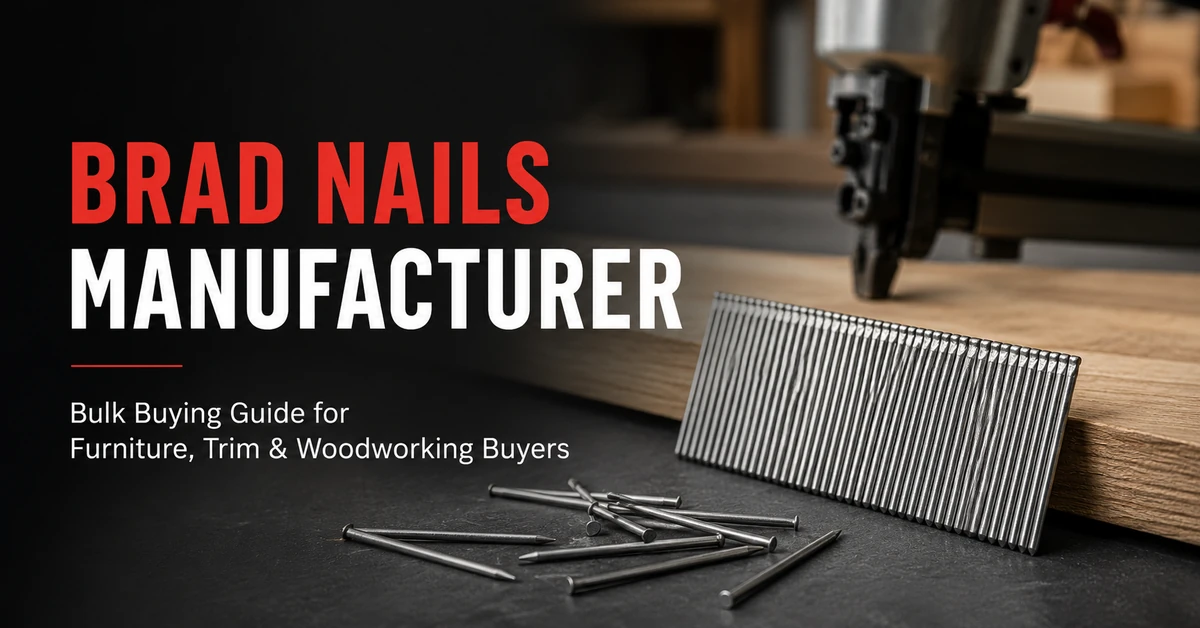
Micro pin nails are chosen when buyers want holding help without a heavy mark on the surface. They are common in fine trim, small moulding, cabinet details, and temporary positioning before glue sets.
Because micro pin nails are small, the sample test should be stricter, not easier. A tiny bend, feed issue, or visible mark can defeat the reason buyers wanted pin nails in the first place.
Match the pin to the finish standard
A pin nails supplier should ask whether the buyer needs headless pin nails, 23 gauge pin nails, or another fine fastening option. The material, finish, and tool model decide which micro pin nails make sense.
For pin nails for woodworking, fire the sample into the final material. Look at the surface under normal shop lighting and again after finishing. What looks invisible on raw wood can show up after stain or clear coat.
Packing is part of the quality check
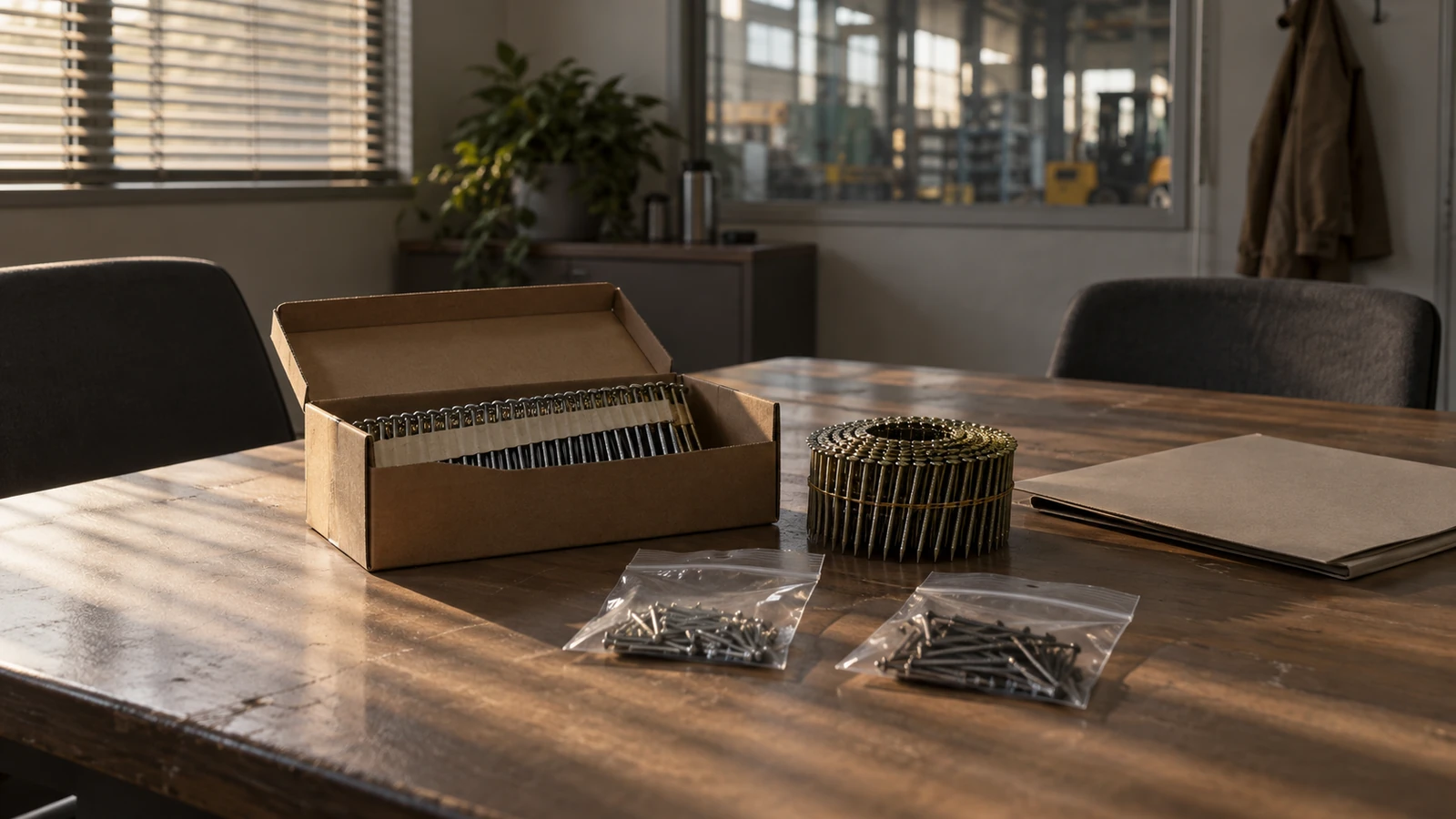
A pin nails manufacturer should pack small strips so they arrive straight and easy to identify. Mixed sizes in weak cartons create slow work for distributors and workshops. Keep each approved sample tied to the carton label.
ProAirNails can support buyers sourcing micro pin nails, headless pin nails, and related fine fasteners for woodworking and trim. Buyers can learn more about ProAirNails before sending tool models or surface requirements.