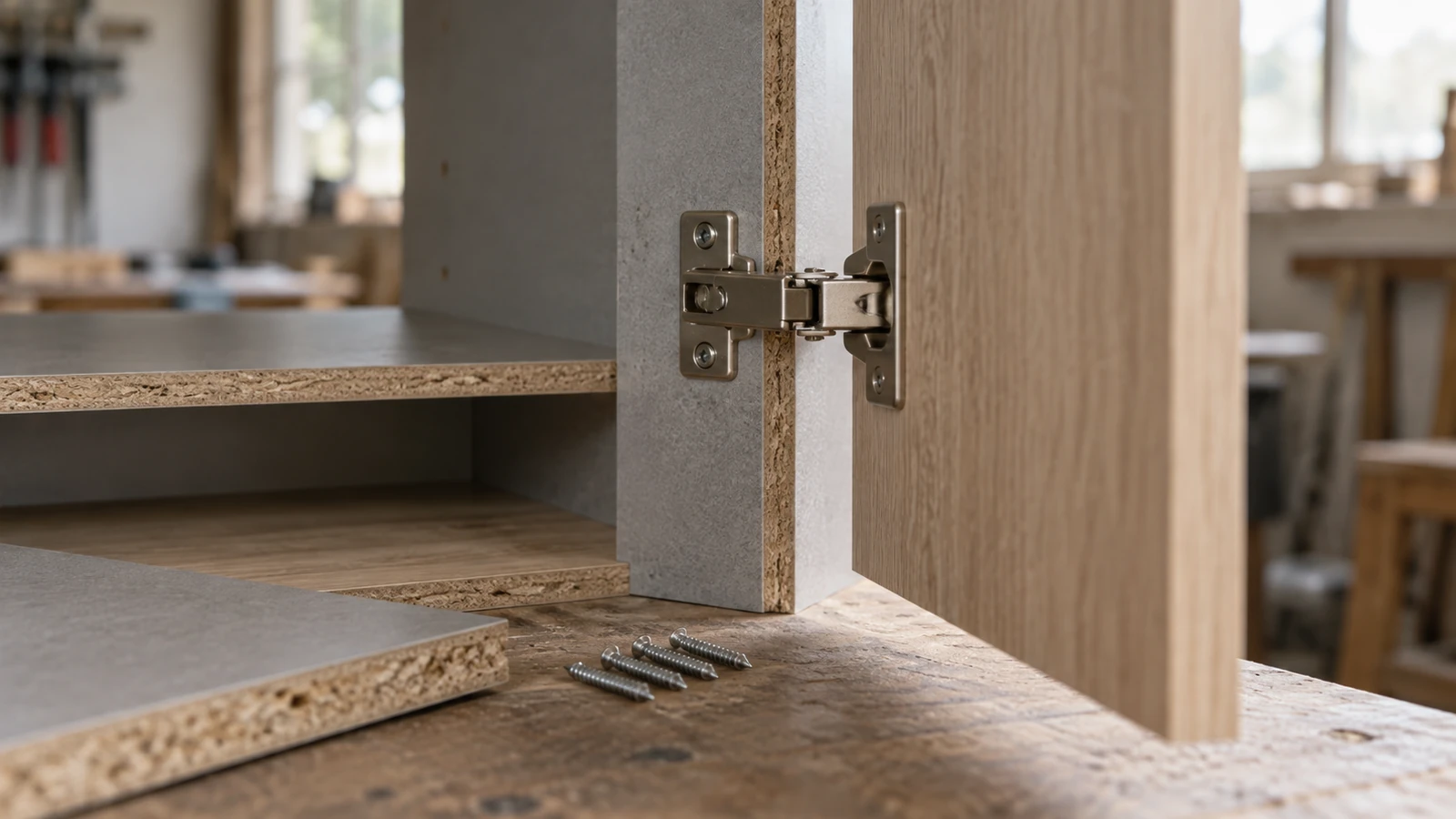

Why sourcing the right OEM pneumatic nails supplier matters more than it first appears
If you buy fasteners for woodworking, trim installation, cabinet assembly, or light fixture work, the supplier decision is not just about price per box. Choosing an OEM pneumatic nails supplier can affect tool performance, finish quality, scrap rates, and how often your line stops to clear jams or replace damaged fasteners. That matters even more when the application calls for tiny pins that need to seat cleanly with minimal surface damage.
A pin nailer or micro nail gun is a good example. The tool is built for very small headless or near-headless pins, the kind used for alignment, light holding, and delicate assembly. When those nails are inconsistent in diameter, strip quality, or coating, the problem shows up quickly at the workbench. Parts shift. Surfaces mark up. Operators start compensating. And once that happens, the fastener becomes a production issue, not a consumable.
What buyers usually need to decide first
For most sourcing teams, the real question is not “Who sells nails?” It is “Which supplier can support the fastening process we already run?” That means matching the fastener to the tool, the substrate, and the finish expectation.
Here is the practical split:
Fastener fit
The nail must cycle reliably through the tool and feed system. Even small variation can matter when the fasteners are very thin and the application depends on precise placement.
Visual finish
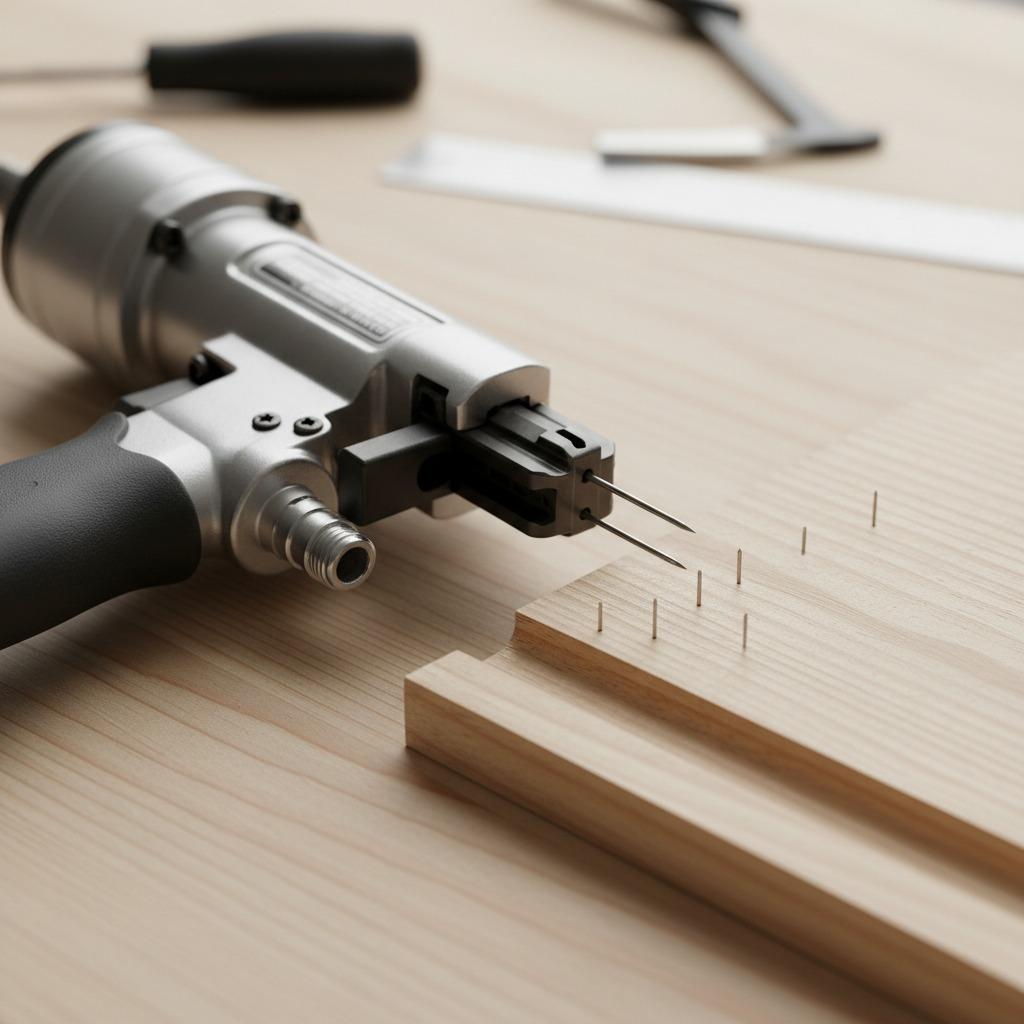
In trim and furniture work, the nail should leave a minimal trace. The image here shows very small pins driven into light-colored wood with little apparent surface disruption, which is exactly why these products are chosen.
Application control
When a tool is used for alignment or temporary holding, the fastener is doing a different job than a structural nail. Buyers should not over-spec the application, but they should not under-spec it either. That is where projects get noisy and expensive.
What an air nails supplier should be able to support
An air nails supplier, especially one supplying OEM programs, should understand the link between the fastener and the tool behavior. In practice, that means being able to discuss compatibility, packaging consistency, and repeatability across lots. They should also know the difference between general fasteners and application-specific nail products for pin nailers, trim guns, and similar tools.
For sourcing managers, a useful supplier is one that can answer straightforward questions without hedging forever:
- What tool category is the fastener intended for?
- Is the product aimed at woodworking, cabinet assembly, furniture, or general shop use?
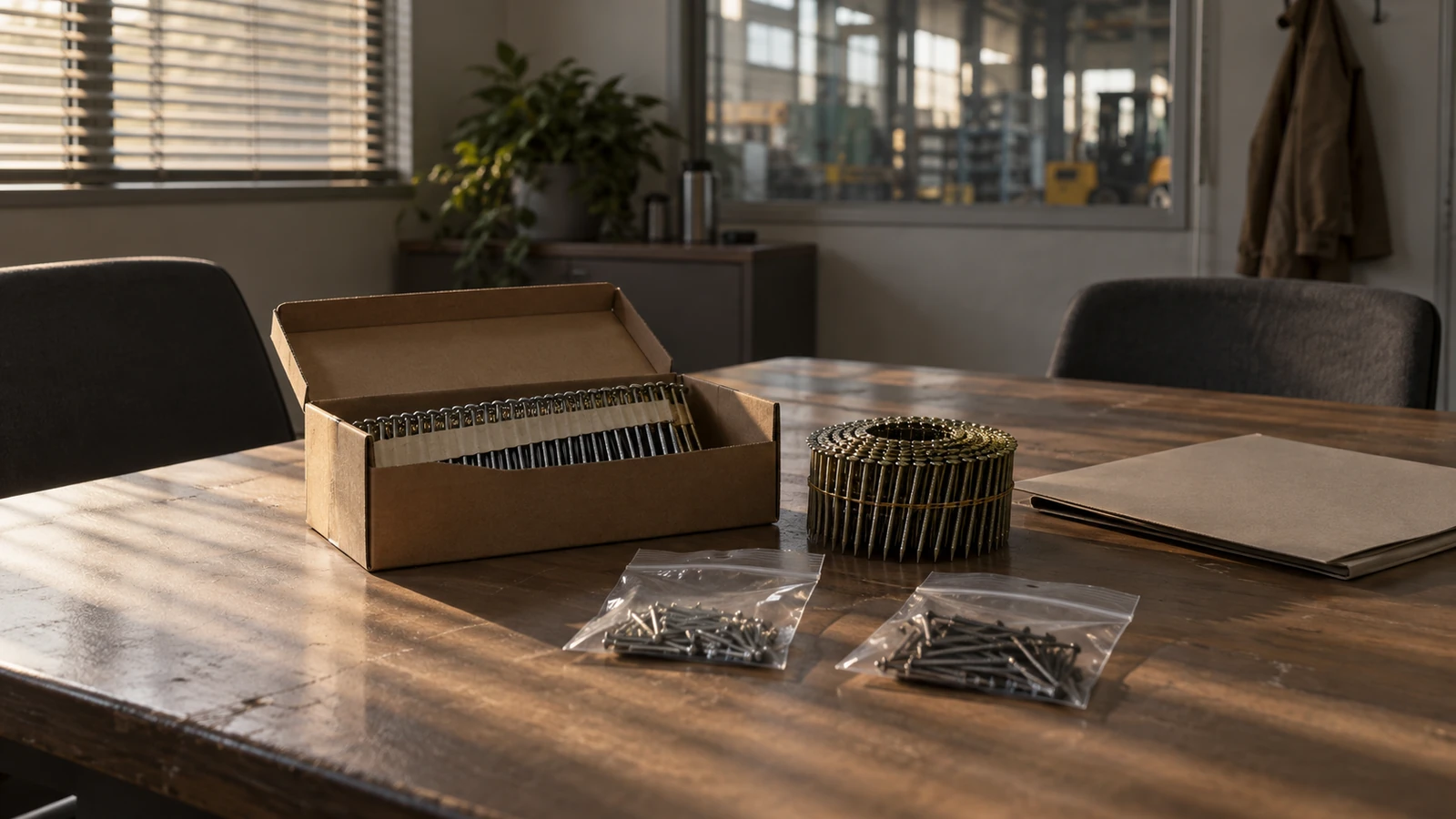
- How is the strip or bundle arranged for feeding?
- What visible finish characteristics should the buyer expect?
Those are simple questions, but they separate a working supplier from a catalog reseller.
Quick comparison: what matters in small-fastener purchasing
Consistency over headline specs
With micro fasteners, consistency is often more valuable than a long list of nominal specifications. A buyer can tolerate modest design limitations more easily than unpredictable feed or split-prone performance.
Tool compatibility over broad claims
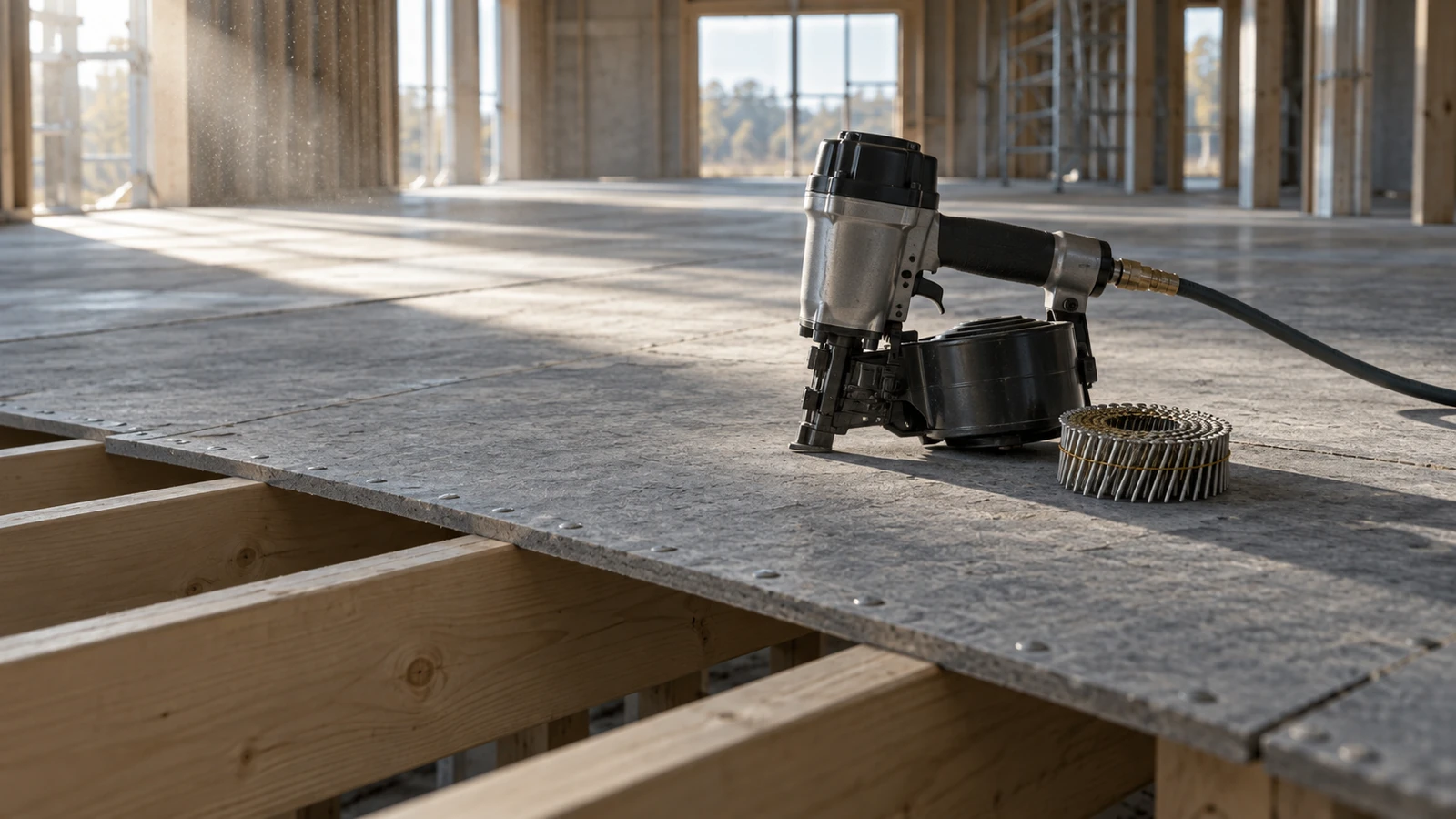
A fastener that looks similar on paper may still behave differently in the magazine or nose assembly. For this reason, do not buy on appearance alone. The image shows a pin nailer style tool, but the exact actuation type and fastener dimensions are not verifiable from the image alone, so the safer approach is to verify fit against the actual tool and sample batches.
Packaging that protects the strip
Bent strips, broken adhesive, or loose fasteners create avoidable waste. It sounds minor until operators are sorting nails by hand at the line.
Common mistakes buyers make
One common mistake is assuming all small nails are interchangeable. They are not. Another is focusing only on the nail and ignoring the gun, especially in operations where the same product is used across multiple stations. A fastener that works in one setup may feed poorly in another.
A second mistake is treating finishing applications like rough construction. The image suggests very small pins intended to leave minimal surface damage. That kind of job usually rewards careful sourcing more than aggressive cost cutting.
A third mistake, and a frequent one, is failing to ask whether the supplier understands OEM expectations. If you are building your own product line or private-label program, you need more than a trader. You need a partner who can keep the supply stable and the product presentation consistent.
Buyer advice for OEM and private-label programs
If you are evaluating an OEM pneumatic nails supplier, start with samples in the actual tool and actual substrate. Light-colored wood, cabinet components, trim stock, and shop fixtures can all behave differently. Check feed smoothness, nail seating, and visible marking. Then look at how the supplier responds to feedback. That response often tells you more than the first sample run.
For private-label programs, ask whether the supplier can support repeat packaging and labeling requirements without changing the product behavior. A fastener line can look simple on the shelf and still be surprisingly sensitive in production.
FAQ: common questions from sourcing teams
Is a pin nailer only for fine woodworking?
Not only. It is widely used in woodworking, trim work, cabinet assembly, furniture making, and jig or fixture setup where tiny fasteners are useful for temporary or light holding.
Should I choose the cheapest air nails supplier?
Usually no. Low unit cost is helpful, but poor consistency can create hidden labor costs and tool downtime.
Can I specify by image alone?
No. The image can show general fastener style and likely use, but not exact gauge, length, or drive mechanism. Those details need product data or samples.
What to do next
If your team is comparing fastener sources, build the decision around tool compatibility, finish quality, and lot-to-lot consistency. Ask for samples, test them in the real application, and confirm the supplier understands OEM requirements rather than just stocking product. That is the difference between a fastener that merely ships and one that actually supports production.