
Why OEM pneumatic nail sourcing is a different buying decision
When buyers start comparing an OEM pneumatic nails supplier, they are usually not shopping for a generic fastener box. They are trying to solve a much narrower problem: how to get small, consistent nails that feed cleanly, drive predictably, and match the finish expectations of woodworking, trim, and light assembly jobs. That matters because a fastener that looks trivial on paper can become the point where a production line slows down, a cabinet face gets marked, or a customer notices a split edge after finishing.
The same logic applies to the tool side. A pin nailer or micro brad nailer is designed to place very small pins with minimal surface damage. In practice, that makes it useful for trim installation, moldings, decorative strips, prototype fixtures, and other work where the fastener is supposed to disappear into the material rather than dominate it. If you are sourcing for resale, private label, or integration into a tool kit, the real question is not just “who can make nails?” It is “who can make nails and keep them compatible with the way the tool actually behaves in production?”
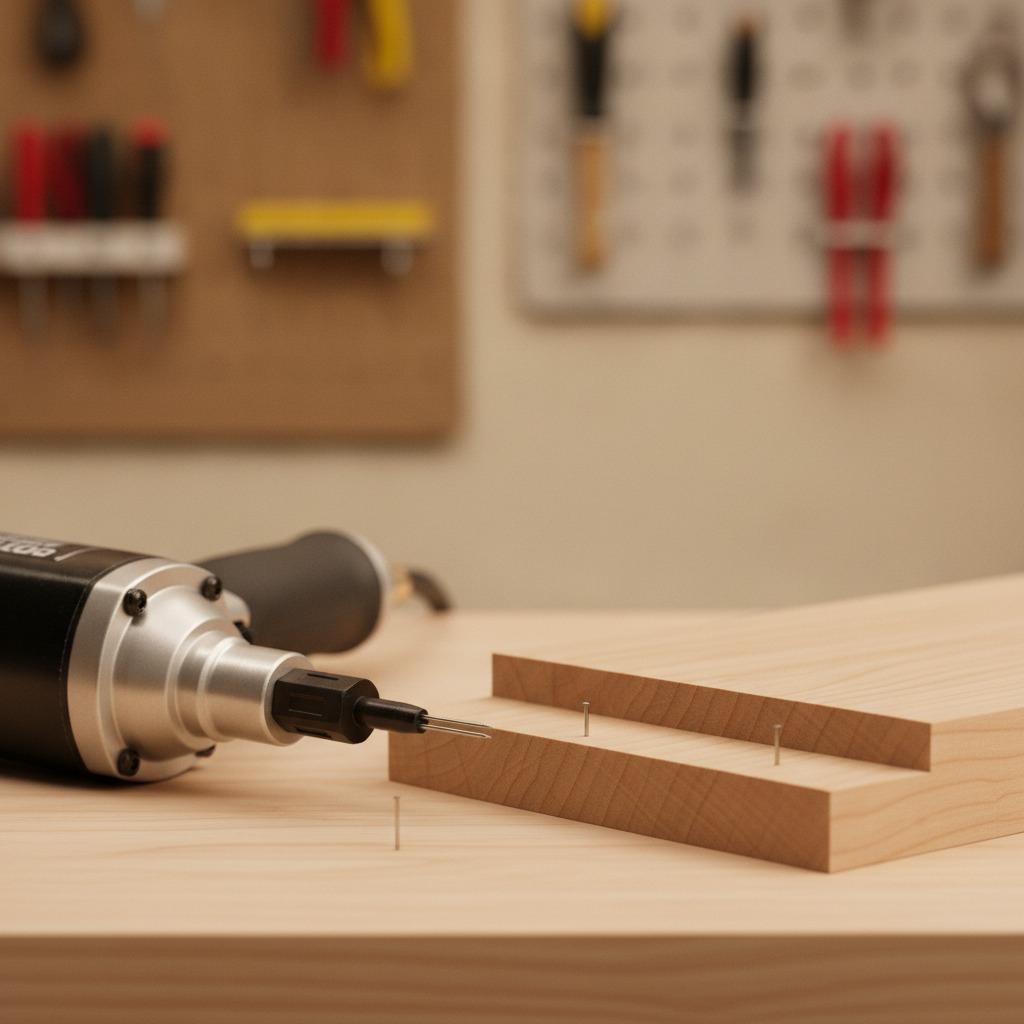
What the image suggests about the application
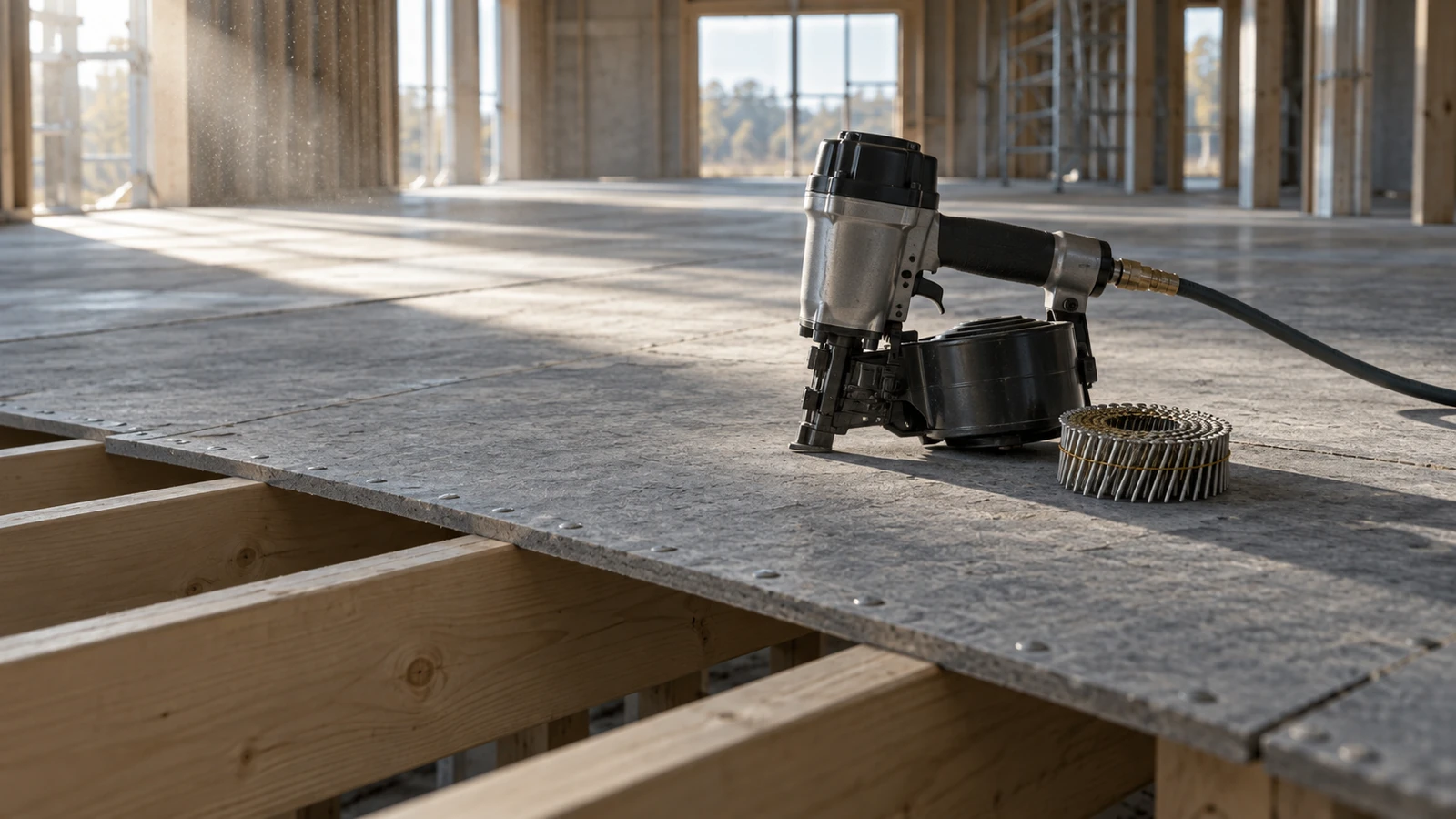
The product shown is a fastening tool with a narrow nose and a rail or magazine-like upper section, aimed at driving very small metal pins into wood. The board in the image appears to be light-colored stock with a routed or stepped edge detail, which points toward finish carpentry, cabinet work, or similar precision assembly. The pins themselves are thin, smooth, and low-profile, which is exactly what a buyer wants when visible hardware would be a problem.
That visual detail matters for sourcing because it tells you the end use is not heavy framing. It is light, careful fastening where fastener size, straightness, and surface finish all influence the result. A small defect in the nail can cause a jam, a misfeed, or a mark that becomes obvious after sanding or coating.
Quick reference: what buyers usually care about
For this category, the decision usually comes down to five practical points:
1. Feed reliability
If nails are not straight, evenly finished, or consistently sized, the tool will tell you quickly. Feed issues are more than an inconvenience; they interrupt the rhythm of assembly.
2. Surface damage risk
Tiny pins are chosen to reduce visible holes and splitting. Buyers should still ask how the fastener behaves in softer woods, edge grain, and thin stock.
3. Compatibility with the tool
A nail may look close enough in a sample photo and still fail in a real magazine. Length, shank geometry, and head style all need to line up with the intended gun.
4. Packaging and lot consistency
OEM buyers often care less about one sample carton and more about whether the next shipment behaves the same way.
5. Private-label readiness
If the goal is to sell under your own brand, presentation, carton labeling, and repeatable supply can matter almost as much as the fastener itself.
Choosing an OEM pneumatic nails supplier without getting burned
The safest approach is to treat supplier selection like a process audit, not a price hunt. Start with sample testing in the actual nailer or pinning tool you plan to use. A fastener that looks acceptable in a catalog can still jam if the strip format, polish, or rigidity is slightly off.
You should also ask the supplier how they handle dimensional consistency from batch to batch. That is not the same as asking for a marketing claim. It is a practical question about whether the product can be made to the same pattern every time. For an air nails supplier, especially one serving OEM or private-label accounts, that consistency is often the difference between a dependable program and a constant stream of complaints.
If you are sourcing for multiple tool platforms, keep in mind that not every small pin or brad behaves the same way. A nail gun nails supplier may offer a broader range than the name suggests, but buyers still need to confirm what is actually compatible with their equipment. A pin that performs well in light assembly may not suit decorative hardwood trim, and a product that works in one magazine design may not load cleanly in another. That is the kind of detail that is easy to miss until production is already underway.
Common mistakes in OEM fastener sourcing
One common mistake is assuming the smallest fastener is the safest choice. In reality, the wrong geometry can leave a poor finish or reduce holding power. Another is approving samples only by eye. Straightness, finish, and packaging all affect how the fastener performs once it is fed through a tool at speed.
A second mistake is forgetting the end user. Contractors and woodworkers care about how quickly the nails feed, how cleanly they set, and whether the holes stay discreet after finishing. If your supplier can meet those expectations, the product is easier to position in the market.
Practical buyer advice
If you are building a sourcing shortlist, ask for the following:
- Product dimensions and compatible tool format
- Sample packs from the same production route as bulk orders
- Packaging details for OEM or private label
- Clear confirmation of what applications the fastener is intended for
It is also worth checking whether the supplier can support the broader fastening program, not just one SKU. Buyers often start with one pin nail size and later need adjacent products for trim, cabinetry, or assembly work. A supplier that can grow with the program is usually easier to manage than one that only offers a single narrow range.
What a good next step looks like
If you are evaluating an OEM pneumatic nails supplier, begin with a sample test in your own tool and wood stock, then compare feed behavior, finish quality, and packaging consistency. That will tell you more than a polished spec sheet.
For sourcing teams, the useful question is simple: can this supplier deliver fasteners that disappear into the job and stay dependable when order volume rises? If the answer is yes, the relationship is worth developing. If not, keep looking before the problems show up on the line.