
What buyers are really looking for from a pneumatic fasteners factory
When sourcing from a pneumatic fasteners factory, most buyers are not shopping for a shiny catalog. They are trying to solve a production problem: how to keep wood assembly moving without stopping for misfeeds, bent fasteners, air leaks, or inconsistent holding power. That matters whether the work is timber framing, pallet building, crate assembly, or shop-built fixtures. In each case, the fastener itself is only part of the equation. The factory’s process discipline, packaging consistency, and compatibility with pneumatic tools often matter just as much.
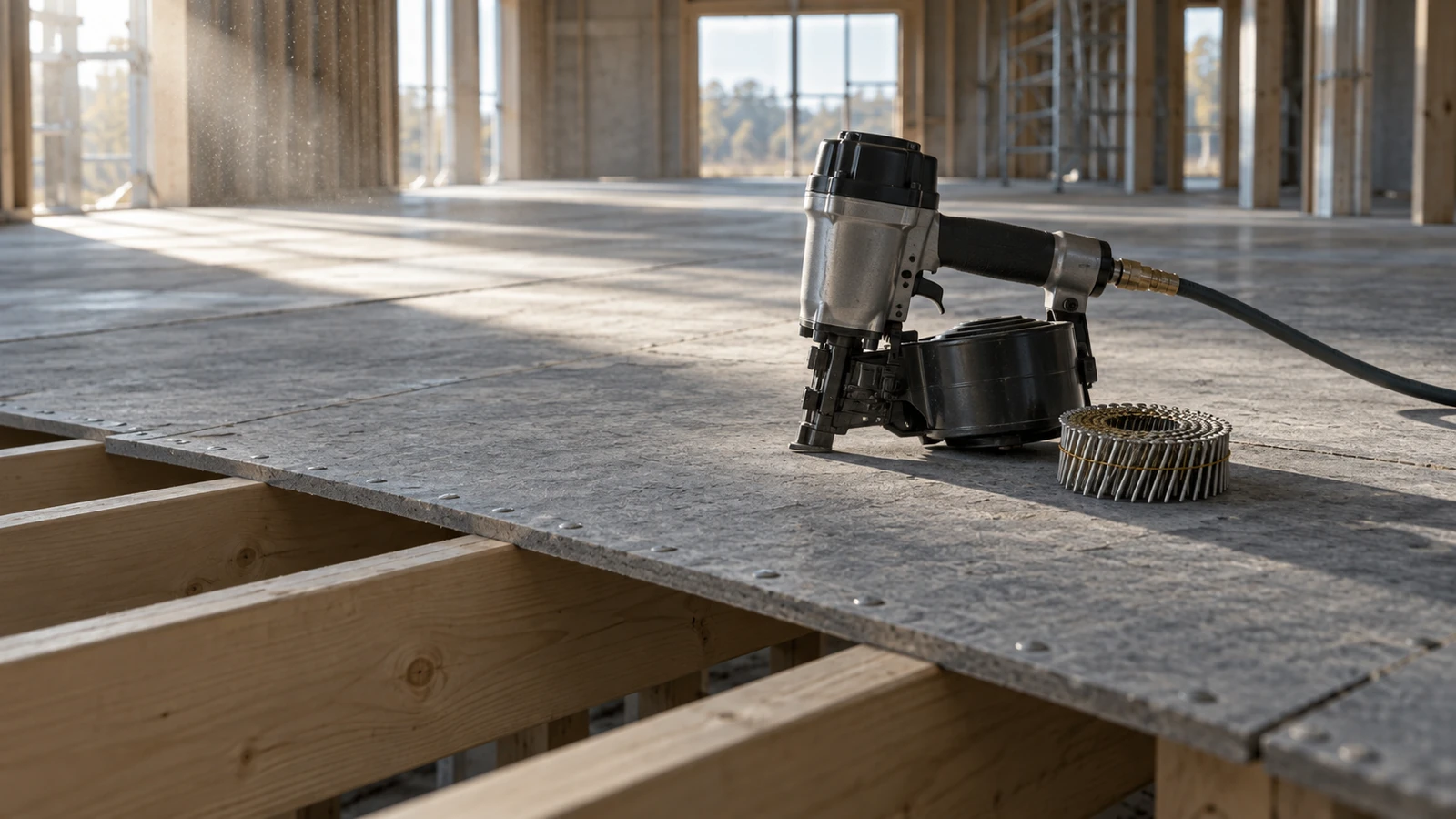
This is especially true in workshops where a pneumatic nailer or stapler is used on large timber members. The setup is simple on the surface: a compressor, an air hose, and a tool at the bench. But anyone who has managed a line or a jobsite knows that the real cost comes from interruptions. A few poor strips or badly formed coils can slow the crew more than a higher unit price ever would.
Why this sourcing decision matters
For engineers and sourcing managers, the decision is rarely about choosing “nails” in the abstract. It is about matching the fastener format to the tool, the wood, and the pace of the operation. A framing crew wants dependable feeding and consistent penetration. A workshop assembling beams or frames wants clean placement and fewer rework steps. A packaging producer wants fast output and predictable holding strength without chewing up the substrate.
That is why the term coil nails manufacturer comes up so often in procurement conversations. Coiled fasteners are not just a convenience item; they can be part of the production rhythm. Likewise, a framing nails supplier may be judged less on marketing language and more on whether their fasteners behave properly in real pneumatic equipment.
Quick takeaways for buyers
If you are comparing vendors, a useful first filter is whether the supplier understands your application, not just the product category. A pneumatic fasteners factory serving wood construction or industrial woodworking should be able to discuss feed format, packaging protection, and tool compatibility in practical terms. If they cannot, that is usually a warning sign.
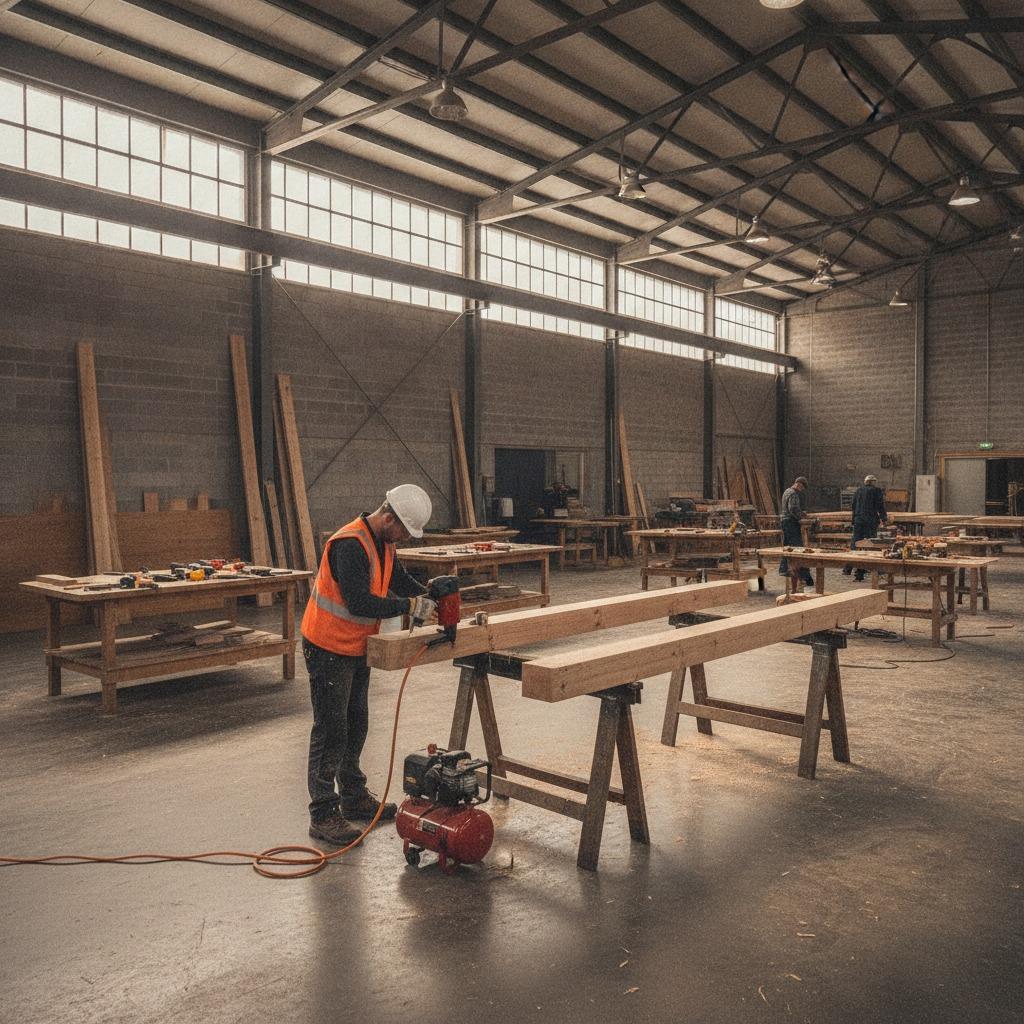
From the workshop scene described here, the operating environment suggests larger wood members, portable air supply, and shop-based assembly. That points to buyers who care about field mobility and bench stability at the same time. In those settings, the fasteners must support repeatable work without forcing the operator to stop and troubleshoot every few minutes.
What to examine in a factory partner
Fastener format and application fit
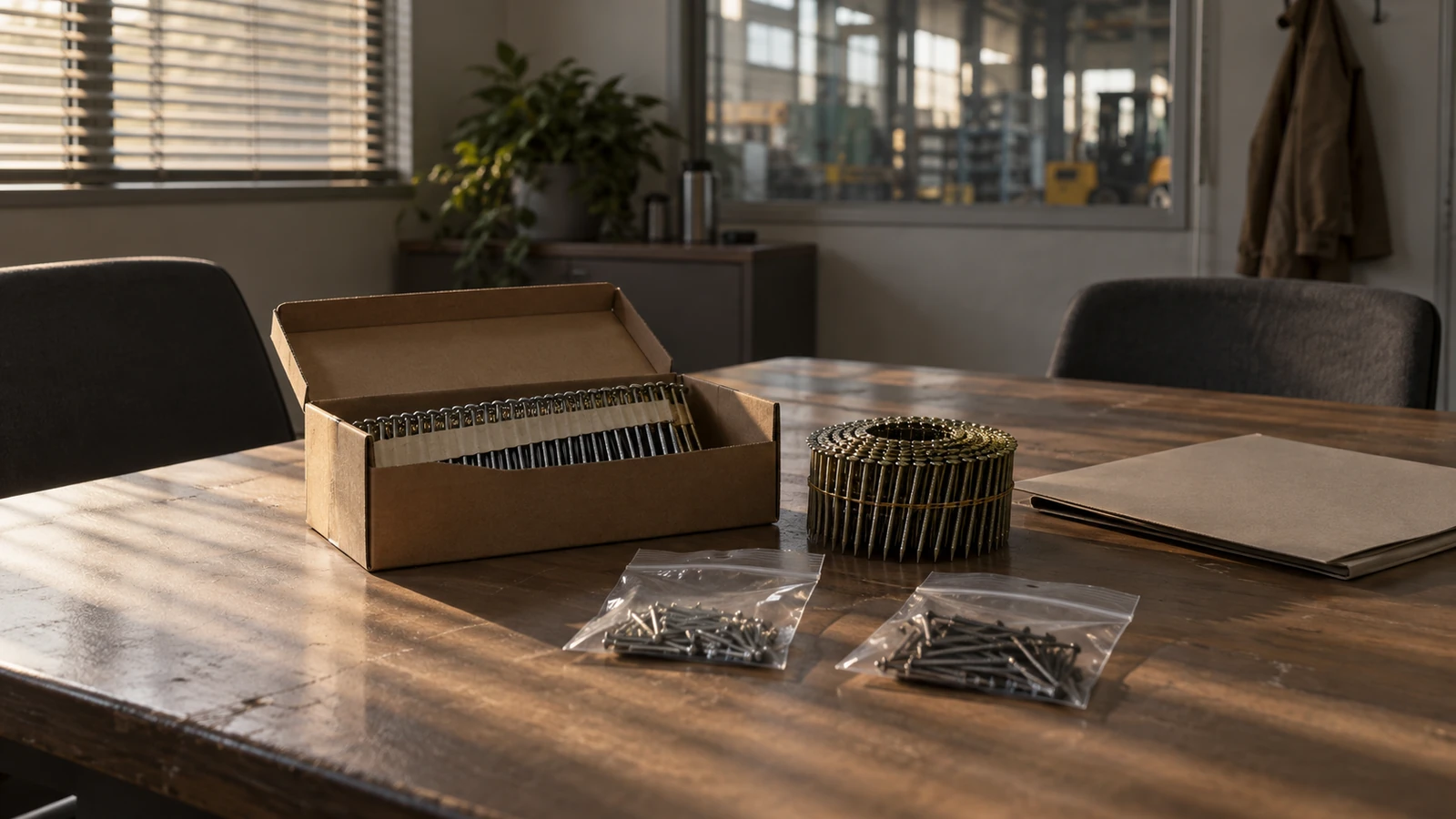
Start with the basics: coil nails, strip nails, or staples, depending on the tool and job. A coil nails manufacturer is often a fit for high-volume feeding where the coil format reduces reload frequency. A framing nails supplier may be better aligned with structural wood assembly where tool compatibility and nail geometry drive performance.
Do not assume interchangeability. Pneumatic tools can be picky, and a fastener that looks close on paper may behave differently in the magazine or in dense timber. Ask for application guidance, not just a product sheet.
Packaging and handling
Fasteners that arrive damaged, oily in the wrong way, or poorly collated can create avoidable headaches. In a busy shop, operators do not want to sort through mixed strips or broken coils. Good packaging is a quiet sign that the factory understands production use, not only shipping.
Consistency over heroic claims
Buyers sometimes get distracted by large performance promises. Better to focus on the ordinary things that keep production stable: uniform collation, clean forming, and reliable feed behavior. Those are not glamorous selling points, but they are what crews remember after the first week.
Common mistakes in sourcing pneumatic fasteners
The most common mistake is buying on price alone and discovering later that the fasteners do not run cleanly in the actual tool. Another is over-specifying when the work does not require it. Not every wood assembly needs the same fastening profile, and overbuying the wrong format can lock up inventory.
There is also a tendency to ignore the shop setup. A portable compressor and coiled hose make a flexible work station, but they also suggest a practical buying requirement: the fasteners need to perform in a real, sometimes less-than-perfect production environment. That is different from a controlled demo table.
Practical advice for engineering and procurement teams
Before placing volume orders, ask for sample packs and run them in the actual pneumatic tools used on the floor. Test them on the same timber or structural wood members your team handles every day. Watch for feeding issues, visual damage, and whether operators need to adjust their habits just to make the fastener work.
It also helps to compare suppliers on responsiveness. A factory that answers technical questions clearly is usually easier to work with when packaging, labeling, or application details need to be adjusted. That can save more time than a modest unit-price difference ever would.
What this means for workshop-based wood assembly
The industrial shop scene behind this topic is straightforward: large beams on stands, air-powered fastening equipment, and enough floor space to handle long workpieces. That is the environment where product consistency earns its keep. In timber framing, crate making, or fabrication work, the fastening system needs to support flow, not interrupt it.
For buyers, the real decision is whether a supplier can keep that flow intact. A pneumatic fasteners factory worth dealing with should understand the operational demands behind the order, not just the nominal dimensions on the packing list.
FAQ
Is a coil format always better for production?
Not always. It depends on the tool, the fastening pattern, and how frequently the operator needs to reload.
What should I ask a framing nails supplier first?
Ask about tool compatibility, feed reliability, packaging, and whether the product is suited to your wood assembly process.
How can I reduce sourcing risk?
Run samples in real production conditions before committing to larger quantities. That simple step prevents a surprising amount of trouble.
Next step
If you are evaluating suppliers, build your shortlist around actual shop use, not brochure language. Start with sample testing, ask direct questions about format and feed behavior, and compare how each factory supports your application. The right partner should make pneumatic fastening feel uneventful, which in manufacturing is usually the best sign of all.