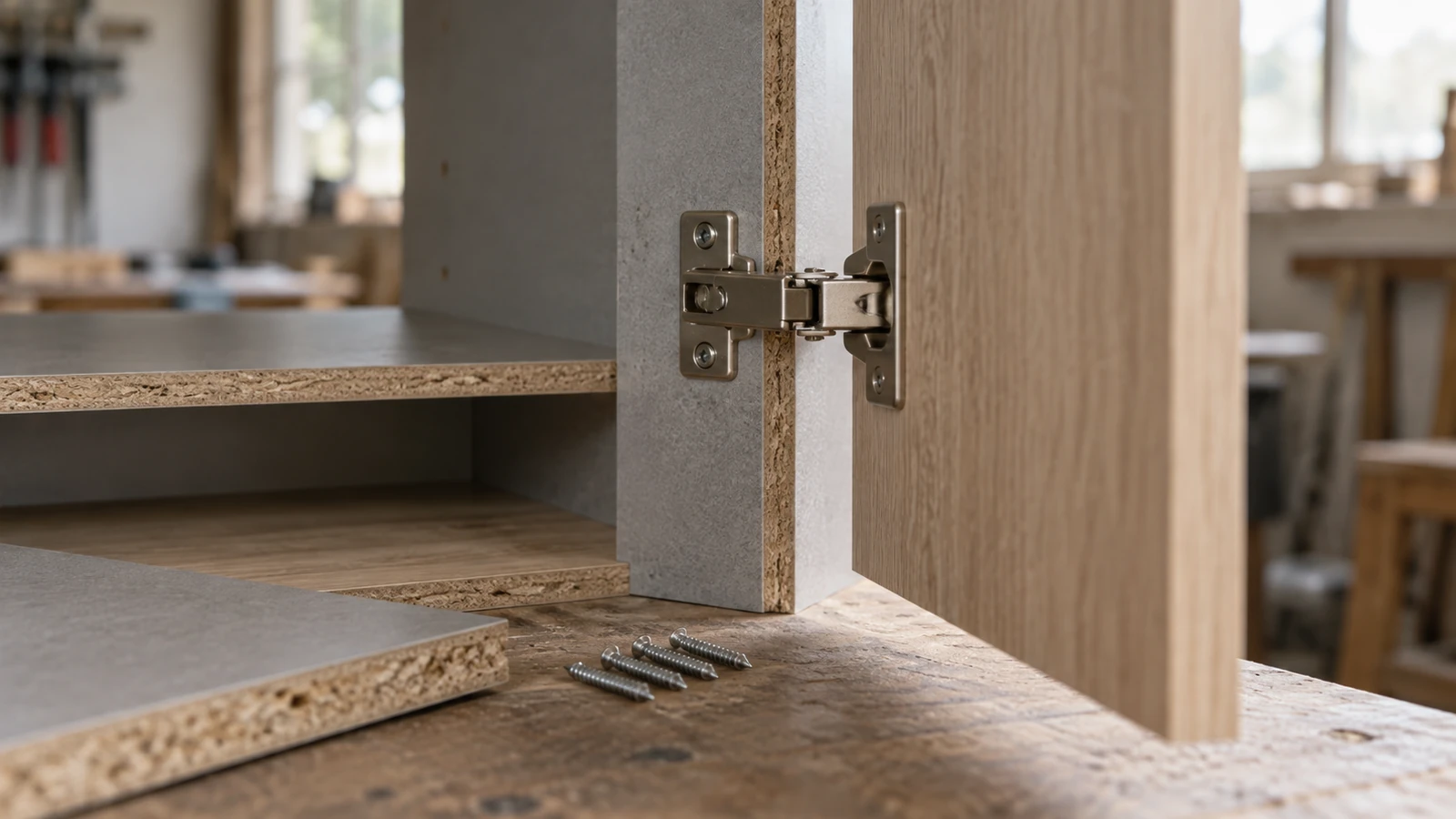

What buyers usually mean when they search for a pneumatic finish nails manufacturer
When sourcing teams look for a pneumatic finish nails manufacturer, they are usually not just buying a box of fasteners. They are trying to lock down tool compatibility, feeding reliability, finish quality, and supply consistency. That matters because a nail that looks standard on paper can still jam a magazine, leave poor trim results, or create unnecessary rework on the line.
There is also a naming problem in this category. In some factories and distributor catalogs, people use related terms loosely, including compressed air nails manufacturer and pneumatic framing nails manufacturer, even though the fastening profile, strip format, and end use may differ. A buyer should treat those phrases as starting points for a technical check, not as proof of interchangeability.
Why the strip format matters more than the label
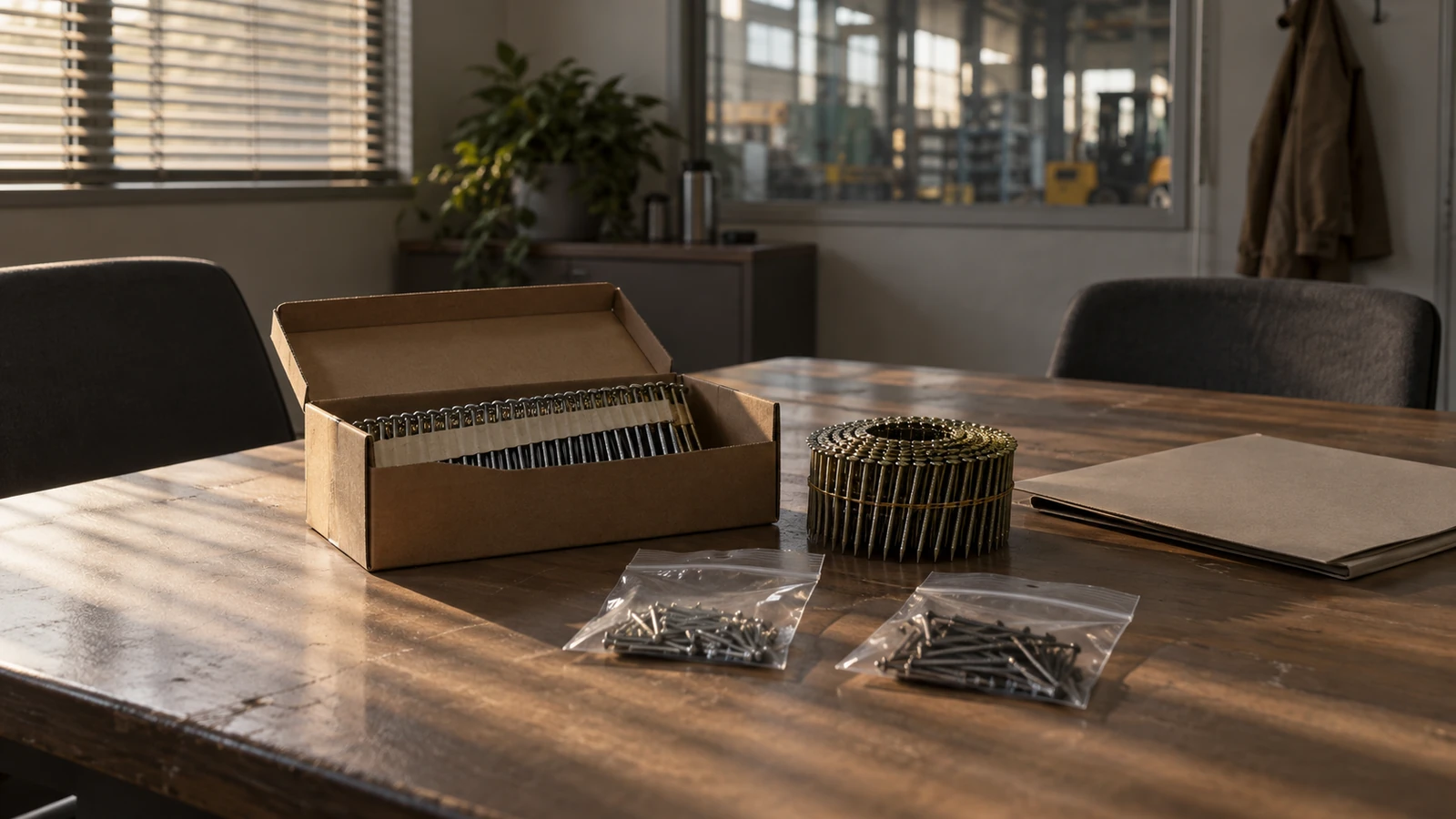
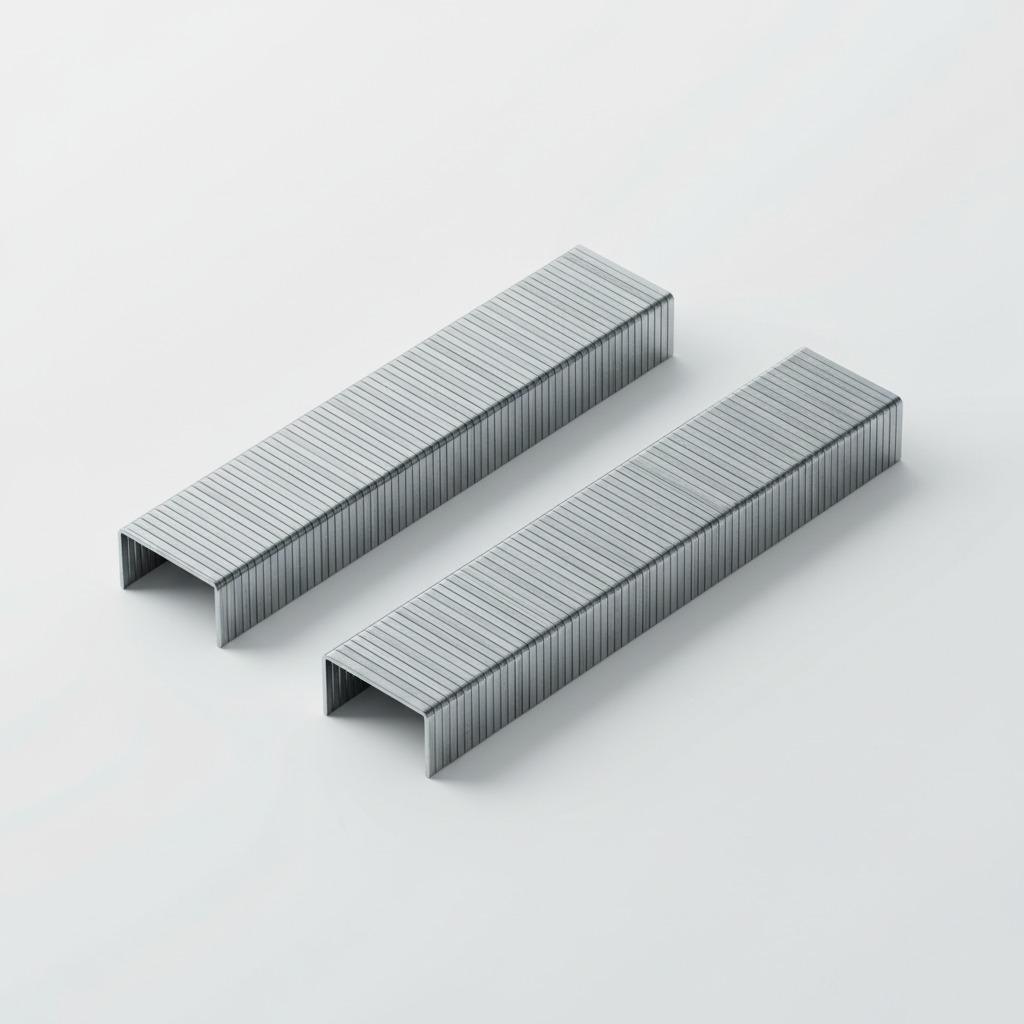
The visible product data here points to strip-style fastening consumables made from metal wire, likely steel with a bright plated or galvanized-looking finish. The strips are long, straight, and closely spaced, which suggests machine-fed loading and a focus on uniformity. For buyers, that uniformity is not a cosmetic detail. It affects whether the nails feed cleanly, whether the tool cycles without interruption, and whether the fastener seats consistently in the workpiece.
In practical terms, a strip-fed nail or staple product must match the magazine geometry of the tool. If the strip spacing is off, even slightly, operators may see misfeeds or crooked driving. That is why engineers and procurement teams should ask for drawings, sample strips, and tool compatibility confirmation before moving to volume orders.
How this category is made, at a high level
Based on the product form, the process likely includes wire forming, cutting, collating, and then plating or coating. That is common across many industrial fastening consumables. The bright, uniform surface finish suggests a corrosion-resistant treatment may be present, but the exact coating performance cannot be assumed from appearance alone.
One practical caution: a shiny finish is not the same thing as proven corrosion resistance. If the nails will be stored in humid warehouses, shipped through coastal routes, or used in packaging environments with wide temperature swings, buyers should ask for coating details and packaging protection information. Otherwise, the product may look fine on arrival and still create storage issues later.
Selection criteria that actually affect production
Tool compatibility
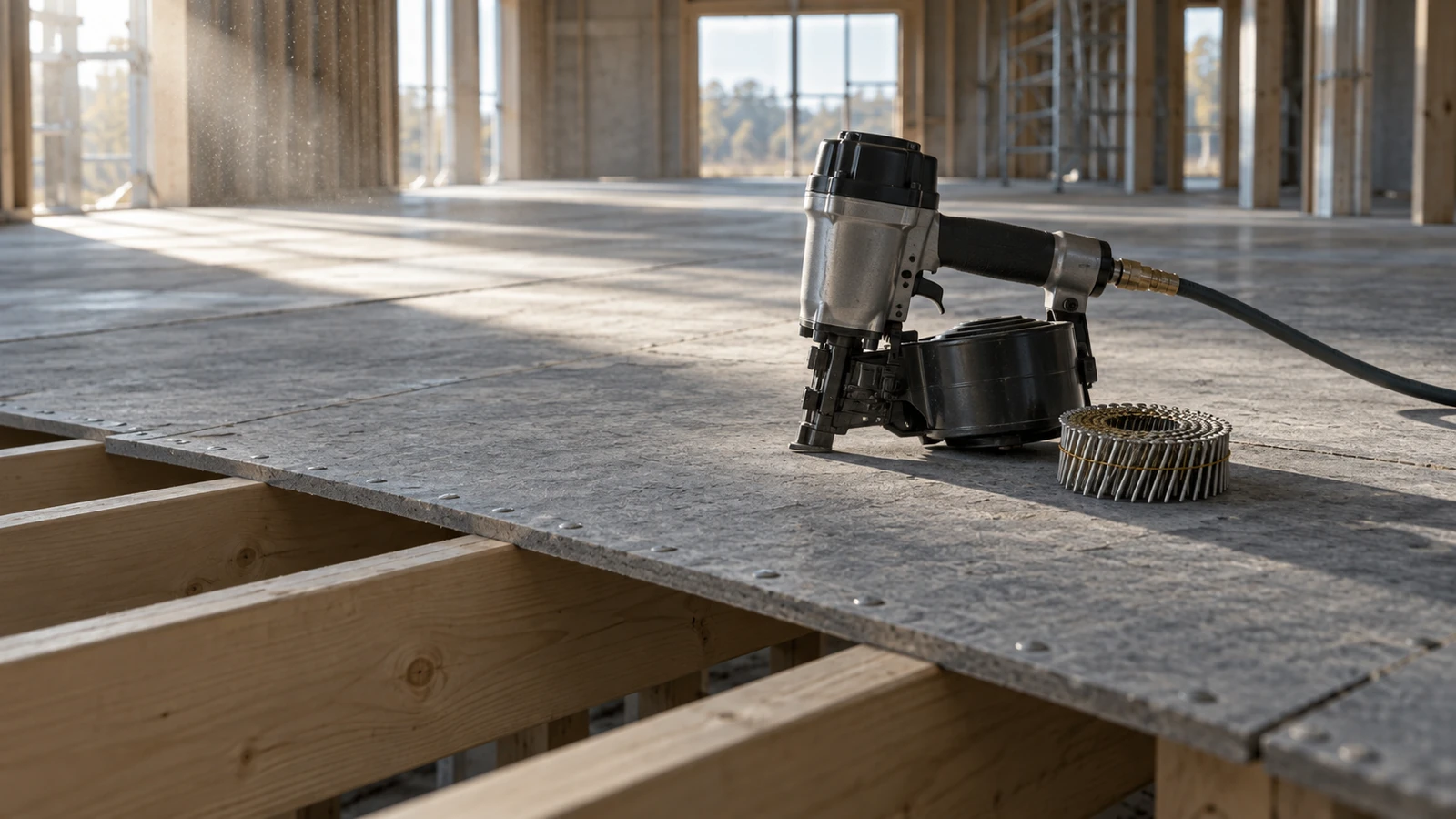
This is the first filter. Match the strip style, feed angle, and nail geometry to the intended pneumatic tool. A product can be well made and still be unusable in the wrong magazine.
Application fit
The product category shown here is generally associated with fastening paper, cardboard, packaging, light wood, fabric, upholstery, furniture assembly, and other thin materials, depending on the exact staple or nail type. That range sounds broad because it is broad, but only within the limits of the tool and the fastener specification.
Consistency from strip to strip
Uniform spacing and alignment are not minor details. They reduce feeding variation and make line performance more predictable. For buyers, that means fewer interruptions and less operator adjustment during a shift.
Common buying mistakes in this market
The most common mistake is treating all pneumatic fasteners as interchangeable because the supplier uses a familiar name. Another is assuming that a silver finish guarantees corrosion protection suitable for every storage and use condition. A third is skipping sample testing and relying on catalog descriptions alone.
It also helps to resist the urge to over-specify on the wrong dimension. Exact staple size, leg length, crown width, and wire diameter matter, but only when they are tied to the tool and the substrate. Without that context, the buying decision can drift toward paperwork instead of production reality.
What to ask a supplier before you place an order
Ask for the fastener drawing, the strip layout, and the finish description. Request confirmation of the intended tool family and the material types the fastener is meant to handle. If your line uses multiple tools or multiple operators, ask whether the product is intended for broad compatibility or only for one specific magazine design.
For sourcing managers, a useful checkpoint is packaging. Well-collated strips reduce handling damage and help preserve feed quality. If the supplier can describe how the strips are packed, stored, and shipped, that usually tells you more about their manufacturing discipline than a sales sheet does.
Quick buyer takeaway
If you are comparing a pneumatic finish nails manufacturer with other suppliers in this segment, focus on strip uniformity, feed compatibility, coating clarity, and application fit. The right product is the one that runs cleanly in your tool and survives your handling conditions, not simply the one with the most polished description.
Next step for engineering and procurement teams
Shortlist suppliers that can provide samples, basic dimensional documentation, and a clear explanation of their collating and coating process. Then test in the actual pneumatic tool and substrate you plan to use. That one practical check will eliminate more sourcing risk than a long email chain ever will.