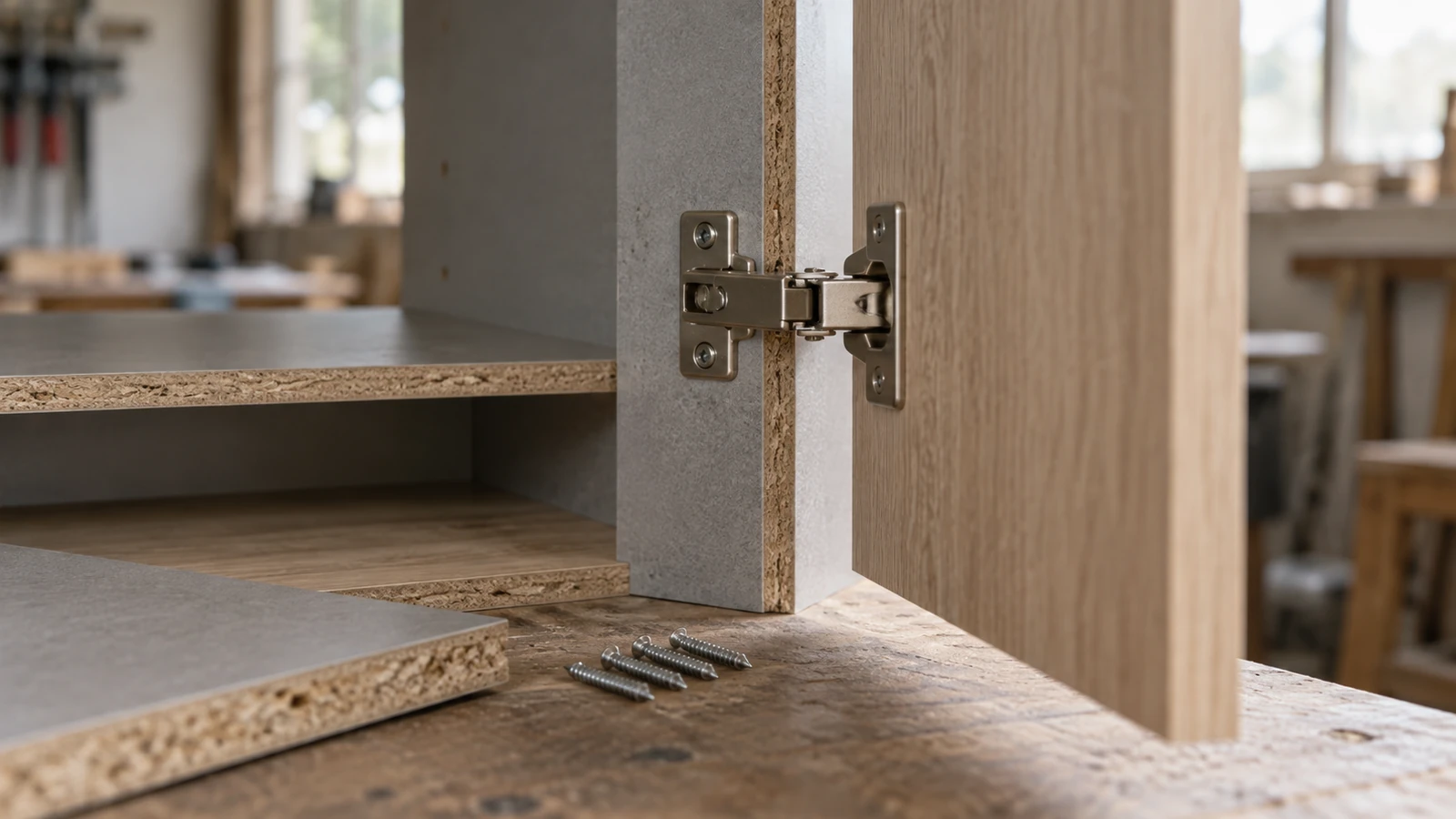

Why buyers keep comparing staple-strip fasteners across tool categories
Anyone searching for a pneumatic finish nails manufacturer is usually trying to solve a broader fastening problem: how to keep production moving without jamming tools, wasting fasteners, or choosing the wrong strip geometry for the application. In practice, buyers often end up comparing staple strips, finish nails, and framing fasteners side by side, because the real question is not just what the tool is called. It is what the line needs to feed reliably.
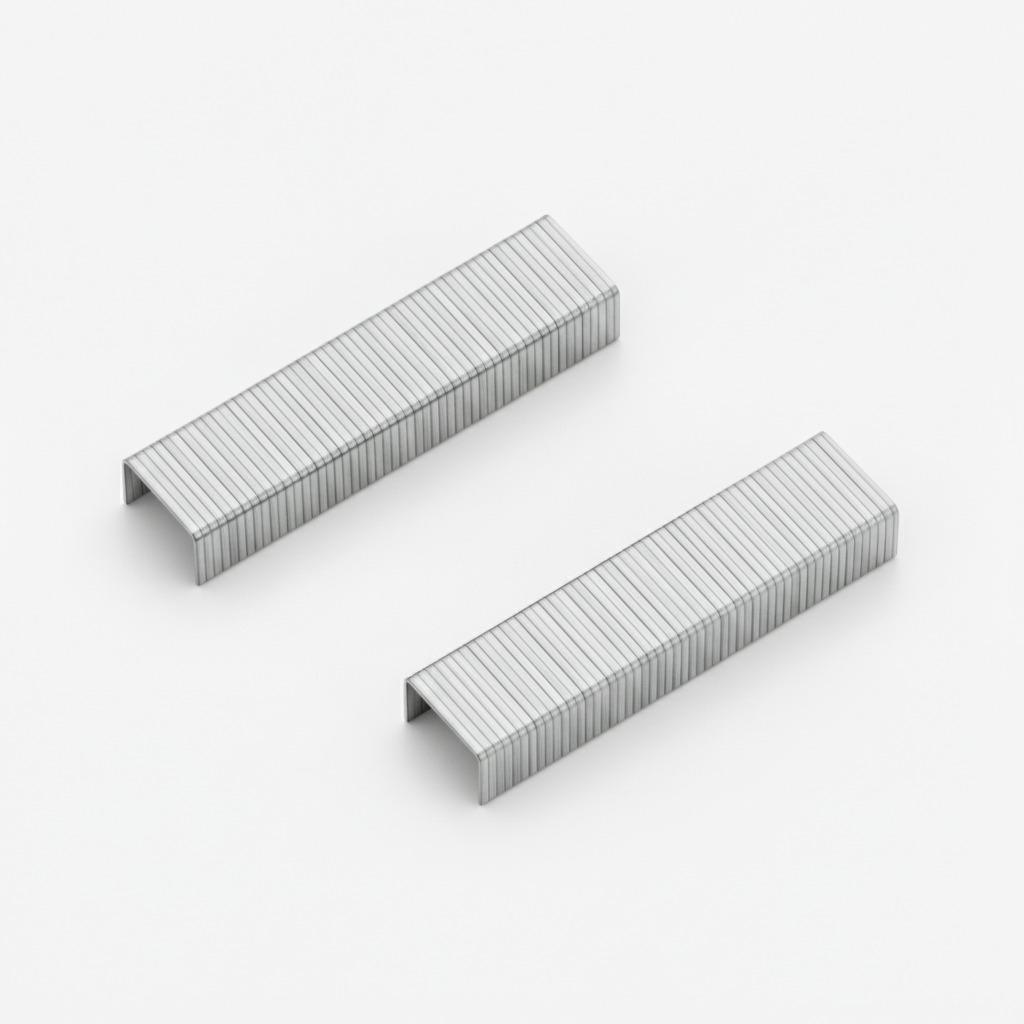
The product data here points to a metal staple strip format: thin wire staples arranged in long, uniform rows for magazine feeding. That matters because feed consistency is often the first thing procurement teams notice and the last thing they want to troubleshoot on the shop floor. Straight alignment, even spacing, and a repeatable strip format are not glamorous features, but they are the features that keep a stapling operation from turning into a maintenance problem.
What this product is, and where it fits
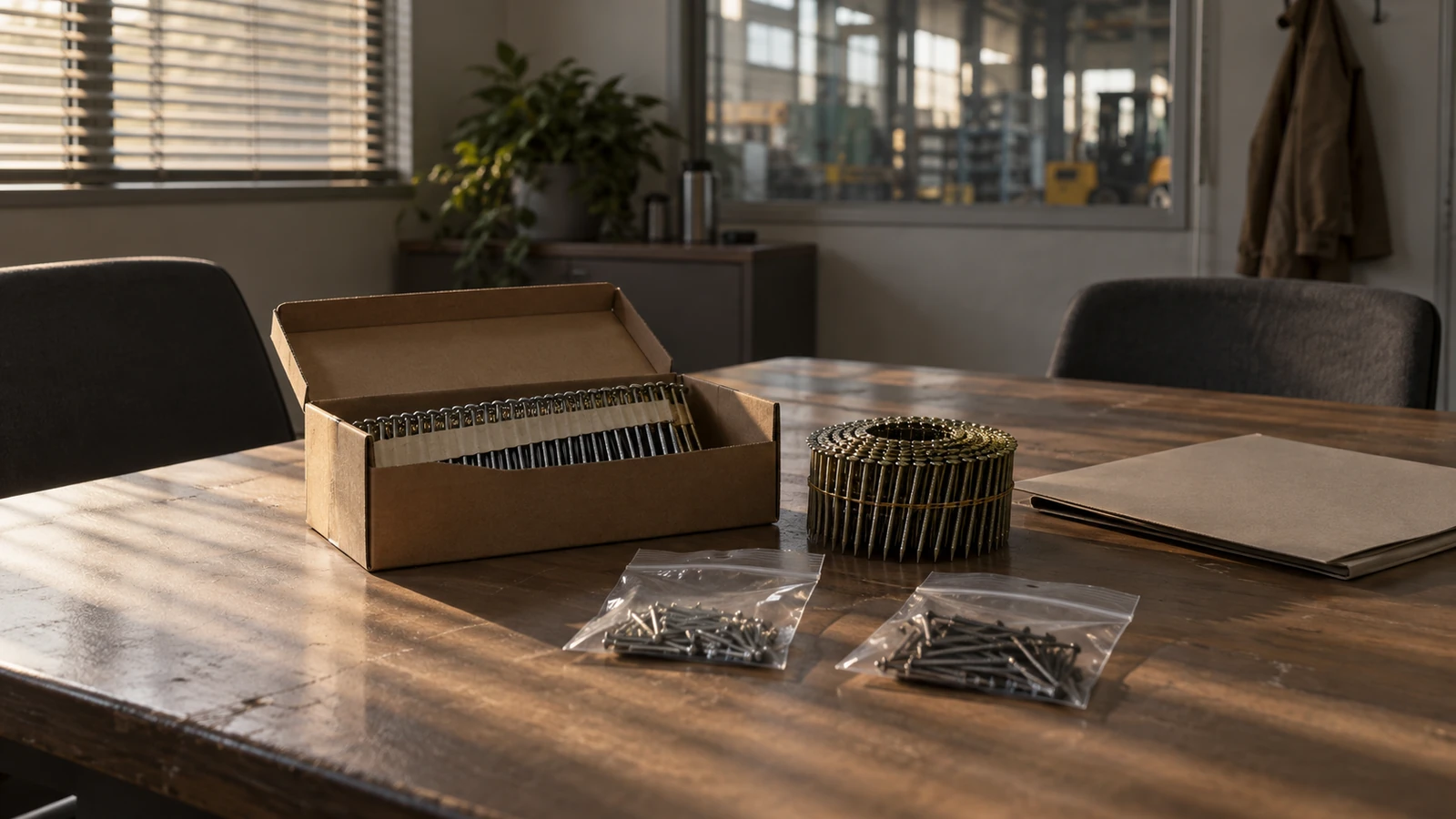
The visible product category is staple strips for stapling tools or staplers, likely used for paper fastening, carton closing, light packaging, and similar tasks. The strips appear to be made from thin metallic wire formed into closely spaced U-shaped staples. The finish is silver-gray, which suggests steel and may indicate a galvanized or zinc-plated surface, although that is not confirmed from the supplied data.
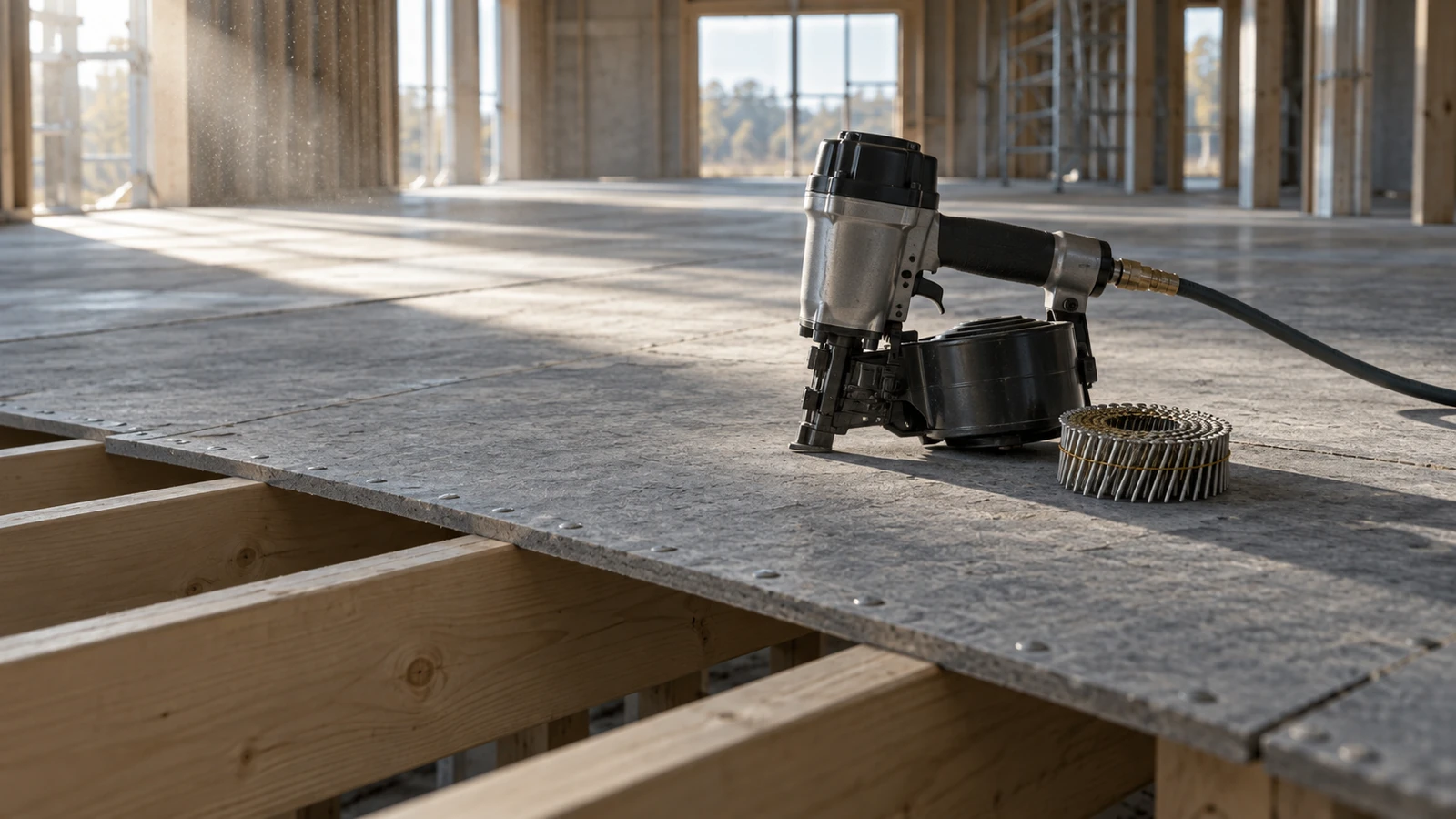
For buyers, this distinction is useful. A product marketed as a compressed air nails manufacturer or pneumatic framing nails manufacturer may not be speaking to the same fastener geometry at all. Finish nails and framing nails are typically chosen for wood construction, trim work, or structural fastening. Staple strips, by contrast, are about repeated feed, quick cycling, and lighter-duty retention. Mixing those categories leads to mismatched tooling and avoidable downtime.
Key features that matter on the production floor
From a manufacturing point of view, the important visible traits are uniformity and strip integrity. Each strip contains many identical staples connected in a line, which is what makes magazine feeding possible. The profile is narrow and rectangular, with evenly spaced legs along the sides. That uniformity is not just visual. It is what helps a stapling tool advance fasteners consistently from one cycle to the next.
Exact staple size, crown width, leg length, wire diameter, coating, and compatible tool models are not supplied here, so those should be verified before purchase. That is a small but important caution. In fastening consumables, the wrong dimension can be enough to cause poor clinching, distorted bends, or tool jamming. Buyers should not assume that a silver metallic finish means any particular corrosion resistance or load performance.
Selection criteria buyers should use
1. Match the fastener to the tool, not the other way around
Staple strips and pneumatic nails are often discussed in the same sourcing meetings, but the tool interface is what decides compatibility. Confirm magazine format, feed direction, strip length, and the required staple family before ordering in volume.
2. Ask for the geometry that actually drives performance
For fastening consumables, the critical dimensions are often the ones buyers forget to ask for until the first trial run: leg length, crown width, and wire gauge. If those are not specified, request a drawing or sample pack. A strip that looks standard on paper may still behave differently in production.
3. Treat surface finish as a functional question
Steel staples with a plated finish may offer improved appearance and some resistance to surface oxidation, but unless the supplier states the coating and test basis, do not build a corrosion claim into your purchasing spec.
Common sourcing mistakes
The most common mistake is buying by name instead of by geometry. Another is assuming all staple strips feed the same way because they look similar in a catalog image. They do not. Slight differences in row straightness, bond strength between staples, or strip rigidity can affect feeding, especially in high-speed or repeated-use environments.
A second mistake is over-specifying the application without verifying the product. The supplied information supports general fastening, office stapling, carton closing, and light packaging. It does not support claims about heavy structural use or corrosion-critical outdoor service. Buyers who need those conditions should ask for the exact material grade and finish data, then test samples in the actual tool and substrate.
Practical buyer advice for engineering and procurement teams
If you are sourcing staple strips for a production or packaging line, start with three questions: Will the tool feed this strip reliably, will the fastener hold the target material, and can the supplier keep the strips uniform from lot to lot? Those are the questions that matter more than marketing language.
For teams comparing fastening families, it helps to keep the categories separate. A pneumatic finish nails manufacturer or a pneumatic framing nails manufacturer is typically relevant when wood fastening and driving depth matter. A staple-strip supplier is the right conversation when feed consistency, repeated cycling, and lightweight joining are the priority. A compressed air nails manufacturer may be part of the same broader sourcing search, but the specific fastener format still needs to match the job.
What to request before you place an order
Ask for dimensional drawings, wire material details, surface treatment information, and sample strips. If the application is packaging or repeated office-style fastening, test how the strips perform in your actual stapling equipment. If the application is more demanding, make the supplier confirm the limits rather than guessing at them. That small step often saves a lot of rework later.
Next step
When you compare staple strips against pneumatic nails or framing fasteners, focus on feed format, geometry, and application fit first. If you are preparing an RFQ, define the dimensions you need, request samples, and verify compatibility on your own tooling before scaling up. In fastening supply, the cheapest mistake is the one caught before the first production run.