
What buyers really want from a pneumatic nails manufacturer
When engineers, sourcing managers, and jobsite buyers talk about a pneumatic nails manufacturer, they are usually not shopping for a fastener in the abstract. They are trying to solve a fastening problem that sits inside a bigger one: speed on the roof, consistency in the frame line, and fewer failures when weather or labor conditions are not ideal. In roofing work especially, the wrong fastener can slow crews down or create rework that costs far more than the nails themselves.
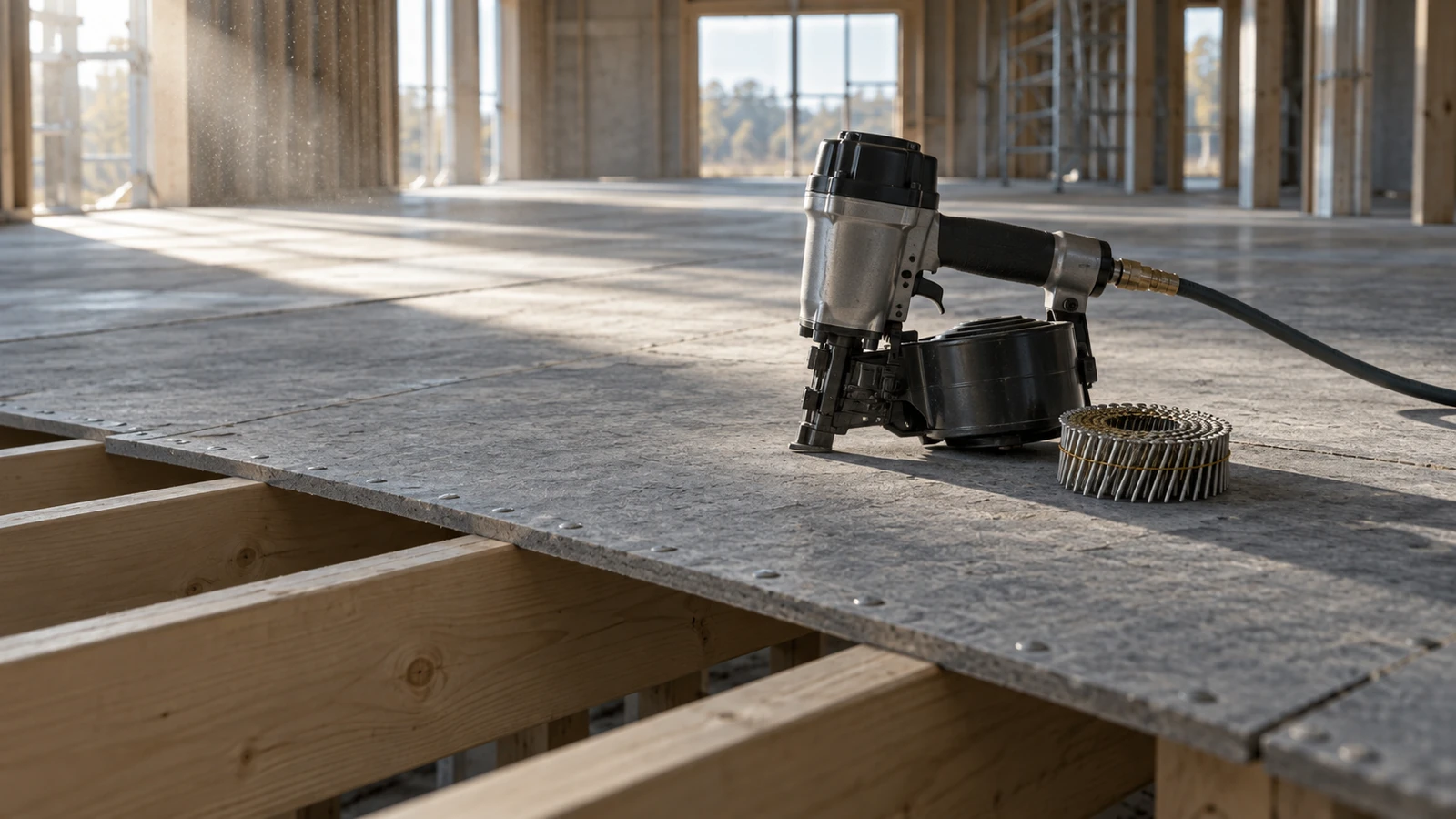
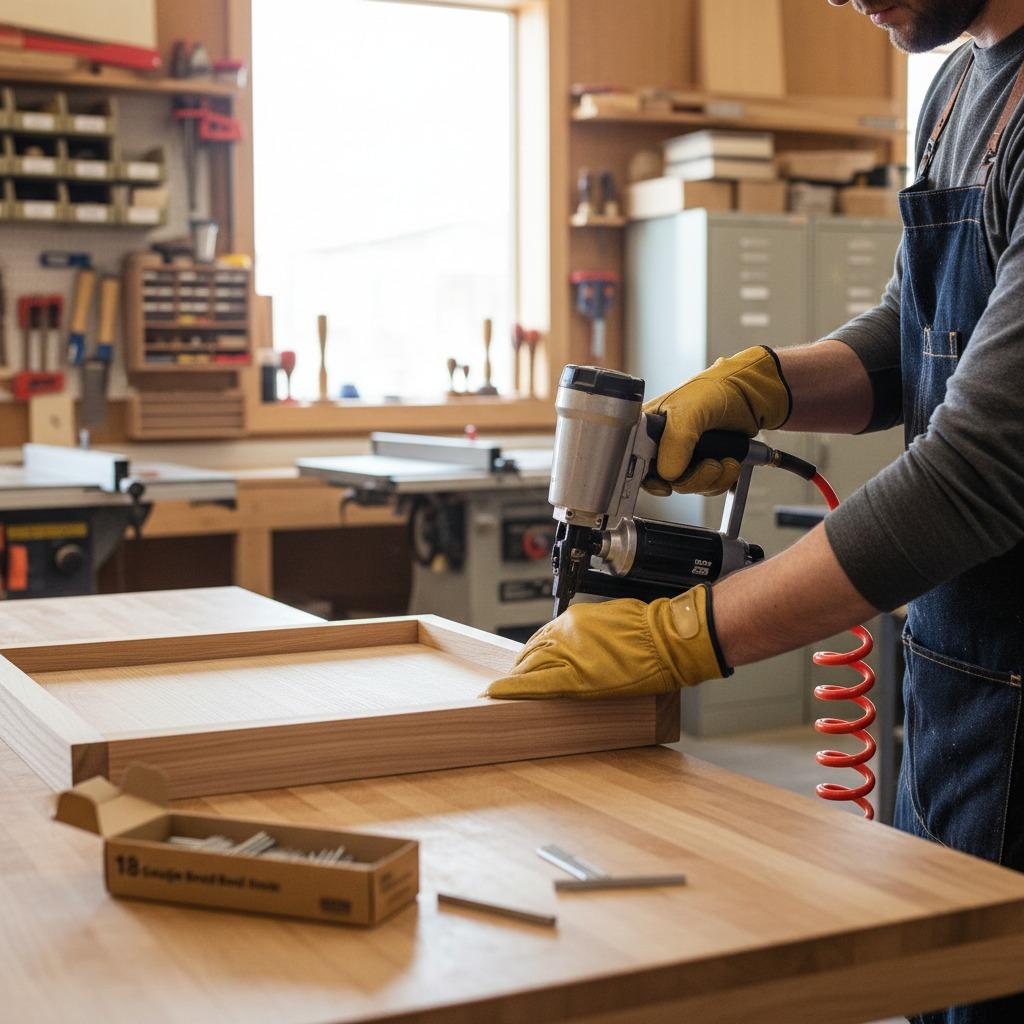
The image behind this topic points to a common field setup: an air-powered roofing nailer connected to a hose, with collated fasteners loaded into a magazine. That combination tells you a lot about the use case. These are not decorative components. They are production items meant to move quickly through shingles, underlayment, felt, and other sheet materials without turning the fastening step into a bottleneck.
Interview view: what the fastening system needs to do
A good pneumatic nails manufacturer is usually judged on three things before any brochure language matters: compatibility, consistency, and packaging.
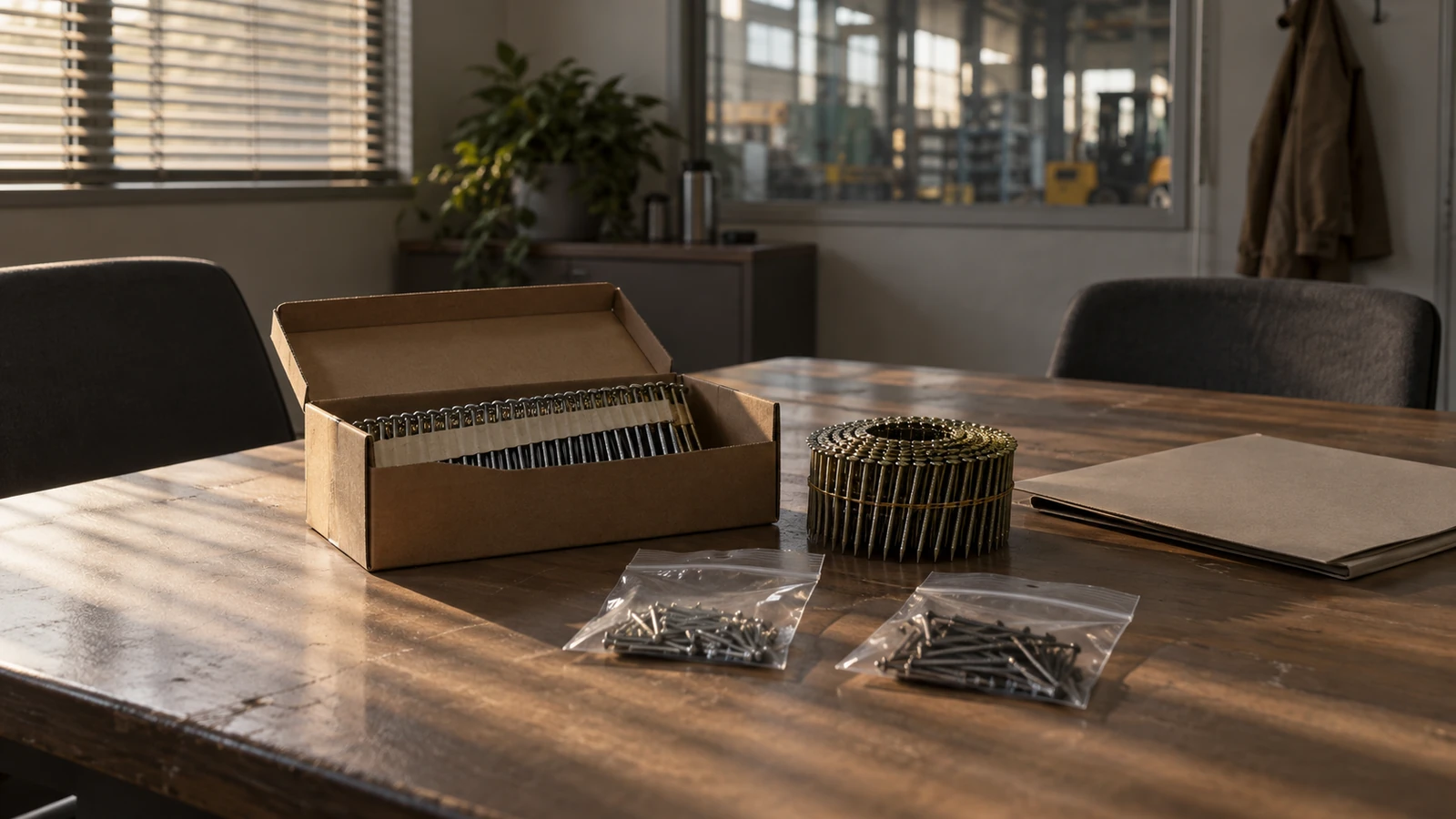
Compatibility means the fastener has to work with the nailer system used on site. Roofing crews and framing crews do not want to discover too late that the collation angle, strip format, or head style does not feed properly. Consistency matters because the tool is only as reliable as the strip behind it. If the fasteners vary too much in strip quality or finish, crews see jams, misfires, and interrupted workflow. Packaging matters more than some buyers expect. Construction sites are not gentle environments, so the fastener strips need to survive transport, handling, and partial exposure without becoming a tangled mess.
For buyers comparing construction pneumatic nails, the first question is usually not price. It is whether the fastener line will run cleanly in the equipment already on the truck.
Roofing work puts different pressure on the fastener
Roofing pneumatic nails have a narrower job than many general-purpose fasteners. They need to hold roofing shingles, underlayment, or similar layers securely, but they also need to avoid creating avoidable damage to the material. That is a practical balancing act. Drive too hard and the material can be compromised. Drive too lightly and the assembly may not hold as intended.
This is why roofing crews often care about feed reliability as much as holding power. In field terms, a nail that loads cleanly and fires consistently is worth more than a spec sheet that looks good on paper but causes stoppages every few minutes. The same logic applies to a framing nails supplier, though the application differs: framing tends to push more on structural assembly and cycle speed, while roofing puts more emphasis on surface behavior and repetitive placement.
Quick reference: what to compare first
If you are screening suppliers, start with the basics:
- Collation format and tool compatibility
- Intended application: roofing, framing, or mixed construction use
- Strip quality and feed behavior
- Protection against handling damage in shipment
- Documentation that clearly identifies the fastener type
That last point sounds obvious, but it is where many purchases get messy. Descriptions that are too generic make downstream sorting difficult for warehouse teams and field supervisors.
What an interview with a manufacturer should cover
If you are talking directly with a pneumatic nails manufacturer, ask questions that reveal process discipline, not just sales confidence. How are strips loaded and protected for transit? What fastener families are produced for roofing versus framing? How does the company describe feed compatibility for different nailers? If the answer is vague, that is usually the answer.
A useful supplier conversation also needs to surface any limits. Some manufacturers are strong on one product family and only broad on the rest. That is not a problem if the buyer knows it early. It becomes a problem when a procurement team assumes all pneumatic fasteners are interchangeable. They are not.
Common buyer mistakes
The most common mistake is treating all construction pneumatic nails as interchangeable commodities. They are not. Another mistake is buying on appearance alone, especially when the nails are shown beside a roofing nailer and look straightforward. In practice, the strip format, nail geometry, and how well the collated package survives the supply chain can affect jobsite performance as much as the base material does.
A second mistake is overlooking how crews actually use the product. If the team is running high volume on roofing sheets all day, even small feeding issues become expensive. If the company is sourcing for a framing crew, the tolerance for interruption is just as low, but the performance priorities shift.
Practical buyer advice
The safest way to evaluate a supplier is to ask for clear product identification, a straightforward explanation of intended use, and sample packaging details before you commit volume. If you are sourcing for multiple crews, separate roofing and framing requirements instead of lumping them into one line item. That reduces confusion in purchasing and at the tool belt.
For distributors and contractors, the real value of a framing nails supplier or roofing fastener source is not just supply continuity. It is the ability to keep crews moving without forcing them to improvise on site. That is where a reliable pneumatic nails manufacturer earns its place.
FAQ
Are roofing pneumatic nails the same as framing nails?
No. They serve different jobsite demands and may differ in form, collation, and intended use.
Why does the magazine format matter?
Because the nailer has to feed the fasteners cleanly. Poor strip quality can interrupt work and create jams.
What should I ask before sourcing from a new supplier?
Ask about tool compatibility, packaging protection, application category, and how the product is identified for warehouse and field use.
Next step
If you are comparing suppliers, build your shortlist around application fit first and commercial terms second. That approach is slower for a day, but it usually saves time on the roof, on the frame line, and in the returns log later.