
What buyers really mean when they look for a pneumatic staple pins manufacturer
If you are sourcing from a pneumatic staple pins manufacturer, you are usually not just buying small metal fasteners. You are buying speed at the line, repeatability in assembly, and fewer stoppages in a workshop that cannot afford to wait. In cabinet shops, furniture lines, trim crews, and joinery operations, air driven staple pins support the kind of work where a frame has to stay square, the surface has to stay clean, and the fastening step has to disappear into the process.
That matters because the wrong staple specification can cause more trouble than it saves. Too short and the joint does not hold. Too long and you risk telegraphing through the surface, splitting softer stock, or complicating finishing. For buyers, the decision is rarely about staples alone; it is about matching staple size, crown style, leg length, wire gauge, and coating to the tool and the woodwork.
Why pneumatic fastening stays central in woodworking shops
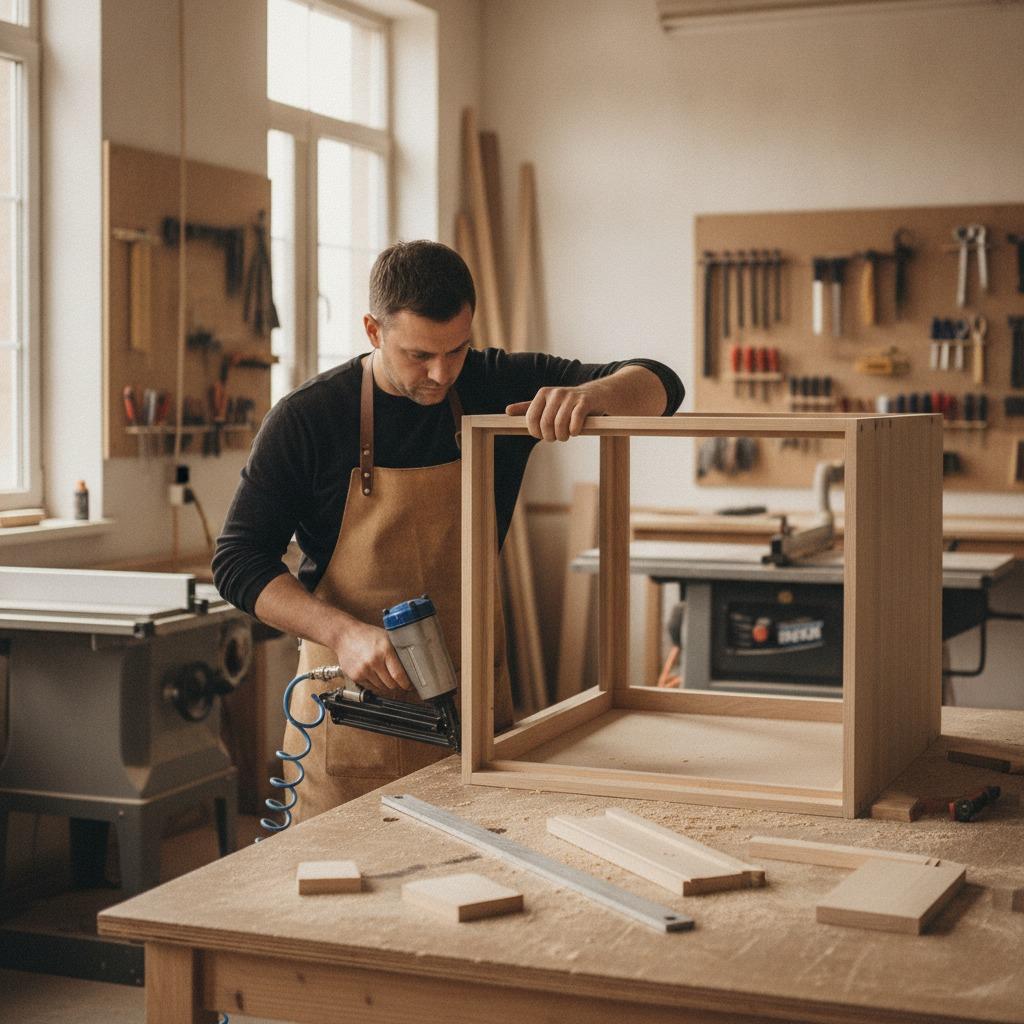
The image behind this topic is familiar: a carpenter working on a rectangular wood frame, likely in a cabinet, furniture, or trim assembly setting, using a pneumatic stapler or nailer. That is the practical reality for many shops. Pneumatic fastening keeps production moving when a panel, frame, or molding needs to be secured quickly and cleanly.
Compared with hand driving, air-powered fastening helps maintain pace and consistency. It also reduces the variability that comes from fatigue. For a team assembling cabinets, wardrobes, display cases, or interior frames, those small gains compound quickly across a shift.
Quick buyer takeaways before you compare suppliers
Before shortlisting an air staple pins manufacturer, it helps to define the use case first.
Are the staples going into light trim, furniture backing, cabinet carcasses, or heavier joinery? Is the finish visible, or will the fastener be hidden? Are you optimizing for holding power, appearance, or cycle speed? A good supplier conversation starts there, not with a generic catalog page.
Also check compatibility with the tool in the shop. Staple dimensions that seem close on paper can behave differently in the real world if the crown width or wire type does not match the stapler. That is one of those mundane details that causes the most grief.
Common staple types and where they tend to fit
Fine work and finish carpentry
For trim installation or lighter woodworking tasks, buyers often want a fastener that minimizes surface damage and leaves a neat entry point. In that setting, smaller-format air driven staple pins are often preferred because they are easier to conceal and less likely to disturb the surface.
Cabinet and furniture assembly
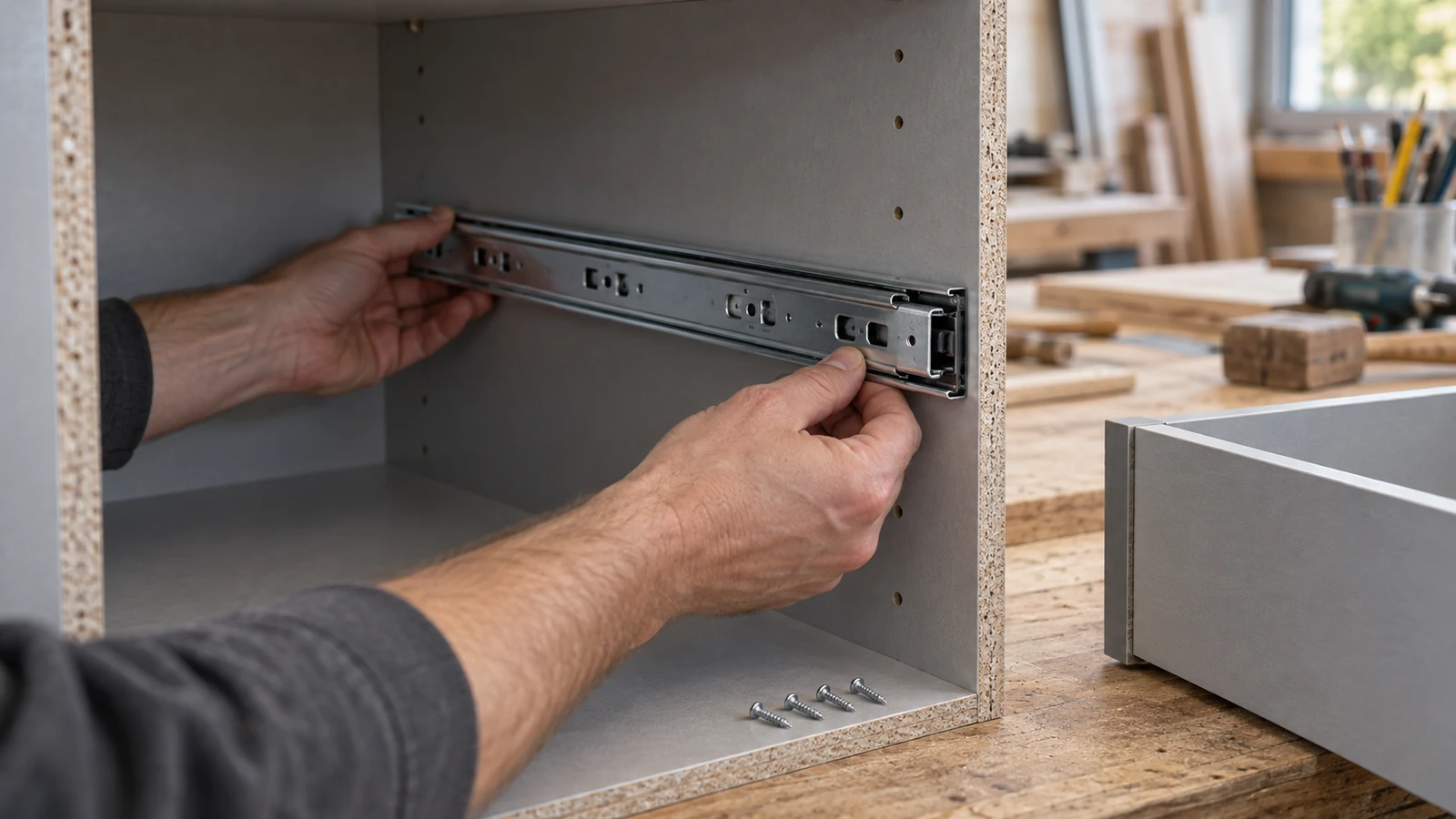
For cabinet carcasses, backs, partitions, and frames, the fastening needs are more structural. The staple must hold while glue sets, or help secure parts during assembly without forcing the material out of alignment. In these applications, consistency matters as much as raw holding strength.
Shop production versus site work
Workshop use is typically more controlled than site work. That lets buyers standardize staple sizes around a few repeat applications. Site work, by contrast, often demands a little more flexibility because material conditions are less predictable. A supplier who understands both environments can be easier to work with, even if the product itself is straightforward.
What to ask a pneumatic staple pins manufacturer
Buyers should ask about staple dimensions, strip format, wire material, and surface finish. If staples are intended for interior woodworking, ask how the fastener behaves in dry hardwood, softwood, or engineered wood substrates. Not every staple is equally forgiving across all three. That is especially relevant in cabinetmaking, where material mix can change from one order to the next.
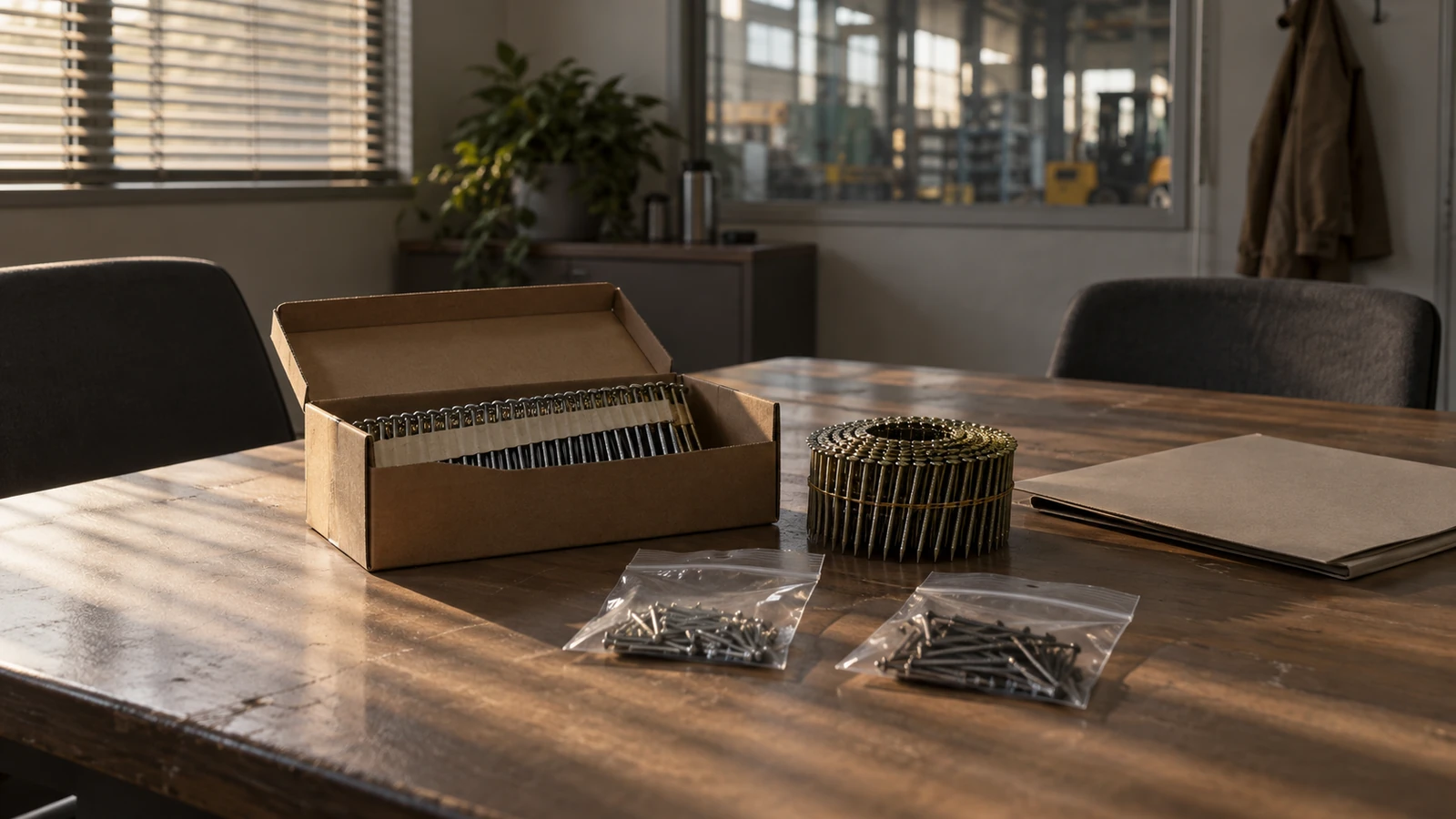
It is also worth asking how the supplier packs the product for handling and line use. A clean strip that feeds reliably is not a minor convenience; it keeps the operator focused on the frame, not on clearing jams.
Practical cautions buyers sometimes overlook
One common mistake is buying to a nominal size without confirming tool compatibility. Another is assuming one staple can do every job in the shop. That sounds efficient, but it often leads to compromises in holding power or finish quality. In woodworking, those compromises show up later, when a joint loosens or a surface needs rework.
Surface condition matters too. The supplied product image shows smooth, machined wood members being brought together in a rectangular frame. In that kind of work, a misfired staple or oversized fastener can be more than an annoyance; it can damage the visible face of a component that was otherwise ready for finishing.
FAQ
What is the main advantage of air driven staple pins in woodworking?
They help fasten parts quickly and consistently, which is useful in cabinetmaking, furniture assembly, and trim work where production speed and repeatability matter.
How do I choose between different staple sizes?
Start with the material thickness, the joint function, and the tool specification. Then choose a staple that provides enough holding power without damaging the workpiece or interfering with finishing.
Can one supplier cover multiple woodworking applications?
Often yes, but only if the supplier offers a range of staple dimensions and can match the fastener to the tool and substrate. A narrow catalog can be limiting in a mixed-production shop.
What should I verify before placing an order?
Confirm staple dimensions, packaging format, tool compatibility, and the intended wood application. If the product will be used in visible furniture or cabinet work, finishing impact should also be part of the discussion.
A practical next step for sourcing teams
If you are comparing a pneumatic staple pins manufacturer against other fastening suppliers, build the conversation around the actual woodworking task. Bring the tool model, staple dimensions you use today, and the kind of frame, cabinet, or trim assembly being produced. That is the fastest way to separate a supplier who simply lists fasteners from one who understands how a shop runs.