
Choosing a Sofa Staples Manufacturer for Upholstered Seating
When buyers search for a sofa staples manufacturer, they are usually not looking for one tiny fastener. They are trying to solve a broader production problem: how to secure upholstery cleanly, consistently, and at scale without slowing down the line or weakening the finished sofa. That matters whether you are building compact apartment sofas, reception seating, or a whole furniture catalog that has to look tidy in photos and hold up in daily use.
The stakes are higher than they first appear. In upholstered furniture, a staple is not just a consumable. It affects fabric tension, assembly speed, the appearance of corners and hems, and sometimes even the long-term integrity of the cover. A poor choice can show through the fabric, split a rail, jam a stapler, or create rework that eats into margin. For engineering teams and sourcing managers, the real decision is less about price per box and more about whether the fastening system supports stable production.
What buyers are really comparing
A sofa staples supplier may offer many products that look similar on a spec sheet. In practice, the differences usually show up on the line. Wire hardness, crown width, leg length, coating, and strip consistency all affect how the staple behaves in wood frame upholstery. If your production uses a visible wood base or side panel, as many compact sofas do, the fastening choices become even more noticeable because the finish details sit close to the viewer’s eye.
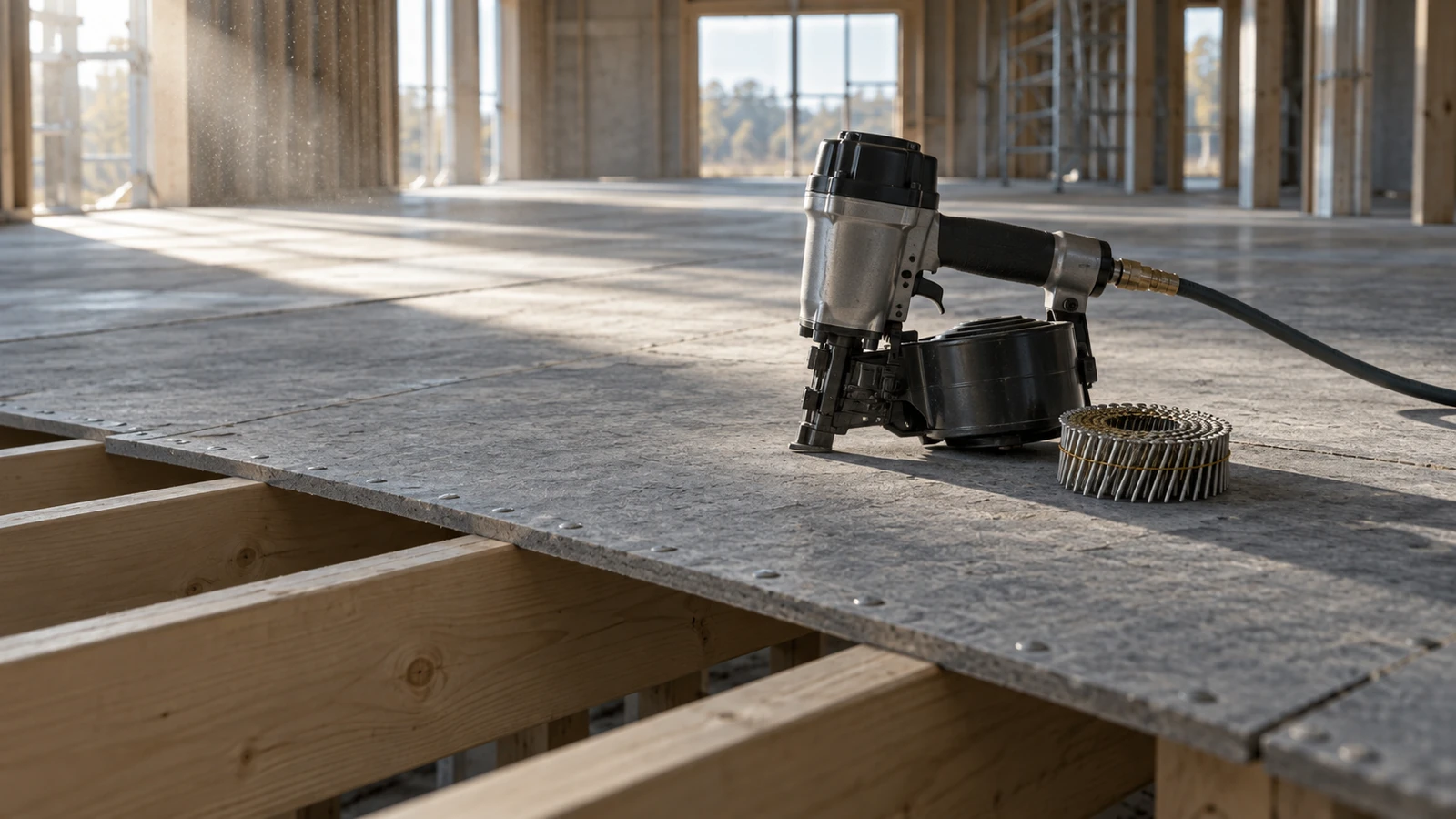
A sofa stapler manufacturer is part of the same conversation. Even a good staple can perform badly if the tool feed is inconsistent or if the stapler is not matched to the material stack. One buyer may focus on hardwood frame assembly, another on fabric-only panel attachment, and a third on decorative edges around exposed joinery. The right selection depends on where the staple is used, not just on the sofa category.
Staple type, furniture style, and the visible finish
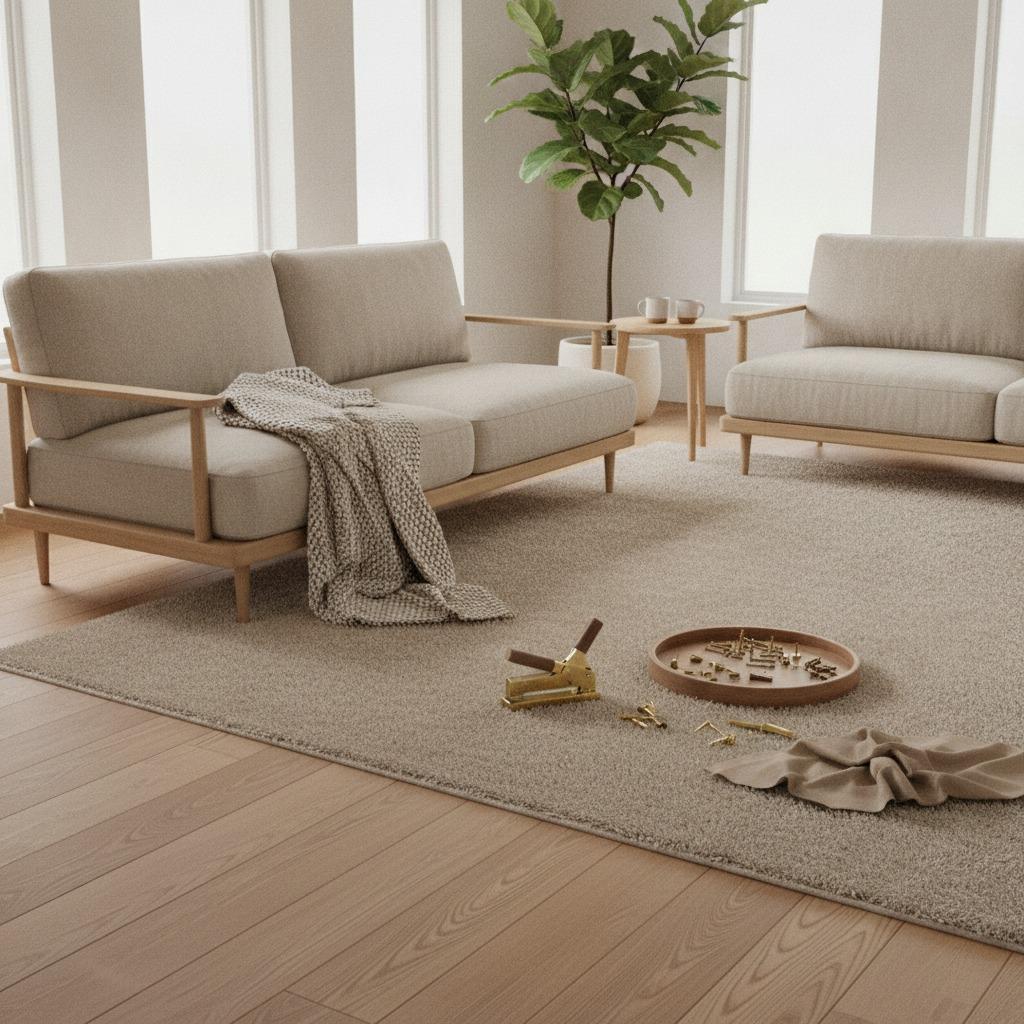
Upholstered sofa construction often blends hidden fastening with visible craftsmanship. On a compact sofa with a straight-lined silhouette, low-profile arms, and an exposed wooden base, the fastening system has to support both structure and appearance. The user sees the clean edge of the fabric, the alignment of the side panel, and the fit around the legs and base. If the staple work causes puckering or uneven tension, the flaw is hard to hide.
That is why sofa upholstery staples are often judged alongside the materials they hold. Light fabrics, for example, can make improper fastening more obvious than darker textiles. Likewise, a natural wood finish around the lower frame leaves little room for sloppy edge work. Buyers should ask how the staple will behave across frame members, fabric-backed edges, and any decorative zones that are kept visible in the finished piece.
Quick buyer takeaway
If the sofa is built for living rooms, small apartments, or staged interiors, the fastening system should support repeatable assembly and a clean showroom look. If the design includes visible wood joinery or side-panel detailing, test the staple choice on real production samples rather than relying on catalog descriptions alone.
Common selection criteria that actually matter
The practical checklist is not glamorous, but it saves headaches.
First, confirm compatibility between the staple and the stapling tool. Next, review the frame material and thickness range. Softwood rails, hardwood members, and engineered components do not always behave the same way. Then look at corrosion resistance and coating only as far as your environment requires; over-specifying can raise cost without much value, while under-specifying can create service issues later.
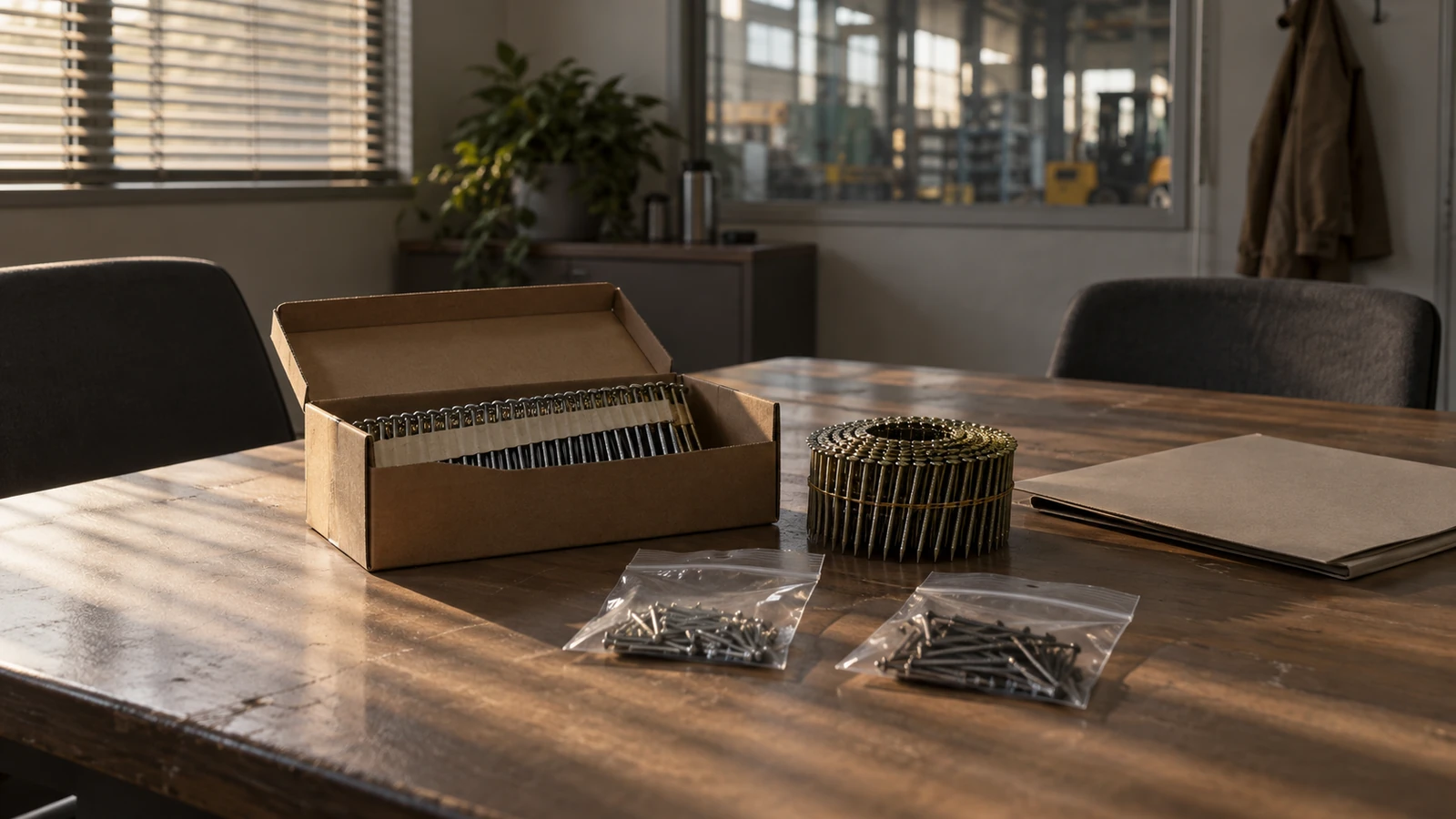
Packaging and loading consistency also matter more than many teams expect. In a furniture plant, a jam at the wrong moment interrupts more than one station. A reliable sofa staples manufacturer should be able to support stable strip geometry and repeatable feed performance, even if the product itself is fairly ordinary.
Common mistakes buyers make
One common mistake is choosing staples by habit from a previous program. A slim sofa with a wooden base and visible lower structure may need a different fastening approach than a fully wrapped, padded model. Another mistake is assuming that all upholstery staples behave similarly across fabrics. They do not. Stretchy textiles, heavier woven covers, and tighter corner wraps can change the result enough to matter.
A second trap is focusing too much on appearance and too little on production reality. Clean lines are important, especially in modern sofa design, but a neat showroom sample does not guarantee the same result under line pressure. Ask for sample runs. Inspect how corners close. Check whether the staple choice leaves a visible mark where the fabric meets the frame.
Practical advice for sourcing teams
If you are sourcing from a sofa staples supplier, ask for more than a basic product list. You want information on tool compatibility, recommended applications, and any limits on use with different wood densities or upholstery layers. For a sofa stapler manufacturer, the key question is whether the tool and fastener are designed to work together or merely happen to fit.
It is also worth keeping the furniture design team in the loop. A sofa with an exposed base, tapering legs, or decorative side detail can make fastening quality part of the visible product language. That is especially true in e-commerce photos, where the viewer sees more than just the front face of the sofa.
FAQ
Are all upholstery staples interchangeable?
No. Dimensions, coating, wire type, and tool compatibility all matter.
Should buyers test staples on the final sofa build?
Yes, ideally on real frame material and upholstery layers. Small differences can change the result.
Does a better staple always mean a better sofa?
Not by itself. It is one part of a larger system that includes frame design, tooling, and assembly control.
What to do next
For new sofa programs, treat staple sourcing as part of the product-development process, not just a purchasing line item. Compare samples, check how they perform on your actual frame and fabric stack, and review the tool setup at the same time. That approach usually tells you more than a price table ever will, and it helps you avoid the kind of small fastening problem that becomes an expensive furniture problem later.