
Use stainless only when the job asks for it
Stainless steel brad nails are easy to overbuy. They sound safer, cleaner, and more premium, but not every trim or furniture job needs them. The better question is where the finished part will sit after it leaves the bench.
If the part may see humidity, long storage, or customer complaints about rust spots, stainless steel brad nails are worth testing. If the part is dry, hidden, and cost-sensitive, a standard or galvanized brad nail may be enough. That small judgment can protect both margin and quality.
Check the finished surface, not just the nail
For brad nails for woodworking, the sample should be fired into the actual material. Some buyers only inspect loose nails, then discover marks after stain or paint. That is too late. Put the nail into the wood, finish the test piece, and look at it under normal shop lighting.
A brad nails supplier should also ask whether the head will be hidden, filled, painted, or left near a visible edge. Stainless steel brad nails help with corrosion concerns, but the surface still has to look right.
Details to keep in the order file
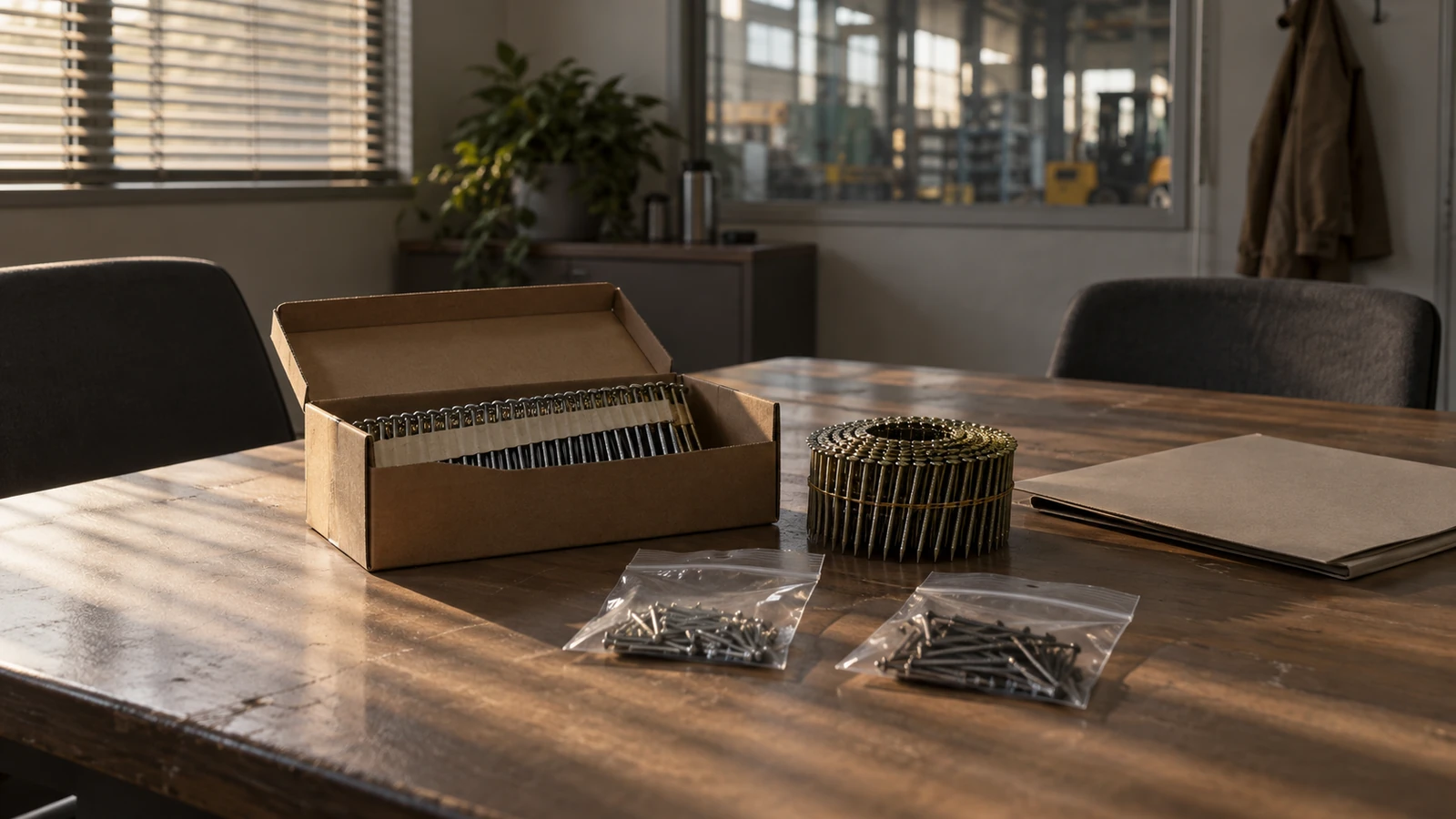
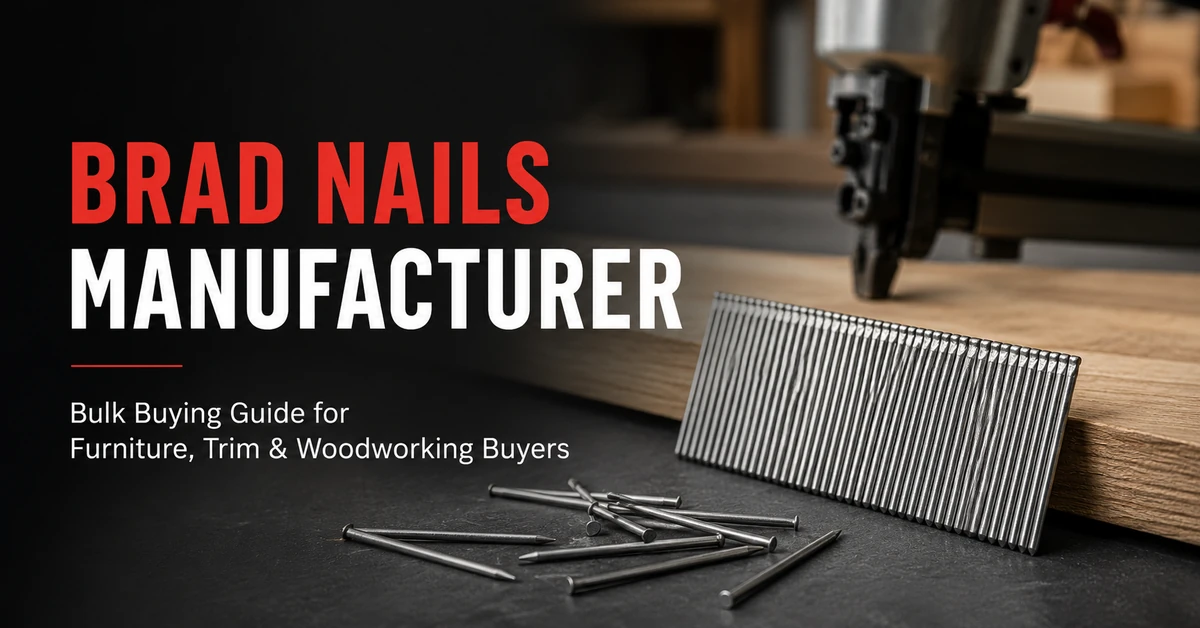
Ask the brad nails manufacturer to confirm gauge, length, stainless grade, head style, point, collation, and packing. For bulk brad nails, weak inner boxes can bend strips and create tool complaints even when the material is correct.
ProAirNails can help buyers compare stainless steel brad nails, galvanized brad nails, and standard brad nails for furniture and trim work. Buyers can learn more about ProAirNails before sending drawings, tool models, or packing notes.