
What buyers really need from a drywall screw factory

If you are sourcing from a drywall screw factory, the real question is not just whether the screws look right in a carton. It is whether the factory can supply a fastener that drives cleanly, holds gypsum board securely, and arrives consistent from batch to batch. That matters to contractors, distributors, and product teams alike, because drywall work is unforgiving: a weak point recess, uneven threads, or poor coating can slow installation and create callbacks later.
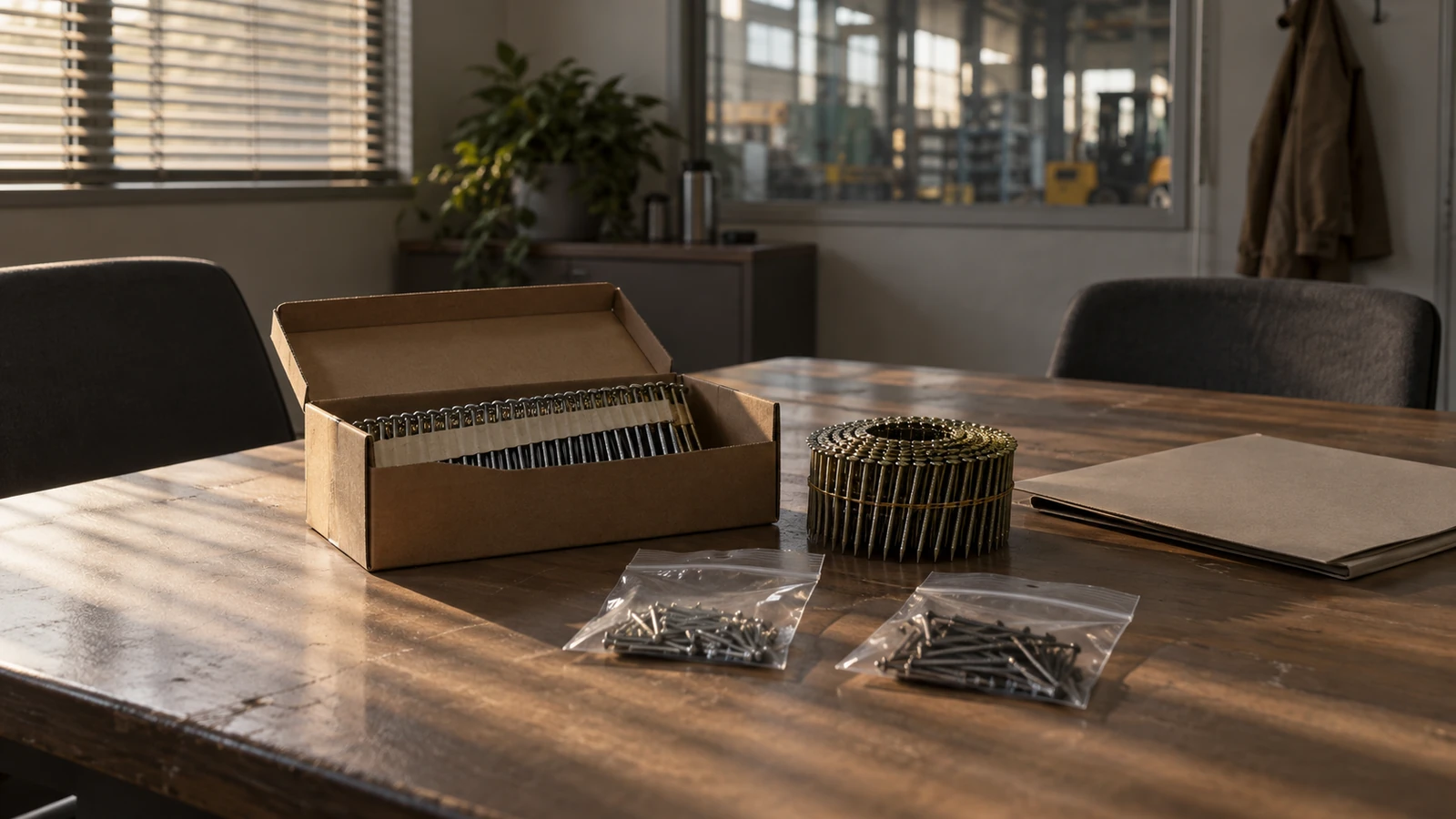
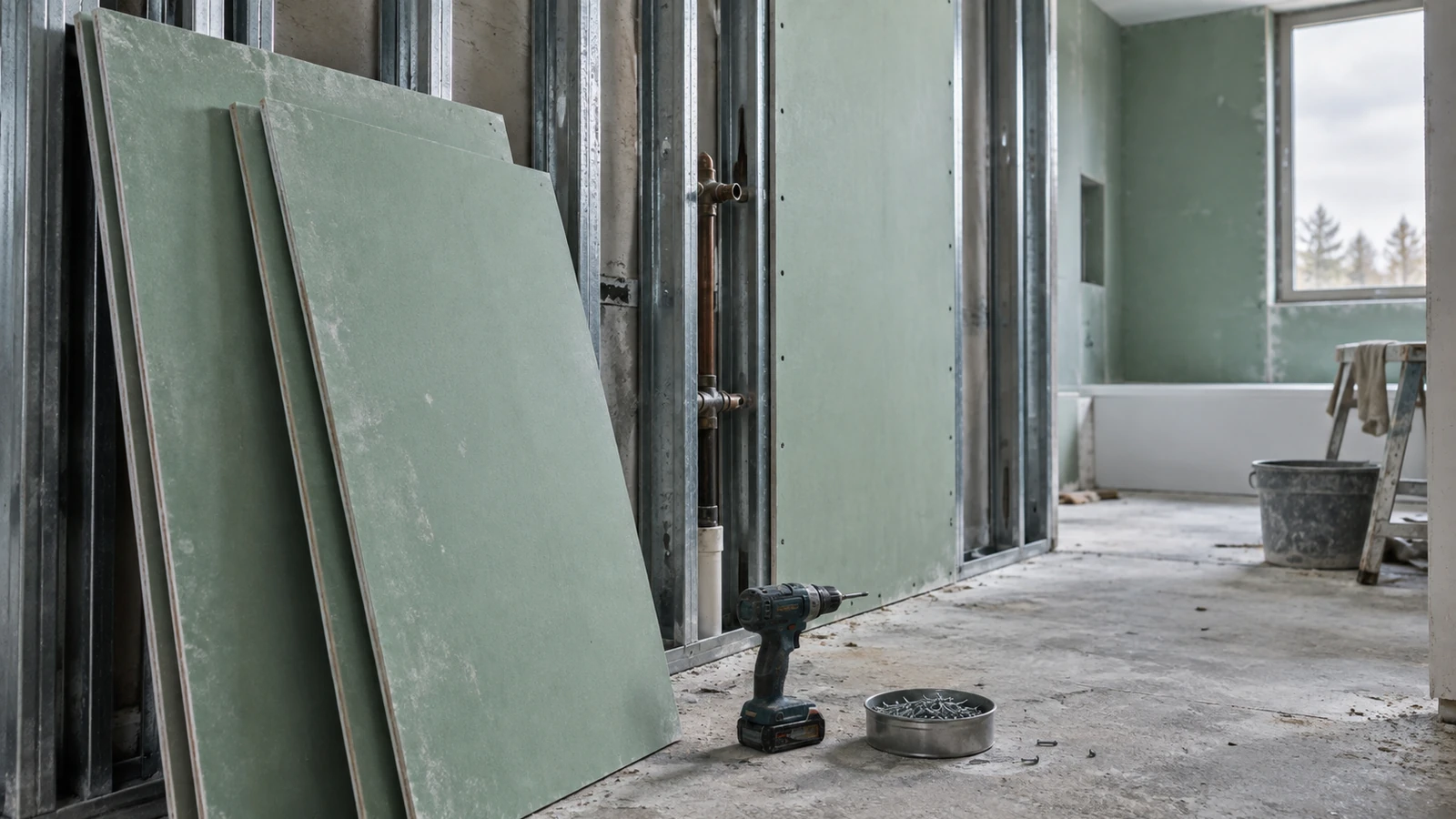
The product in question is straightforward on the surface. Drywall screws are used to fasten drywall sheets to framing, typically with a cordless drill or driver. The screws shown here have the familiar dark finish, sharp point, coarse threads, and Phillips-style cross recess that installers expect for quick power-tool driving. They are packed in a bulk cardboard carton, which is standard for trade supply and warehouse handling.
Quick buyer takeaway: what to compare first
Before choosing a drywall screw supplier or placing a bulk order, compare the basics that affect field performance:
The head profile should seat properly without tearing the paper face.
The thread form should match the intended framing application and installation style.
The coating should offer practical corrosion resistance for interior building use, even if the exact finish is not always obvious from a product photo.
The packaging should support your channel, whether that is contractor supply, retail shelves, or project-based inventory.
Those items sound simple, but they determine whether installers see the screw as dependable or annoying. And in fastening hardware, “annoying” usually becomes expensive.
How drywall screws are typically made
A drywall screw manufacturer usually starts with metal wire and forms the head by cold heading, then rolls the threads into place. After that, the screws are coated or finished to help with corrosion resistance and drive performance. That general process is common across this category, even though exact grades, coating systems, and dimensions can vary by factory.
The screws in the product data appear to be dark-colored with coarse threads and a bugle-style head, which is the profile most buyers associate with drywall installation. The loose screws spilling from the carton also suggest a bulk-packing format suited to high-volume use, not boutique retail packaging.
Why the finish matters more than it looks
Many buyers focus on price and overlook the coating. That is a mistake. A drywall screw can look identical on a spec sheet and still behave differently in production use if the finish changes bite, feeding, or storage behavior. For interior applications, the finish still needs to be practical for warehouse inventory and site handling, even when the project does not demand harsh-environment corrosion resistance.
Selection criteria for sourcing teams
A drywall screw supplier should be able to answer a few practical questions without making you chase every detail.
First, ask what materials and framing conditions the screws are intended for. Drywall fastening is not one-size-fits-all, and buyers should not assume a screw designed for one substrate will perform equally well in another.
Second, confirm the recess type and drive compatibility. The visible cross recess suggests Phillips-style driving, which is common, but the real question is whether the screw seats cleanly with the power tools your crews already use.
Third, review packaging and carton labeling. For distributors and retailers, a clear carton marked “DRYWALL SCREWS” is useful, but buyers may also want inner packs or pallet configurations depending on their channel.
Fourth, be careful about claims that sound too precise without documentation. Length, diameter, thread pitch, exact coating, and compliance claims should come from actual product specifications, not assumptions drawn from a photo.
Common buying mistakes
One common mistake is treating all drywall screws as interchangeable. They are not. Even within a simple category like this, small differences in head geometry, thread aggressiveness, or finish can change installation speed and consistency.
Another mistake is overbuying on visual appearance alone. A dark coating and sharp tip may look professional, but that tells you very little about manufacturing consistency.
A third mistake is ignoring how the product will be handled after it leaves the factory. Bulk cartons are efficient, but they need to survive shipping, warehouse stacking, and jobsite movement without crushing or spilling excessively.
FAQ: drywall screw factory sourcing questions
What should I ask a drywall screw manufacturer first?
Start with the intended application, available sizes, coating options, and packaging formats. Then ask for the production process and any documentation the factory can provide.
Are these screws only for drywall?
They are designed for drywall installation, but the actual substrate compatibility depends on the screw specification. Do not assume use on wood or metal framing without confirmation.
Why are the screws dark-colored?
Dark finishes are common in this category and may indicate a coating chosen for corrosion resistance and manufacturing practicality. The exact coating should be verified with the supplier.
Is a carton package better than small retail packs?
For contractor supply and inventory control, yes, often it is. Bulk cartons are easier to store and distribute. For retail, smaller packs may fit the channel better.
What a practical next step looks like
If you are evaluating a drywall screw factory, request a sample spec sheet, confirm the available dimensions and finishes, and check whether the carton format fits your purchasing model. A good factory should make it easy to move from sample to repeat order without changing the product unexpectedly.
For sourcing teams, the goal is not just to buy a screw. It is to buy a fastening item that disappears during installation because it works the way crews expect. That is usually the best sign you picked the right supplier.