
Why buyers end up looking for a furniture staples bulk supplier
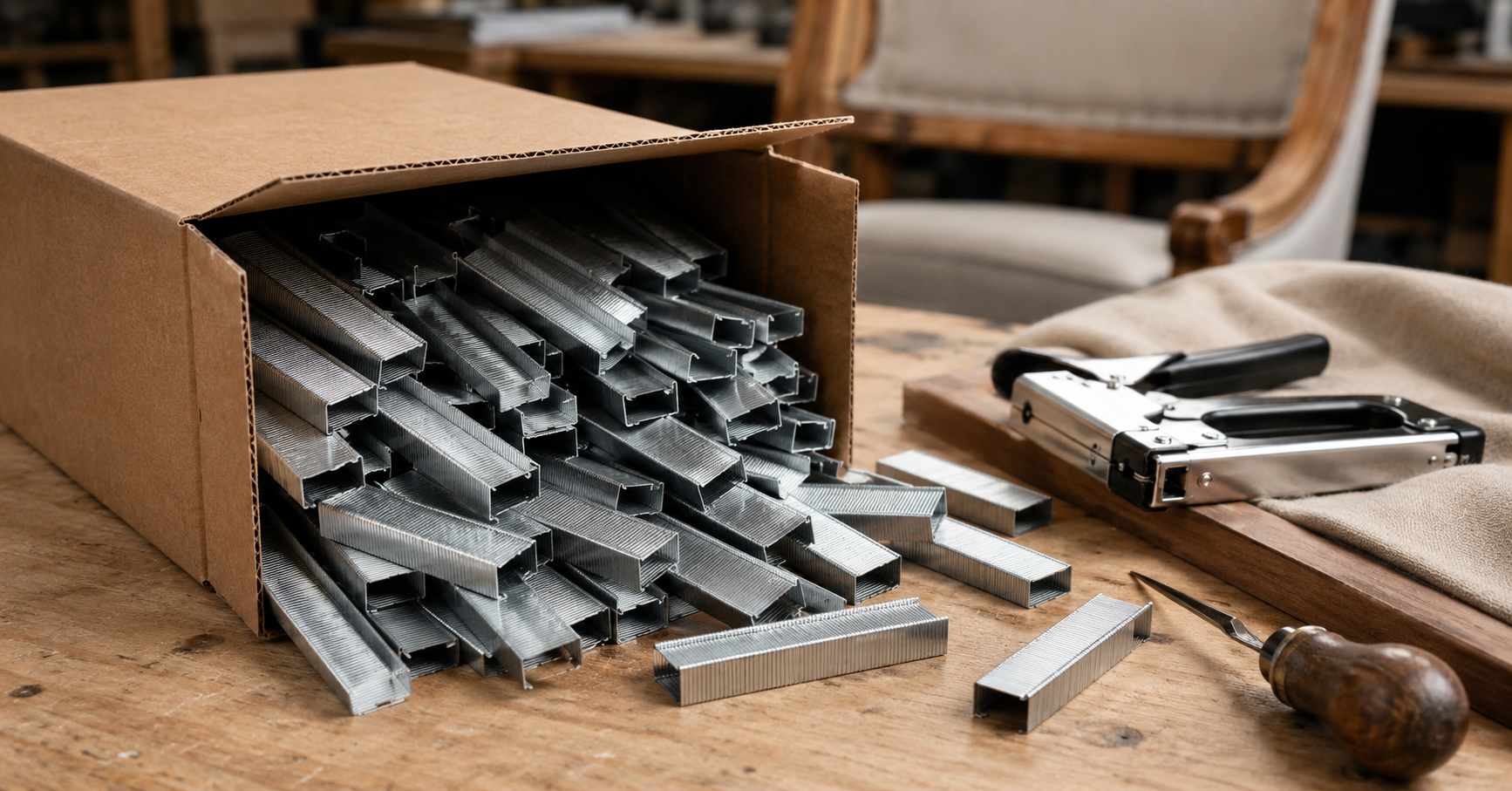
If you buy fasteners for cabinet shops, furniture lines, trim crews, or woodworking plants, the search usually starts when a small carton stops being enough. A furniture staples bulk supplier is not just a source of boxes; it is part of how a shop keeps fastening costs predictable, avoids line stoppages, and matches the right staple to the right substrate. The same is true when the job moves from flat-pack furniture to cabinet face frames, decorative trim, or other finish-carpentry work where a fastener has to disappear rather than announce itself.
That matters because a staple that is cheap on paper can be expensive in practice if it jams, overdrives, splits a thin edge, or simply does not hold in the material you are running that day. In furniture and cabinet production, the decision is rarely “which staple is cheapest?” It is usually “which staple runs cleanly in our tool, fits our material stack-up, and comes in a supply format that does not create more headaches than it solves?”
What buyers usually need to compare first
For bulk furniture staples, the first comparison should be practical, not promotional. Look at the tool you already use, the thickness of the workpiece, and the type of joint you are fastening. In the image context here, the application is closer to brad nailing and trim attachment than heavy structural fastening: a pneumatic brad nailer is attaching a white trim strip to a light-colored cabinet frame. That tells you the fastening job is narrow-profile, finish-oriented, and sensitive to surface damage.
In other words, not every “furniture staple” conversation is really about staples in the traditional upholstery sense. Some buyers are covering cabinet trim, edge finishing, decorative molding, or light assembly tasks where small-gauge fasteners and the right nail length matter more than brute holding power.
How to judge a supplier beyond the catalog page
1. Consistency of fastener stock
When fasteners are ordered in volume, consistency is as important as price. A shop wants straight, uniform stock that feeds reliably and lands where the operator expects. If the fastener package looks fine but the run produces jams or split heads, the supply contract is not actually saving money.
2. Match to the fastening task
Cabinet face frames, decorative trim, and molding attachment each put different demands on the fastener. Thin-gauge nails or small-profile staples are usually chosen when the goal is to hold trim in place without telegraphing through a painted surface. The pictured trim strip is narrow and profiled, so the fastening choice has to respect both the trim thickness and the substrate underneath.
3. Packaging and replenishment
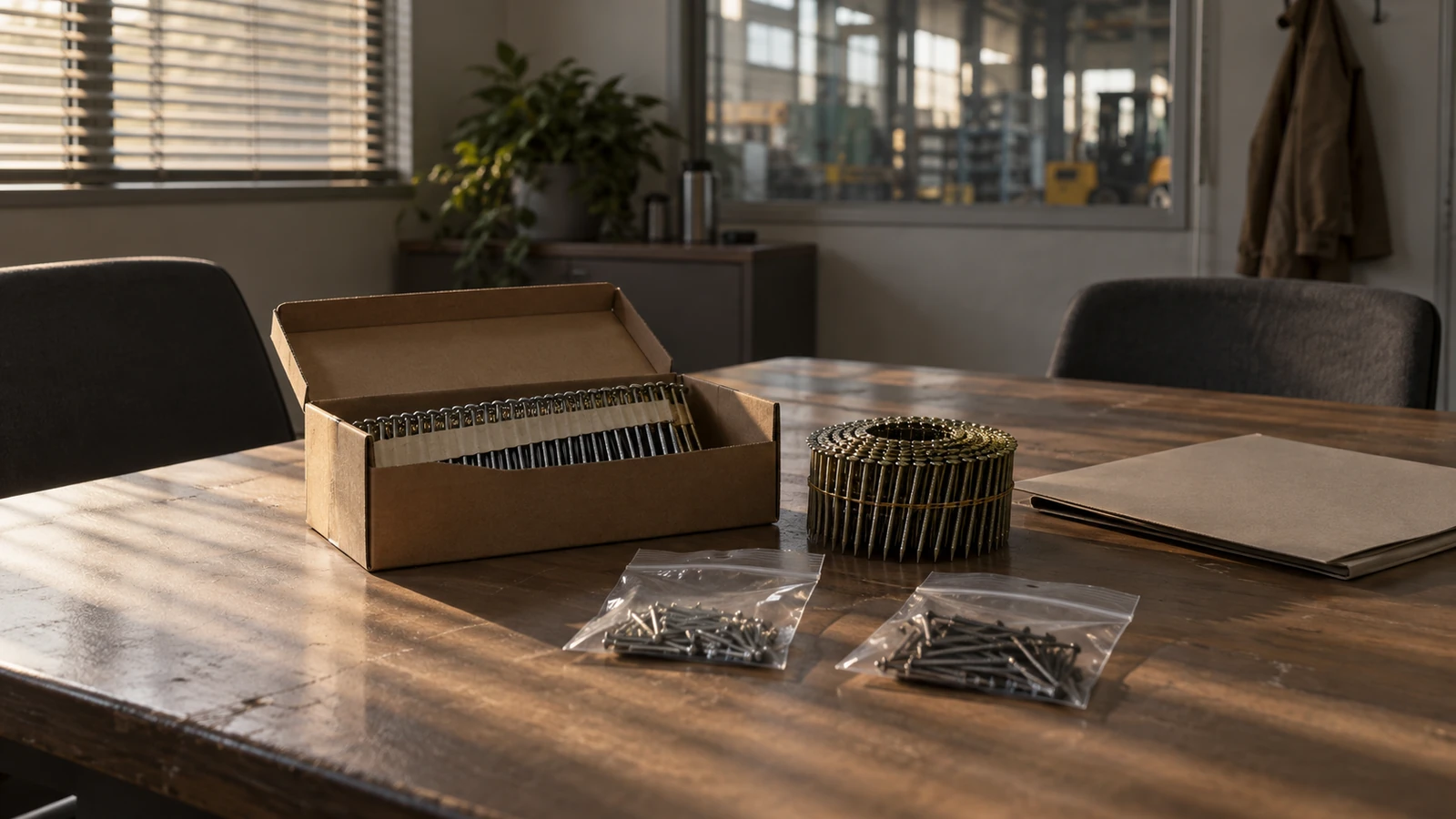
Bulk supply should fit the production rhythm. Some operations need case quantities for a central store room; others need smaller ready-to-use packs for jobsite crews. That detail sounds minor until a line supervisor is hunting for the right carton mid-shift.
Common mistakes buyers make
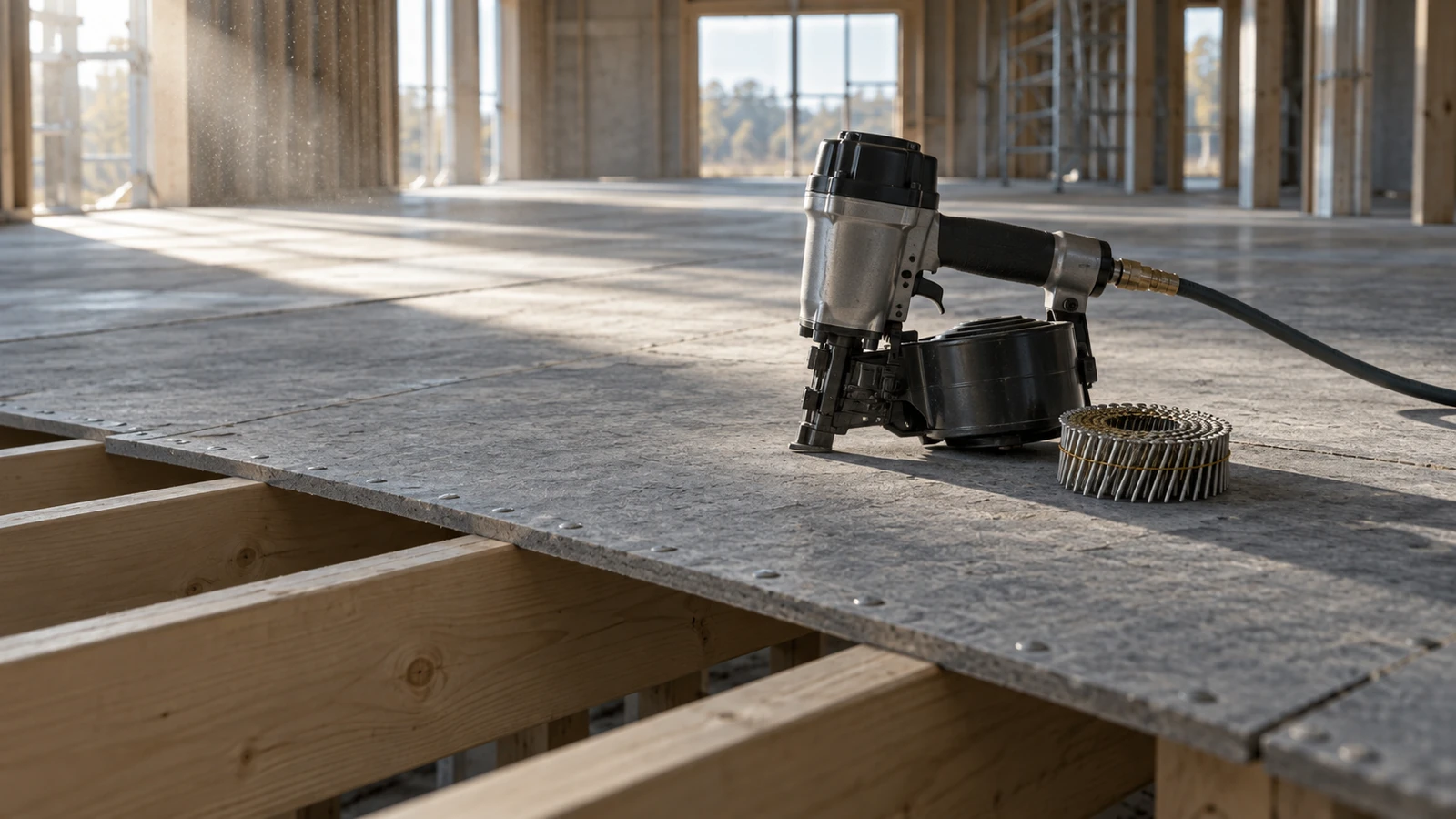
The most common mistake is treating all finish fasteners as interchangeable. They are not. A fastener that works well in a furniture assembly cell may be wrong for a cabinet edge or a delicate trim profile. Another error is ignoring the difference between the tool and the fastener. A pneumatic brad nailer, for example, is designed around thin straight stock and finish work; using the wrong size or profile can leave marks, blow through the material, or create a weak hold.
There is also the quiet mistake of buying only on unit price. If a lower-cost fastener causes downtime, rework, or cosmetic defects on visible furniture parts, the savings vanish quickly. Buyers in this category usually know that already, but it is still easy to miss when the purchasing spreadsheet is the only thing in view.
FAQ: practical questions buyers ask
Are furniture staples and brad nails the same thing?
Not exactly. The terms are often discussed together in sourcing conversations because both are used in woodworking and furniture production, but they serve different fastening systems. The image context here is brad nailing, not staple-driven upholstery work.
What should I ask a furniture staples wholesale supplier for?
Ask about compatibility with your tool, the intended application, packaging format, and whether the fastener stock is suited to the thickness and finish sensitivity of your parts. If your operation uses cabinet trim or molding, say so plainly. “Furniture” is too broad to be useful on its own.
How do I choose for trim and cabinet work?
Start with the workpiece, not the fastener. Pale wood, MDF, painted trim, and cabinet face frames all behave differently under a fastener. For narrow molding and decorative trim, buyers usually want a small-profile fastener that holds without crushing the surface. A cautious trial run on production material is still the best low-cost check.
What a good buying decision looks like
A solid supplier relationship gives you repeatable fastener quality, packaging that fits your production flow, and enough technical clarity to avoid trial-and-error on the floor. For shops buying in volume, that is the real value of a furniture staples bulk supplier: less improvisation, fewer stoppages, and a better chance that the final surface still looks finished when the tool is put away.
If you are comparing sources now, start with the end use. Cabinet trim, face frames, molding, and furniture assembly are close enough to be confused, but not close enough to buy blindly. Ask for the fastener format that matches your tool and your material stack, then test it in the actual application before placing a larger order.