
Why sofa fastening is a bigger decision than it looks
If you are sourcing from a sofa staples manufacturer, you are not just buying small metal fasteners. You are buying part of the assembly logic of the furniture itself. Staples sit behind the fabric, under the cushion line, and along the frame, so they rarely get attention until something goes wrong: a loose corner, a lifted edge, a split webbing joint, or an upholstery job that starts to creak after a short time.
For engineers, sourcing managers, and product teams, that makes the choice more practical than decorative. The right supplier has to support consistent fastening performance, dependable packaging, and enough product clarity to avoid surprises on the line or in the workshop. If the staples are meant for sofa production or reupholstery, the wrong fit can slow installation, damage materials, or create avoidable rework. That is why buyers often compare a sofa staples manufacturer with an upholstery staples supplier, especially when the application includes mixed materials and variable frame conditions.
What the product is really for
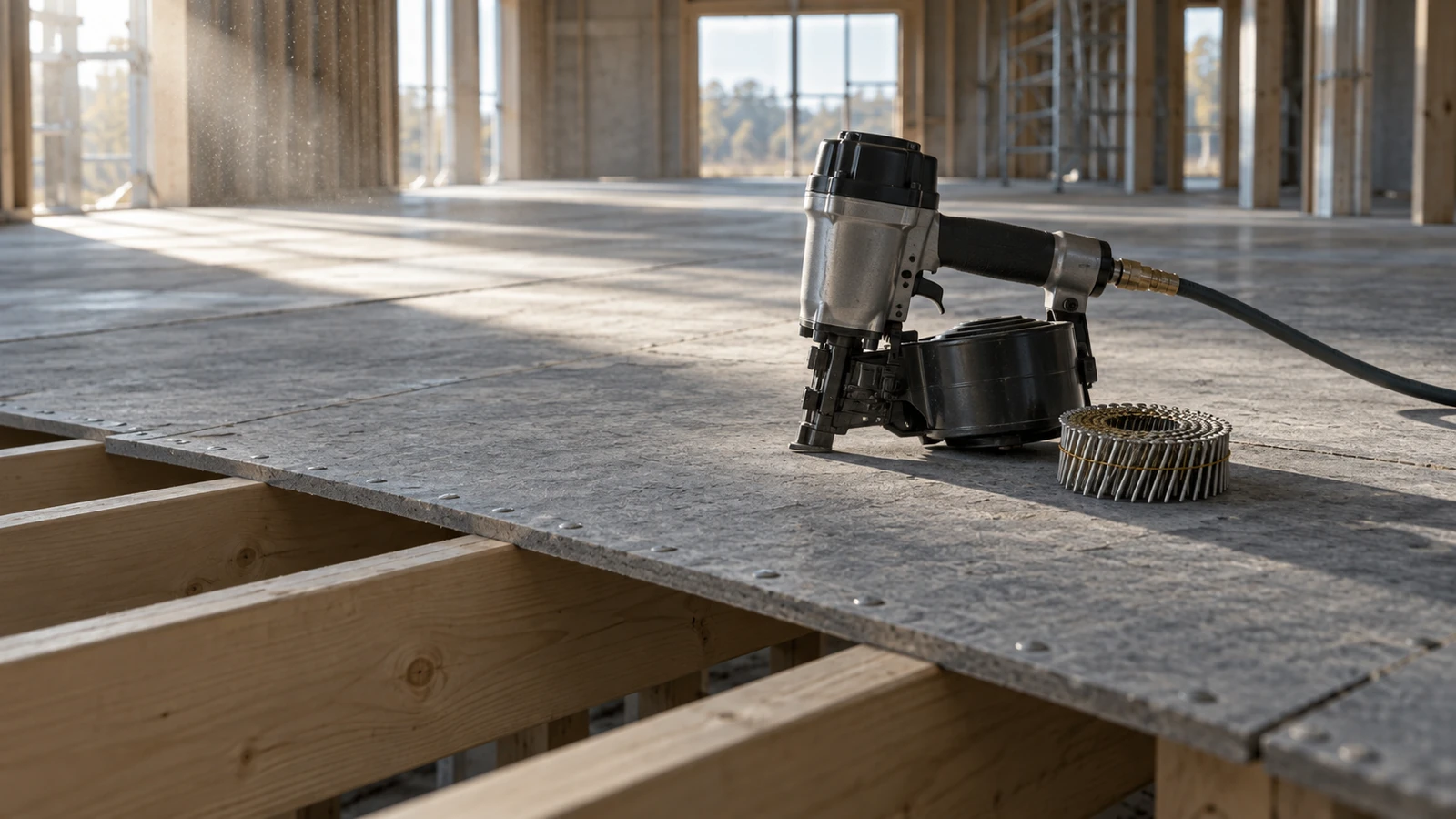
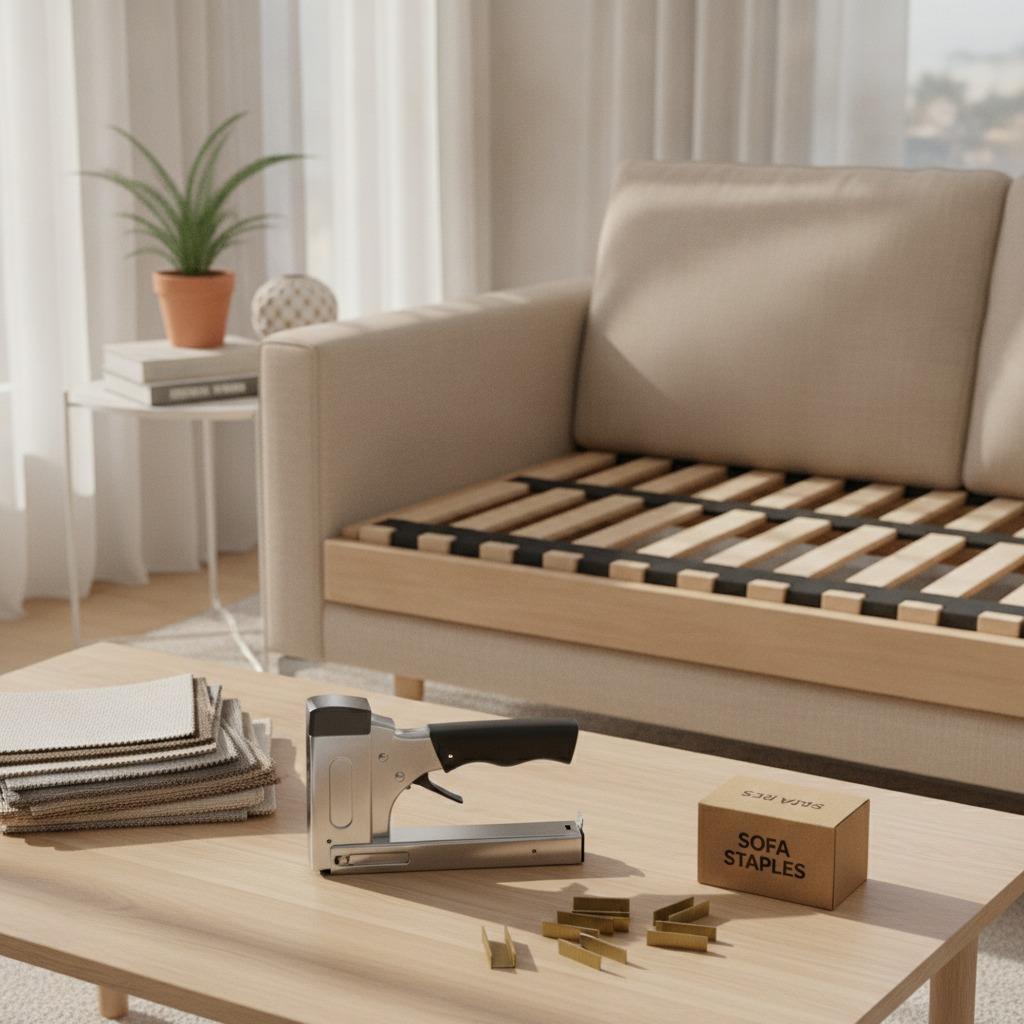
The supplied product information points to a manual upholstery stapler or staple gun paired with a box labeled “SOFA STAPLES.” In plain terms, this is the kind of fastening system used in furniture and upholstery work to secure fabric, webbing, trim, padding, and related materials to wood or other soft structural surfaces. The visible tool is pistol-style, with a metal body, black grip, and a top loading area or magazine section. That design suggests handheld or bench use, though the exact actuation type should be confirmed before purchase if the application is production-critical.
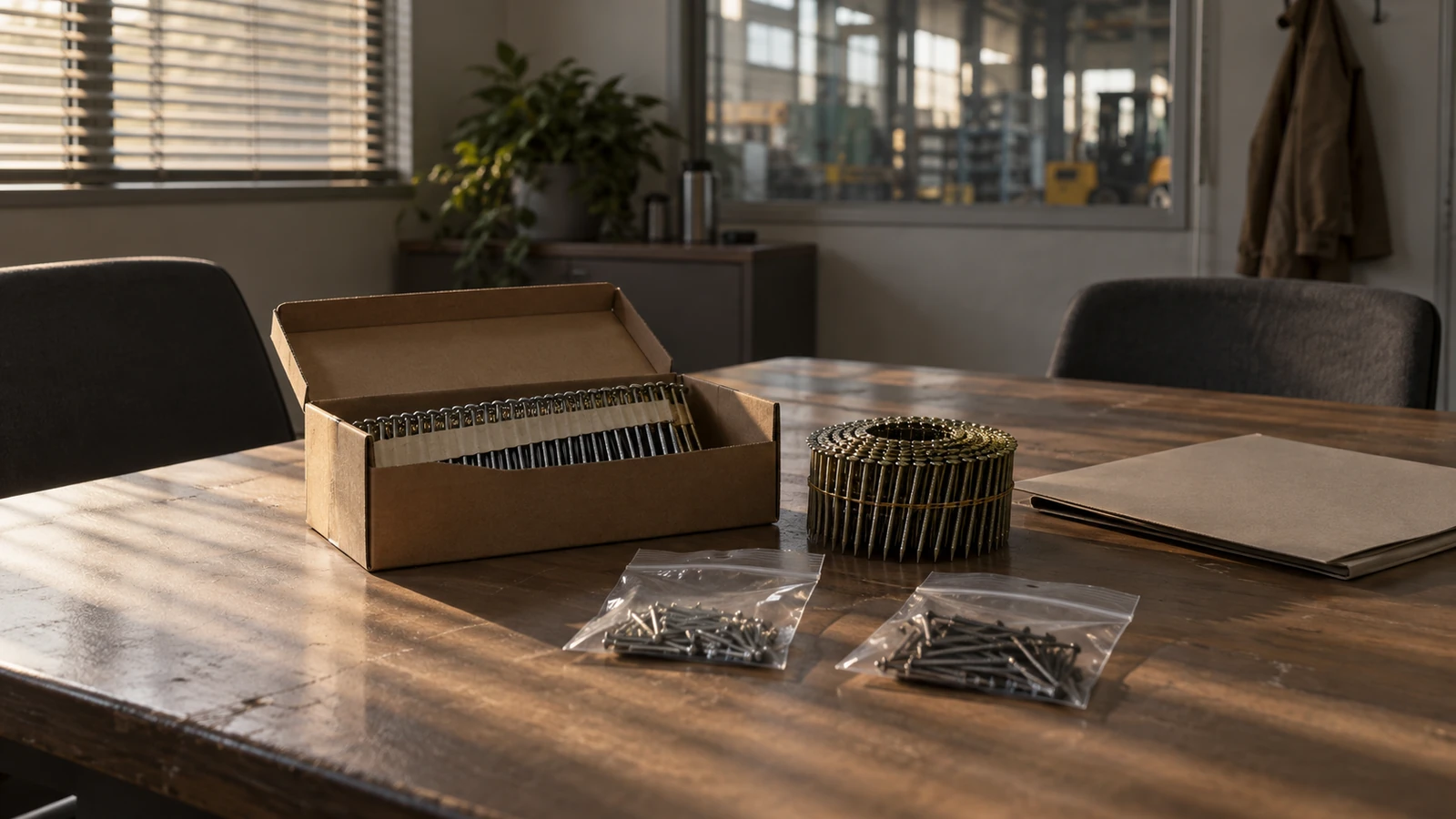
The staples shown are brass- or gold-toned, with loose strips and sample fasteners visible in the image. That detail matters because the consumable is often the quieter half of the system. A good stapler cannot compensate for poor staple consistency, and a reliable staple strip still needs a tool that feeds cleanly.
Quick comparison: what buyers usually need to sort out
When people search for a furniture staples manufacturer, they are usually trying to decide between a few practical paths rather than a single product. The tool may be manual, while the fastening consumable is the real purchase. Or the buyer may be comparing a general-purpose industrial staple with a furniture-specific version meant for upholstery work.
Here is the simple question set that helps narrow it down: Does the staple need to penetrate soft wood, layered fabric, or both? Is the fastening line cosmetic, structural, or somewhere in between? Will the tool be used in a production workshop, a repair bench, or a field service setting? Those answers affect staple geometry, loading convenience, and how forgiving the system will be for operators with different hand pressure and habits.
Selection criteria that matter in the real world
1) Match the staple to the material stack
Upholstery work is rarely a single-material task. Fabric, foam, webbing, batting, and frame material all behave differently under load. A staple that works neatly in one build can be too aggressive or too light in another. That is why industrial staples for sofa applications should be chosen with the actual stack-up in mind, not just the headline furniture category.
2) Check feed behavior, not just appearance
A stapler that looks solid on paper can still jam if the strips are inconsistent or the magazine is unforgiving. For workshops, feed reliability is a bigger labor cost issue than many buyers expect. Even small interruptions add up when a team is closing dozens of units per day.
3) Think about finish and visibility
Not every staple sits in a hidden zone. Some fastening points are near edges, inside compartments, or where trim may shift over time. In those cases, the finish and color of the staple can matter, even if only slightly. The gold-toned look in the supplied image suggests a product aimed at common upholstery workflows, but the visible finish alone should never be treated as proof of corrosion resistance or suitability for every environment.
Common mistakes buyers still make
The first mistake is buying by tool alone and treating the staples as an afterthought. The second is assuming “furniture” means universal compatibility. It does not. A sofa staples manufacturer may offer products that work well for one fastening depth, one wood density, or one upholstery method, but fail elsewhere.
A more subtle mistake is underestimating operator comfort. Manual tools can be perfectly acceptable for repair shops and lower-volume benches, yet they may slow production if the grip, trigger feel, or loading process is awkward. That may sound minor in a spec sheet review. In a busy shop, it is not minor at all.
Buyer advice for sourcing and production teams
Ask suppliers for clear product definitions before discussing volume. If you are looking for an upholstery staples supplier, request the staple type, intended use case, and any compatibility notes that can be shared without guesswork. If the supplier also provides the stapling tool, confirm whether the system is manual or another actuation style, and whether the staple strips are packaged for easy handling at the bench.
For furniture makers, it is also smart to test the stapling process on representative materials rather than on ideal samples. Real frames, real fabric tension, and real shop conditions tell the truth faster than a product photo ever will.
What a practical next step looks like
If you are comparing suppliers now, start by aligning the fastener to the application and the tool to the operator. From there, a short qualification run will usually show whether the product is workable in production or better suited to repair and light workshop use. That is the most direct way to separate a credible sofa staples manufacturer from a vendor that simply sells stapled boxes and hopes the buyer figures out the rest.
For sourcing teams, the safest move is to request a sample, verify packaging and feed behavior, and confirm the intended upholstery application before committing to a larger purchase. In this category, that extra round of checking is usually cheaper than fixing an entire batch of loose upholstery later.