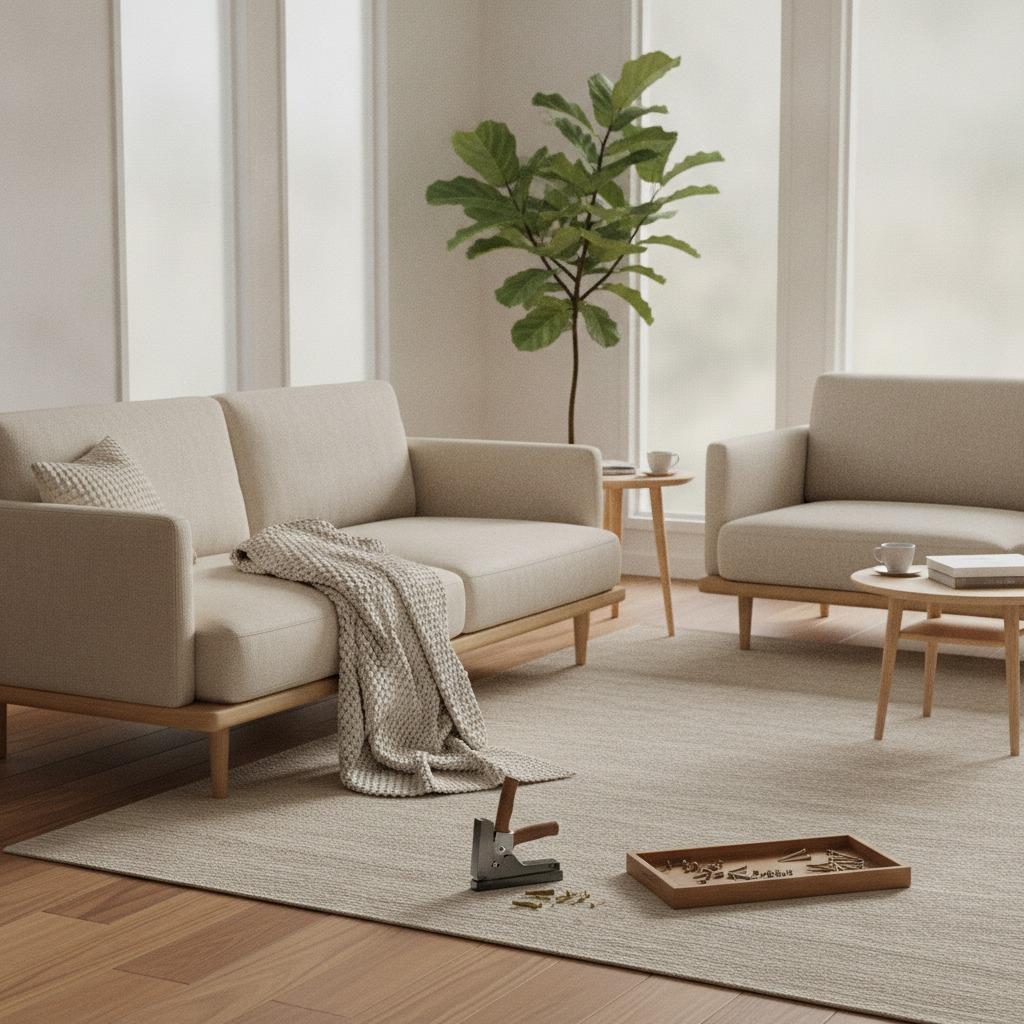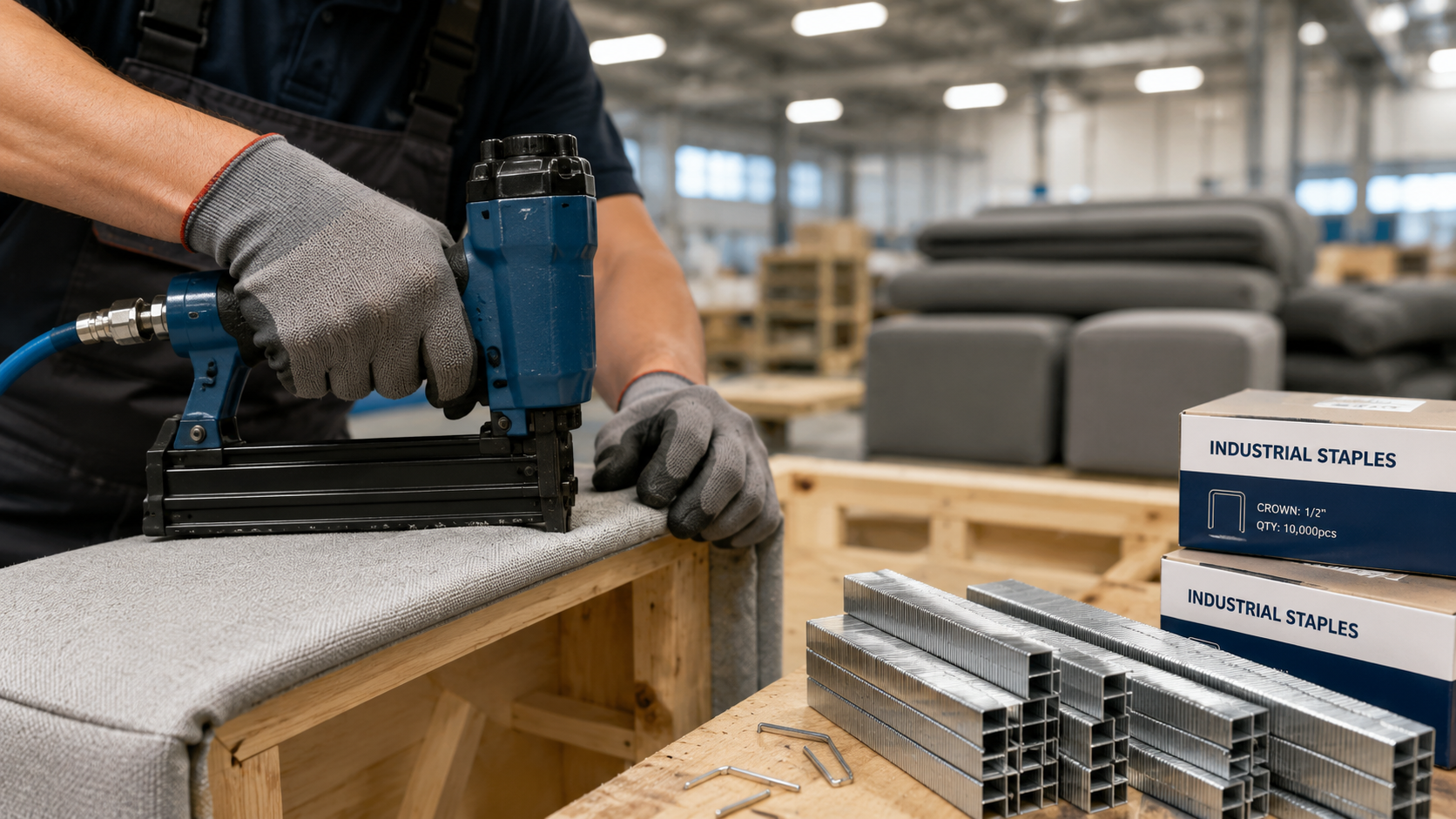

What buyers usually mean by a 14 series staples manufacturer
When sourcing a 14 series staples manufacturer, most buyers are not just looking for a box of fasteners. They are trying to keep upholstery work, furniture assembly, and repair jobs moving without jams, loose joints, or mismatched consumables. In practice, the decision often sits at the intersection of tool compatibility, staple strip consistency, and the way the staples behave once driven into wood or fabric-backed frames.
That matters because a pneumatic stapler is only as dependable as the strip it feeds. If the crown width, wire profile, coating, or strip formation is off, you feel it immediately at the nose of the tool. The work slows down, the operator has to clear misfeeds, and the finished piece may need rework. For a shop manager, sourcing team, or product developer, the real question is simple: which supplier can keep the fastening process predictable?
Why the 14 series is used so often in upholstery and furniture work
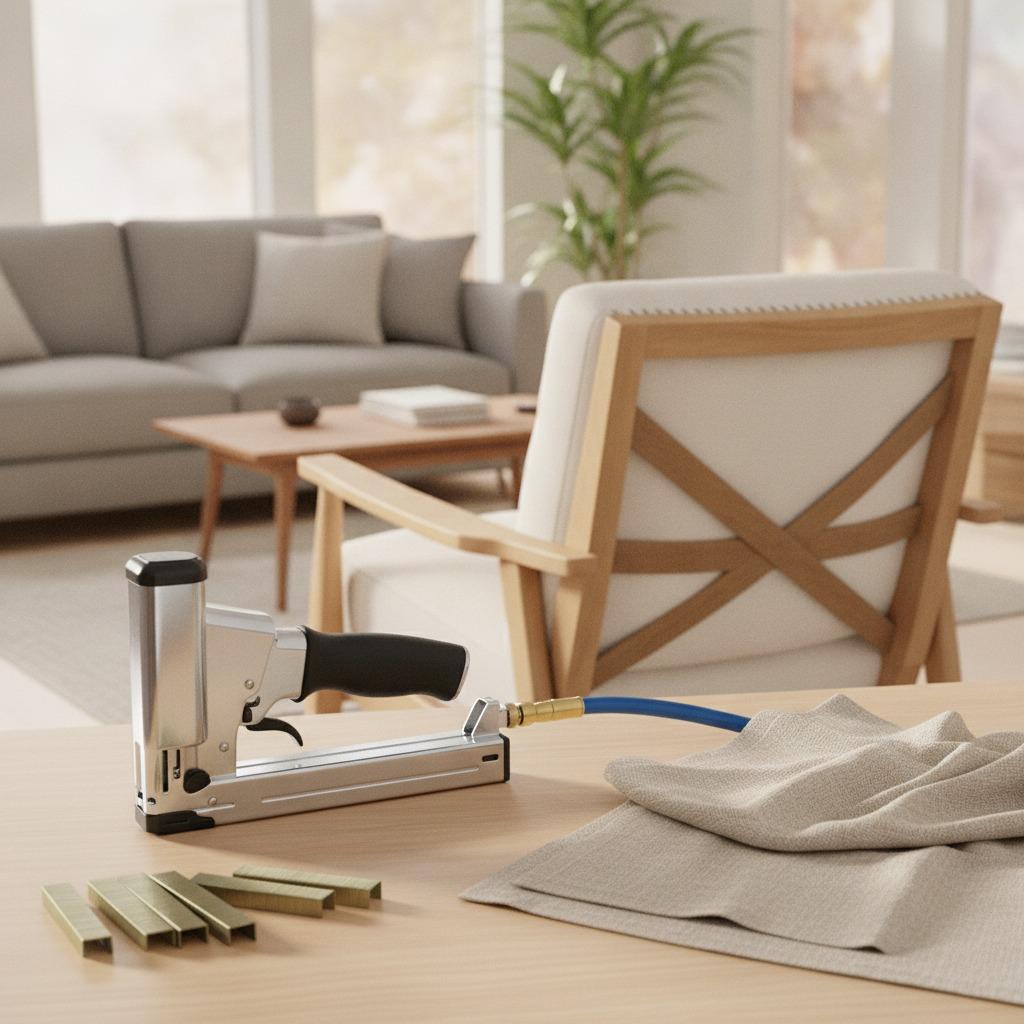
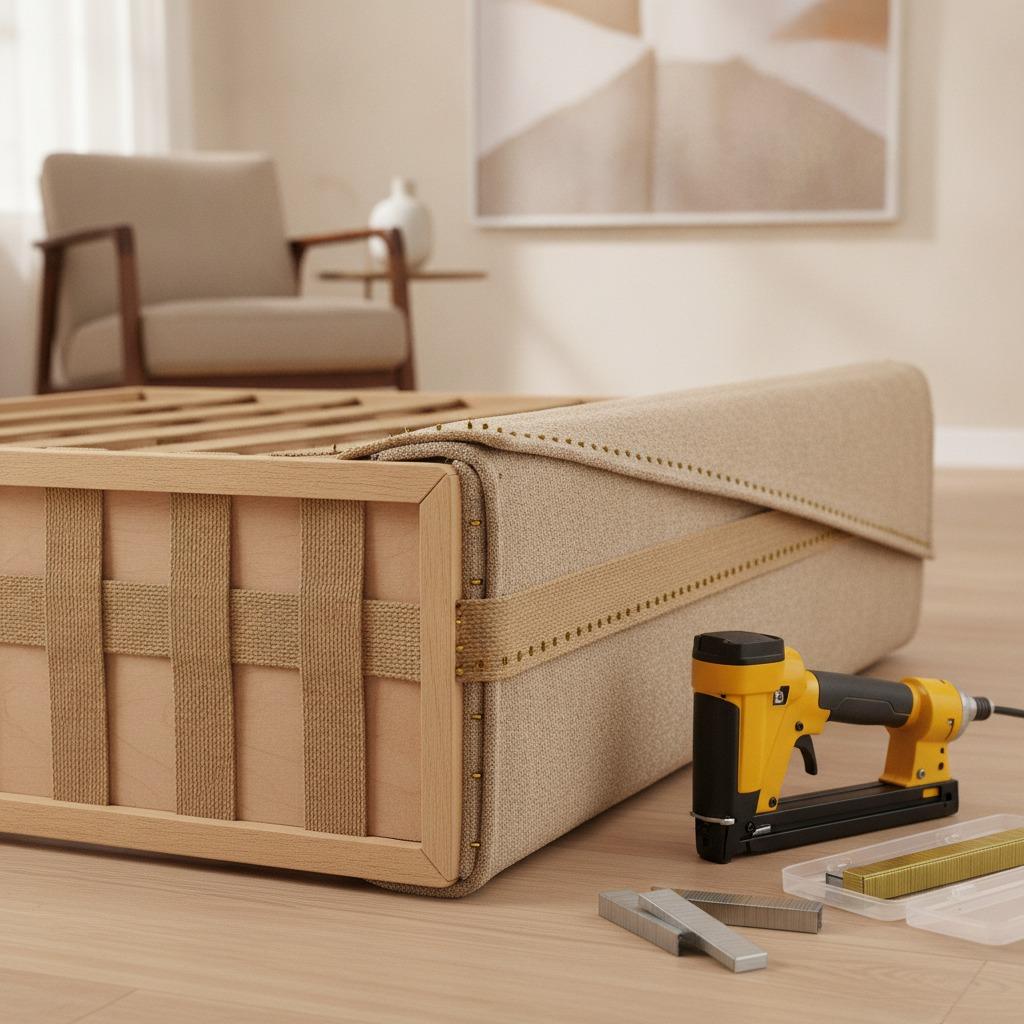
Staples in this family are commonly associated with upholstery, sofa repair, frame fastening, webbing attachment, and light workshop assembly. The visible application in a pneumatic staple gun tells you a lot about the demand pattern: repeated fastening into wood or frame members, often with fabric or trim layered over the top. That is a tough environment for a consumable fastener. The staple has to penetrate cleanly, seat consistently, and hold without deforming the visible surface more than necessary.
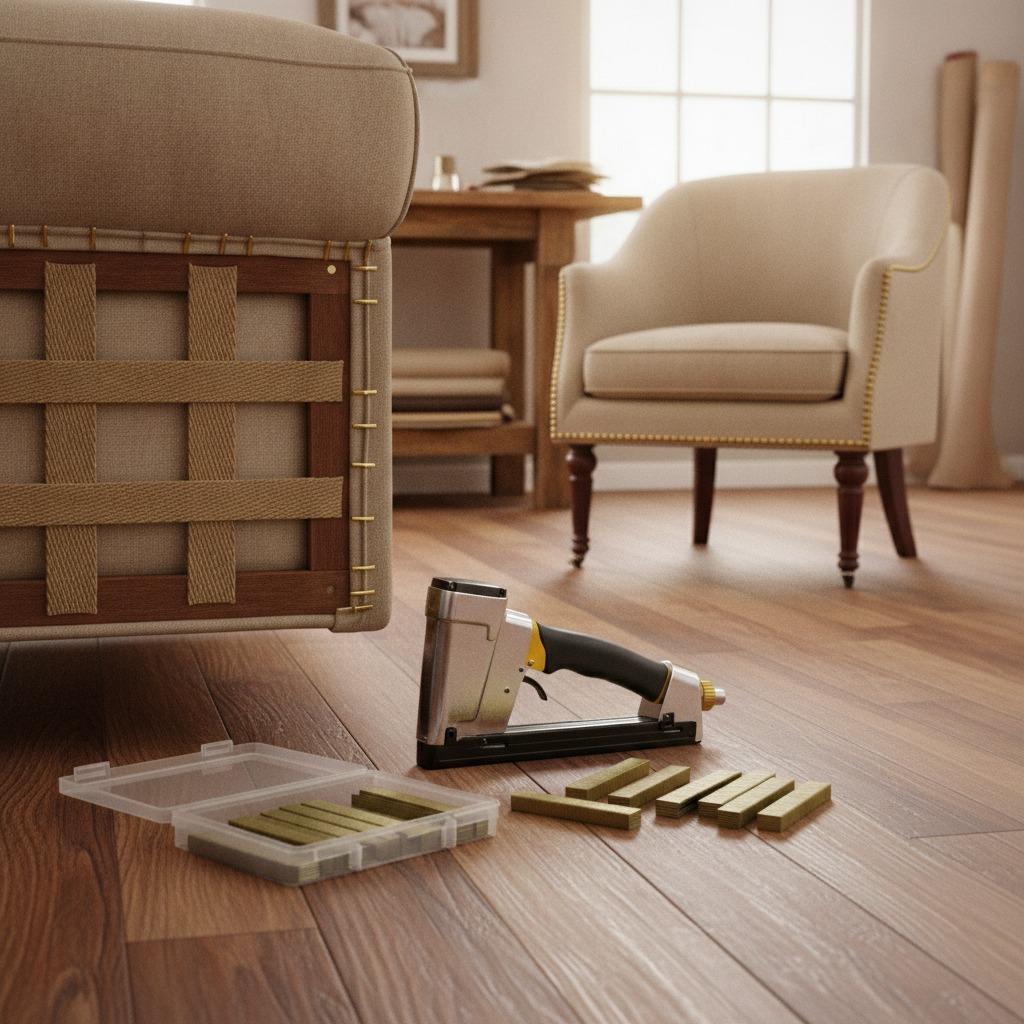
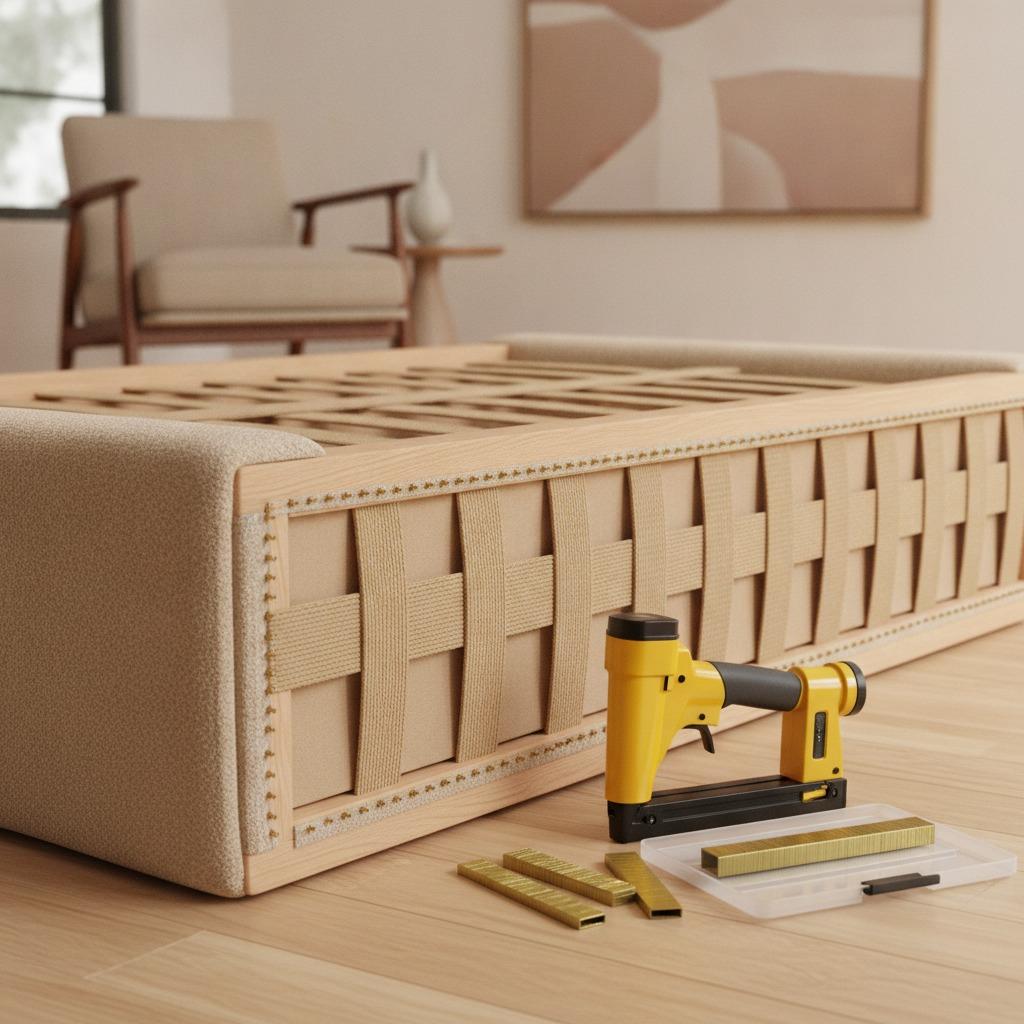
For buyers, the attraction of a strip-fed format is speed. Operators can keep the tool moving, especially in furniture production or repair jobs where dozens or hundreds of fastenings are needed in a day. A clear plastic storage case holding staple strips is a small detail, but in shop reality it helps with storage, handling, and line-side organization.
What to check before choosing a supplier
A good 14 gauge staples supplier should be able to speak plainly about compatibility and strip formation. Even when the staples look similar on paper, small differences in wire thickness, leg length, or coating can change performance in a pneumatic gun. The safest purchasing approach is to confirm the exact staple series the tool is designed to accept, then compare samples under actual production conditions rather than relying on a catalogue photo.
For upholstery and furniture teams, a few checks are worth insisting on:
Feed consistency
The staple strips should sit neatly in the magazine and advance smoothly through the feed track. If the strip binds or breaks apart too easily, downtime follows.
Finish and coating
The visible gold-colored staples in the product image suggest a coated or plated finish. That may help with corrosion resistance or handling, but the exact finish should always be confirmed. Do not assume appearance alone tells the whole story.
Compatibility with the tool
A pneumatic stapler with an elongated magazine and contact tip is built for repeat work, but it still depends on the right staple strip geometry. Matching the consumable to the tool is the first line of quality control.
How a pneumatic staples manufacturer fits into the buying decision
Some buyers search for a pneumatic staples manufacturer because they need a broader fastening solution, not just a box of staples. In that case, the manufacturer may be supplying the tool, the staple strips, or both. That distinction matters. Tool suppliers usually focus on ergonomics, feed performance, and serviceability. Staple manufacturers focus on wire consistency, strip integrity, and the way the fastener behaves in material. A good buying program keeps both sides aligned.
The pistol-grip form factor shown in the product information suggests a tool designed for repetitive use. Black, silver, and yellow housings are common in workshop tools because they make the control surfaces clear and help operators distinguish the magazine, trigger, and nose area quickly. It is not glamorous, but in production work that practical visibility helps.
Common sourcing mistakes
The most common mistake is buying by description alone. Another is assuming all strip staples in a family are interchangeable. In reality, the crown width, leg length, and strip configuration can decide whether a magazine feeds cleanly or not. A second mistake is overlooking the application. Upholstery fastening is not the same as general trim work, and furniture repair is not the same as new production on a line.
There is also a quiet trap on the operations side: buying staples that technically fit, but do not land as cleanly in the substrate. The tool may still fire, yet the result can be inconsistent depth or visible surface marks. That is the sort of problem that shows up after the purchase order is already approved.
Practical buyer advice
If you are comparing suppliers, ask for sample strips and test them in the same pneumatic stapler used on the shop floor. Check feeding, seating, and the appearance of the finished staple line. If the project involves sofa repair or upholstery, inspect how the fastener behaves in fabric-backed frames and around edges where material tension changes.
For procurement teams, it helps to standardize around one or two verified staple specifications instead of stocking too many near-duplicates. That reduces confusion in the magazine, lowers the chance of mix-ups at the workbench, and makes reordering simpler.
Quick FAQ
Are all 14 series staples the same?
No. Similar names do not guarantee the same strip geometry, coating, or performance.
Can one staple strip work in every pneumatic stapler?
Not safely. Tool compatibility should be verified before purchasing in volume.
What is the biggest benefit of buying from a reliable manufacturer?
Consistency. In fastening work, consistency saves more time than most buyers expect.
Next step for sourcing teams
If your production or repair work depends on upholstery fastening, start with a sample test rather than a full order. Confirm tool compatibility, check strip feeding, and compare the finished result on actual frame material. A dependable supplier is the one that helps your stapler behave the same way on Monday morning as it did during the demo.