
Choosing an air staple pins manufacturer is really a compatibility decision
If you are sourcing from an air staple pins manufacturer, the first question is not usually price. It is whether the staple strip will feed cleanly, drive consistently, and close properly in the equipment your line already uses. That matters because a minor mismatch in crown width, leg length, wire hardness, or strip collation can stop a packing station, jam a pneumatic stapler, or leave a weak closure that gets rejected downstream.
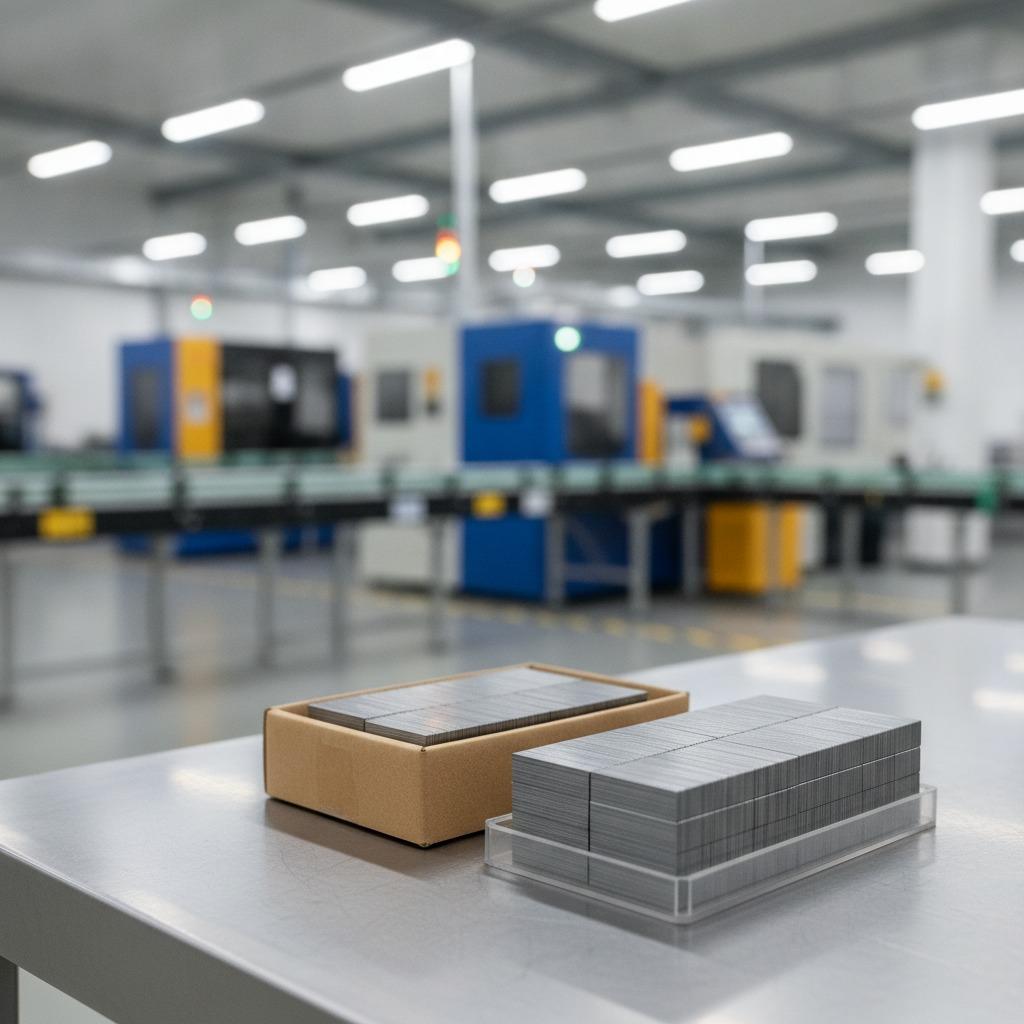
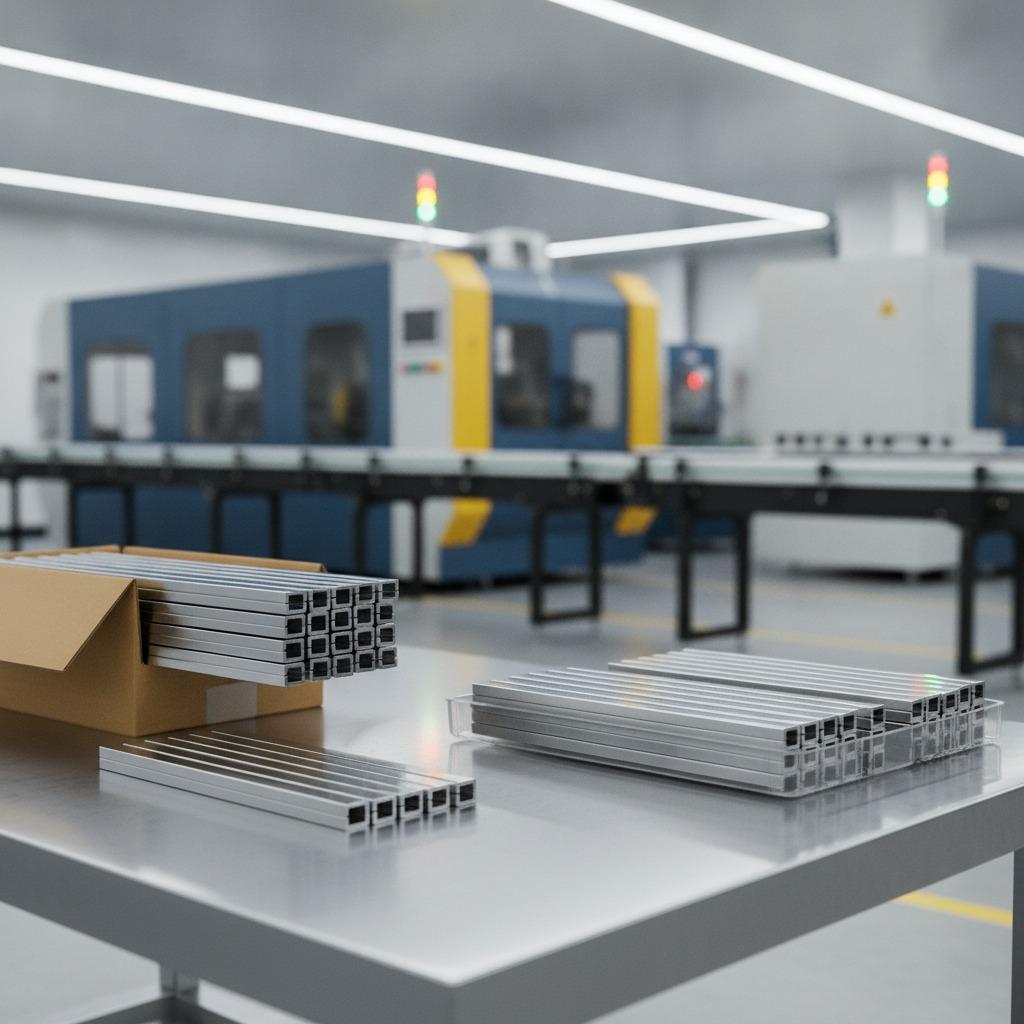
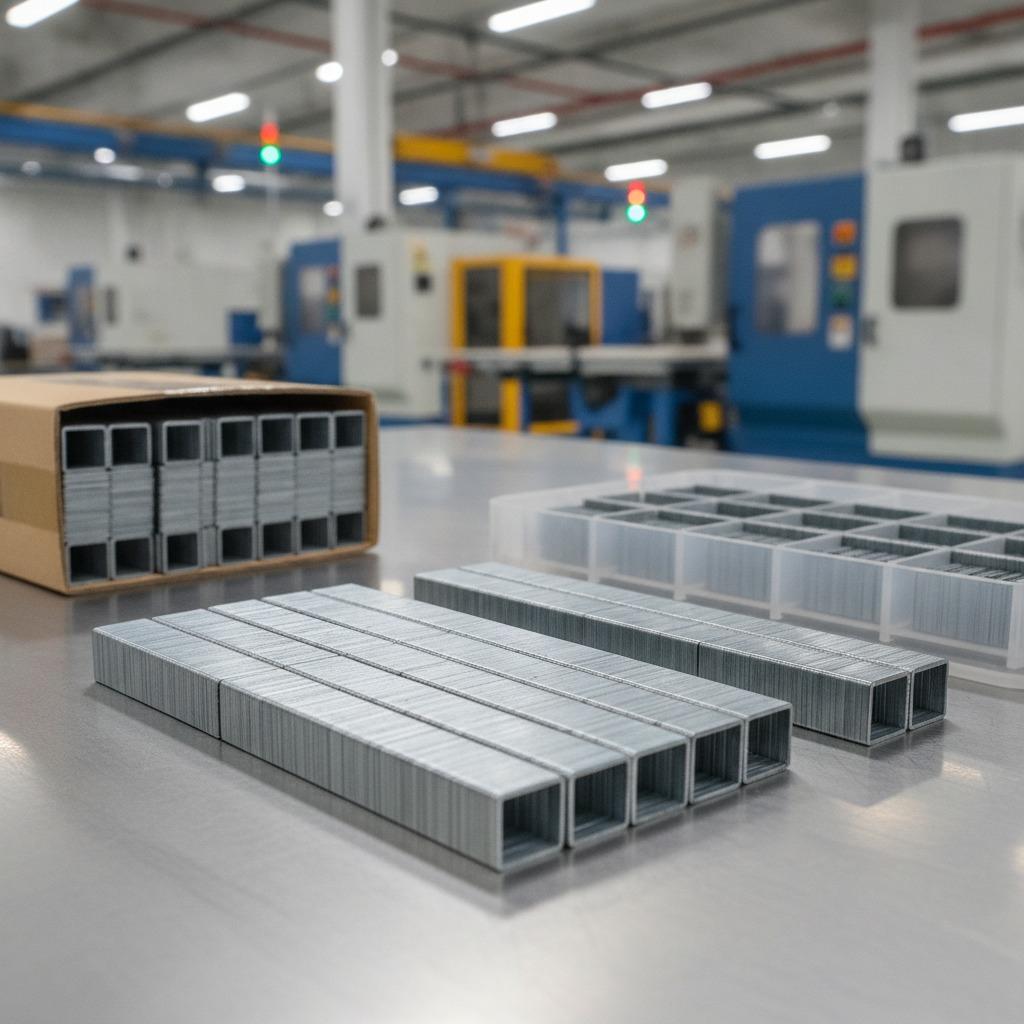
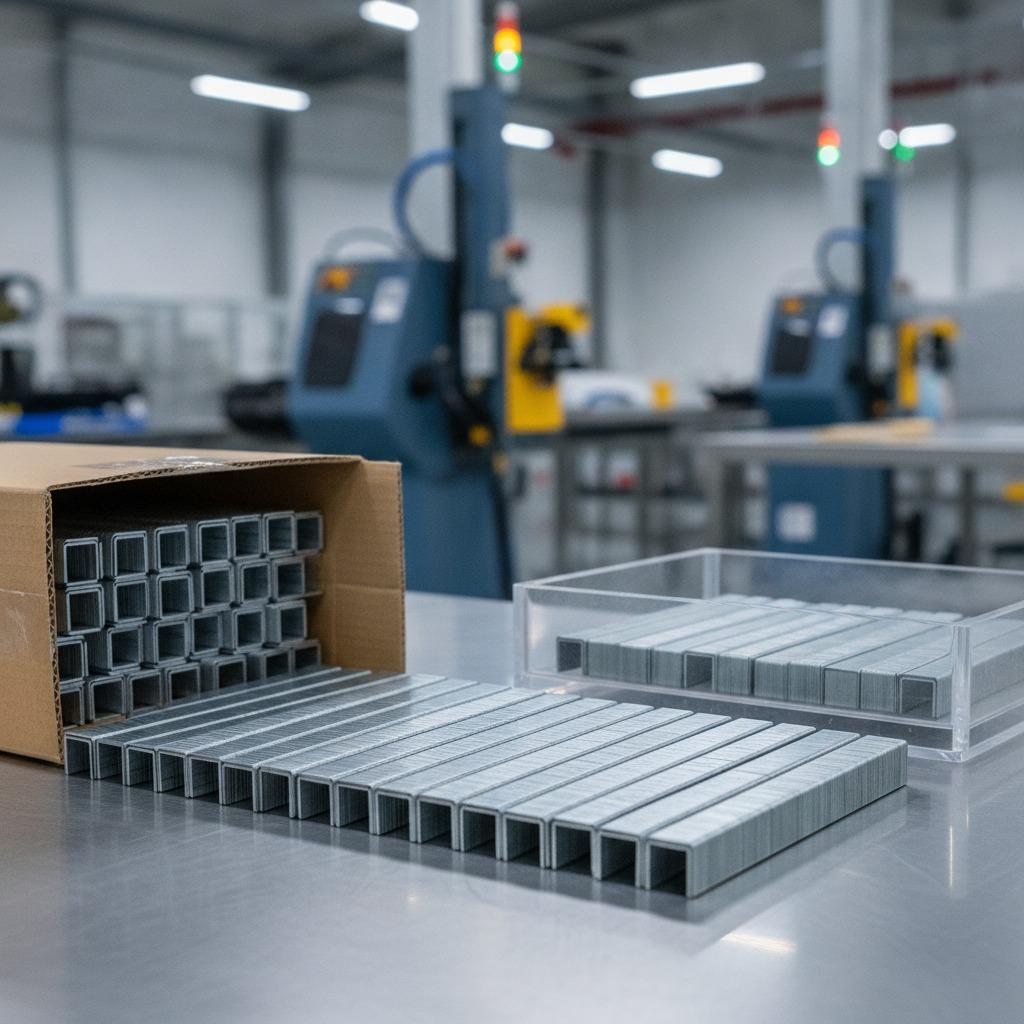
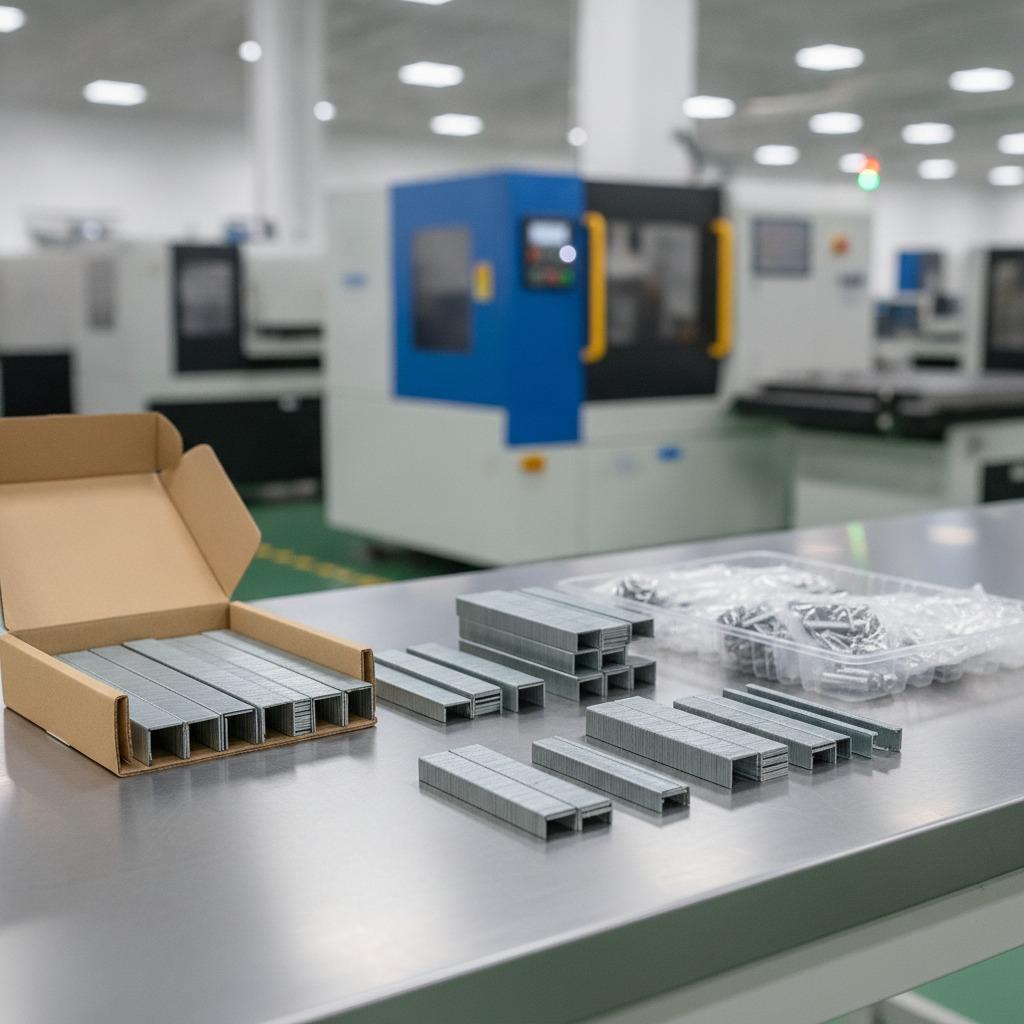
In practice, buyers are often comparing industrial staple pins that look similar at a glance but behave very differently once they enter a stapling head. The visible product here suggests uniform, machine-made metal staples supplied in bulk bundles, the kind used in packaging, upholstery, woodworking, and factory fastening operations. Those are straightforward consumables, but the sourcing decision is still technical.
What the product tells you at a glance
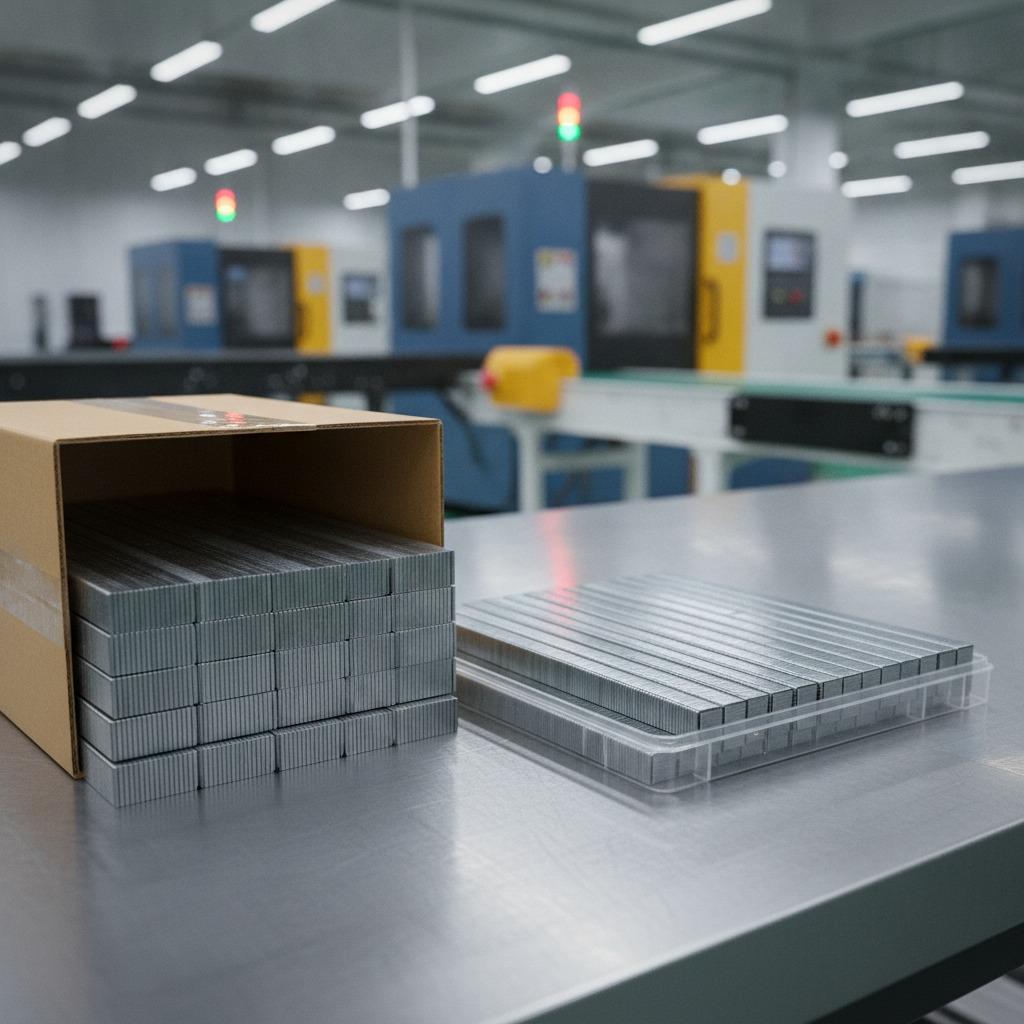
These staples appear to be silver-colored metal U-shaped fasteners, likely made from steel wire and formed into strips for pneumatic feeding. The bundles are organized for storage and transport, which is a small detail, but a useful one for buyers running repetitive jobs. Organized packaging reduces handling damage and makes incoming inspection easier.
What can be seen clearly is consistency: straight legs, even spacing, and a uniform crown shape. What cannot be confirmed from the image is just as important: exact gauge, crown width, leg length, point type, coating, and corrosion performance. That means a sourcing team should treat the photo as a general product cue, not a technical spec sheet.
Comparison: what separates one supplier from another
At this level of the market, most suppliers can show you a staple. The better question is whether they can supply the right staple pins for air stapler applications without drifting on forming consistency. A decent comparison usually comes down to four things.
Dimensional consistency
Industrial staple pins need to match the magazine and driver geometry of the tool. Even small variation can cause feed issues. This is where a manufacturer’s forming control matters more than a glossy catalog image.
Material behavior
Steel wire is common, but wire hardness and surface finish influence how the staple drives and how it behaves when clinched. A smooth surface can help feeding. A coating may improve handling or corrosion resistance, though the exact finish here is not confirmed.
Packaging format
Bulk supply is convenient for factories, but only if the bundles remain aligned and protected. Loose or damaged strips create avoidable waste. For high-volume users, packaging is not a cosmetic issue; it is part of process reliability.
Supply consistency
For consumables, the real test is whether the next shipment behaves like the last one. That matters more than a one-time sample that looks perfect on the bench.
Why these staples are used across so many operations
Staple strips are attractive because they are fast, compact, and relatively easy to automate. In packaging, they help close cartons and secure materials in a way that supports speed on the line. In upholstery and furniture work, staple pins provide a mechanical hold that is hard to beat for simple attachment jobs. In woodworking and assembly, they are often chosen where operators need quick fastening with minimal setup.
The buying logic is the same across sectors: low-cost consumables, high-frequency use, and very little tolerance for jams. That is why a reliable air staple pins manufacturer can matter more than some buyers expect.
Buyer checks before placing an order
Ask for the staple strip type, feed format, and intended application range. Do not assume all industrial staple pins are interchangeable. A strip that works in one pneumatic stapler may not suit another, even if the staples look nearly identical.
Request clear information on size, wire grade, coating, and packaging count. If the seller cannot confirm those basics, that is a warning sign. For factory use, you also want to know how the staples are packed against bending and whether the strips stay aligned during transport.
A practical aside: if your team is switching suppliers, test the staples on the actual production tool, not just a handheld demo unit. Hand tests can be misleading. Tool speed, magazine fit, and real-line cycle conditions reveal problems quickly.
Common mistakes in sourcing staple pins
The most common mistake is buying on appearance alone. A bright, clean finish does not guarantee feed reliability. Another frequent issue is ignoring the end application. Staples for cartons, upholstery, and general industrial fastening may share the same family look, but they are not automatically equivalent.
Buyers also sometimes overfocus on unit price and underfocus on scrap, stoppages, and rework. A slightly cheaper staple that jams twice a shift is rarely cheap in the end.
When to ask for samples or technical confirmation
If you are sourcing for an established production line, sample testing is worth the time. Ask the supplier for the exact staple pins intended for your air stapler or stapling system, then run them under normal operating conditions. If the application is packaging or repetitive factory fastening, consistency across multiple strips matters as much as the first strip.
When specifications are unclear, a cautious buyer will ask for dimensional confirmation rather than guess. That is especially sensible with industrial staple pins, because the wrong match may not fail immediately; it may simply create intermittent problems that are harder to trace.
FAQ for sourcing teams
Are all staple pins for air staplers the same?
No. Strip format, dimensions, wire behavior, and tool compatibility can differ in ways that are not obvious from the outside.
What should I look for in a bulk shipment?
Uniform strip shape, clean packaging, minimal deformation, and clear product identification are good basic checks.
Can I judge quality from a photo?
Only partially. A photo can show uniformity and packaging, but not the full technical fit or driving performance.
What a practical next step looks like
If you are evaluating an air staple pins manufacturer, start with fit, then move to consistency, then packaging. That order is more useful than chasing a long specification list that may not even apply to your line. The right supplier should be able to identify the staple format, explain the material and finishing approach in plain language, and support sample testing before any bulk commitment.
For engineers and sourcing managers alike, the real goal is simple: reduce jams, protect throughput, and keep the fastening step boring. In manufacturing, boring is usually a compliment.