
When buyers start comparing galvanized staples wholesale options, the real question is not just price
For most sourcing teams, galvanized staples wholesale decisions come down to a familiar tradeoff: keep the fastener cost under control, or risk interruptions from poor feeding, inconsistent clinching, and packaging rework. That sounds simple until the staples start going into real equipment on a real line. A batch that looks fine in the carton can still cause trouble if the strip is uneven, the packaging is weak, or the finish does not suit the job.
That is why galvanized staples wholesale purchasing deserves a closer look than a quick unit-price comparison. The buyer is not only choosing a consumable. They are deciding whether a fastening supply will run cleanly through stapling equipment, stay organized in storage, and arrive in the quantity needed for office, print, or packaging operations. For sourcing managers and product teams, that is the practical problem the category solves.
What the product picture suggests, and what it does not
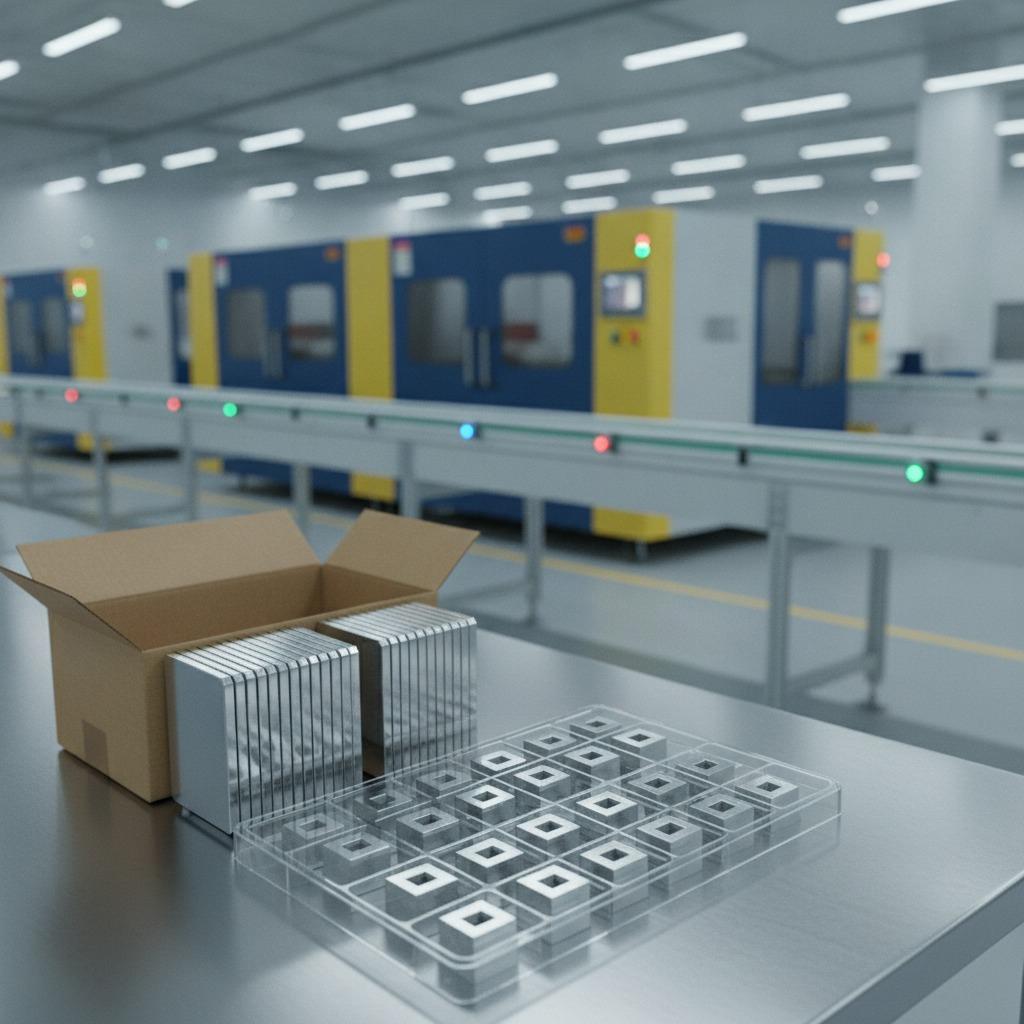
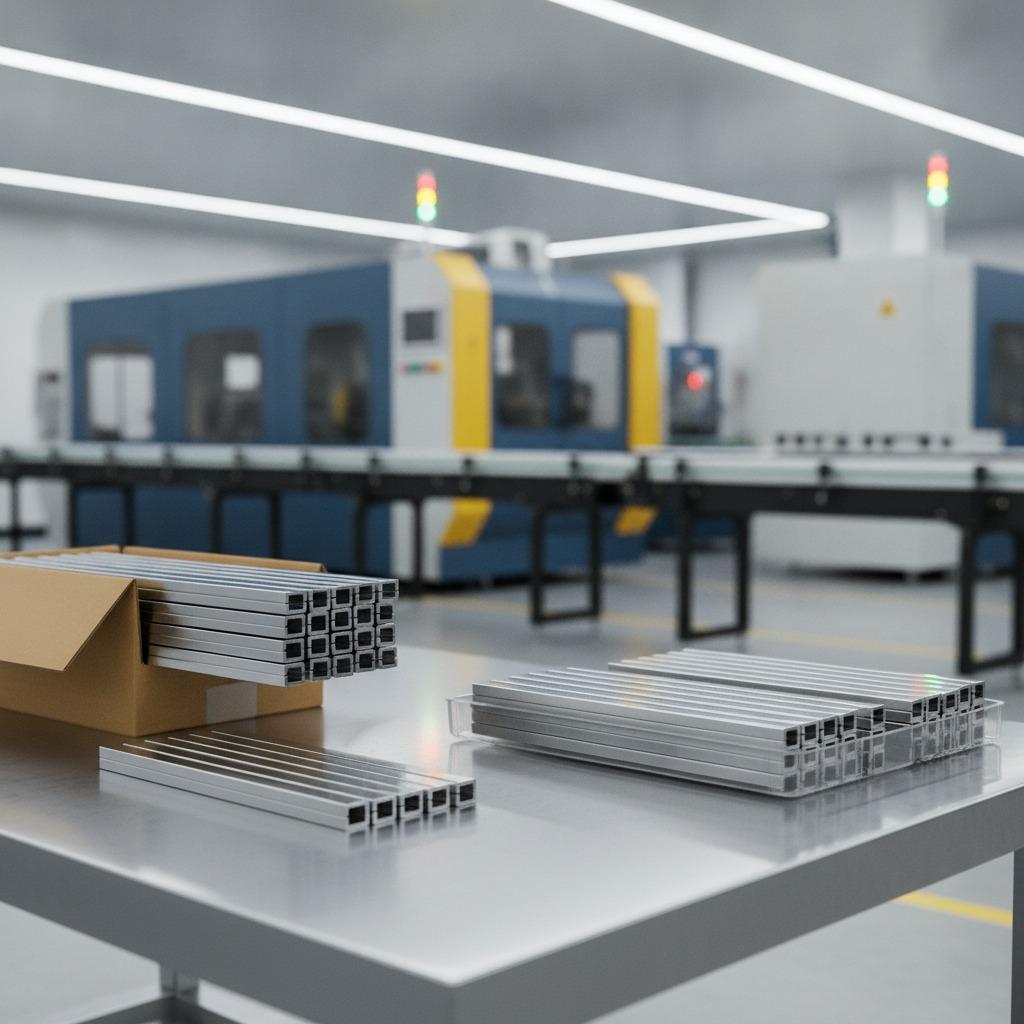
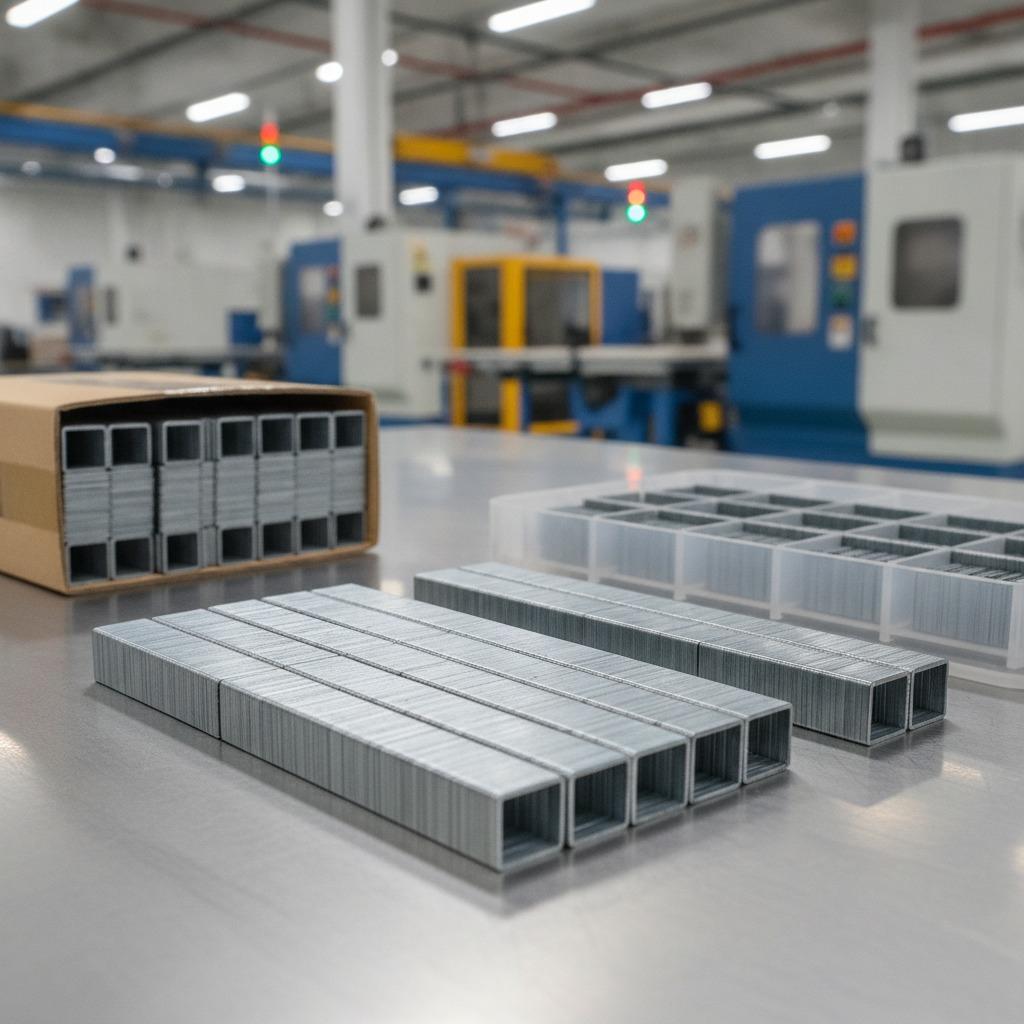
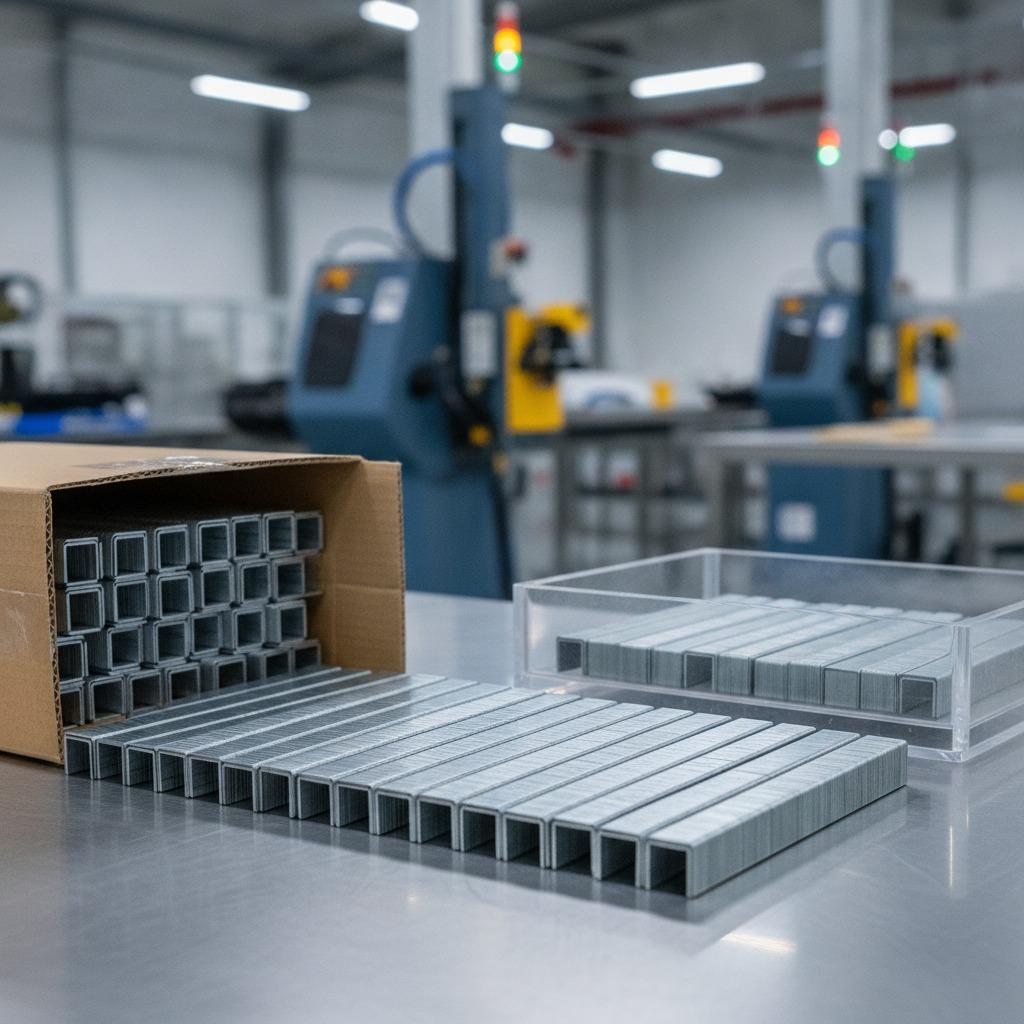
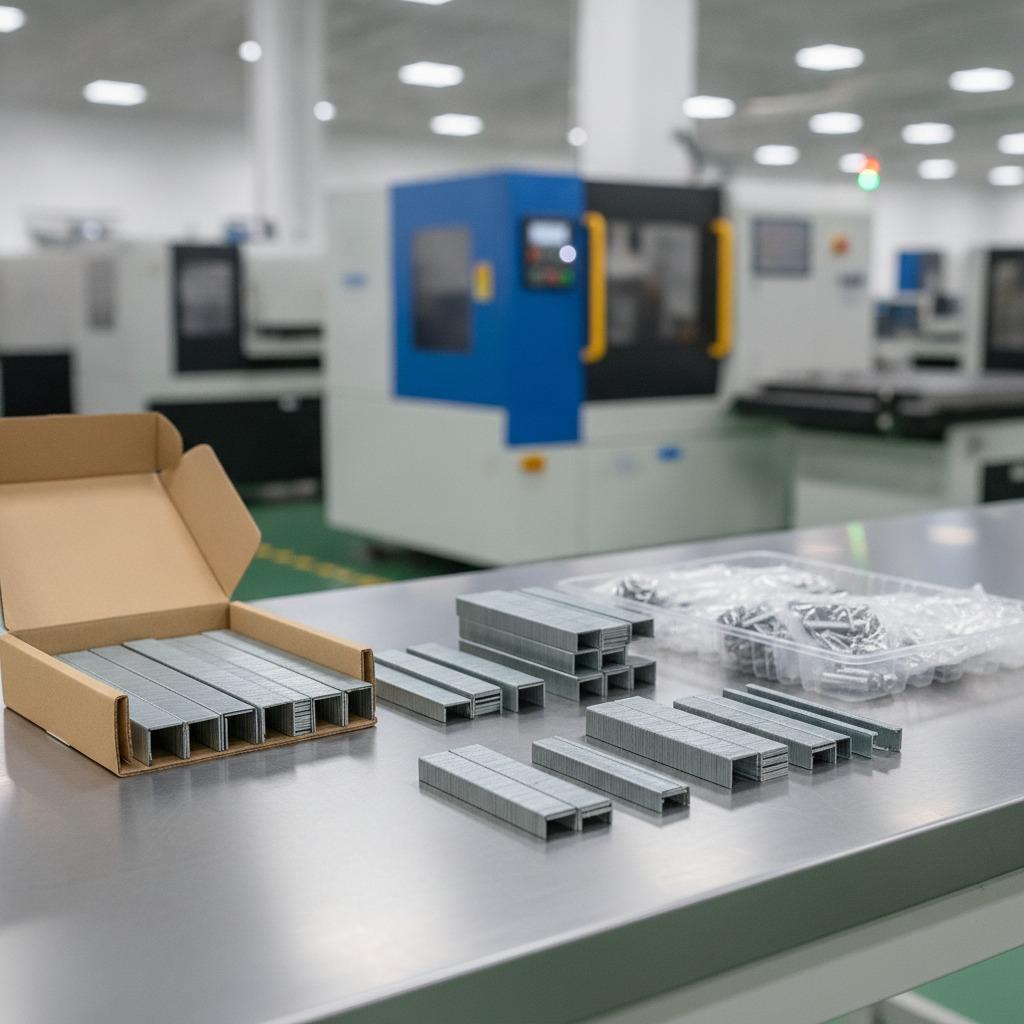
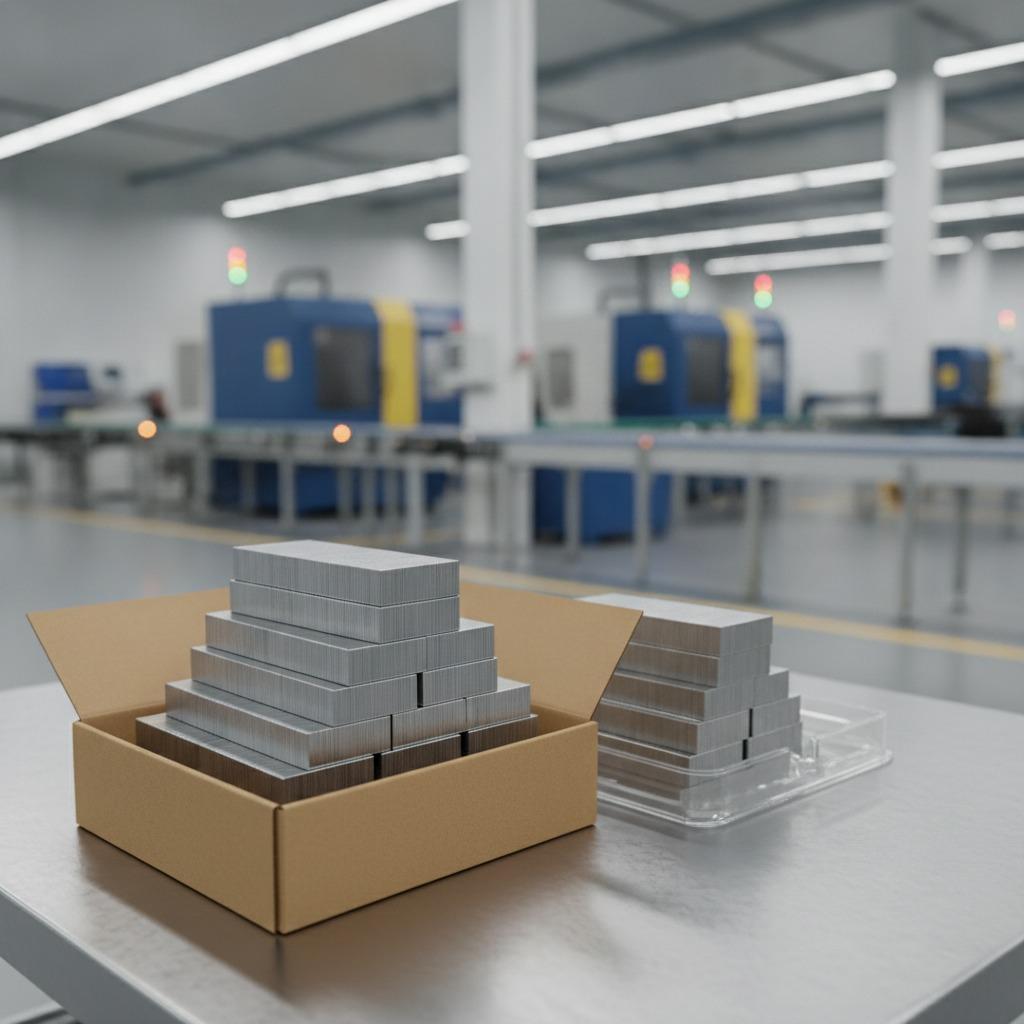
Based on the provided product information, the items appear to be stacks of metal staples or staple-like fasteners arranged in uniform rows, packed in a cardboard shipping box and a clear plastic tray. The visible finish is silver-gray and lightly reflective, with a consistent shape that suggests collated staples or staple sticks prepared for machine loading.
That is useful information, but only up to a point. The exact staple size, leg length, crown width, wire gauge, coating, alloy, and compatibility with specific staplers are not visible. Buyers should be careful not to assume that all wholesale galvanized staples are interchangeable. In practice, the difference between smooth feeding and downtime can come down to a detail that is hard to verify from a product photo alone.
Why galvanized finish matters in day-to-day use
Galvanized staples are generally chosen when a buyer wants a metal fastener with added resistance to corrosion compared with untreated steel. In plain terms, that can help when inventory sits in storage, when cartons move through humid environments, or when the finished pack may be handled before final use. The term galvanized staples bulk often comes up in procurement because larger orders are usually intended for recurring operations rather than one-off office use.
Still, there is a practical caveat: “galvanized” is a broad description. It does not tell you enough about coating method, thickness, or whether the finish is appropriate for a particular machine and material. If the application is sensitive, ask the supplier for the exact specification instead of relying on the label alone.
Quick buyer comparison: what to look at first
If you are reviewing wholesale galvanized staples, start with a few basic questions:
1. Package format
The visible packaging shows both a carton and a clear tray. That usually matters in real warehouses because it affects handling, protection during shipment, and how easily operators can load the staples.
2. Uniformity
Staples should be consistent in size and alignment. Uneven collating can lead to jams or feeding issues, especially in higher-volume fastening operations.
3. Intended use
These may suit office supplies, print shops, carton closing, or general packaging lines, but the correct fit depends on the machine and the substrate being fastened.
4. Quantity per pack
Bulk purchasing only helps if the product arrives in a format your team can store and issue without damage or confusion.
Common sourcing mistakes with galvanized staples wholesale orders
The most common mistake is treating staples like a generic commodity. Buyers sometimes focus only on the lowest quote and discover later that the supply is not compatible with their stapling equipment. Another common issue is assuming that all galvanized finishes perform the same way. They do not.
A second pitfall is ignoring packaging quality. Staples are small, but if they arrive bent, scattered, or poorly protected, the line still pays for it. That may sound minor on paper; in a packing room, it is not.
Practical advice for engineering, sourcing, and product teams
Before issuing a purchase order, confirm the staple form factor your operation needs, the machine it must fit, and the storage conditions it will face. If you are buying galvanized staples bulk for a production or fulfillment environment, ask for dimensional data, coating details, and packaging counts. If those details are missing, slow down. A supplier can often clarify them, but a photo alone should not drive a production decision.
For teams evaluating wholesale galvanized staples for a broader fastener program, it also helps to sample the product in the actual machine rather than relying on catalog language. That is the fastest way to check feeding behavior and overall usability.
FAQ: short answers buyers usually want
Are these only for office staplers?
Not necessarily. The product information suggests use in stapling equipment for paper, cartons, labels, or lightweight packaging materials, but exact compatibility is not confirmed.
Can I assume the size from the photo?
No. Size, leg length, and wire gauge are not visible and should be verified separately.
Why buy in bulk?
Because recurring fastening work benefits from steady supply, consistent packaging, and fewer replenishment cycles.
Next step for buyers
If you are comparing galvanized staples wholesale sources, ask for the missing specification sheet before you compare quotes. That single step usually saves more time than hunting for the cheapest carton. The right order is not the one with the lowest number on the page; it is the one that runs reliably when the line starts moving.