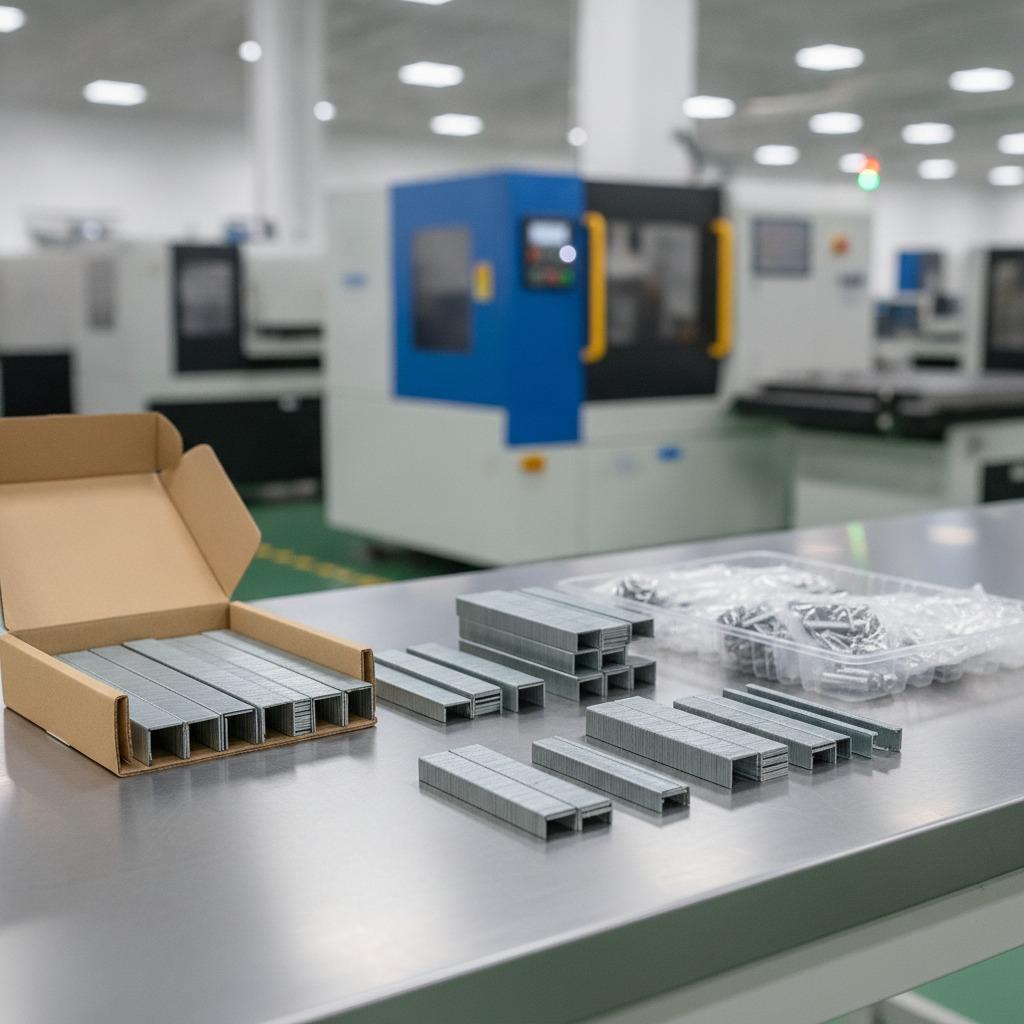

Why Buyers Still Care About a Reliable Coil Nails Wholesale Distributor
When crews are moving fast on framing, sheathing, decking, or packaging work, the supply chain behind the fastener matters as much as the tool in the operator’s hand. A coil nails wholesale distributor is not just a middle step between factory and jobsite. For many buyers, it is the difference between smooth production and a line stoppage caused by mismatched fasteners, short inventory, or inconsistent packout. That is especially true in wood applications, where the wrong nail style can jam a tool or underperform in the finished assembly.
If you are comparing suppliers, the real question is usually not “who sells nails?” It is “who can keep the right products flowing, in the right format, for the way we actually work?” That is where bulk coil nails and industrial coil nails come into the picture. They are built for high-volume fastening, and buyers tend to judge suppliers on consistency, compatibility, and how little troubleshooting they create on the floor.
Quick Takeaways for Sourcing Teams
- Coil nails are typically chosen for high-volume nailing where speed matters and reloads need to be minimized.
- Wholesale buying makes the most sense when consumption is steady, storage is available, and tool compatibility is already known.
- The supplier should be able to support the nail format your tools actually accept, not just offer a broad catalog.
- Quality problems often show up as feeding issues, drive inconsistency, or damage to work surfaces before they become obvious on paper.
What Makes Coil Nails Different in Practice
Coil nails are grouped in a rolled format so the magazine can hold a large count without making the tool unwieldy. That is why they are common in roofing, siding, pallet work, fencing, and some general carpentry applications. In the shop, they reduce interruptions. On a busy site, they can help keep one operator productive longer, which is often the whole point.
For buyers, the format matters because a coil-fed fastening system is only as dependable as the nails loaded into it. If the product dimensions, collation style, or finish are off, the operator feels it immediately. A good distributor understands that and helps keep supply aligned with the tool, the substrate, and the pace of work.
What to Compare Before You Place a Bulk Order
1. Tool compatibility
Start with the tools already in use. Coil nailers are not infinitely forgiving. Confirm the nail dimensions, collation angle or type, and whether the feed system prefers a specific strip or coil configuration. This sounds basic, but mismatches are still one of the most common buyer mistakes.
2. Application fit
Not every coil nail is meant for the same job. A fastener that works well for light woodworking may not be the right choice for outdoor assembly or heavier structural fastening. The material underneath matters too. Softwood, engineered wood, and mixed-material assemblies all behave differently when driven at production speed.
3. Finish and corrosion resistance
Buyers often focus on length first and finish second, then regret it later. Indoor shop assembly, packaging, and temporary fastening can tolerate one set of requirements. Outdoor or moisture-prone use is another matter. A coil nails wholesale distributor should be able to explain the practical difference between common finishes without overselling them.
4. Packaging and handling
Bulk ordering only helps if the packaging is workable in your environment. If the cartons crush easily, unload slowly, or are awkward to stage near the line, the cost advantage gets eroded by handling time. That is a dull detail, but it is a real one.
Where Industrial Coil Nails Usually Fit Best
Industrial coil nails are a strong fit when the buyer values throughput and repeatability over small-batch flexibility. Think framing crews, pallet and crate producers, fence and deck operations, and workshops that need a steady stream of fastening consumables. They also suit facilities that already understand their annual consumption and can store inventory safely.
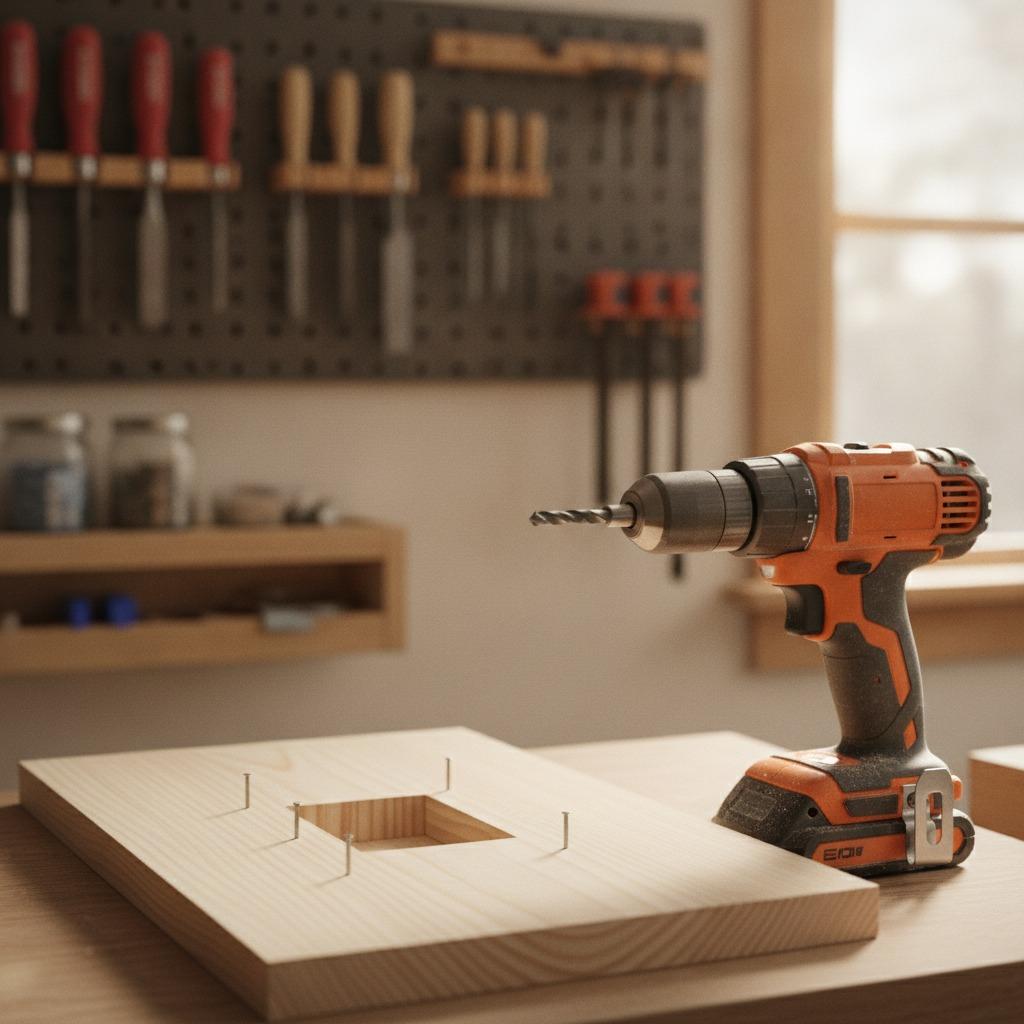
For teams doing woodworking assembly, there is a useful parallel with the compact handheld driver shown in the product information: the tool’s slim front housing, precision bit, and grip are built for controlled fastening into wood. That same mindset applies to coil nails. The better the match between tool, fastener, and board material, the less time gets wasted correcting misdrives or clearing jams.
Common Buyer Mistakes
- Buying only on price and ignoring feed compatibility.
- Ordering one size for several applications and expecting it to behave the same everywhere.
- Overlooking storage conditions for large quantities.
- Assuming every supplier understands the difference between workshop use and industrial production demand.
A practical warning: if a distributor cannot speak clearly about the nail format, application, and packaging, that is usually a sign to keep looking. Fasteners are not glamorous, but they are unforgiving when they are wrong.
Questions to Ask a Distributor
- Which tool types and nail formats does this product line support?
- What are the typical applications for the product you are quoting?
- Can you supply bulk coil nails consistently enough for scheduled production?
- How are cartons packed, labeled, and shipped for warehouse handling?
- What should we verify before switching from our current fastener?
Bottom Line for Engineers and Purchasing Managers
The best coil nails wholesale distributor is the one that reduces risk in your fastening process. That means dependable product availability, compatible formats, and enough application knowledge to keep the line moving. For engineers, it protects assembly quality. For sourcing managers, it supports continuity. For product teams, it keeps the finished goods more predictable than a bargain-bin purchase ever will.
If you are reviewing suppliers now, build the comparison around your tool fleet, wood substrate, and annual volume first. Then ask for product details that match those realities. That is usually where the right distributor reveals itself.
Next Step
Shortlist suppliers that can support your nail format, packout preference, and production pace, then test a small order in the actual work environment before committing to volume. In fastener buying, a controlled trial says more than a glossy catalog.