
How to Choose a Coil Nails Manufacturer for Pneumatic Fastening
Choosing a coil nails manufacturer is not simply a matter of comparing carton prices. The nail must match the pneumatic tool, the substrate, the application, and the buyer’s supply requirements. A mismatch in nail diameter, length, collation, or coating can lead to misfeeds, surface damage, weak joints, and avoidable downtime. This guide helps contractors, sourcing managers, pallet producers, woodworking shops, and distributors evaluate a manufacturer before placing a trial or wholesale order.
Start with the Fastening System, Not the Carton
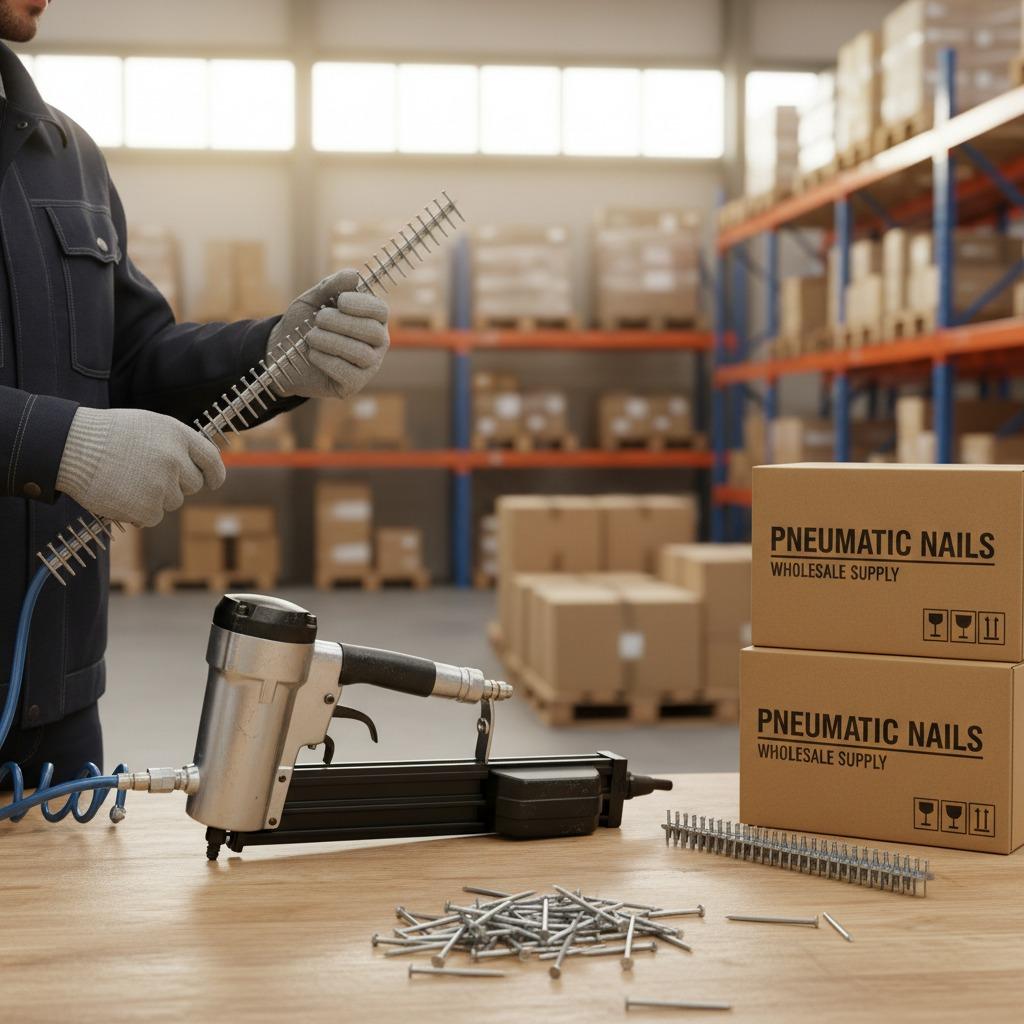
The product information points to a pneumatic nailer connected to a blue coiled air hose, with a long magazine designed for collated fasteners. That configuration is consistent with industrial or construction fastening, but the exact tool class cannot be confirmed from the available information. It may be intended for framing, siding, pallet work, or another application-specific use.
That distinction matters. A nail that feeds correctly in one magazine may not be suitable for another. Before asking for a quotation, record the nailer model, magazine type, compatible nail dimensions, collation angle, firing mode, and the manufacturer’s operating requirements. If the tool manual is unavailable, photograph the magazine, nose assembly, and existing fastener packaging. A supplier should be able to review those details rather than guess.
Quick Buyer Comparison
| Buyer question | Why it matters | What to request |
|---|---|---|
| Will the nails feed in the tool? | Incorrect dimensions or collation can cause jams and misfires. | Compatibility confirmation against the nailer model and magazine. |
| What material and finish are used? | Steel grade and coating influence handling and exposure suitability. | Material description, coating type, and available finish options. |
| Is the product intended for a specific job? | Roofing, framing, pallet, and general workshop fastening have different demands. | Recommended applications and limitations. |
| Can the supplier support wholesale supply? | Packaging consistency and repeatability affect distribution and production planning. | Pack quantities, labeling, inspection process, and reorder procedure. |
Understand the Nail Construction
Collated pneumatic nails are commonly produced from wire that is drawn to size, cut into individual lengths, formed with a head, pointed, and then collated into strips or coils. Surface treatment may be added depending on the intended environment. These are general industry processes; the exact production route, steel grade, and coating for the pictured fasteners are not specified.
Ask the manufacturer to identify the shank profile, head style, point geometry, and coating. A smooth shank may be appropriate for some general fastening tasks, while ring or screw-style profiles can provide different withdrawal characteristics. Do not assume that a visually similar nail has the same holding performance. For roofing coil nails, corrosion considerations and the roofing system itself deserve particular attention. The fastener must be evaluated as part of the roof assembly, not as an isolated commodity.
Match the Product to the Application
Roofing and exterior work
Buyers sourcing roofing coil nails should confirm the required nail length, head dimensions, shank design, and corrosion-resistant finish with the roofing system supplier or tool manufacturer. Exposure, substrate, and local installation requirements can affect the selection. A supplier’s general statement that a nail is suitable for outdoor use is not a substitute for application-specific documentation.
Framing, pallets, and crates
Framing coil nails and similar bulk fasteners are often selected for speed and magazine capacity in repetitive work. Contractors and pallet manufacturers should focus on reliable feeding, consistent collation, suitable penetration, and the joint’s holding requirements. For pallet and crate production, packaging discipline is also important: damaged strips, loose nails, or inconsistent counts create production interruptions that may cost more than a small unit-price difference.
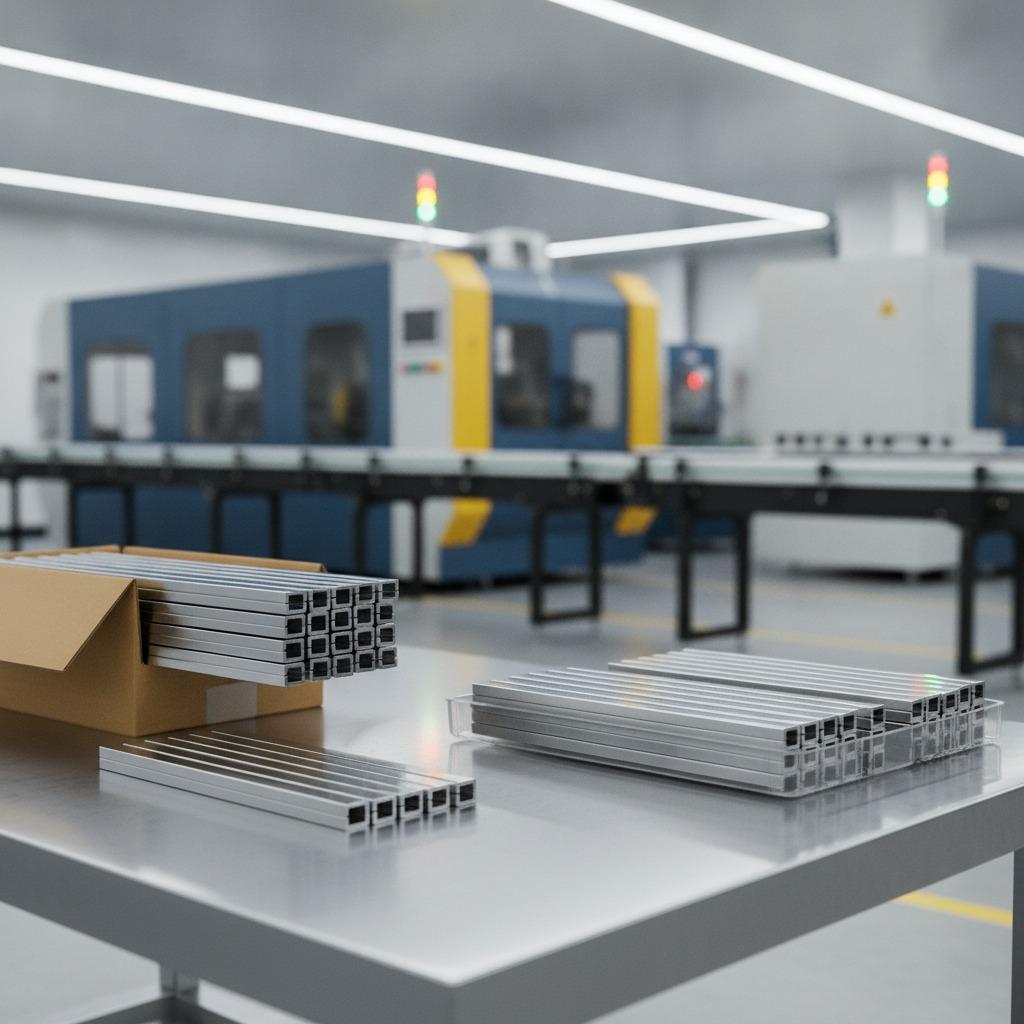
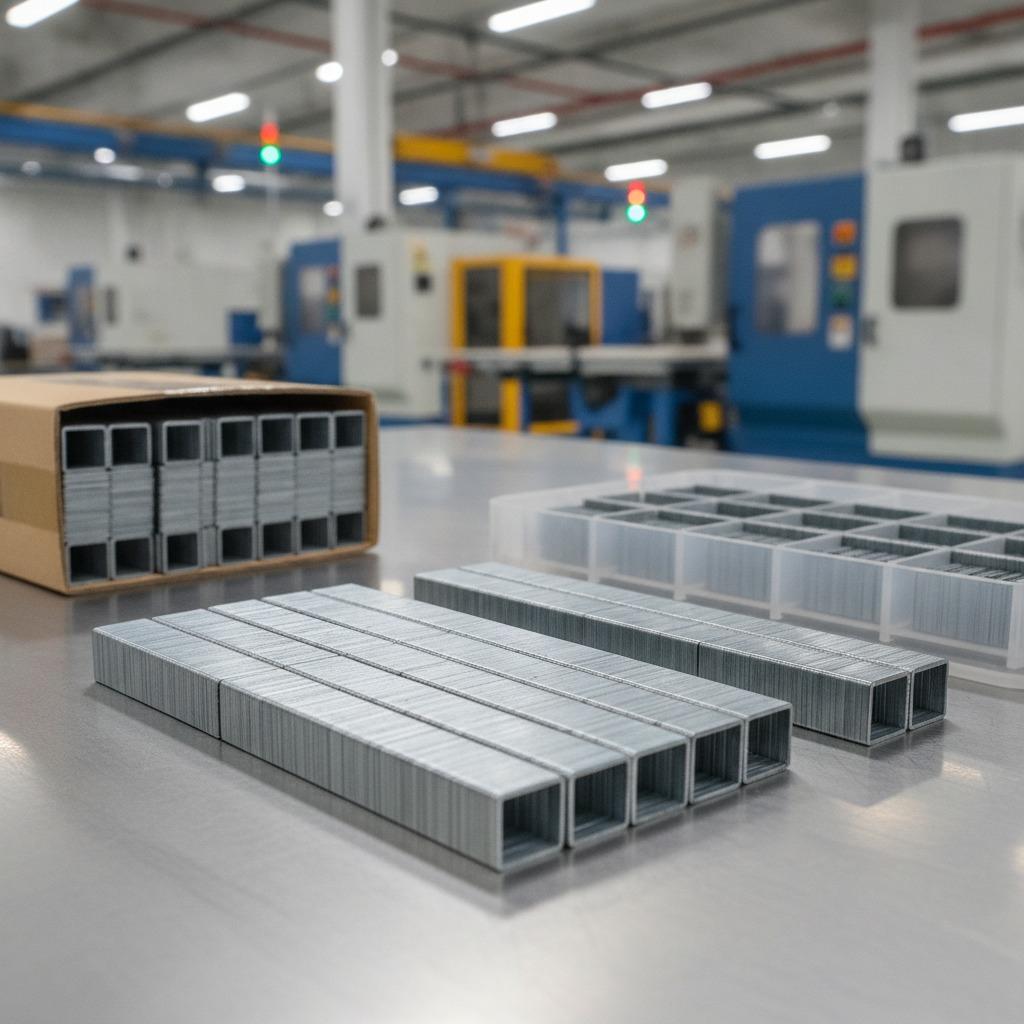
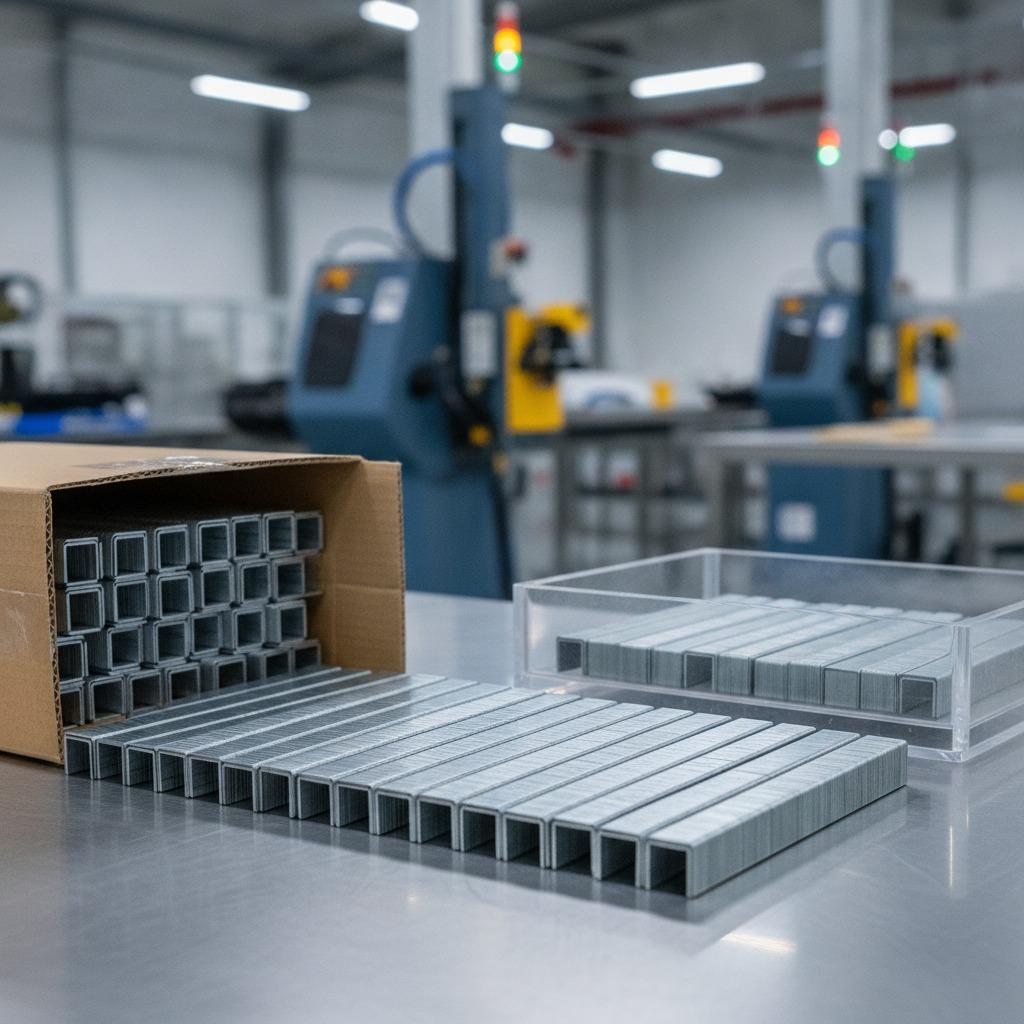
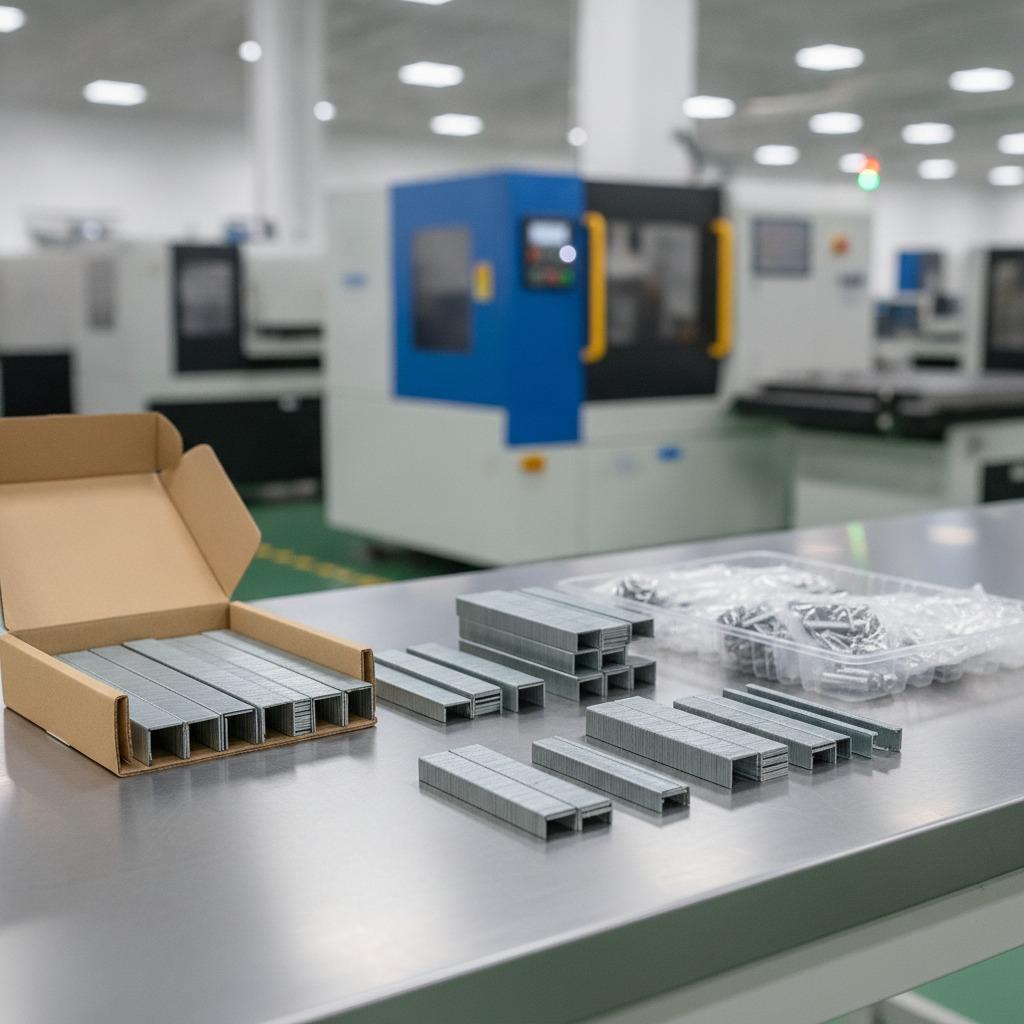
The pictured materials include loose fasteners, bundled or collated strips, and cartons labeled PNEUMATIC NAILS and WHOLESALE SUPPLY. That suggests a bulk-oriented supply model, but it does not confirm the nail dimensions, pack quantity, compatibility with the pictured nailer, or wholesale terms.
Evaluate the Manufacturer Before Ordering
A credible supplier should answer technical questions clearly and provide samples for a controlled trial. Request a product drawing or specification sheet showing nail length, diameter, head style, shank profile, point type, collation format, and finish. Ask how the supplier checks wire diameter, head formation, point quality, strip alignment, and carton count. These questions are more useful than a broad claim about premium quality.
For the nailer itself, confirm the air inlet, magazine configuration, trigger and contact mechanism, and the compatible fastener range. The visible tool has a silver metallic housing, black handle, elongated magazine, rear air inlet, and hose connection. Its exact operating pressure, air consumption, capacity, firing rate, weight, and safety features are not available, so they should be verified from the model documentation before purchasing nails in volume.
Common Purchasing Mistakes
- Ordering by application name alone, such as framing or roofing, without checking tool compatibility.
- Assuming all steel nails have the same corrosion resistance or mechanical behavior.
- Skipping a sample run with the actual nailer, air setup, wood species, or production material.
- Comparing price without including jam rates, damaged workpieces, packaging losses, and line stoppages.
- Failing to define carton labels, pack counts, pallet configuration, and repeat-order identification.
Practical RFQ Checklist
Send the supplier a concise request containing the tool model, application, substrate, required nail dimensions, estimated order volume, preferred packaging, and destination market. Ask for samples, compatibility confirmation, material and finish details, available customization, inspection information, and current commercial terms. If the manufacturer cannot confirm an item, treat that as an open technical question rather than filling the gap with assumptions.
FAQ
Can the nails shown be assumed to fit the pictured nailer?
No. The image shows a pneumatic nailer and collated fasteners, but it does not verify that the loose or bundled nails are compatible with the tool.
Are coil nails suitable for every construction task?
No. Nail dimensions, collation, shank design, coating, and tool requirements vary by application. Select the fastener and nailer as a matched system.
What should a sourcing manager do next?
Collect the nailer identification and existing fastener details, then request a technical datasheet and sample from the coil nails manufacturer. Run the sample under normal production conditions before approving a larger order.
For a product review or sourcing discussion, prepare photographs of the nailer, magazine, fastener packaging, and intended workpiece. That information gives a supplier a practical basis for recommending a compatible pneumatic nail supply without relying on guesswork.