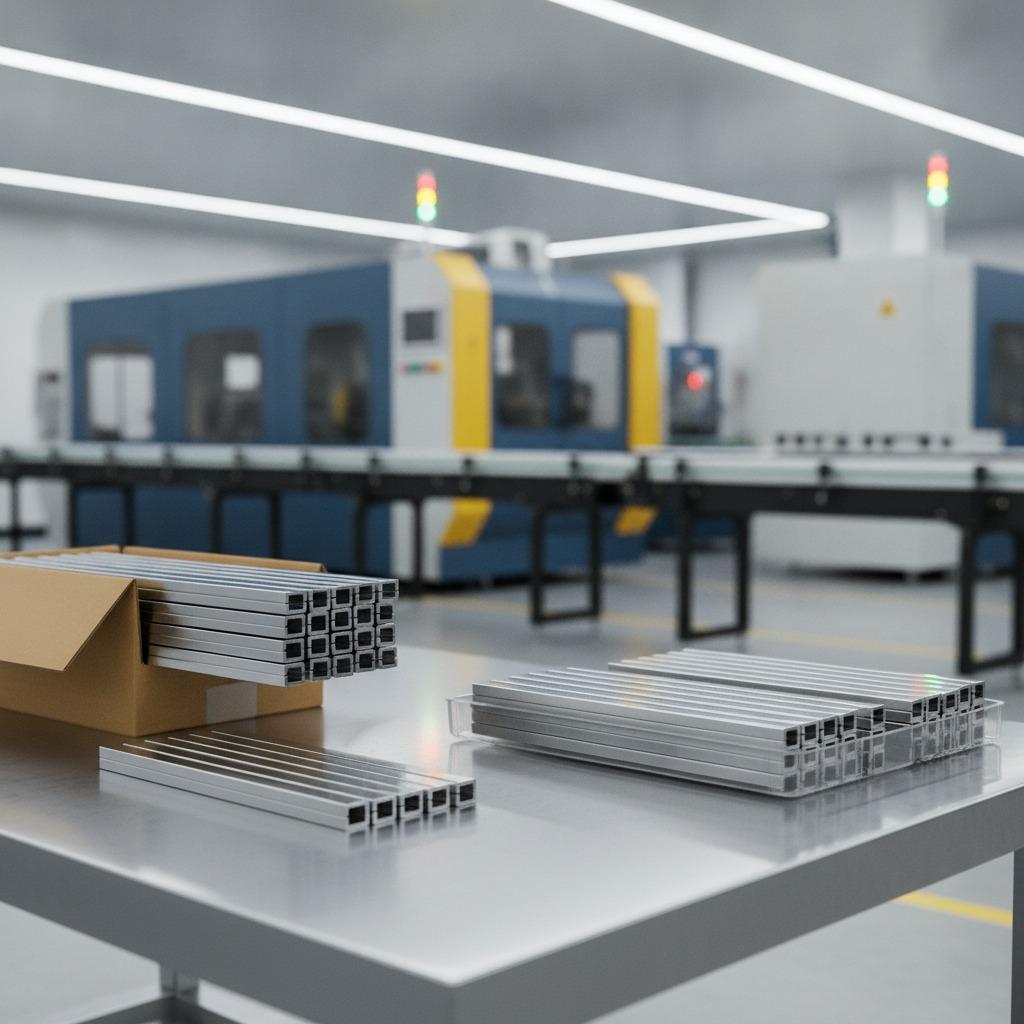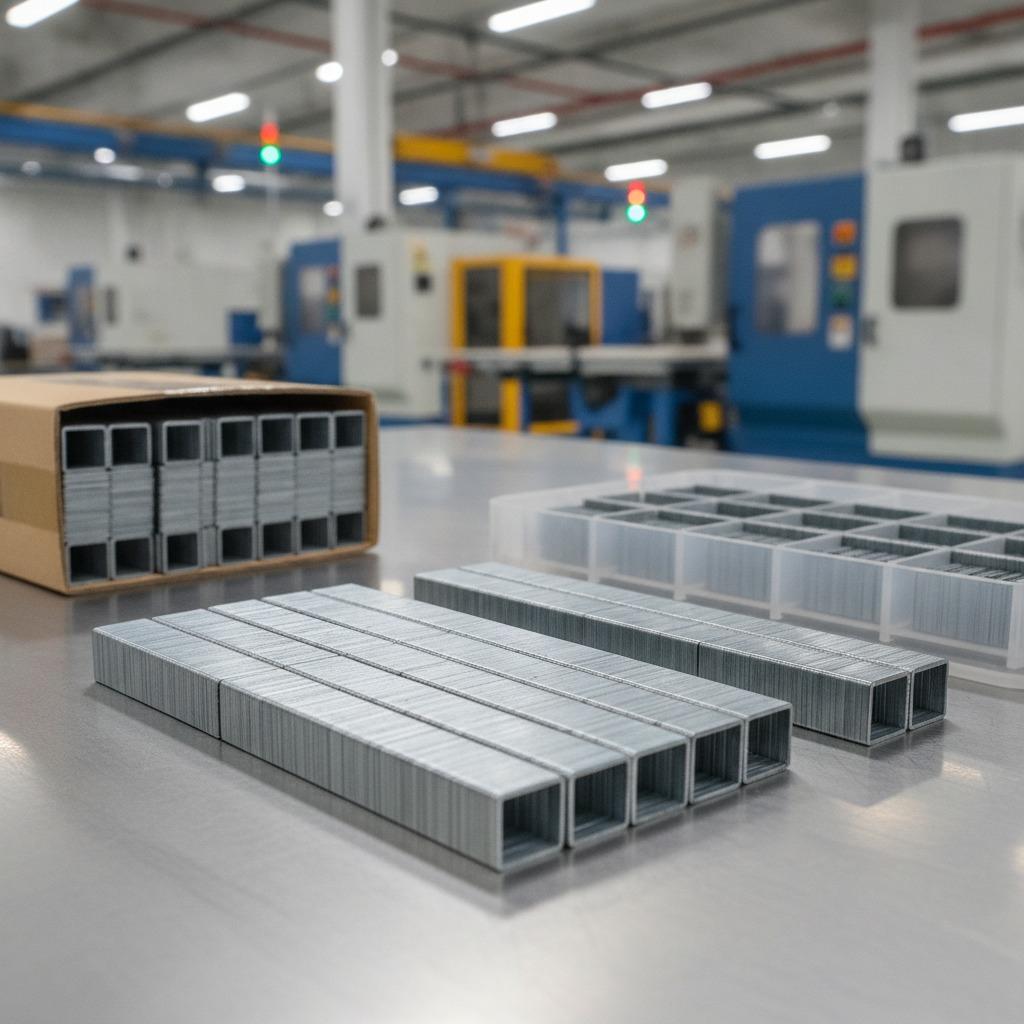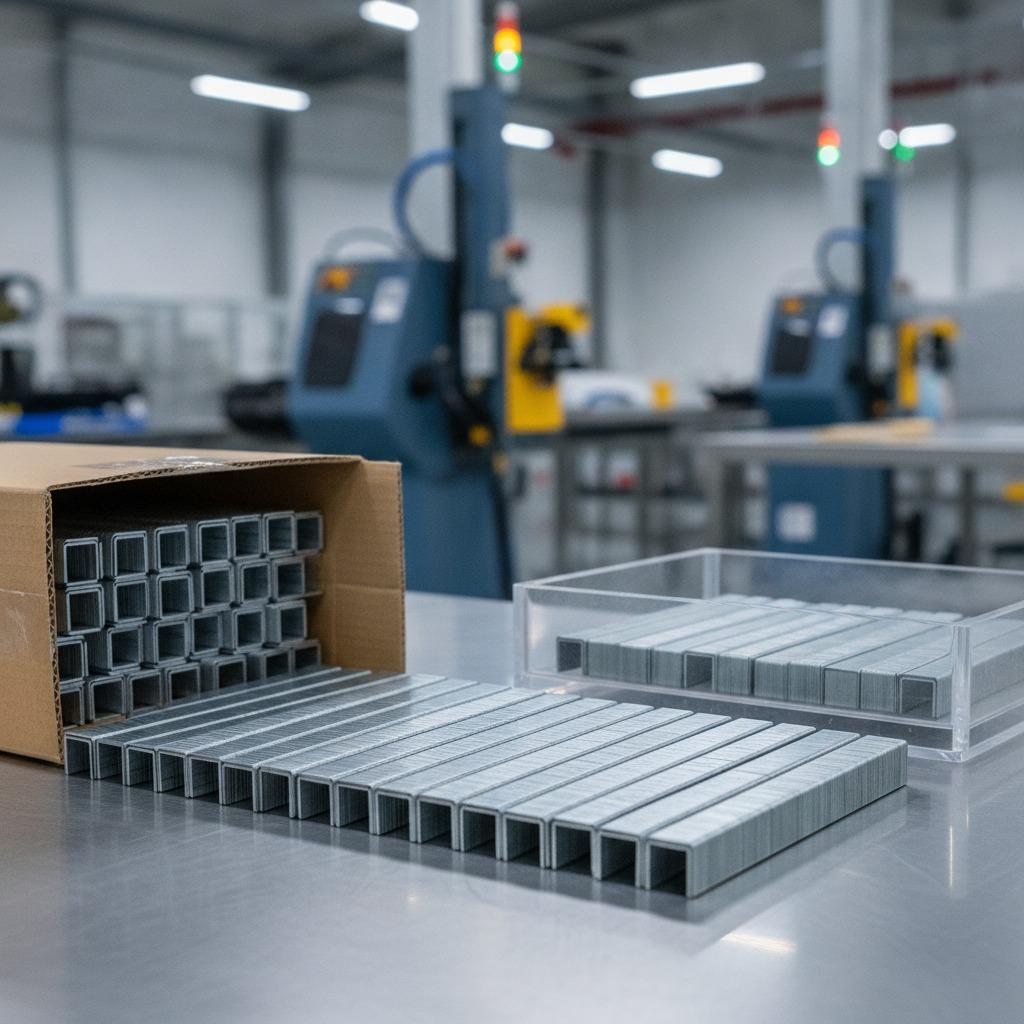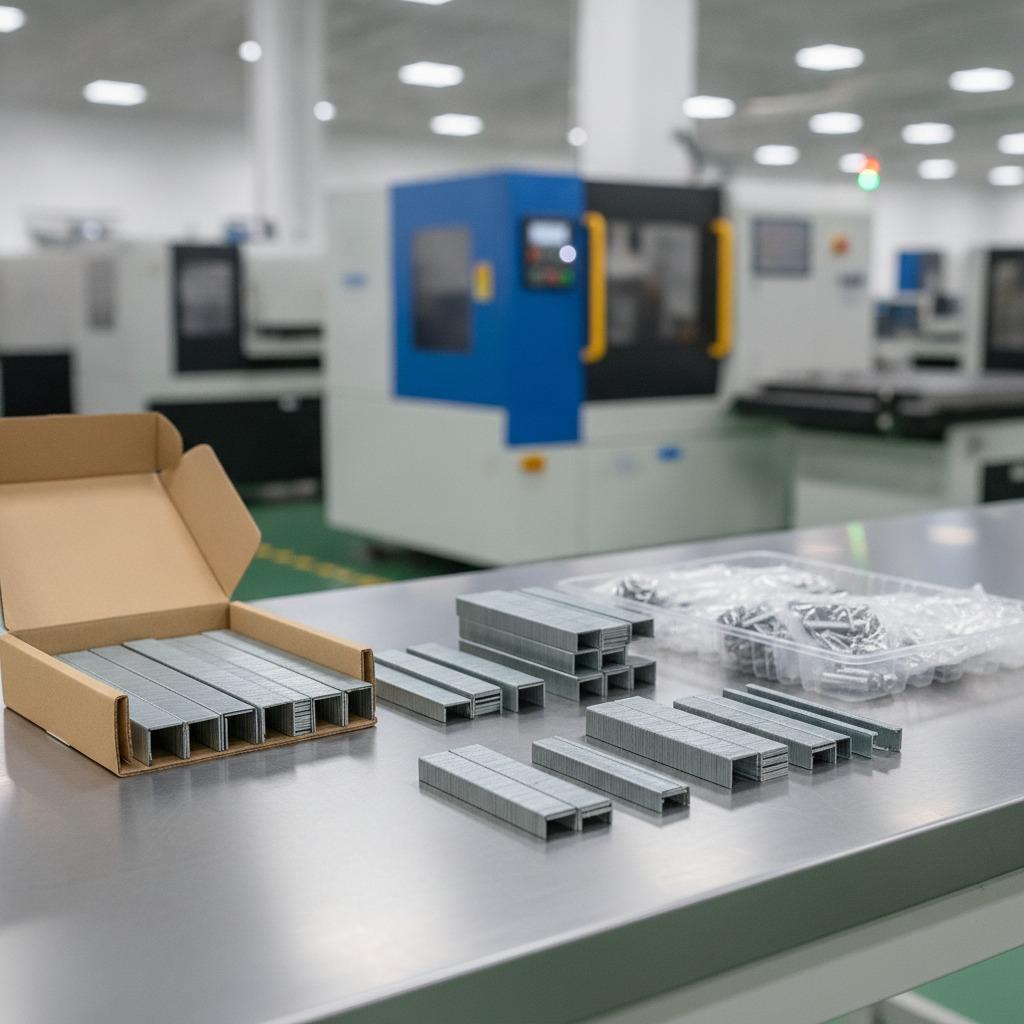

Choosing a Coil Nails Wholesale Distributor Without Slowing Your Production Line
If you are sourcing fasteners for framing, roofing, packaging, or assembly work, the choice of a coil nails wholesale distributor matters more than it first appears. A missed delivery, inconsistent coil packaging, or a poor fit with your nailer can stop a crew just as surely as a broken tool. Buyers looking at bulk coil nails are usually not shopping for the lowest line item alone; they are trying to keep tools running, labor productive, and scrap under control.
That is why the best purchasing decisions usually start with the distributor, not just the nail spec sheet. A dependable supplier should help you match industrial coil nails to the application, the tool, and the pace of your operation. The wrong choice can mean jams, wasted labor, and a lot of small interruptions that add up fast.
1. Start With the Application, Not the Catalog
Before comparing prices, narrow down where the nails will be used. Coil nails are not a single commodity in practice. A distributor that works well for pallet shops may not be the right fit for roofing contractors or cabinet makers.
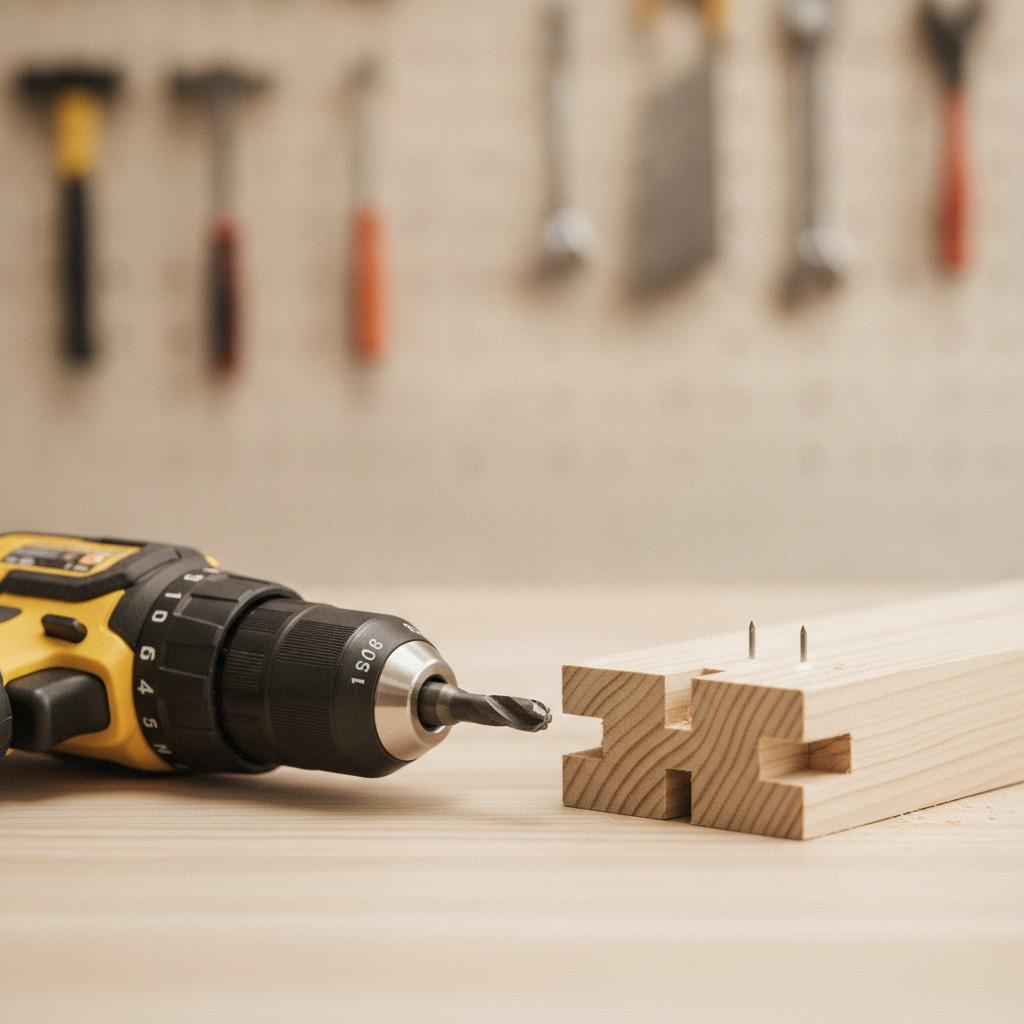
Ask a simple question: what job is the fastener doing? If the answer is high-volume fastening, then consistency matters. If the job is precision assembly, the issue is usually fit and finish. That is where the broader manufacturing mindset helps. A compact handheld electric driver, for example, is chosen for controlled fastening in woodwork and small-part assembly rather than brute force. Fasteners have a similar logic: the tool, material, and fastening rhythm need to match.
2. Compare Distributors on More Than Price
Price is visible. Service quality is often hidden until something goes wrong. A good coil nails wholesale distributor should be able to discuss packaging, coil consistency, compatibility with common fastening tools, and how the product is intended to be used. That conversation is more useful than a long discount schedule with no technical context.
When reviewing offers, look for these practical points:
- Clear product identification for the coil nails being supplied
- Packaging that suits storage and jobsite handling
- Reasonable consistency from batch to batch
- Support for ordering bulk coil nails without confusing minimums or vague substitutions
- Responsive communication if there is a tool compatibility question
It sounds basic, but many sourcing problems begin with loose wording on the quote. If the supplier cannot clearly describe what makes one coil fastener option different from another, that is a warning sign.
3. Check Tool Compatibility Early
Industrial fasteners are only useful when they work smoothly with the equipment in the field or on the line. With nail coils, compatibility is not a minor detail. It affects feed reliability, operator fatigue, and the amount of rework you see later.
This is where buyers sometimes make the wrong assumption: “If it is the right size, it will work.” In practice, not quite. Coil geometry, collation style, and finish all affect performance. A supplier familiar with industrial coil nails should be able to talk through these issues without guessing. If they cannot, you may end up testing product after product while production waits.
4. Know What Bulk Really Means for Your Business
Some buyers think bulk purchasing is only about volume discounting. It is also about reducing procurement friction. Larger, planned orders can simplify replenishment, but only if the distributor can keep supply steady and the product consistent.
For operations that run on repeated fastening cycles, buying from a stable source can be more valuable than chasing the cheapest shipment. A distributor that understands recurring demand can help reduce emergency purchases, which are often more expensive in the real world than they look on paper.
5. Watch for Common Sourcing Mistakes
There are a few habits that create avoidable trouble:
- Buying only on unit price and ignoring compatibility
- Skipping sample checks before a larger order
- Assuming all wholesalers describe industrial coil nails the same way
- Overlooking packaging damage risk during transport and storage
- Failing to confirm what happens if a shipment arrives mixed or incomplete
A small caution here: if your team uses compact fastening tools for assembly work, do not let fastener selection become an afterthought. Precision work is less forgiving than general construction. The same practical discipline that applies to a handheld electric rotary driver in woodworking applies to fastener sourcing as well. Controlled application demands controlled supply.
6. A Short Buyer Checklist Before You Place the Order
Use this as a quick reference when comparing suppliers:
Technical fit
Does the distributor understand the nail format, the intended use, and any tool compatibility concerns?
Supply reliability
Can they support repeat purchasing without changing the product unexpectedly?
Communication
Will they answer a direct question clearly, or do they hide behind generic catalog language?
Order handling
Are bulk coil nails packaged and labeled in a way that helps your receiving team?
7. What a Good Distributor Actually Saves You
The value of a reliable supplier is not abstract. It shows up in fewer tool stoppages, fewer changeovers, less sorting, and less time spent chasing replacements. For engineers and sourcing managers, that is where the purchasing decision becomes operational, not just commercial. A distributor worth keeping should help you move faster, not force you into constant checking.
If you are evaluating a coil nails wholesale distributor now, start with the application, verify the tool match, and ask how they handle recurring orders. The right partner will sound practical rather than promotional, and that is usually a good sign.
Next Step
Before committing to a full purchase, request a sample, confirm the packaging format, and ask the supplier how they distinguish one coil nail option from another. A few direct questions now can save a lot of downtime later.