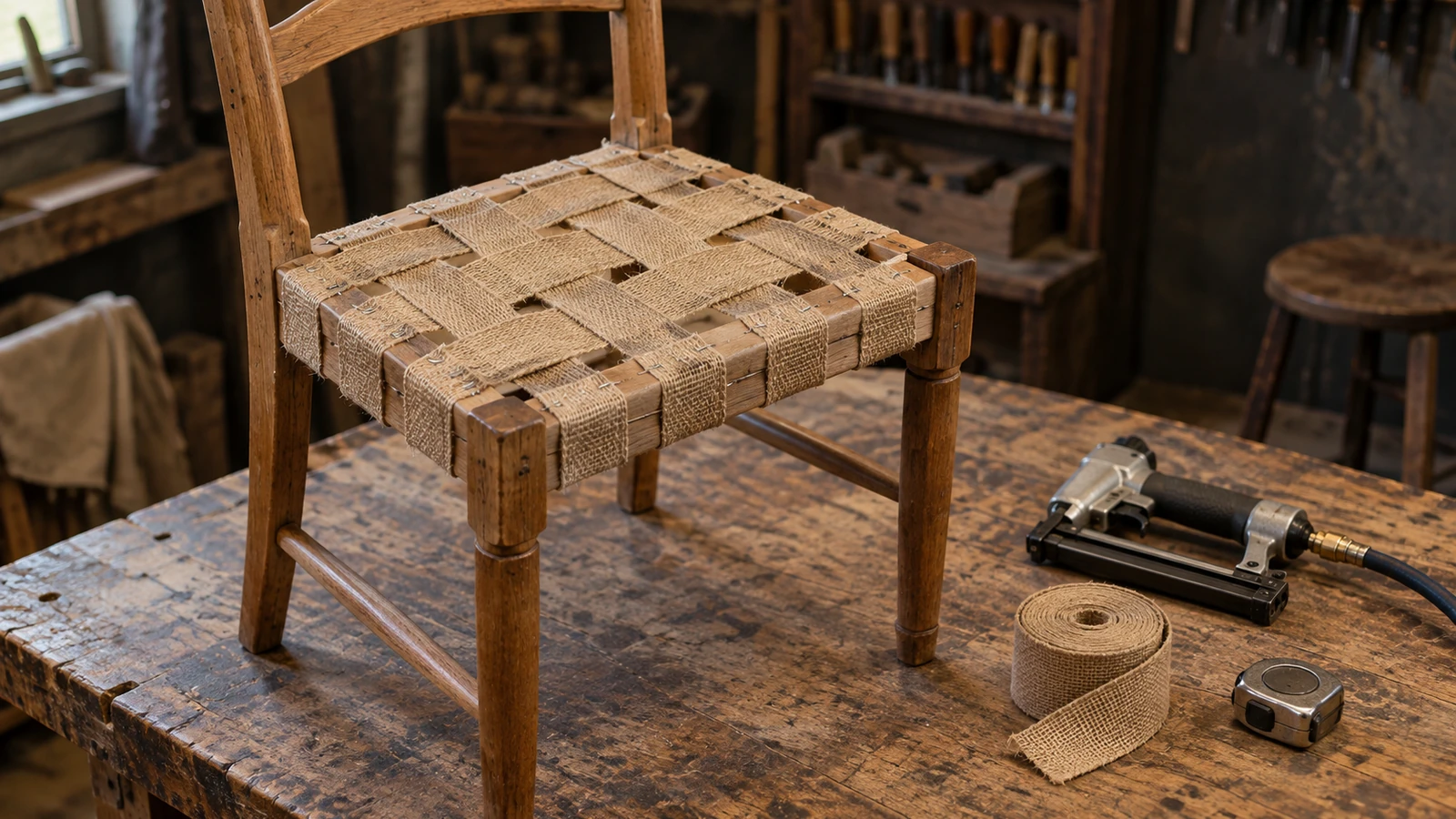

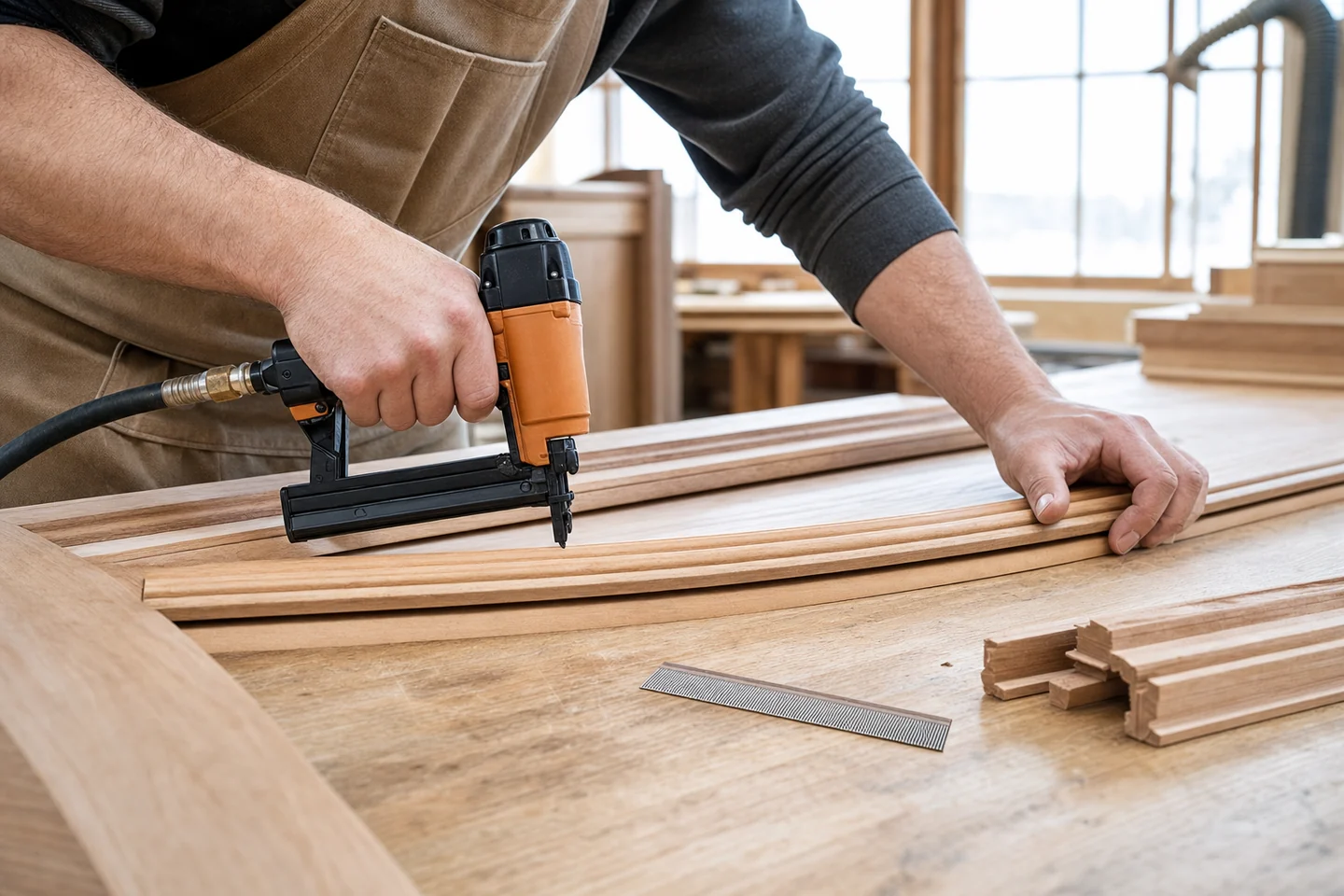
The best fastener in a piece of fine furniture may be the one nobody can find. A narrow molding stays aligned, a glued profile stops sliding, and the finished grain remains the main attraction. 23 gauge headless pins were made for this quiet kind of work.
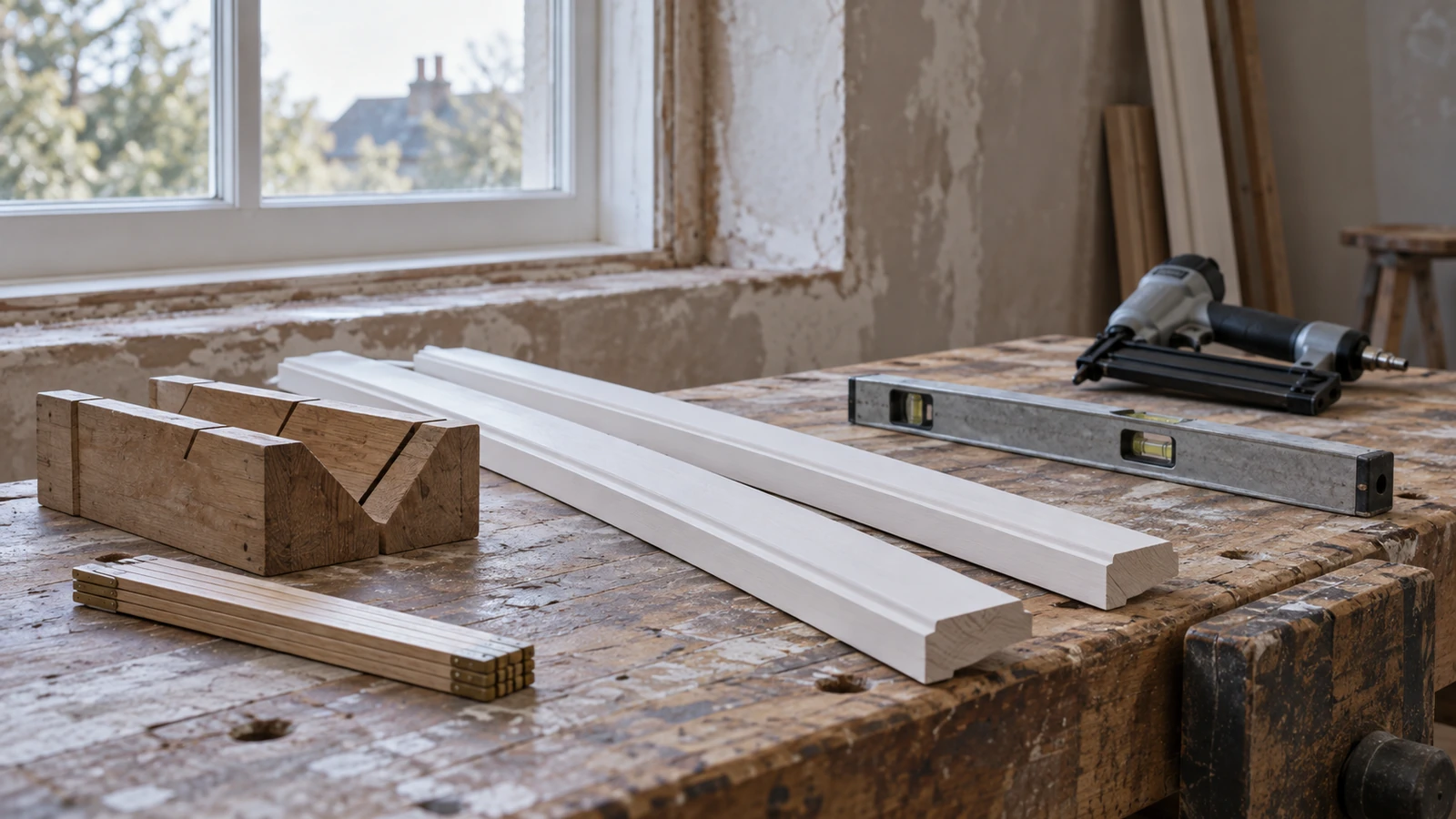
Their small cross-section and minimal head can reduce the amount of filling and touch-up required after fastening. That is valuable on cabinet trim, picture frames, glazing beads, decorative panels, and other details viewed at close range.
Invisible appearance does not mean invisible planning
A small entry mark solves only one part of the job. The pin still needs to travel through the first piece, enter the receiving material, and avoid following the grain toward a visible edge. Wood species, profile thickness, angle of entry, and pin length all influence the result.
A longer pin can feel reassuring on paper, yet excess length may increase deflection in dense or irregular grain. The best size is the one that stabilizes the joint without creating a new finishing problem.
Adhesive and pins often perform different roles
In many detail-focused assemblies, adhesive provides the lasting bond while the pin acts like a small internal clamp. It keeps the parts from drifting during handling and gives the glue time to develop strength. This is especially useful on narrow profiles that are awkward to clamp conventionally.
The pin should not be asked to replace sound joint design. If the assembly carries a meaningful structural load, the connection needs to be evaluated on that basis rather than on appearance alone.
Tool feel tells the operator whether the system agrees
A clean drive feels uneventful. The magazine feeds, the nose sits where intended, and the pin reaches a consistent depth without splitting the edge. Repeated dry fires, bent pins, or fragments in the magazine quickly cancel the time saved by a nearly invisible hole.
Testing 23 gauge headless pins in the intended pin nailer is essential because gauge, strip dimensions, magazine fit, and driving behavior are connected. A visually similar strip is not automatically a reliable substitute.
Finish and storage deserve realistic expectations
Interior furniture, sheltered trim, and exposed outdoor work do not present the same corrosion conditions. Buyers should match wire material or finish to the application, storage route, and destination environment. A coating description is useful, but it does not remove the need to define where the product will be used.
ProAirNails helps buyers protect the finished detail
ProAirNails supplies 23 gauge headless pins, related brad nails, staples, and pneumatic tools for distributors and woodworking manufacturers. An inquiry can begin with the nailer model, the existing pin strip, a troublesome profile, or a target finish. Samples can then be evaluated in the real material before packing and repeat-order references are confirmed.
Review Pneumatic Nails, compare the Brad Nails range, or read About ProAirNails. Buyers defining materials and finishes can also consult the standards resources available from ASTM International.
FAQ
When are 23 gauge headless pins preferred over brad nails?
They are often preferred when the entry mark must be very small and the fastener is stabilizing light, detail-focused work rather than carrying a heavy structural load.
Can headless pins be used without glue?
They can provide light holding power, but many fine woodworking applications use them together with adhesive for a stronger and more durable joint.
What should a buyer include in a pin nail inquiry?
Provide the nailer model, gauge, lengths, material or finish, wood species, application, monthly volume, and desired box and carton configuration.
Share your fine woodworking requirements through the ProAirNails inquiry page.