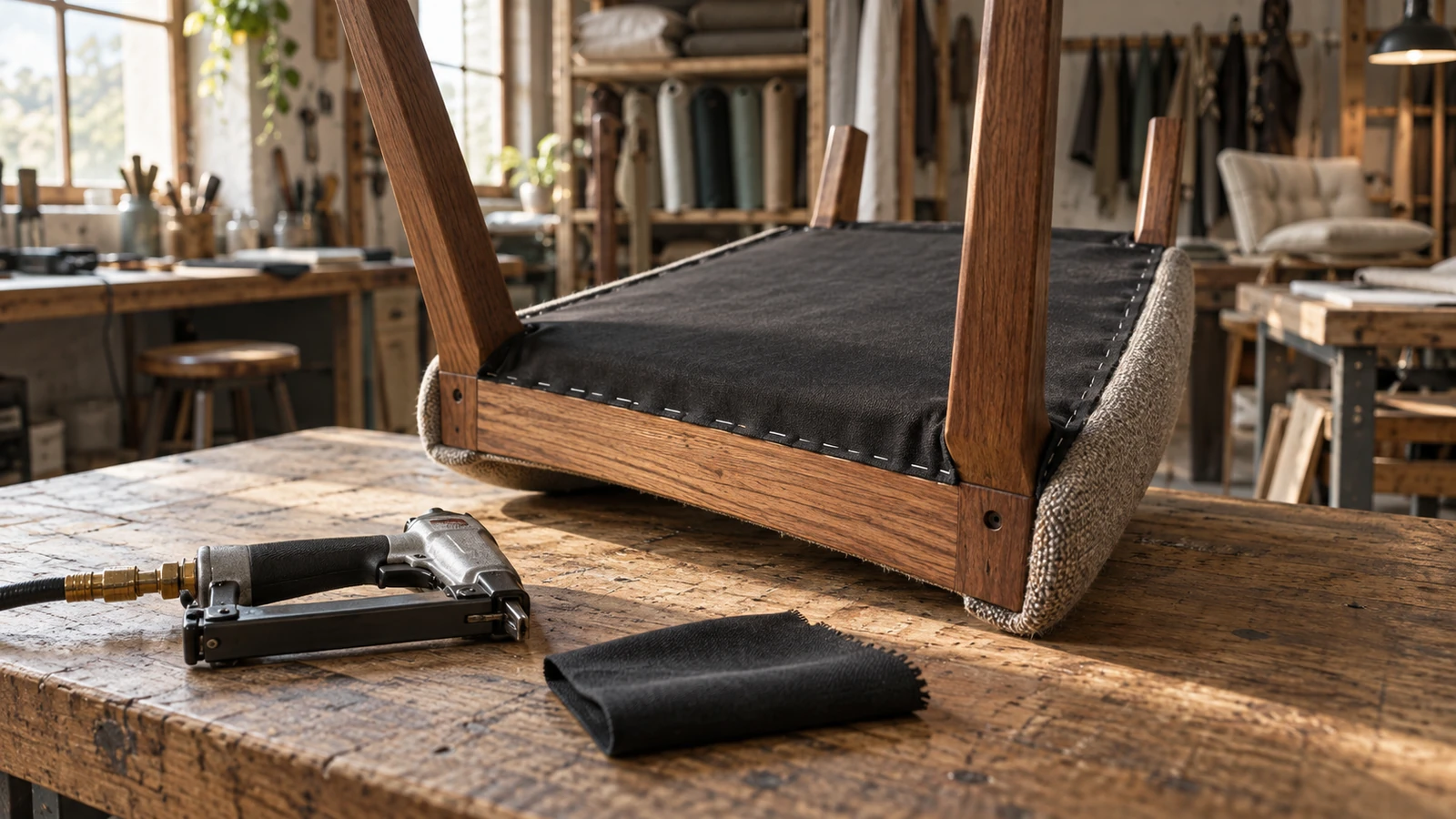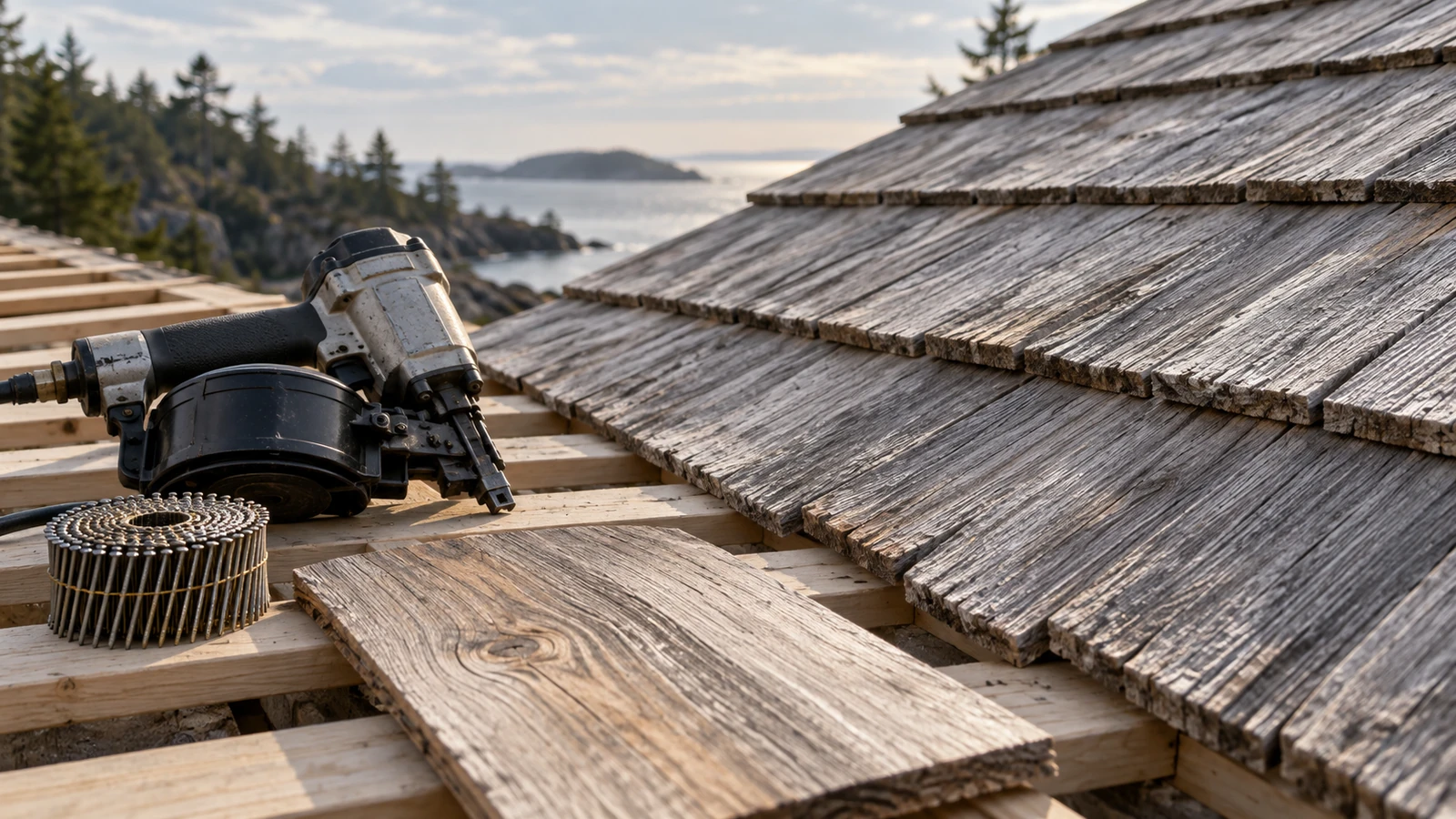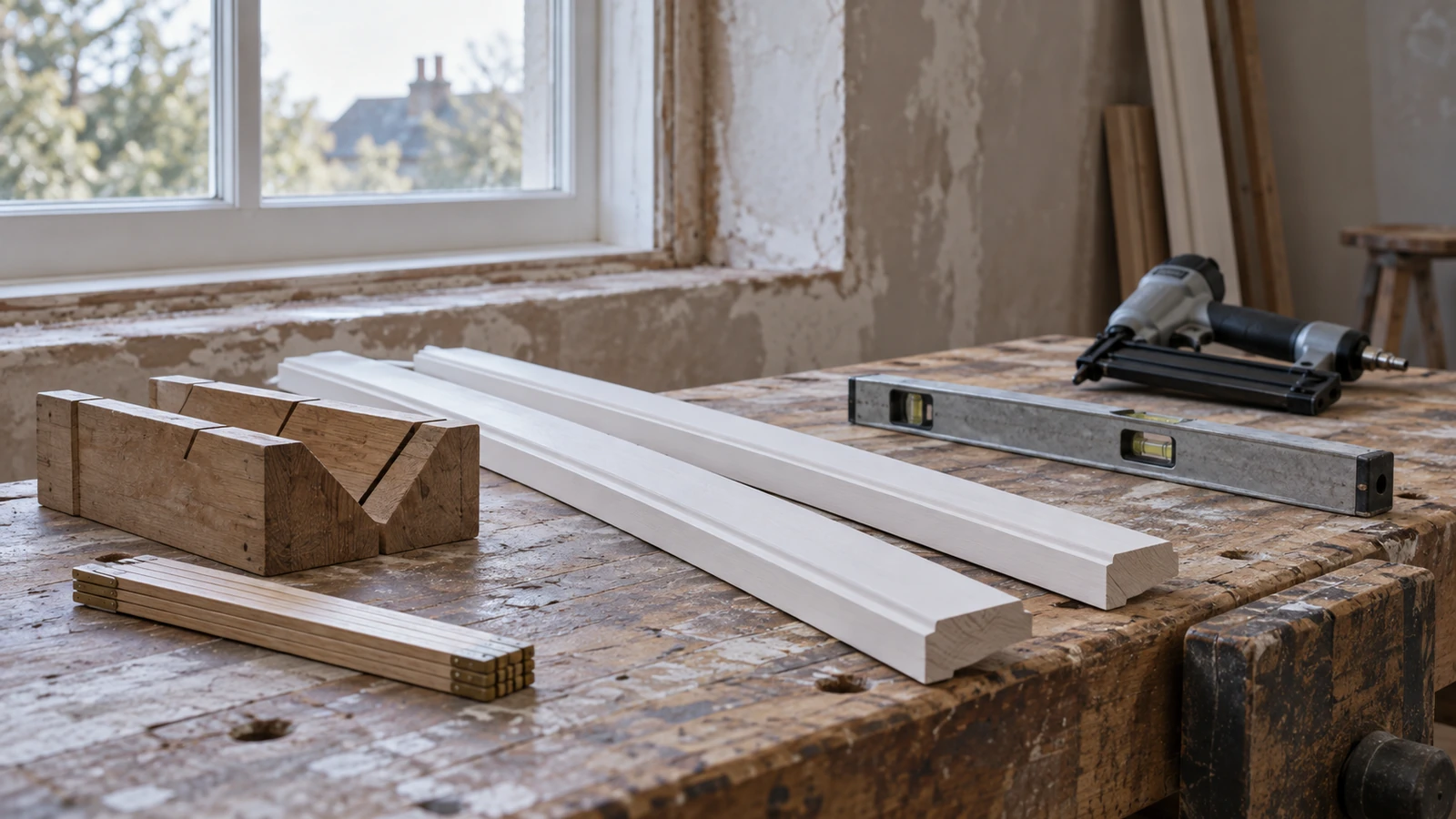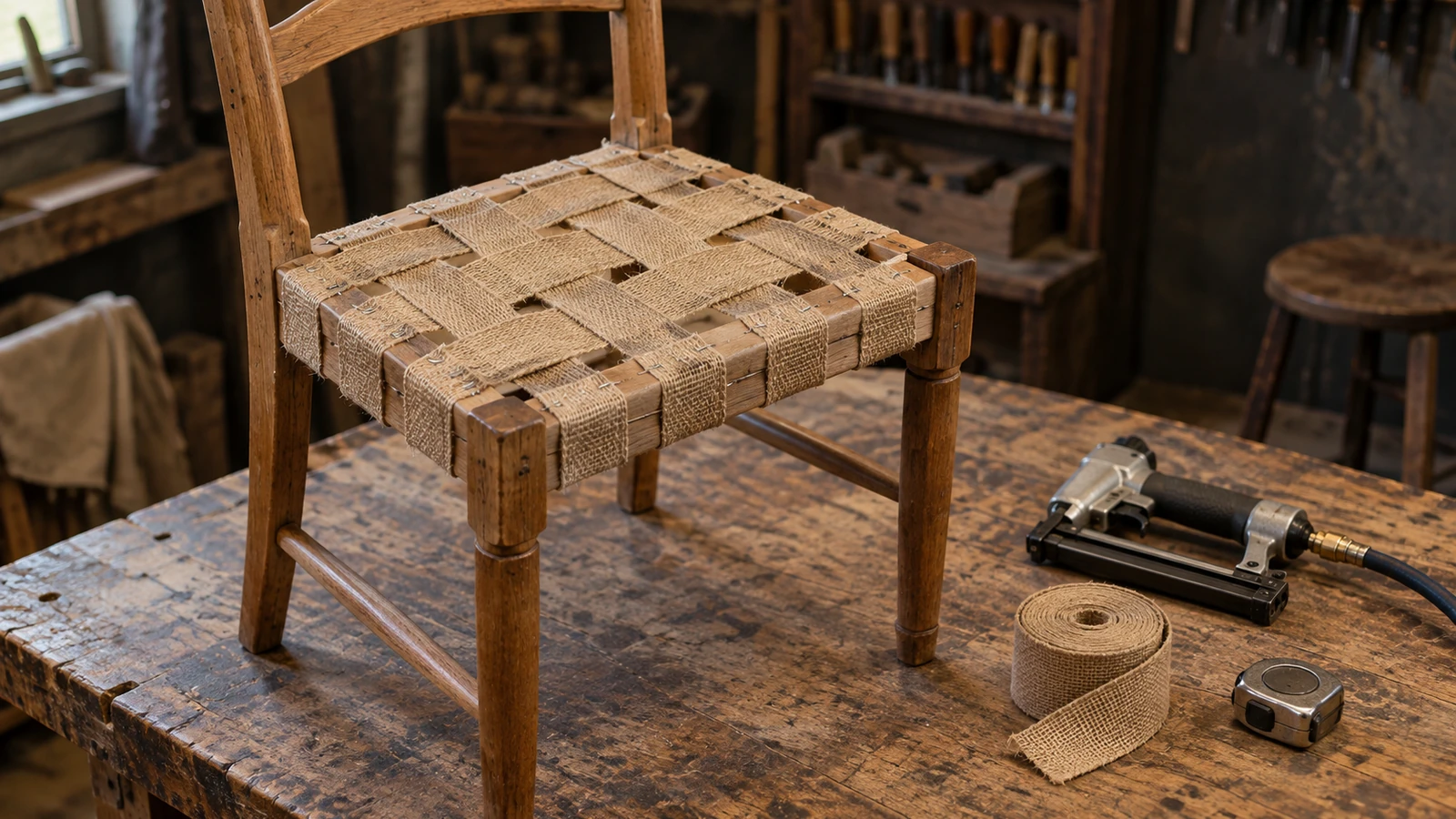

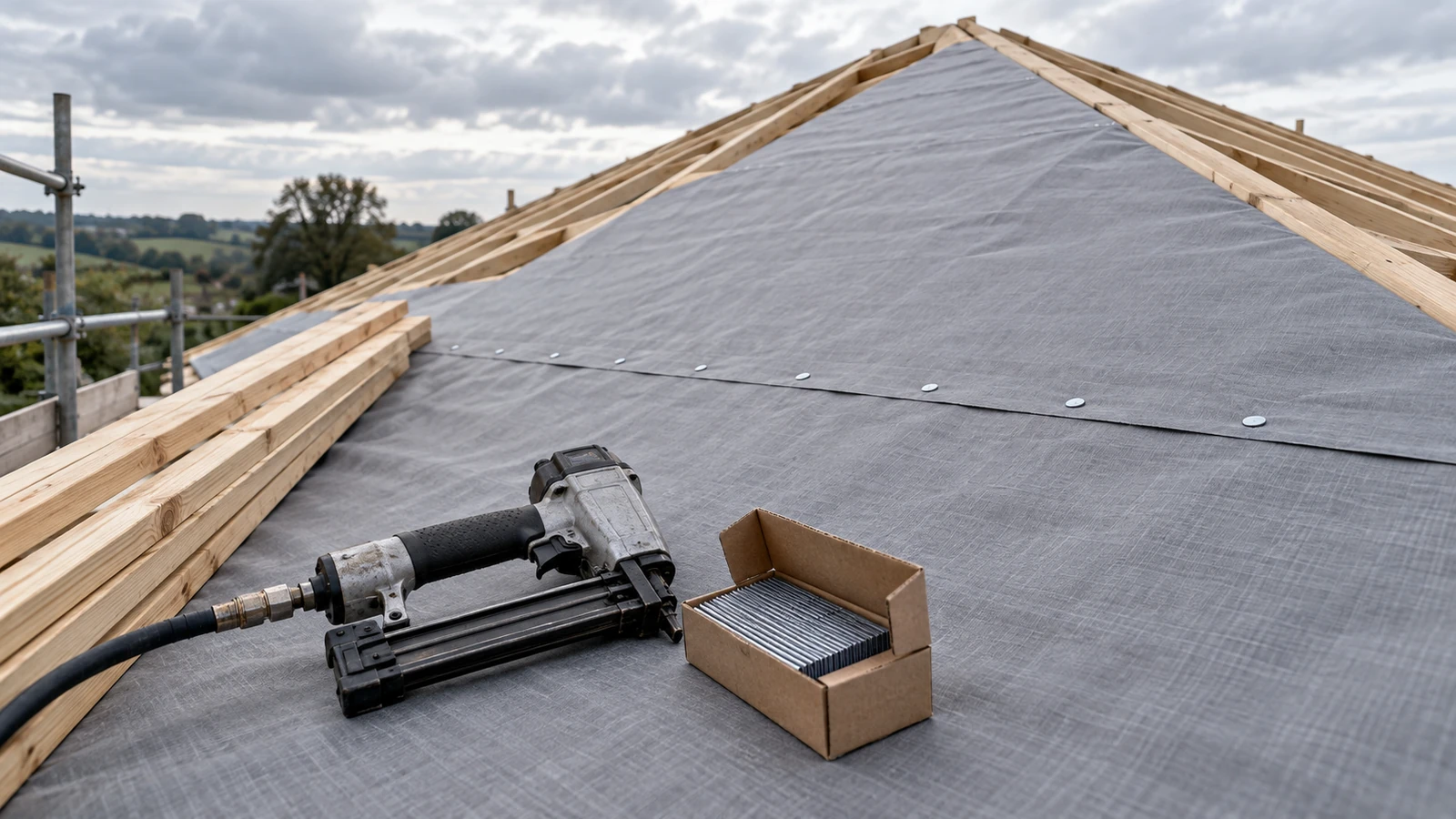
On a large site the underlayment can be the roof for months. It goes down in the morning and the covering arrives whenever materials, trades and weather allow, which in a busy season is not the same week.
Staples for roofing underlayment are usually chosen in a hurry at the start of the job, and they are then asked to hold a temporary roof through wind, rain and the traffic of everybody working below it. It is a small fixing with an unusually long period of responsibility.
Underlayment is held by its pattern, not its staples
A membrane resists wind as a sheet, not as a series of points. Staples for roofing underlayment hold that sheet in position until the lapped joints and the battens or covering take over, and the pattern is what stops the membrane from flapping itself apart at a corner.
That is why spacing and laps belong in the same conversation as the fixing. A perfect staple at wide centres is a fixing that has already given up, and the first place it shows is the corner of a lap that lifts and starts to tear.
Staples for roofing underlayment: crown, leg and coating
The crown has to be wide enough to hold the membrane without cutting it, and the leg long enough to pass through the membrane and into the deck or batten with material to spare. A leg that only just reaches holds until the first strong wind.
Coating is decided by exposure time. An underlayment that will be covered within the week is a different proposition from one that will stand through a wet winter, and the difference shows up as rust bleeding onto battens and as staples that have lost section by the time the covering goes on.
| Exposure before covering | What the fixing has to survive | What belongs there |
|---|---|---|
| Days | Handling and light weather | Galvanized staple, correct crown and leg |
| Weeks | Rain, wind and foot traffic | Heavier galvanized coating and closer spacing |
| A season or more | Repeated wetting, UV and storm loading | Heavy coating, and a batten system to spread the load |
| Coastal or exposed site | Salt carried on the wind | Corrosion-resistant fixing chosen for the environment |
Spacing and laps, in numbers
Underlayment is fixed at closer centres than the battens it sits on, so no section of the sheet is left spanning between fixings. Laps are fixed along their full length rather than at the ends, because the lap is the part that catches the wind first.
Where a lap runs horizontally, the upper sheet laps over the lower one so water is shed rather than trapped. That is a roofing rule rather than a fixing rule, and getting it wrong is not something a tighter pattern of staples for roofing underlayment can compensate for.
Staples for roofing underlayment should also be driven squarely. An angled crown holds less and stands proud, and a proud crown is a point where the membrane wears through as it moves in the wind.
Wind uplift: what the fixing resists before the covering arrives
Wind does not push a roof down. It flows over the ridge and creates suction, and the corners and edges of a roof see the strongest of it. On bare underlayment, that suction is resisted only by the staples and by the weight of the sheet.
The practical response is straightforward and unfashionable: fix the perimeter and the corners more closely than the field, keep the sheet tight when it is laid, and never leave a lap unfixed because the covering is expected the same day. Weather does not read the programme.
The sequence from eave to ridge
Work from the eave upwards so each course laps over the one below it, and fix each course as it is laid rather than working across the roof and returning to fix later. A sheet left unfixed takes on water, stretches, and is then fixed wet with staples for roofing underlayment that no longer match the lap they were set for.
On a roof with any complexity, chimneys, valleys and dormers are where the pattern has to change. Each of those details needs its own fixing pattern and its own sealing, and they are the places where a general spacing figure stops being enough.
What you see on a roof that has been left open
| What you see | What caused it | What to check |
|---|---|---|
| Corner of a lap lifted and torn | Corner unfixed, or spacing too wide there | Perimeter and lap fixing pattern |
| Rust staining on battens | Coating too light for the exposure time | Coating grade against how long the roof has stood |
| Membrane flapping between fixings | Spacing wider than the sheet can span | Spacing against the membrane weight |
| Staples standing proud and cutting | Crown driven at an angle or not seated | Tool angle and pressure on a test piece |
| Water trapped at a lap | Upper sheet lapped under the lower | Lap direction, then spacing |
Checks before the covering goes on
- Set the tool pressure on a spare piece of the same membrane over the same deck material.
- Mark the perimeter and corner pattern so it cannot be treated like the field.
- Check lap direction on every horizontal joint, not just the first one.
- Walk the roof and look for flapping before the battens go on, while a fix is still cheap.
- Note how long the underlayment has been exposed, since that is what decides the coating for the next stage of the job.
- Keep roof edges and openings protected while the roof is open, which is a safety requirement as much as a weather one, and one ProAirNails asks about on every roofing enquiry.
What a fixing cannot do
No staple makes an underlayment waterproof at a detail that was not built properly, and none will hold a membrane that was laid slack. ProAirNails does not design the roof, and the roof detail belongs with the designer; on site, edge protection while a roof is open sits with the contractor.
Two references are worth keeping with the job file. The ASTM F1667 driven fastener specification defines what a staple crown and leg actually are, which matters when a quotation quotes a box rather than a fixing. The OSHA fall protection requirements for construction cover the period when the roof is at its most exposed, which is exactly the period when the underlayment is doing the work.
FAQ
How far apart should staples for roofing underlayment be?
Closer than the batten spacing so no section of sheet spans between fixings, and closer again at perimeter and corner zones.
Which staple crown suits a roofing membrane?
Wide enough to hold the membrane without cutting it. A crown that is too narrow starts a tear that runs along the fixing line.
How long a leg is needed?
Long enough to pass through the membrane and into the deck or batten with material to spare. A leg that only just reaches will not hold.
Is galvanized enough?
For a roof covered within days, usually. For a roof standing through a wet season, a heavier coating is the safer choice.
Should laps be fixed at the ends only?
No. Laps take the wind first, so they need fixing along their full length.
What happens if the underside of a lap is exposed?
Water travels sideways into the joint instead of being shed, and the damage is under the sheet where nobody looks.
Can staple spacing fix a slack membrane?
No. Slack sheet flutters between fixings and works the staples loose, whatever the spacing.
Do valleys need a different pattern?
Yes. Valleys, chimneys and dormers all need their own fixing pattern and their own detail.
How should underlayment be stored on site?
Upright or on a pallet, under cover, so the roll is dry and clean when it is laid.
What should an underlayment enquiry include?
Membrane type and weight, deck or batten detail, expected exposure before covering, site exposure and the tool on site.
What to send with an underlayment enquiry
Send the roof and the programme: membrane type and weight, deck or batten construction, how long the underlayment will be exposed before covering, site exposure and the tools on site. ProAirNails supplies pneumatic staplers, staple pins and coil nails into roofing and exterior timber work, and a photograph of a laid lap with a rule across the fixing spacing tells us most of what we need to know. Start at Contact Us.