
A container is not a big order. It is the smallest order a factory will genuinely plan around. Once that lands, the bulk pneumatic fasteners minimum order stops being a number somebody quotes at you and becomes the first question you ask.
I have watched buyers spend three weeks chasing a discount on a half container and lose the whole saving in month four, when a wire grade quietly changed. Nobody had asked the cheaper question at the start. Who is this order actually for, and what does it change about the way the plant treats you?
Three things decide that. How many suppliers you keep, how big the first lot is, and how much of the paperwork you check before the money moves.
What a shortlist is actually for
A shortlist is not a threat you keep in your back pocket. It is insurance for the week your main plant has a furnace down and your customer still expects the container on the 14th.
Most buyers build the list the wrong way round. They collect six quotations, compare the totals, and keep the two cheapest. Then those two turn out to be one trading company wearing two names, which is not a second source at all.
So build it on process rather than price. Ask where the wire is drawn, which line runs the heat treatment, who does the coating and where collation happens. If two candidates give you the same answers, the same photographs and the same lead times, you have found one supplier, twice.
Two suppliers, one written spec
Two is enough for most importers and three is usually one too many. With one you have no leverage. With three you have three versions of your specification drifting quietly apart, and a warehouse full of cartons that look identical and are not.
Keep two, and keep them on the same written specification. ProAirNails asks for that document before quoting, because the alternative is discovering a difference in coating weight at the port instead of at the desk. Give the second supplier a small order each year even when the first is performing. A relationship you only open in a crisis is not a relationship.

The bulk pneumatic fasteners minimum order, in plain numbers
Every factory has a number below which your order is an interruption. Ask for it directly, then ask what it is measured in, because one container and one pallet are very different conversations.
| Order size | What it usually changes | Where it stops helping |
|---|---|---|
| Sample or part pallet | Proves the specification is real | You pay near double and still queue behind everyone |
| Half container | Earns a real production slot and plain packaging | Print runs, coating batches and custom marks stay out of reach |
| Full container, one item | Best unit price, planned run, predictable cartons | Nothing much. This is the normal trading unit |
| Full container, mixed | Marketing flexibility across several items | Cubing and picking errors, more counts to verify |
| Repeat programme | Forecasts, coating runs matched to your class | You carry the stock risk when demand moves |
None of this is universal, and a supplier who will not explain where the cutoff sits is telling you the cutoff is about them. A bulk pneumatic fasteners minimum order is worth arguing about when the argument is about tooling, a die setup or a coating batch. It is not worth arguing about when the number is arbitrary.
Reading an export record before the deposit
Ask for recent bills of lading and read the destination column before you read anything else. Twenty shipments to one port is not the same as twenty shipments to twenty ports, and both look like a thick folder.
Then ask three questions. Which markets carried last year, in rough percentages? Which product family led it? Who signs the commercial invoice? The first two tell you whether your item is routine work. The third tells you whether you are talking to the plant or to a broker. The country commercial guides are a fair place to check the import rules at your end before you commit to a bulk pneumatic fasteners minimum order anywhere.
What the factory needs before it can quote
Most of the delay in a first quotation is not the factory. It is six missing parameters travelling back and forth by email at two days a round trip.
| Parameter | Why the plant needs it | What goes wrong without it |
|---|---|---|
| Wire diameter and length | Sets the die and the material cost | A requote, or a nail that will not feed |
| Head or crown type | Chooses the tooling family | Wrong collation, jammed tools on site |
| Coating and corrosion class | Decides which treatment line runs | Rust claims in month six |
| Count per box and carton | Drives packing labour and board grade | Count disputes at your customer |
| Carton marks and label position | Printing and label setup | Containers held at the port |
| Trade term and destination port | Splits freight and risk | Two prices that never reconcile |
Send all six in one message and the price usually lands inside a week. Send them one at a time and you get four quotations that do not match, which is its own kind of delay. Agree the trade term in the same message, because the Incoterms rules decide who owns the risk at the port, and that moves the number further than most buyers expect.

Packaging and marks travel with the order
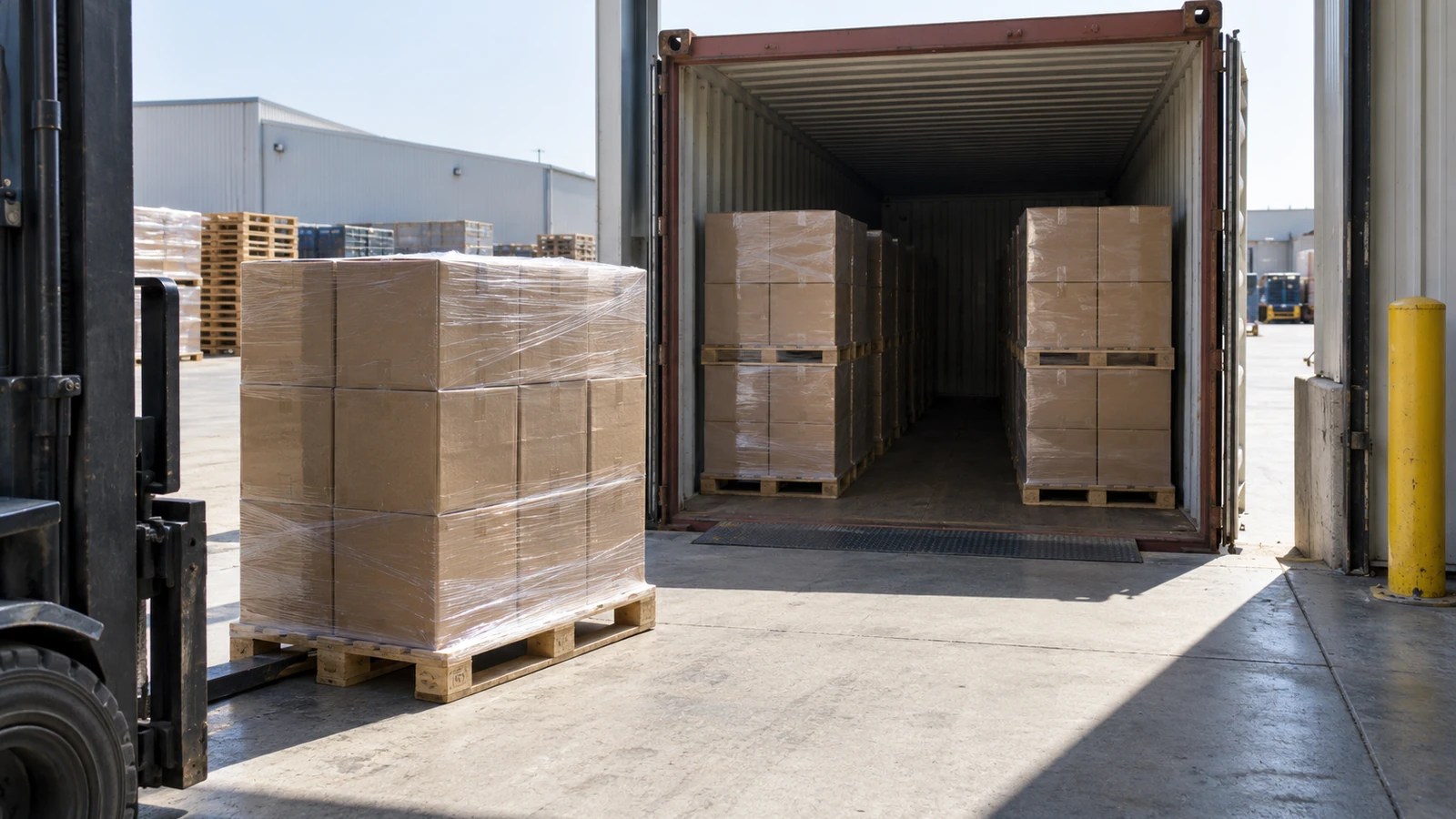
The carton is the part your customer actually touches, and it is the part most often agreed in one email at eleven at night. Board grade. Count per carton. How the count is verified, and whether that happens on the line or later in the warehouse. Where the label sits. None of it moves the bulk pneumatic fasteners minimum order, and all of it decides what arrives.
Put all of it in the purchase order rather than the email thread, because a thread scrolls and a purchase order stays. If the order mixes products, ask for a picking list before the pallets move. ProAirNails runs coil nails and brad nails through mixed containers most weeks, and the clean loads are always the ones where somebody wrote the plan down first.
Where the price actually moves
Wire is most of the cost, so wire is where the price moves. Everything else on a bulk pneumatic fasteners minimum order is comparatively small, and squeezing the small things is how buyers end up with a thinner coating than they agreed to.
The levers that cost you nothing:
- Order size and how often you order.
- Packaging configuration and carton grade.
- How far ahead you book the run.
- How much of the range comes from one plant.
The levers that cost you quality: wire grade, coating thickness and heat treatment. Leave those three alone and your specification survives the year.
What a shortlist still can't protect you from
A shortlist does not fix a bad specification, and it does not rescue your own forecast. If you buy a year of stock in March and the market moves in June, the backup plant was never the problem.
What the shortlist does is keep you honest. It reminds you that the specification has to mean the same thing in two buildings, that a sample has to prove the same claim twice, and that price is only one of the four things you are buying. The others are consistency, lead time and somebody who answers the phone.
A first order is a rehearsal
Treat the first container as a rehearsal and it stops being frightening. You are testing three things. Whether the specification survives a real production run. Whether the paperwork arrives clean. Whether the people who promised a lead time sound the same in week five.
Send a factory audit checklist ahead of that order and read the answers against what actually ships. The gap between those two is the honest measure of a supplier.
Buyers' questions before a first container
How much do I need to order to be taken seriously?
"One container," a sales director told me once, "and then we stop guessing." He was being straight with me. Below that you are a sample order, which is fine, but you are not on the production calendar. Ask what the smallest planned run is for your item.
Should I split a first order across two suppliers?
No. Run the first container through one plant, learn where it hurts, then open the second with a small order once you know what your specification needs to say. Splitting your bulk pneumatic fasteners minimum order across two plants doubles the number of things you are testing at once.
What is a realistic bulk pneumatic fasteners minimum order for a mixed load?
It is decided by weight and volume, not by carton count. Mixed loads are quoted so the container cubes out or weighs out, whichever arrives first. Ask for the loading weight at quotation stage, because that number decides how many items you can carry.
How do I check export records without being rude about it?
Ask a factual question instead of an accusing one. Which markets did you ship to last year? Which product carried most of it? Then ask for two recent bills of lading. Anyone doing the volume answers in a paragraph. Anyone who cannot answers with a story.
Which Incoterm should a first order use?
FOB is the usual starting point, because it puts the risk split somewhere both sides can see. CIF sounds friendlier and hides the freight margin inside the price. Whichever you choose, write it on the purchase order rather than agreeing it on a call.
Why do quotations take so long to come back?
Usually missing parameters. Wire diameter, length, head or crown, coating, pack count and carton marks. Send all six at once and the quotation is a same-week job. Send them one at a time and you have bought yourself a month.
What if the second supplier comes in much cheaper?
Find out which parameter they dropped before you celebrate. Cheaper is usually a thinner coating, a lower wire grade, or a count verified in the warehouse instead of on the line. Sometimes it is genuine efficiency, and that is worth knowing too.
How often should I use the backup supplier?
One small order a year is enough to keep the account warm. The point is not volume. The point is that when your main plant has a furnace down, somebody already knows your specification and your carton marks.
Can I get custom packaging at a low order size?
Usually not below a container, because printed board is ordered in runs and the setup is what costs. Plain cartons with a printed label are the usual way around it. Ask for the print minimum per item before you design anything.
What disqualifies a supplier fastest in the first month?
A specification that changes between the quotation and the order confirmation. It is almost never announced. It just appears, one adjective at a time, somewhere in the small print.
ProAirNails has been drawing, forming, treating and coating pneumatic fasteners since 1997, working to ISO 9001 and shipping pneumatic nails and staple pins in mixed containers most weeks. Send the parameters and we will come back with a price and the bulk pneumatic fasteners minimum order for your item, in writing. Quotation requests reach the same team that owns the production schedule.